
Mouse Poop vs Bat Poop: How North Atlanta Homeowners Can Tell the Difference (and Stay Safe)

Mouse Poop vs Bat Poop: How North Atlanta Homeowners Can Tell the Difference (and Stay Safe)
Finding mysterious droppings in your home is unsettling. Whether they’re scattered in your pantry or piled in your attic, knowing whether you’re dealing with mice or bats determines your next steps—and protects your family’s health. This guide walks North Atlanta homeowners through the key differences between mouse poop vs bat poop, the dangers each presents, and when to call in professional help.
Mouse Poop vs Bat Poop: Quick Identification Guide
If you’ve spotted small, dark pellets somewhere in your home, you’re likely asking one question: is this from a mouse or a bat? At first glance, these droppings can look remarkably similar, but a few quick visual checks can help you narrow it down.
Quick comparison at a glance:
Mouse poop: Rice-shaped, 1/8–1/4 inch long, with pointed ends or tapered ends. Typically scattered along walls, near food sources, and in cabinets where mice travel.
Bat poop (guano): Slightly larger at 1/4–1/2 inch, often bumpy in texture, and may appear shiny due to undigested insect parts. Found in piles beneath roosts in attics, soffits, and near chimneys.
Both mouse droppings and bat droppings carry serious health risks. Mouse feces are associated with Hantavirus, while bat guano can harbor Histoplasma capsulatum, the fungus that causes histoplasmosis. Never attempt to clean either without proper protection.
T.A.C.T. North Atlanta provides 24/7 professional rodent droppings and guano cleanup services. Our technicians can identify the source during an on-site inspection and develop a remediation plan tailored to your situation.
Why It Matters: Health Risks from Mouse and Bat Droppings
Correct identification isn’t just about satisfying curiosity—it directly impacts how the cleanup should proceed and what health precautions are necessary. Getting it wrong can mean incomplete remediation or unnecessary exposure to harmful pathogens.
Mouse droppings risks:
Hantavirus Pulmonary Syndrome: A potentially fatal respiratory disease transmitted when humans inhale dust contaminated with mouse excrement, urine, or saliva. Symptoms include fever, muscle aches, and severe breathing difficulty.
Salmonella and bacteria: Mice can transmit bacteria that contaminate food preparation surfaces, dishes, and stored food items.
Allergic reactions: Many people develop allergies or experience worsening asthma symptoms when exposed to proteins in mouse urine and feces.
Bat guano risks:
Histoplasmosis: This fungal infection occurs when people inhale fungal spores from disturbed bat or bird droppings. Symptoms range from mild flu-like illness to severe lung damage, particularly dangerous for children, elderly individuals, and those with compromised immune systems.
Structural damage: Over time, accumulated guano and urine soak into insulation, wood, and drywall, causing persistent odors and potential structural weakening.
Both types of droppings can trigger respiratory issues in enclosed spaces like attics, crawlspaces, and wall voids. The ammonia from accumulated waste creates an environment that aggravates lungs and airways.
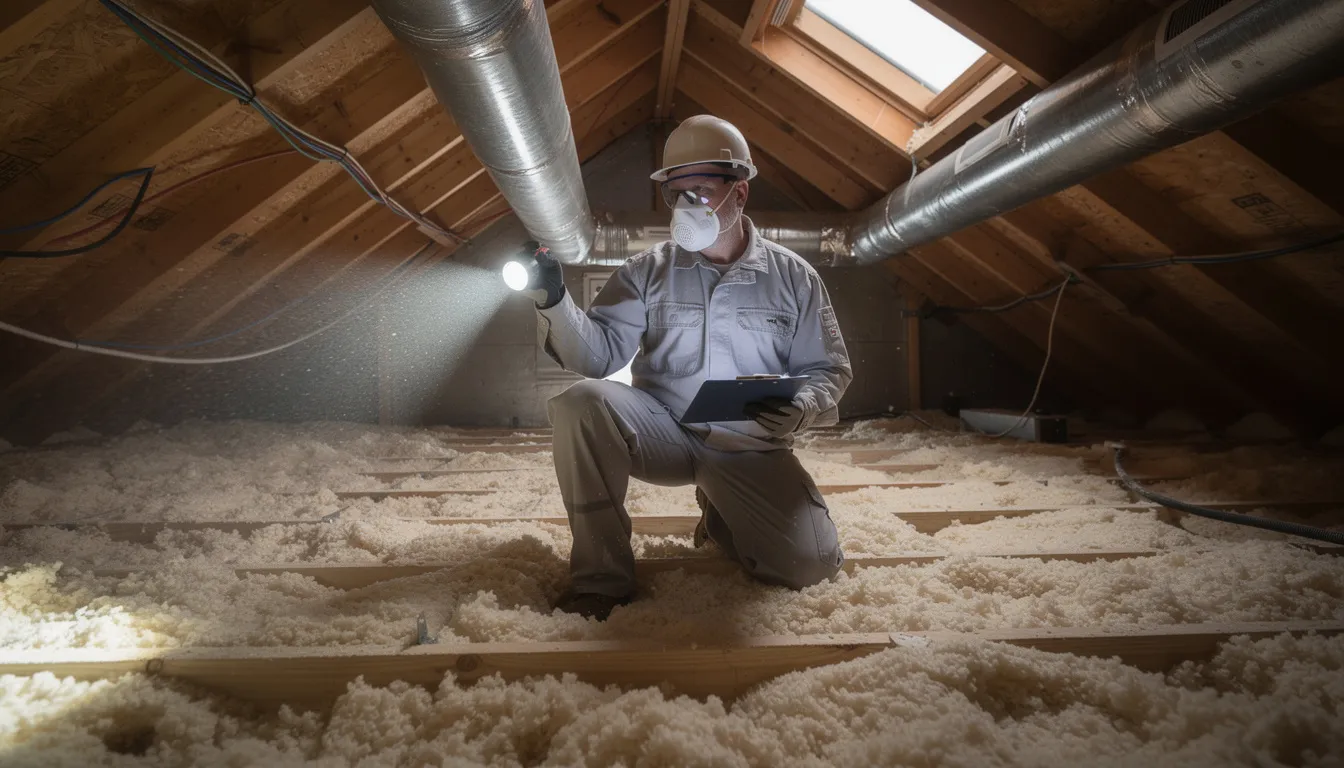
T.A.C.T. North Atlanta uses hospital-grade disinfectants, negative air machines, and full PPE to reduce airborne hazards during every cleanup. Our protocols are designed to protect both our technicians and your family.
Mouse Poop vs Bat Poop: Detailed Comparison
Both mouse and bat feces are small, dark, and pellet-like—which is exactly why most people confuse them. The difference becomes clearer when you examine size, texture, and distribution patterns more closely.
The texture test (for professionals with PPE only—homeowners should not attempt):
Bat guano crumbles into fine, dry powder when pressed. You’ll often see tiny insect fragments mixed in, giving the crushed material a gritty, dustite consistency.
Mouse droppings have a putty like texture when fresh, then dry to a hard pellet that breaks into chunks rather than fine dust.
Size ranges:
Mouse: Typically 1/8–1/4 inch long—roughly the same size as a grain of rice
Bat: Usually 1/4–1/2 inch long, slightly thicker and longer than most mouse droppings
Distribution patterns:
Mice: Droppings are scattered along walls, inside cabinets, behind appliances, and near food storage areas. They follow predictable “runways.”
Bats: Feces accumulate in piles or layered mounds directly beneath roosting spots—under attic beams, near ridge vents, and on insulation surfaces.
Odor differences:
Mouse infestations produce a strong, musky urine smell concentrated in kitchens, pantries, and storage areas.
Bat roosts emit a pungent, ammonia-like odor that becomes overwhelming in enclosed attic spaces.
T.A.C.T. North Atlanta technicians evaluate droppings, staining patterns, nesting materials, and entry points together to confirm the source before beginning any remediation work.
How Mouse Droppings Look and Behave
House mice are common invaders in North Atlanta homes year-round, though infestations typically spike during fall and winter when rodents seek warmth and food.
Appearance details:
Color: Dark brown to black when fresh, turning grayish as they age
Shape: Elongated and spindle-shaped with a pointed tip at each end; smooth surface texture
Size: About the size of a grain of rice (1/8–1/4 inch long)
Where you’ll find them:
Scattered along baseboards and “runways” mice use repeatedly
Behind refrigerators, stoves, and other appliances
Inside drawers, cabinets, and near shredded nesting materials like paper or insulation
Fresh vs old droppings:
Characteristic | Fresh Mouse Droppings | Old Droppings |
|---|---|---|
Appearance | Shiny, moist surface | Dull, dry surface |
Texture | Soft when pressed | Hard, crumbly into chunks |
Color | Dark brown/black | Grayish, faded |
A single mouse can leave 50–75 droppings per day. If you’re finding multiple clusters throughout your home, you likely have an active, ongoing infestation rather than an isolated visitor.
T.A.C.T. North Atlanta includes mouse droppings cleanup as part of broader rodent remediation projects. We coordinate with pest control partners for trapping and exclusion while handling the contamination cleanup.
How Bat Droppings (Guano) Look and Behave
North Georgia bats commonly roost in attics, soffits, and gable vents, especially from spring through early fall. Different species have slightly different preferences, but common species in our area favor residential structures for their warm, protected spaces.
Appearance details:
Color: Dark brown to almost black
Size: Generally 1/4–1/2 inch, similar length to mouse droppings but often slightly thicker
Texture: Bumpy or speckled rather than perfectly smooth, with visible insect bits embedded in the material
Shine and composition:
Bat guano often looks shiny or even sparkly when broken apart. This comes from insect remains—fragments of beetle shells, moth wings, and other exoskeletons that bats digest. The insects in their diet give guano its distinctive crumbly texture and glittery appearance.
When crushed by a trained professional wearing gloves and respiratory protection, guano breaks down into fine, dusty particles rather than paste.
Distribution patterns:
Found in piles or layered mounds directly beneath roosting spots
Concentrated on attic floors under beams, near ridge vents, and scattered across insulation
May appear on windowsills, exterior ledges, or porches directly below entry gaps
Over years of accumulation, guano compresses into thick layers that can damage insulation, stain drywall, and even compromise structural wood due to weight and moisture absorption. Even old droppings continue to harbor fungal spores and present ongoing health risks.
T.A.C.T. North Atlanta handles post-exclusion cleanup after wildlife control professionals remove bats. We remove guano, contaminated insulation, and lingering odors to restore attics to safe, livable conditions.
Where You Find Mouse Poop vs Bat Poop in a House
Location and pattern often provide the fastest clues for identification—even without touching anything. Where droppings appear tells you a lot about what animals left them behind.
Typical mouse locations:
Kitchens, pantries, and anywhere food is stored
Under sinks, behind appliances, and inside cabinet drawers
Garages, basements, and utility rooms near stored boxes and clutter
Along baseboards and inside wall voids
Typical bat locations:
Attics, especially near ridge vents, gable vents, and chimney gaps
Piles on top of insulation and along attic beams where bats cluster
Beneath soffit openings and other entry points
Exterior ledges, siding lines, and porch areas directly below roost access
Pattern clues that help distinguish the two:
Indicator | Mice | Bats |
|---|---|---|
Droppings pattern | Scattered along travel paths | Concentrated in piles under roost |
Associated signs | Gnaw marks, shredded materials, greasy rub marks | Staining on walls/ceilings, minimal chewing damage |
Typical floor level | Ground floor, basements, kitchens | Attics, upper floors, exterior high points |
In North Atlanta, some homes have both mice and bats simultaneously. The presence of scattered droppings in kitchen areas alongside piles in the attic may indicate separate infestations requiring different remediation approaches.
T.A.C.T. North Atlanta performs whole-home inspections focused on droppings patterns, staining, odors, and structural entry points to give you a complete picture of contamination throughout your property.
Diseases and Dangers: Mouse Poop vs Bat Guano
While appearance matters for identification, the real concern is what these droppings can do to human health and property over time. Understanding the specific risks helps you appreciate why professional cleanup matters.
Mouse droppings hazards:
Hantavirus Pulmonary Syndrome: Symptoms include fever, fatigue, muscle aches, and severe breathing difficulty. The virus spreads when people inhale dust from areas contaminated with rodent droppings, urine, or nesting materials. Sweeping or vacuuming dried pellets can aerosolize dangerous particles.
Salmonella and other bacteria: When mice travel across countertops, dishes, and food storage areas, they spread illnesses through direct contamination. Rodents carry diseases that can affect the entire household.
Allergy and asthma triggers: Proteins in mouse urine and feces aggravate respiratory conditions. Children and sensitive individuals may develop allergies with repeated exposure.
Bat guano hazards:
Histoplasmosis: Caused by a fungus that thrives in bat and bird droppings, particularly in moist, sheltered environments like attics. Inhaling spores can cause flu-like symptoms in mild cases or severe lung illness requiring hospitalization in serious cases. The lungs are the primary target, and symptoms can persist for weeks.
Structural and odor damage: Guano and urine soak into wood and insulation over time, causing strong persistent odors and potential ceiling staining. In extreme accumulations, the weight and moisture can lead to ceiling collapse.
Secondary risks from both:
Parasites like fleas, ticks, and mites associated with rodents and bats can spread to humans and pets
Electrical and fire hazards from mice chewing wires in contaminated areas
Property damage that affects home value and livability
T.A.C.T. North Atlanta follows CDC and OSHA-aligned protocols for droppings cleanup, including controlled removal, thorough disinfection, and odor remediation to address both immediate and long-term contamination.
Safe Cleanup (and When to Call a Professional Like T.A.C.T. North Atlanta)
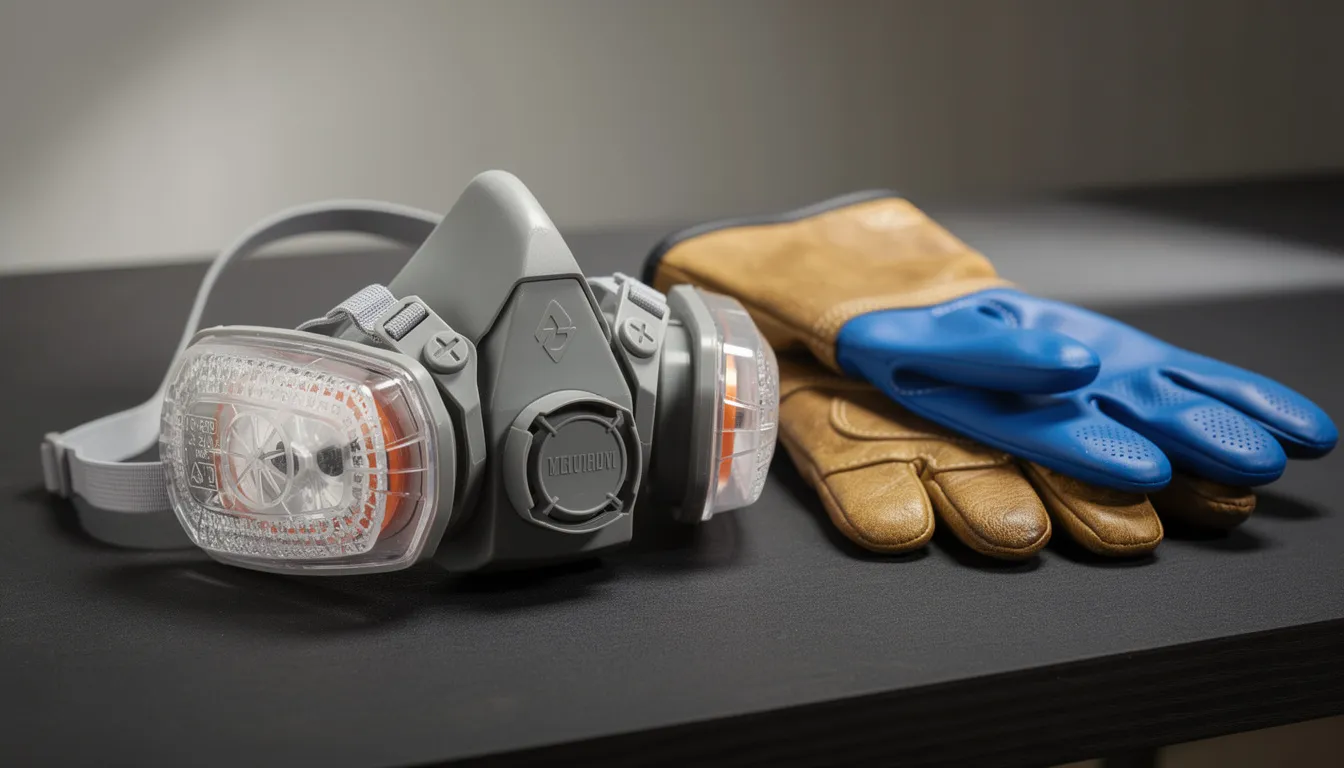
DIY cleaning of heavy mouse or bat droppings is risky and often incomplete. For anything more than a few isolated pellets, professional help is strongly recommended. The health risks simply aren’t worth the savings.
Basic safety guidelines for homeowners encountering small amounts of droppings:
Never sweep or vacuum dry droppings (mice or bats). This sends particles airborne where they can be inhaled.
Wear disposable gloves, a dust mask (N95 or better respirator), and eye protection before approaching any scat.
Lightly mist droppings with a disinfectant solution or 1:10 bleach mixture before wiping up with disposable towels.
Double-bag all waste and wash hands thoroughly afterward, wearing fresh gloves when handling the sealed bags.
When professional cleanup is essential:
Large or old accumulations in attics, crawlspaces, or enclosed areas
Visible contamination of insulation, drywall, or structural materials
Strong odors indicating long-term infestation
Hoarding conditions where droppings are mixed with other biohazards
Any situation where you’re unsure of the source or extent of contamination
What T.A.C.T. North Atlanta does during professional droppings cleanup:
Site assessment: Our technicians confirm whether droppings are from mice, rats, bats, or multiple animals based on size, texture, location, and associated signs.
Containment setup: For attics and enclosed spaces, we establish negative air pressure and containment barriers to prevent cross-contamination to living areas.
Careful removal: All droppings, contaminated insulation, and affected materials are removed following strict protocols. We use EPA-registered disinfectants throughout the process.
Odor remediation: We address lingering smells using professional-grade odor elimination techniques, not just masking agents.
Coordination with pest control: When needed, we work with wildlife control and pest management partners for bat exclusion, trapping, and entry point sealing.
T.A.C.T. North Atlanta works with all major insurance companies when droppings cleanup is part of a larger covered claim—whether that involves water damage combined with infestation, structural contamination, or other qualifying events.
Whether you’re finding dark pellets scattered near your pantry or discovering piles of guano in your attic, accurate identification is the first step toward protecting your home and family. The difference between mouse poop vs bat poop affects everything from health precautions to cleanup methods.
Don’t take chances with your family’s safety. If you’re unsure what you’re looking at—or if you know you have a contamination problem that’s beyond a few stray droppings—contact T.A.C.T. North Atlanta 24/7. Our trained technicians respond quickly, identify the source, and restore your home to safe, livable conditions with discretion and professionalism.


Latest news