Basement Remediation: Professional Deep Cleaning & Biohazard Remediation for North Atlanta

Basement Cleaner: Professional Deep Cleaning & Biohazard Remediation for North Atlanta Homes
Our Basement Cleaners Are Ready to Handle the Mess Beneath Your Home
Basements in North Atlanta neighborhoods like Roswell, Marietta, and Sandy Springs have a way of becoming forgotten spaces. Over the years, these underground rooms transform from useful storage into dusty, cluttered zones that nobody wants to deal with. What starts as a few boxes of holiday decorations can quickly become piles of forgotten stuff that haven’t been touched in a decade.
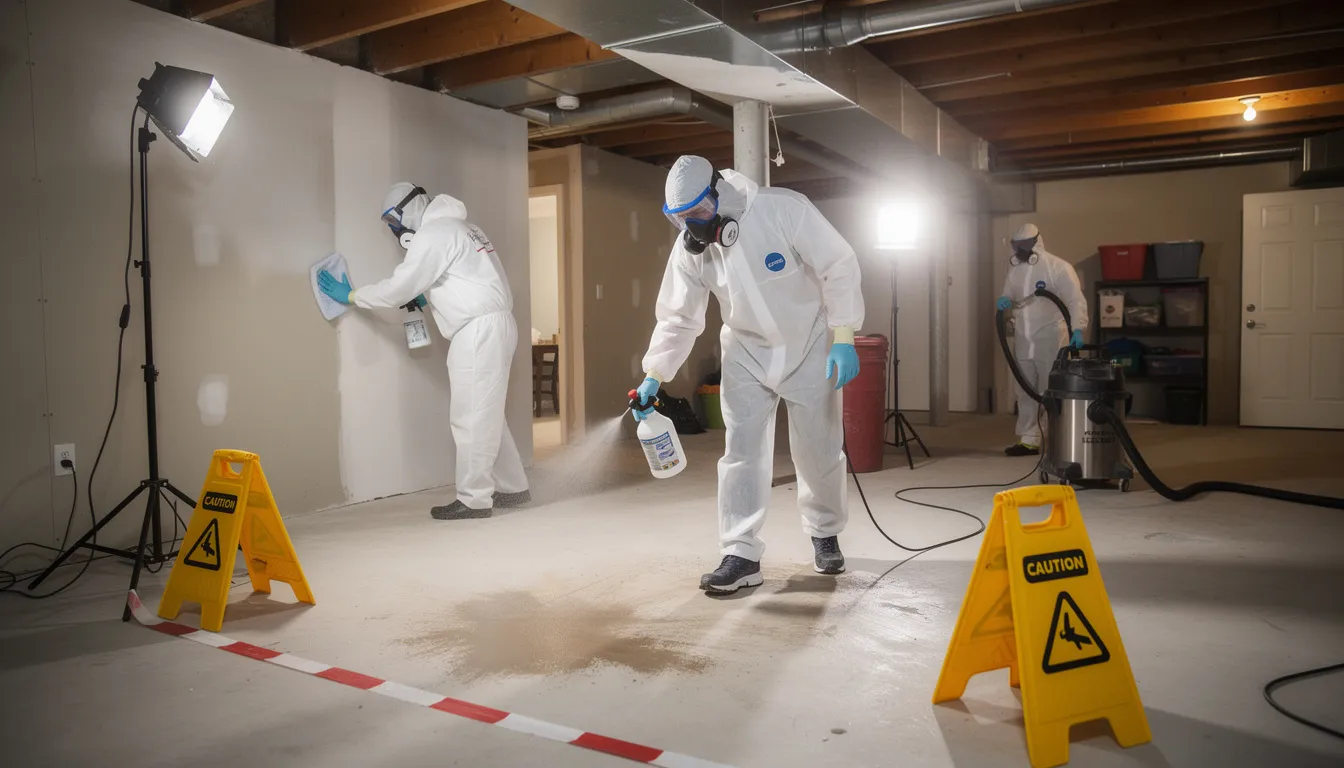
At T.A.C.T. North Atlanta, we specialize in basements that go far beyond normal dust and cobwebs. Our team handles the situations that regular cleaning products simply can’t resolve—mold infestations, rodent droppings, sewage backups, and serious biohazard risks that require specialized equipment and training. We’ve seen it all, and we’re equipped to clean it all.
Whether you have an unfinished basement used for storage and laundry or a fully finished living space in your home, townhome, or small apartment building, our crews can restore it to a safe, usable condition. We clean utility basements with exposed joists just as thoroughly as we clean finished recreation rooms with drywall and carpet.
Our team is available 24/7 for emergency situations. Flooding from summer storms, sewage overflows from backed-up lines, or contamination discovered after an unattended death—these situations can’t wait until Monday morning. When you need a basement cleaner at 2 AM, we answer the phone.
T.A.C.T. North Atlanta is a local, certified biohazard remediation company—not a generic maid service. Our technicians are trained in OSHA-compliant procedures, use hospital-grade disinfectants, and follow Georgia regulations for handling and disposing of hazardous materials. We work with discretion and compassion, understanding that many basement situations involve sensitive or traumatic circumstances.
Ready to reclaim your basement? Contact T.A.C.T. North Atlanta today for a free on-site assessment and written estimate for your basement cleaning project.
Why Basements Need to Be Cleaned
North Atlanta’s climate creates a perfect storm for basement problems. Our high humidity, frequent summer storms, and temperature fluctuations make basements especially vulnerable to moisture intrusion, mold growth, and pest activity. What might stay dry in Arizona becomes a damp breeding ground for problems in Georgia.
Common Contaminants in Neglected Basements
When a basement goes years without proper cleaning, a variety of contaminants accumulate:
Contaminant Type | Health Risk | Common Sources |
|---|---|---|
Dust and concrete dust | Respiratory irritation, allergies | Aging concrete, HVAC systems, normal settling |
Mold spores and mildew | Allergic reactions, respiratory issues | Moisture intrusion, humidity, poor ventilation |
Cobwebs and insect remains | Allergens, pest indicator | Spiders, insects entering through cracks |
Rodent droppings | Hantavirus, bacteria | Mice, rats nesting in clutter |
Pet urine residue | Ammonia exposure, odor | Previous pet accidents, animal entry |
Sewage residue | Bacterial contamination | Backup events, floor drain issues |
Chemical spills | Toxic exposure | Paint cans, cleaning products, solvents |
How Your Dirty Basement Affects Your Entire House
Many homeowners don’t realize that a dirty basement directly impacts air quality throughout the entire home. Through a phenomenon called the “stack effect,” air naturally rises from lower levels to upper floors. Your HVAC system accelerates this process by pulling air from the basement and distributing it through shared ductwork to every room in your house.
This means that mold spores, dust, and allergens from your basement don’t stay in the basement. They circulate through your living areas, bedrooms, and spaces where your family spends the most time. If someone in your house suffers from allergies or respiratory issues, your basement could be a major contributing factor.
Signs Your Basement Needs Professional Attention
How do you know when your basement has crossed the line from “needs a good cleaning” to “needs professional help”? Watch for these warning signs:
Musty smell that persists even after airing out the space
Visible mold growth on floor joists, drywall, or stored items
White, chalky deposits (efflorescence) on concrete or block walls
Rusted metal items, tools, or shelving
Rodent nests or visible droppings near stored boxes
Heavy clutter that hasn’t been moved in years
Standing water or persistent damp spots
When biological contaminants like mold, animal droppings, or bodily fluids are present, household cleaning products aren’t enough. These situations require proper PPE, professional-grade disinfectants, and remediation methods that protect both the person doing the cleaning and the rest of the home from cross-contamination.
T.A.C.T. North Atlanta uses hospital-grade disinfectants and follows procedures aligned with OSHA and CDC guidance whenever biohazards are present. We don’t just clean surfaces—we eliminate threats.
How to Clean a Basement (Step-by-Step Overview)
Whether you decide to tackle your basement yourself or call in professionals, understanding the proper cleaning process helps you make informed decisions. Here’s a practical walkthrough of basement cleaning, written so you can determine if DIY is appropriate for your situation.
Step 1: Safety First
Before you touch anything in your basement, protect yourself:
Wear gloves (rubber or nitrile) to protect hands from chemicals and contaminants
Use an N95 or P100 respirator to filter dust, mold spores, and particles
Put on eye protection to shield against dust and cleaning solution splashes
Wear closed-toe shoes with good traction for wet surfaces
Critical warning: If you suspect asbestos-containing materials (common in older homes with pipe insulation, floor tiles, or ceiling tiles), lead paint dust, or significant mold growth covering more than 10 square feet, stop immediately. These hazards require professional assessment and remediation. Disturbing them without proper containment can create serious health risks for everyone in your house.
Step 2: Declutter and Sort
You can’t clean what you can’t reach. The decluttering phase is essential:
Remove everything from the basement floor and shelving
Sort items into four categories: keep, donate, recycle, and throw away
Be ruthless—if you haven’t used it in five years, you probably don’t need it
Transfer items you’re keeping into clear plastic bins with tight-fitting lids (cardboard boxes trap moisture and attract pests)
Dispose of junk properly, including old paint cans, chemicals, and electronics
This step often takes the longest, but it’s super helpful for the actual cleaning process. You’ll be amazed how much smaller your “keep” pile is once you honestly evaluate each item.
Step 3: Dry Cleaning (Dust Removal)
With the space cleared, start removing loose dust and debris using a top-to-bottom method:
Begin with the ceiling—use a long-handled duster or vacuum extension to remove cobwebs from corners and along beams
Work down the walls, vacuuming or dusting concrete, block, or drywall surfaces
Clean floor joists and any exposed pipes or ductwork
Vacuum window wells and window frames
Finish with the basement floors
Important: Use a HEPA-filter vacuum rather than a standard shop vac for this work. HEPA filters capture fine particles that trigger allergies and prevent them from recirculating into the air. A regular vacuum or broom simply disperses dust into the air, making the problem worse and allowing particles to settle in hard to reach areas throughout your home.
Never dry sweep a dusty basement. This aerosolizes fine particles and spreads them everywhere.
Step 4: Wet Cleaning
With dust removed, it’s time for wet cleaning:
Prepare your cleaning solution: Mix a mild detergent or TSP substitute with warm water in a bucket. For contaminated areas, use an EPA-registered disinfectant following label directions.
Mop or scrub cement floors using a scrub brush or mop, working in sections
Wipe down walls with a damp cloth and appropriate cleaner for the surface type
Rinse surfaces to remove cleaning residue
Address specific stains with targeted treatment as needed
For light surface mold on non-porous surfaces like concrete, you can often scrub with appropriate mold-killing products. However, if you discover mold on porous surfaces like drywall or wood, or if the mold coverage is significant, that’s when calling T.A.C.T. North Atlanta for professional mold remediation becomes necessary.
Step 5: Dry and Restore
Moisture is the biggest enemy of a clean basement:
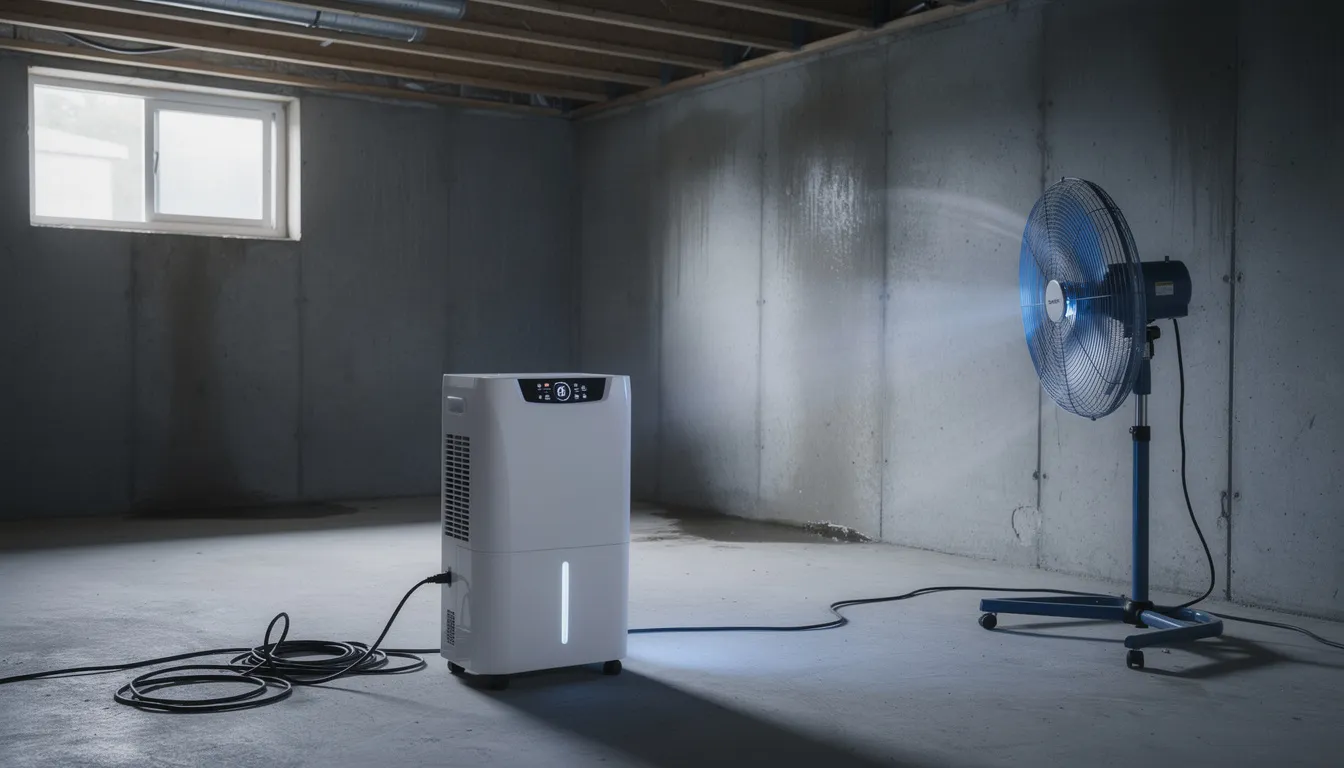
Run fans to circulate air and speed drying
Open windows if weather permits to ventilate the space
Deploy dehumidifiers to pull moisture from the air
Check for recurring moisture sources—look for cracks, condensation on pipes, or water seepage
Once completely dry, reorganize remaining items on shelves or pallets off the floor
Our professional process mirrors these steps but uses industrial equipment, containment barriers to protect the rest of your home, and specialized biohazard protocols when the situation requires them. What might take you a full weekend, we can often complete in a single efficient job.
How Much Does It Cost to Clean a Basement?
Basement cleaning costs in North Atlanta vary significantly based on what we find when we arrive. There’s no universal price because every basement presents different challenges.
Key Factors That Affect Cost
Factor | Impact on Price |
|---|---|
Square footage | Larger spaces require more time, equipment, and materials |
Finished vs. unfinished | Finished basements have more surfaces and details to clean |
Clutter level | Heavy clutter requires more labor for removal and sorting |
Contamination type | Biohazards, mold, and sewage require specialized protocols |
Accessibility | Narrow stairs, low ceilings, or tight spaces slow work |
Disposal needs | Contaminated materials require proper hazmat disposal |
General Price Ranges
To give you a rough idea without guaranteeing specific prices:
Light cleaning of a small, mostly empty unfinished basement: Lower end of the spectrum, primarily labor and basic cleaning products
Moderate cleaning of a cluttered but uncontaminated space: Mid-range, including decluttering assistance and thorough cleaning
Full remediation of a heavily contaminated, mold-affected, or biohazard space: Higher end, reflecting specialized equipment, disposal costs, and safety protocols
Situations involving biohazards—such as cleanup after an unattended death, severe rodent infestations, or sewage backups—require additional protective measures and proper disposal of contaminated materials. These requirements increase cost but are non-negotiable for safety.
Insurance and Documentation
T.A.C.T. North Atlanta works with homeowner’s insurance when applicable. Water damage, certain biohazard situations, and other covered events may qualify for reimbursement. We can help document the loss with detailed photos, reports, and itemized service records that insurance companies require.
The best way to get an accurate price for your specific situation is to request a free, no-obligation on-site estimate. Our team will inspect your basement, identify all issues, and provide a clear, written scope of work with an estimated cost before any work begins.
How Do I Get Rid of Concrete Dust in My Basement?
Concrete dust is a common frustration for homeowners with unfinished basements. This fine powder comes from aging concrete slabs, grinding or cutting that occurred during construction, or simply the natural degradation of cement surfaces over time. It settles on everything, clogs HVAC filters quickly, and can irritate respiratory systems.
Safe DIY Approach
HEPA vacuum all surfaces thoroughly, including the concrete floor itself, walls, and any horizontal surfaces where dust settles
Damp mop the slab using a microfiber mop and mild cleaning solution to trap remaining dust rather than spread it
Work in sections and rinse your mop frequently
Run air filters during and after cleaning to capture airborne particles
Never dry sweep concrete dust. This is the worst approach because it aerosolizes fine particles that then circulate through your home and settle on surfaces you just cleaned. A broom makes the problem worse, not better.
Professional Methods
For persistent or heavy concrete dust problems, T.A.C.T. North Atlanta uses advanced methods:
Professional HEPA-filtered vacuums with stronger suction than consumer models
Negative air machines that create airflow patterns pulling dust toward filters
Concrete encapsulation or sealing to minimize future dust release
Complete space treatment to address dust that has migrated to joists, ductwork, and storage areas
If you or family members have asthma, compromised immunity, or other respiratory concerns, professional cleaning is the efficient solution to rid your basement of concrete dust safely.
What Is an Unfinished Basement?
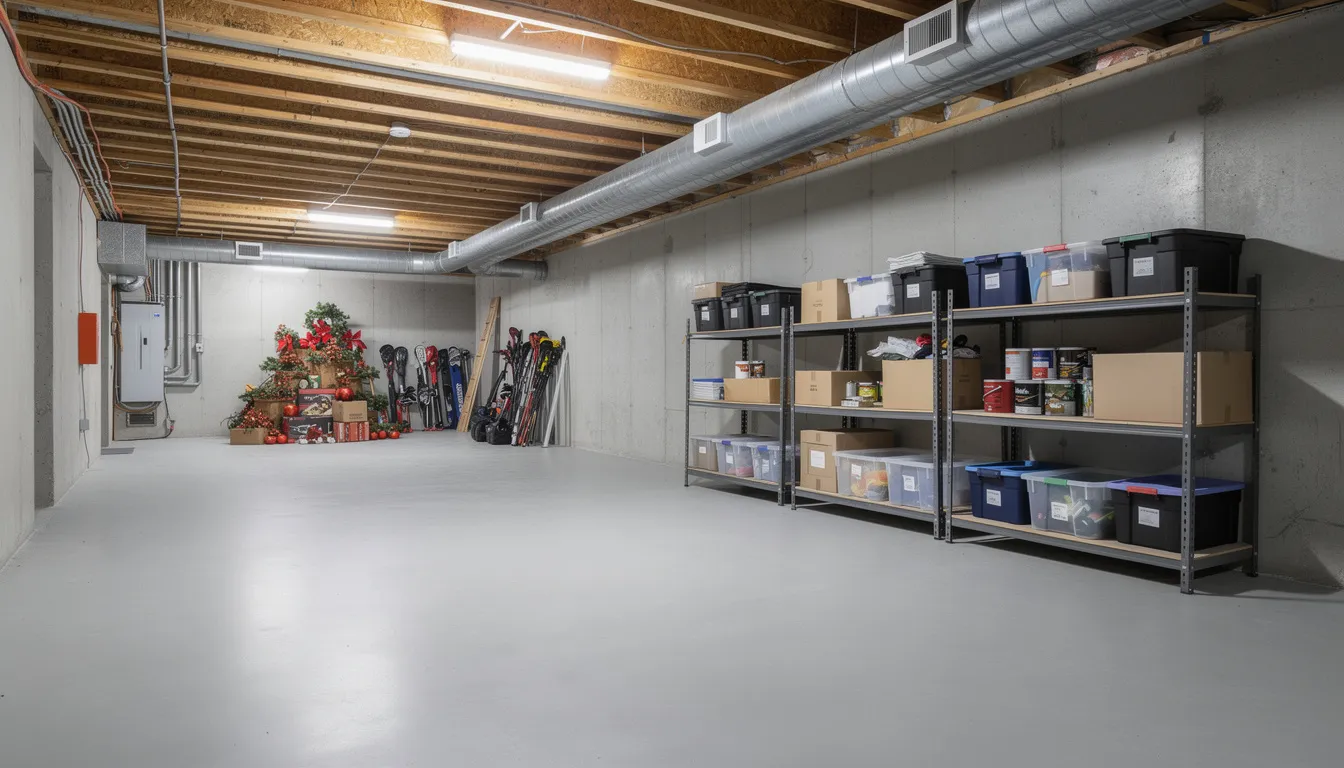
An unfinished basement is exactly what it sounds like—a basement space that lacks the finishing touches of living areas above. Key characteristics include:
Exposed floor joists and beams visible overhead
Open mechanicals such as furnace, water heater, electrical panels, and ductwork
Bare concrete or block walls without drywall or paneling
Concrete slab floors without covering
Common Uses for Unfinished Basements
Most homeowners use these spaces for:
Storage of holiday decorations, seasonal items, and luggage
Tools, paint cans, and home improvement supplies
Laundry appliances
Workshop areas with benches and equipment
HVAC equipment and water heaters
Why Unfinished Basements Get Dirtier
Unfinished basements accumulate more dirt and debris than finished spaces for several reasons:
Exposed building materials shed dust and particles
Open wall cavities provide entry points for insects and rodents
Less frequent sweeping and cleaning compared to living areas
Stored items create hiding spots for pests and trap moisture
The good news? Professional cleaning can dramatically improve both the safety and usability of an unfinished basement. Removing droppings, cobwebs, mold patches, and spilled chemicals transforms a space you avoid into one you can actually use. T.A.C.T. North Atlanta can also identify and address health hazards that might be invisible at first glance, such as hidden mold behind stored items or odor sources you’ve become nose-blind to.
Effective Methods to Clean Cement Basement Floors Quickly and Thoroughly
Cement basement floors present unique cleaning challenges. Unlike tile or hardwood, concrete is porous, meaning it absorbs spills, odors, and moisture. Here’s how to approach cement floor cleaning based on your needs.
Quick Refresh Method
For regular maintenance or light dirt:
Sweep or HEPA vacuum to remove loose debris, dust, and cobwebs
Mix cleaning solution: Combine warm water with a mild detergent or TSP alternative in a bucket
Mop in sections using a clean mop, working from the far corners toward the exit
Allow to air dry with fans running if possible
This method works well for basements that are generally clean but need periodic freshening. Plan on about an hour for a standard-sized space.
Deep Restoration Method
For floors with significant dirt, stains, or contamination:
Clear and vacuum the entire floor surface
Pre-treat stains with appropriate products (grease cutters for oil, enzyme cleaners for organic stains)
Apply cleaning solution using an EPA-registered disinfectant or appropriate heavy-duty floor cleaner
Scrub with a stiff-bristle scrub brush or floor scrubber, working the solution into the concrete’s pores
Let solution dwell according to product directions (typically 5-10 minutes)
Rinse thoroughly with clean water
Extract water using a wet vacuum or squeegee toward floor drains
Dry completely using fans and dehumidifiers
Critical Safety Reminders
Do | Don’t |
|---|---|
Ensure cross-ventilation by opening windows | Mix ammonia and bleach (creates toxic gas) |
Wear gloves, eye protection, and a mask | Use undiluted bleach on large areas |
Follow product label directions exactly | Work in enclosed space without airflow |
Test products in inconspicuous areas first | Ignore persistent odors after cleaning |
Addressing Musty Odors
That characteristic musty smell in basements signals moisture and often indicates mold or mildew presence. For light surface issues on concrete:
Clean the area thoroughly with appropriate products
Apply odor-neutralizing agents like baking soda or activated charcoal
Improve ventilation with fans to move air through the space
Run dehumidifiers to keep relative humidity below 50-55%
However, if the musty smell persists after thorough cleaning, or if you discover widespread mold growth or have a history of standing water, professional mold remediation is necessary. Surface cleaning won’t resolve mold that has penetrated porous materials or established in wall cavities.
T.A.C.T. North Atlanta can also apply antimicrobial treatments and recommend sealing options if you’re prepping your basement floors for future finishing or improved storage use.
When to Call a Professional Basement Cleaner Instead of DIY
Light dusting, basic organizing, and routine mopping are perfectly reasonable DIY projects. But some basement situations in North Atlanta homes are genuinely unsafe or impractical to handle without specialists and professional equipment.
Red-Flag Scenarios That Require Professional Help
Call for professional cleaning when you encounter:
Strong sewage or decomposition odors that don’t dissipate
Visible bodily fluids of any kind
Heavy mold growth covering walls, joists, or large surface areas
Active rodent infestations with extensive droppings
Basements affected by significant flooding
Fire or smoke damage
Evidence of chemical spills or contamination
Specific Events Requiring Certified Cleanup
Certain situations legally or practically require certified remediation professionals:
Crime scenes: Blood and bodily fluids require proper handling and disposal
Trauma scenes: Similar biohazard concerns plus sensitive circumstances
Unattended deaths: Decomposition creates severe contamination requiring specialized cleanup
Hoarding conditions: Often involve biological waste, pest infestations, and structural concerns
Large-scale water damage: Mold prevention requires rapid, thorough response
Smoke damage: Residue penetrates porous materials and requires professional extraction
The Professional Advantage
When you hire T.A.C.T. North Atlanta, you get more than just cleaning:
Containment barriers that prevent cross-contamination to the rest of your home
HEPA filtration and negative air machines that capture particles
Proper waste handling and disposal through licensed facilities
Speed and efficiency: We can often complete in a day or two what might take a homeowner weeks
Documentation for insurance claims and property records
Post-cleaning clearance checks to verify the space is safe
When health risks, intense odors, or visible biohazards are present, err on the side of caution. Your health and your family’s safety aren’t worth the cost savings of attempting a dangerous cleanup yourself. Contact our team for a confidential evaluation of your situation.
Why You Should Choose T.A.C.T. North Atlanta as Your Basement Cleaner
T.A.C.T. North Atlanta is a locally owned, certified biohazard remediation and specialty cleaning company serving communities throughout North Atlanta. We’re not a franchise operation from across the country—we live and work in Alpharetta, Johns Creek, Dunwoody, and the surrounding areas we serve.
Our Basement-Related Services
Service | What It Includes |
|---|---|
Biohazard Cleanup | Blood, bodily fluids, crime/trauma scenes |
Mold Remediation | Assessment, containment, removal, prevention |
Rodent Droppings Cleanup | Safe removal, sanitization, entry point identification |
Odor Removal | Source identification, treatment, elimination |
Hoarding Cleanup | Sorting, removal, deep cleaning, restoration |
Water Damage Restoration | Extraction, drying, mold prevention |
Fire Damage Restoration | Smoke removal, cleaning, deodorization |
Our Commitment to Quality and Safety
Every T.A.C.T. North Atlanta technician is:
Background-checked for your security and peace of mind
Trained in OSHA-compliant procedures and protocols
Equipped with professional PPE and HEPA-filtered equipment
Experienced in handling sensitive and traumatic situations
We understand that many basement cleaning situations involve difficult circumstances. Whether you’ve discovered a loved one’s hoarding condition, are dealing with the aftermath of a crime, or simply need help with a mess that’s gotten out of control, we approach every job with discretion and compassion.
Resources and Support for Homeowners
We’re available 24/7 for emergencies—calling us at 3 AM is never a problem when you’re facing a crisis. We work with all major insurance carriers and provide the clear documentation, photos, and service reports that claims adjusters require. You won’t be left navigating the insurance process alone.
Contact T.A.C.T. North Atlanta Today
Whether your basement needs routine deep cleaning or full biohazard remediation, T.A.C.T. North Atlanta has the expertise, equipment, and compassion to get the job done right.
Contact us today for a free basement inspection and personalized cleaning or remediation plan. We’ll assess your specific situation, explain your options clearly, and provide a written estimate before any work begins.
Don’t let your basement remain a problem you keep putting off. Let our team help you reclaim that space and protect your home’s air quality and safety for everyone who lives there.


Latest news