What it does to your home, your health, and what to do next
Smoke Damage: What It Does To Your Home, Your Health, And What To Do Next
Key Takeaways
Smoke damage is acidic, toxic, and can keep causing harm long after a fire is out.
Smoke odor, smoke residue, and hidden soot can affect common items, structural materials, and indoor air quality.
Smoke inhalation is especially dangerous for children, older adults, pregnant women, and people with asthma, allergies, COPD, or heart disease.
T.A.C.T. North Atlanta provides 24/7 smoke and fire damage restoration for homes and businesses in North Atlanta.
What Is Smoke Damage And Why It’s So Dangerous
Smoke damage can continue for hours or days after flames are gone, even after a small kitchen or electrical fire. It introduces corrosive acids, toxic particulates, other pollutants, and persistent odors to a house or business.
Smoke damage is a mix of soot, ash, acids, chemicals, carbon particles, and microscopic smoke particles that settle on surfaces and remain in the air. Wood, paper, plastic, rubber materials, food, and fuel oil all create different smoke residue and smell, and long-term cigarette smoke damage to a house can create similar persistent residues and odors. Damage may be visible on walls, painted walls, floors, furniture, glass, and metal, or hidden inside ductwork, electronics, porous wood, and insulation. Research shows smoke VOCs can persist for days, so testing and inspection are often needed in HVAC-connected properties.
Types Of Smoke Damage You May See After A Fire
Restoration strategy depends on what type of smoke the fire produced. Modern homes contain mixed materials, including drywall, vinyl, electronics, synthetic fabrics, and wood, so misidentifying residue can cause further damage.
Dry Smoke (High-Heat, Fast-Burning Fires)
Dry smoke results from fast-burning fires fueled by paper or wood, has a powdery texture, and is easier to clean than other types of smoke damage. It often follows high temperatures in attic insulation, furniture frames, or paper storage, leaving grey soot in outlets, grout, and cracks. Use professional high efficiency particulate air vacuum methods before wet wipe cleaning soot, because warm water or soap used too soon can smear soot into porous materials.
Wet Smoke (Low-Heat, Smoldering Fires)
Wet smoke comes from low-heat smoldering fires fueled by plastic and rubber, is dense and sticky, making it difficult to clean. It leaves dark streaks, strong smoke odor, and oily residue on ceilings, walls, vehicles, and commercial surfaces; professional car smoke smell removal service often uses similar deep-cleaning and deodorization techniques. An all purpose cleaner or mop usually spreads contamination; specialized degreasers, equipment, and cleaning methods are safer.
Protein Residue (Cooking And Kitchen Fires)
Protein residue is caused by low-heat fires burning organic materials, is often invisible, and can lead to permanent discoloration of surfaces. A 2025 Thanksgiving cooking fire in a North Atlanta townhouse might leave little visible soot but heavy odor in cabinets, ceilings, and painted walls. Standard household cleaning rarely removes it without odor removal and deodorization.
Fuel/Oil Smoke (Garage, Mechanical, And Industrial Areas)
Fuel/oil residue, also known as petroleum residue, is sticky and dense, often requiring specialized cleaning equipment due to its strong and offensive nature. It is common in garages, auto shops, warehouses, and mechanical rooms, where oily soot embeds in carpets, upholstery, and insulation. T.A.C.T. North Atlanta handles these specialized cleanup cases with PPE, ventilation, and controlled disposal, drawing on their certified hazmat cleaning services in North Atlanta.
How Smoke Affects Your Home’s Structure And Belongings
Smoke does not respect room boundaries. Smoke particles can easily penetrate walls, upholstery, and electronics, even in rooms never touched by flames.
Walls, Ceilings, Floors, And Structural Materials
Smoke is highly acidic and can permanently etch glass and corrode metal fixtures within hours. Smoke contains various acids that can lead to corrosion of metals in the home, potentially resulting in leaks and additional water damage. Smoke can cause permanent yellowing or dark staining on porous materials like plastics and drywall, and smoke can cause permanent discoloration of porous materials, such as plastics and hardwood floors, often requiring refinishing or replacement. Timely mitigation halts the acidic degradation of property and minimizes chemical exposure, and specialized fire and smoke damage restoration in North Atlanta helps ensure building materials and finishes are properly cleaned and stabilized.
Common Household Contents And Personal Belongings
Smoke damage creates visible soot contamination and hidden odors in porous materials. Sofas, mattresses, curtains, rugs, clothing, children’s toys, books, and paper can trap airborne particles and release odors when moved. Microscopic particles from smoke can generate a persistent, toxic charcoal odor in porous materials. Some leather, rugs, heirlooms, and photo albums may be salvaged, but decisions should balance safety, emotional value, insurance, and cost.
Electronics, Appliances, And HVAC Systems
Soot and ash can get trapped in heating and cooling systems, reducing efficiency and spreading contaminants. Electronics exposed to smoke should not be plugged in until inspected and cleaned by a professional, as smoke residue can corrode internal components and create fire risks. HVAC filters, furnaces, AC units, and ductwork need inspection because lingering smoke odor often comes from contaminated air circulation.
Health Risks Of Smoke Damage And Smoke Inhalation
Even after the fire is out, lingering soot and chemical off-gassing create a toxic indoor air environment long after flames are extinguished. Fine particles and pollutants irritate eyes, throat, skin, and lungs.
Short-Term Symptoms You Might Notice
Lingering volatile organic compounds and soot can cause irritation and health issues such as sore throats and nausea. Watch for coughing, headache, dizziness, skin irritation, burning eyes, and fatigue. Strong smoke odor is a warning sign, but symptoms can occur with even small amounts of residue.
Potential Complications From Heavy Or Prolonged Exposure
Airborne soot and inhaled carbon monoxide restrict oxygen delivery to vital organs, increasing cardiovascular risks. Microscopic particulate matter embeds deep within the lungs, causing respiratory distress. Heavy exposure can contribute to pneumonia, long-term lung damage, and prolonged exposure to fire residues is linked to an increased risk of developing cancer.
Who Is Most At Risk From Residual Smoke
Exposure to smoke can exacerbate symptoms for individuals suffering from asthma, allergies, or COPD. Children, older adults, pregnant women, and people with heart disease should avoid sleeping in heavily smoke-damaged areas until professional cleaning is complete.
Immediate Steps To Take After Smoke Damage
Focus first on safety, then documentation, then limiting property damage. Call T.A.C.T. North Atlanta once fire services clear the scene.
Safety, Ventilation, And Protecting Yourself
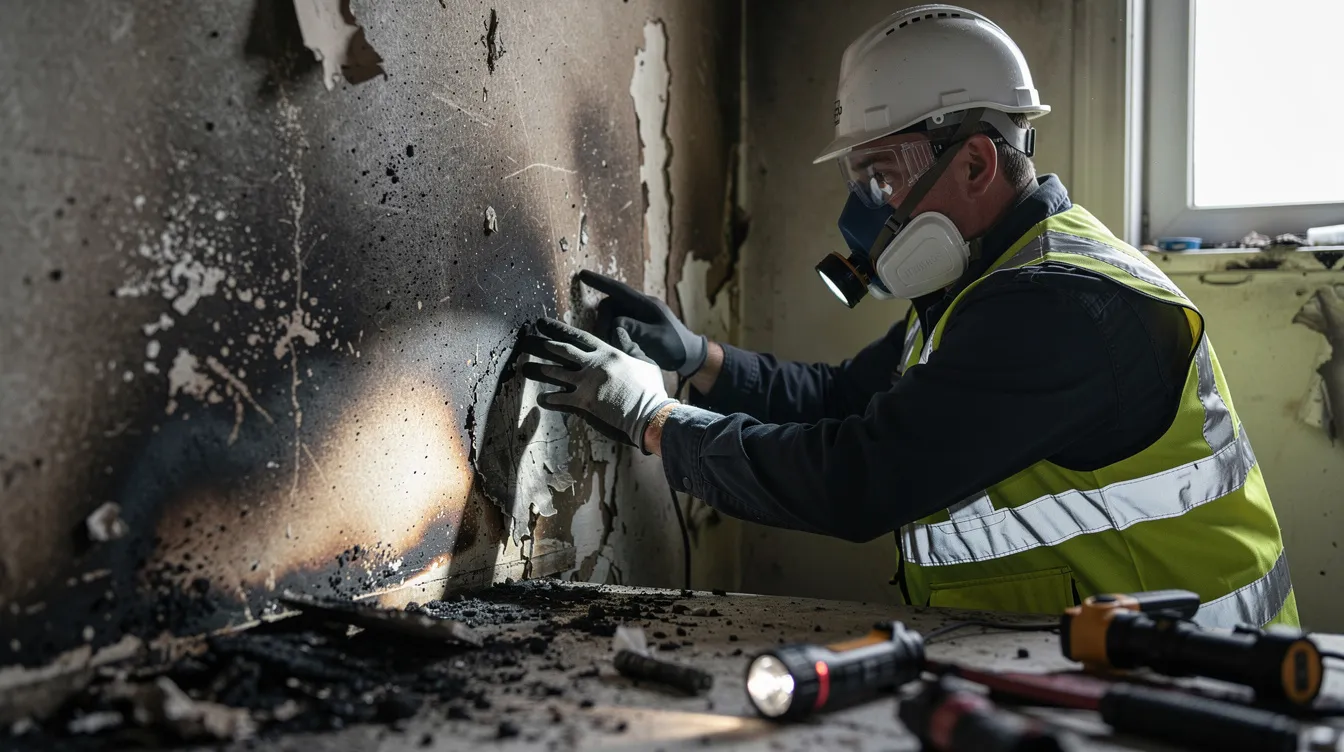
Enter only after officials say it is safe. If outdoor conditions allow, open windows for fresh air, but do not run central HVAC until inspected. Wear protective clothing, eye protection, a particle-rated mask, and wear rubber gloves; rubber gloves help protect skin from soot and chemicals. Clean air circulation is important for mitigating the health risks associated with smoke damage, and proper ventilation and HVAC decontamination are essential to remove smoke and soot from indoor environments.
What To Document For Insurance Purposes
Photograph every room, ceilings, walls, floors, damaged contents, and certain things you plan to discard. Homeowners’ and renters’ insurance typically covers smoke-damaged contents, including items lost to fire, soot, or heavy smoke exposure, depending on policy limits and documentation. To improve chances of full reimbursement for smoke damage, it is advisable to work with a certified fire restoration company to catalog losses and support your claim.
What Not To Do In The First Few Days
Do not wash painted surfaces, use a regular vacuum without HEPA filters, eat exposed food, or power on smoky equipment. Follow manufacturer’s instructions for any emergency product you use. Insurance companies may attempt to minimize costs related to smoke damage claims, so having legal counsel can help ensure rightful compensation is received, especially when smoke is part of a larger event that also requires crime scene cleaning in North Atlanta.
What To Throw Away After Smoke Damage (And Why)
Some items are unsafe after smoke exposure, even if they look fine. Smoke damage can contaminate food, medications, and household items, posing health risks even if these items appear unaffected, and in more complex events you may also need broader emergency biohazard cleanup in Atlanta to address other contaminants.
Food And Kitchen Items To Discard
Discard perishable and non-perishable foods exposed to smoke, heat, soot, or firefighting water, including open packages, spices, cardboard goods, and heat-exposed cans. Photograph them first for insurance.
Medications, Vitamins, And Personal Care Products
Food items, medications, and cosmetics should be discarded after smoke damage, as they may be contaminated even if packaging appears intact. Ask a pharmacist about critical prescriptions.
Clothing, Bedding, And Other Fabrics To Let Go
Discard burned, melted, or heavily soot-coated fabrics, especially bedding and clothing that touch skin. Washing machines alone cannot remove deep smoke odor from many highly porous fabrics.
Plastics, Rubber Materials, And Certain Synthetic Items
Replace warped plastic, sticky toys, rubber gaskets, and synthetic decor with persistent odor. Small amounts of oily residue can still be harmful.
Paper Products, Books, And Porous Office Supplies
Paper plates, cardboard boxes, and inexpensive books usually absorb odor quickly. Important legal or tax records may need specialty restoration, particularly if they were present during an incident that also called for professional crime and trauma scene cleaning in North Atlanta.
What You May Be Able To Salvage With Professional Help
Not everything must be thrown away. Salvage depends on residue type, exposure time, material, and safety, and in some situations professional 24/7 emergency biohazard cleanup in Atlanta is also needed alongside smoke restoration.
Clothing, Upholstery, And Soft Furnishings
Clothing, curtains, and upholstery may be salvageable after smoke damage if cleaned with professional techniques, as washing machines alone cannot fully remove smoke odor. Ozone, enzymes, and controlled laundering may help.
Hard-Surface Furniture, Fixtures, And Decor
Wood, metal, stone, and glass often respond better than fabric. Finished wood may clean well; raw porous wood or charred materials may need replacement.
Electronics, Appliances, And Valuable Equipment
Appliances and business equipment may be cleaned, tested, and repaired by specialists. Never open or repair smoke-exposed electronics without training.
Professional Smoke Damage Restoration With T.A.C.T. North Atlanta
T.A.C.T. North Atlanta is a locally owned, certified biohazard and restoration service providing 24/7 fire damage, soot and smoke cleanup, odor removal, contents cleaning, and insurance coordination, backed by a compassionate team described in their About Us | T.A.C.T. North Atlanta.
Inspection, Testing, And Customized Restoration Plan
Technicians inspect rooms, attics, crawlspaces, HVAC returns, and mechanical spaces. They identify dry smoke, wet smoke, protein residue, or fuel/oil residue, then create a scope focused on safety and further damage prevention.
Removal Of Residues, Odors, And Contaminated Contents
The process may include high efficiency particulate air vacuuming, dry sponging, wet cleaning, deodorization, sealing, and safe disposal. Sensitive spaces like bedrooms, nurseries, medical offices, and kitchens receive extra care.
Coordination With Other Services And Long-Term Protection
Smoke damage often comes with water damage from firefighting, plus mold or odor concerns. T.A.C.T. North Atlanta can coordinate drying, dehumidification, biohazard cleanup, repair planning, and long-term protection.
Smoke Damage FAQs
These FAQs address common follow-up questions not fully covered above.
How long does smoke odor usually last in a home?
Without professional treatment, smoke odor can last weeks or months in carpets, insulation, and furnishings. With prompt cleaning and deodorization, many North Atlanta homes improve within days to a couple of weeks.
Is it safe to live in my house while smoke damage is being cleaned?
It depends on soot levels, odor, structural safety, and health conditions. In heavier events, temporary relocation is often safer, especially for children, pregnant women, and anyone with asthma or heart disease.
Can I handle smoke damage cleanup myself, or do I need professionals?
You may handle light ventilation and minor surface cleaning after a very small incident. Visible soot across multiple surfaces, strong odor, or contaminated HVAC systems usually require professional equipment.
Does insurance usually cover professional smoke damage restoration?
Many Georgia homeowners’ and business policies cover sudden fire-related smoke and soot damage, but limits vary. Photos, inventories, receipts, and restoration reports strengthen the claim.
What if I still smell smoke after cleaning has been done?
Persistent odor may mean hidden soot remains in ductwork, insulation, contents, or one smoky sofa or box of books. Contact T.A.C.T. North Atlanta for re-inspection and additional treatment.
If your property has smoke damage, call T.A.C.T. North Atlanta for fast, discreet, professional help protecting your health, belongings, and building.
Inspection, Testing, And Customized Restoration Plan
Technicians inspect rooms, attics, crawlspaces, HVAC returns, and mechanical spaces. They identify dry smoke, wet smoke, protein residue, or fuel/oil residue, then create a scope focused on safety and further damage prevention.
Removal Of Residues, Odors, And Contaminated Contents
The process may include high efficiency particulate air vacuuming, dry sponging, wet cleaning, deodorization, sealing, and safe disposal. Sensitive spaces like bedrooms, nurseries, medical offices, and kitchens receive extra care.
Coordination With Other Services And Long-Term Protection
Smoke damage often comes with water damage from firefighting, plus mold or odor concerns. T.A.C.T. North Atlanta can coordinate drying, dehumidification, biohazard cleanup, repair planning, and long-term protection.
Smoke Damage FAQs
These FAQs address common follow-up questions not fully covered above.
How long does smoke odor usually last in a home?
Without professional treatment, smoke odor can last weeks or months in carpets, insulation, and furnishings. With prompt cleaning and deodorization, many North Atlanta homes improve within days to a couple of weeks.
Is it safe to live in my house while smoke damage is being cleaned?
It depends on soot levels, odor, structural safety, and health conditions. In heavier events, temporary relocation is often safer, especially for children, pregnant women, and anyone with asthma or heart disease.
Can I handle smoke damage cleanup myself, or do I need professionals?
You may handle light ventilation and minor surface cleaning after a very small incident. Visible soot across multiple surfaces, strong odor, or contaminated HVAC systems usually require professional equipment.
Does insurance usually cover professional smoke damage restoration?
Many Georgia homeowners’ and business policies cover sudden fire-related smoke and soot damage, but limits vary. Photos, inventories, receipts, and restoration reports strengthen the claim.
What if I still smell smoke after cleaning has been done?
Persistent odor may mean hidden soot remains in ductwork, insulation, contents, or one smoky sofa or box of books. Contact T.A.C.T. North Atlanta for re-inspection and additional treatment.
If your property has smoke damage, call T.A.C.T. North Atlanta for fast, discreet, professional help protecting your health, belongings, and building.


Latest news