
Black mold: Health risks, symptoms & safe removal

Black Mold: Health Risks, Symptoms & Safe Removal
When people talk about black mold, they’re usually referring to a specific fungus that thrives in water-damaged buildings and can trigger a range of health issues. Whether you’ve spotted suspicious dark patches in your bathroom, noticed a persistent musty smell in your basement, or you’re dealing with unexplained respiratory symptoms, understanding what you’re facing is the first step toward solving the problem.
This guide breaks down everything you need to know about black mold—from accurate identification to effective removal—so you can protect your home and your health without falling for common myths.
What Is Black Mold?
Black mold usually refers to Stachybotrys chartarum (sometimes called Stachybotrys atra), a greenish-black fungus commonly found in damp indoor environments. This type of mold has earned a notorious reputation, but understanding its actual characteristics helps separate fact from fear.
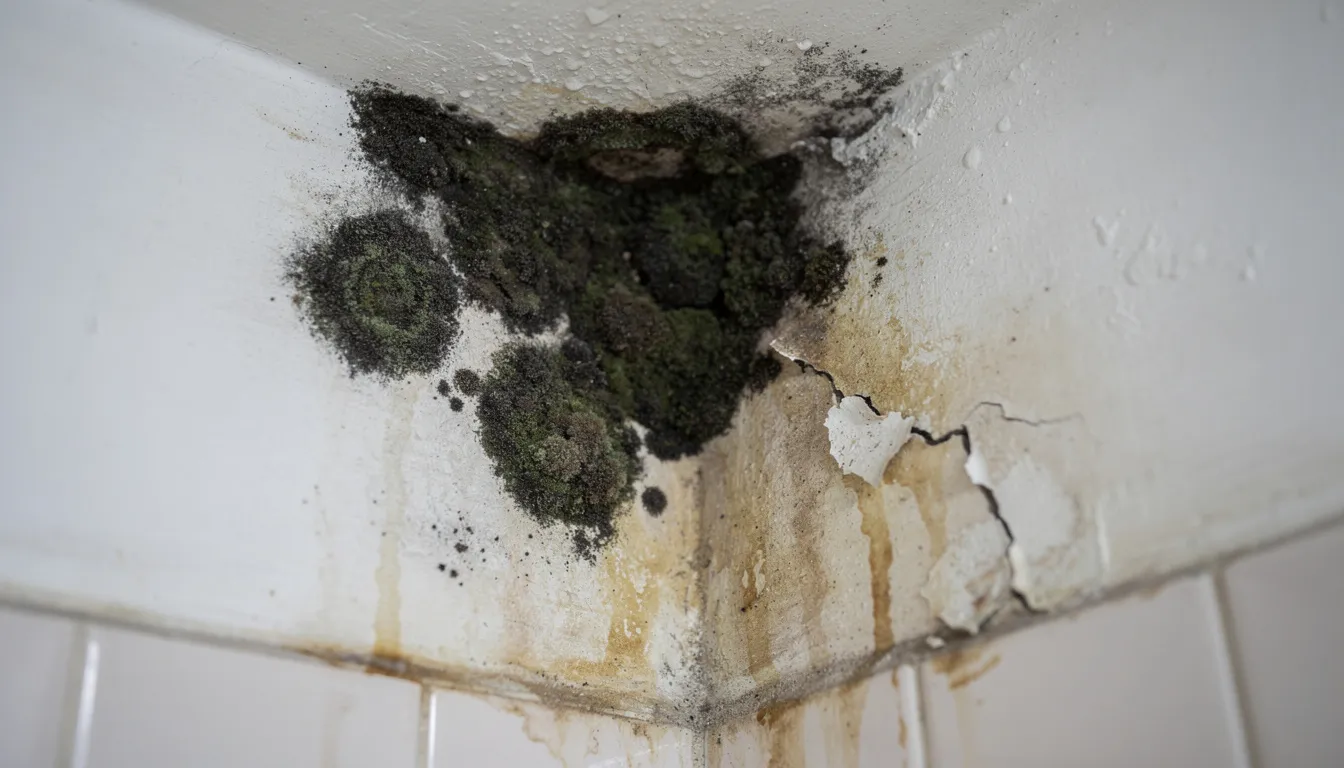
In appearance, black mold typically forms slimy or sooty patches ranging from very dark green to black. Unlike the fuzzy molds you might see on bread, Stachybotrys chartarum often has a wet, almost tarry appearance due to the sticky polysaccharide coating on its spores. You’ll most commonly find it on:
Drywall and gypsum board
Paper-backed insulation
Cardboard boxes
Ceiling tiles
Unfinished wood and wood products
Paper products and wallpaper
For mold growth to occur, Stachybotrys chartarum requires very specific conditions. It needs persistent moisture for 10-12 days to even begin producing spores, relative humidity above approximately 60%, and cellulose-based material to feed on. Common moisture sources include roof leaks, plumbing failures, post-flood damage, and condensation in “thermal bridges” where warm and cold surfaces meet.
Here’s an important reality check: many species of mold can look black. Cladosporium, Alternaria, and other common fungi can appear dark green or black, so “black mold” is really a visual description rather than a precise species diagnosis. Without laboratory testing, you cannot confirm whether dark-colored mold is actually Stachybotrys chartarum.
For most people, indoor mold—regardless of color—acts primarily as an irritant and allergen rather than a uniquely “toxic” substance. That said, all visible mold in your home should be removed promptly, and the underlying moisture problem must be corrected to prevent mold from returning.
Can Black Mold Make You Sick?
Yes, black mold can make people sick. The primary health effects involve triggering allergies, exacerbating asthma, and causing irritation of the eyes, nose, throat, and airways. However, the severity depends heavily on individual sensitivity and the extent of mold exposure.
Common symptoms of mold exposure include:
Stuffy nose and runny nose
Sneezing and coughing
Itchy eyes, watery eyes, and red eyes
Sore throat and throat irritation
Skin irritation or rashes in areas that contact moldy materials
Headaches and fatigue
Molds reproduce by releasing microscopic mold spores into the air, along with microbial volatile organic compounds (mVOCs) that create that characteristic musty smell. Even at relatively low levels, these compounds can irritate the respiratory system and affect people who don’t have specific mold allergies.
People with existing mold allergies, asthma, COPD, or chronic sinusitis typically experience stronger symptoms. These can include wheezing, chest tightness, more frequent asthma attacks, and significant breathing difficulty.
In rare cases, people with severely weakened immune systems—such as those recovering from organ transplants, undergoing chemotherapy, or living with advanced HIV—can develop actual fungal infection from inhaled mold spores. These situations require immediate medical attention.
It’s worth noting that media claims about “toxic black mold” causing extreme symptoms like memory loss, internal bleeding, or systemic poisoning are not supported by strong scientific evidence. The Cleveland Clinic and other expert bodies emphasize that while mold can cause real health problems, severe outcomes remain rare in the general population.
Who Is Most at Risk from Black Mold Exposure?
Anyone can experience irritation from heavy mold exposure, but certain groups face significantly higher health risks. Understanding who is particularly vulnerable helps determine how urgently you need to address a mold problem.
High-risk groups include:
People with known mold or dust allergies: Their immune system already overreacts to mold proteins, leading to more intense allergic reactions
Individuals with asthma or chronic lung diseases: COPD, bronchiectasis, and other respiratory conditions mean the lungs are already compromised
Children under 5 years old: Their lungs and immune systems are still developing, making them more susceptible to respiratory irritants
Older adults: Age-related decline in respiratory and immune function increases vulnerability
Pregnant people: Increased sensitivity to respiratory irritants during pregnancy can amplify symptoms
People with weakened immune systems: This includes those on chemotherapy, long-term steroids, biologic drugs, organ or stem-cell transplant recipients, and people with advanced HIV
These groups may experience symptoms from smaller amounts of mold and can deteriorate more quickly in a moldy environment. A mold problem that causes only minor irritation in a healthy adult could trigger serious respiratory symptoms in a child with asthma or someone with a weakened immune system.
Occupational exposures also matter. Farmers handling moldy hay, construction workers in water-damaged buildings, and others with regular workplace mold contact face higher risks of developing severe respiratory reactions than those with typical household exposure. The International Journal of Environmental Research has documented these occupational patterns extensively.
What Happens If You Breathe in Black Mold?
Breathing in black mold spores can trigger a chain of immune and inflammatory reactions, particularly those in sensitized individuals. Understanding this process helps explain why symptoms can range from mild annoyance to serious respiratory distress.
The allergy mechanism works like this:
First exposure: Your immune system encounters mold proteins and learns to recognize them, producing IgE antibodies
Antibody attachment: These IgE antibodies attach to mast cells located in your eyes, nose, lungs, and skin
Re-exposure: When you breathe in mold spores or fragments again, they bind to the IgE antibodies on mast cells
Histamine release: Mast cells release histamine and other inflammatory chemicals
Symptoms appear: Sneezing, congestion, itching, and swelling occur, often within minutes of exposure
For people without specific mold allergies, heavy exposure can still cause discomfort. The mVOCs that mold produces create that distinctive musty odor and can cause throat irritation, persistent cough, headaches, and a general sense of “stale” or “heavy” air in affected spaces.
Research on damp buildings has shown that chronic exposure correlates with higher rates of:
New-onset asthma, especially in children
Chronic cough and bronchitis
Recurrent sinus infections
Reduced quality of life and increased sick days
In people with very weak immune systems, inhaled spores from various molds—not just “black” molds—can occasionally cause invasive lung infections (mycoses) requiring hospitalization. These cases are rare but serious.
The bottom line: regardless of mold color, persistent breathing of indoor mold should be addressed by removing the mold and correcting the underlying moisture problems.
Black Mold, “Toxic Mold,” and Long-Term Health Concerns
Many molds, including Stachybotrys chartarum, can produce mycotoxins under certain conditions. However, the presence of a toxin-producing mold does not automatically mean everyone exposed will experience poisoning.
It’s important to distinguish between:
Exposure Type | Context | Health Effects |
|---|---|---|
Mycotoxicosis from food | Eating heavily contaminated grains, nuts, or other foods | Documented poisoning, sometimes severe |
Indoor airborne exposure | Breathing air in moldy buildings | Mainly allergic and irritant-related effects |
The concentration of mycotoxins in indoor air is generally much lower than in contaminated food products, which is why the health effects differ significantly.
Addressing common claims:
Cancer and neurological diseases: No strong evidence links indoor black mold to cancer or progressive neurological conditions
Infant pulmonary hemorrhage: Links between black mold and acute idiopathic pulmonary hemorrhage in infants (notably studied after 1990s cases in Cleveland, Ohio) remain controversial and unproven by subsequent research
“Toxic mold syndrome”: This term, describing chronic vague symptoms blamed on mold toxins, is not an officially recognized medical diagnosis; symptoms may stem from stress, poor overall air quality, or other co-exposures
What research does support is that long-term residence in damp, moldy buildings correlates with increased asthma risk, chronic bronchitis, and mood changes including stress, fatigue, anxiety, and depression. However, mold often coexists with dust mites, bacteria, and chemical off-gassing from wet building materials, making it difficult to attribute every symptom solely to mold or mycotoxins.
The evidence-based takeaway: black mold can cause real health issues, but it’s not the mysterious super-poison that sensationalized media coverage sometimes suggests.
Where Black Mold Grows in Homes and Buildings
Black mold thrives in areas that stay damp for days or weeks, particularly after leaks or flooding. Understanding common growth locations helps you know where to look during inspections.
Bathrooms:
Around shower caulk and grout lines
Behind tile backer boards
Under leaky toilets and around toilet bases
Under bath mats left wet on floors
Kitchens:
Under sinks with slow water leaks
Behind and under dishwashers
Under refrigerator drip pans
Around windows with condensation
Basements and crawl spaces:
On foundation walls and corners
On wooden joists and subfloors
In poorly ventilated areas after seepage
Near failed sump pumps
Windows and exterior walls:
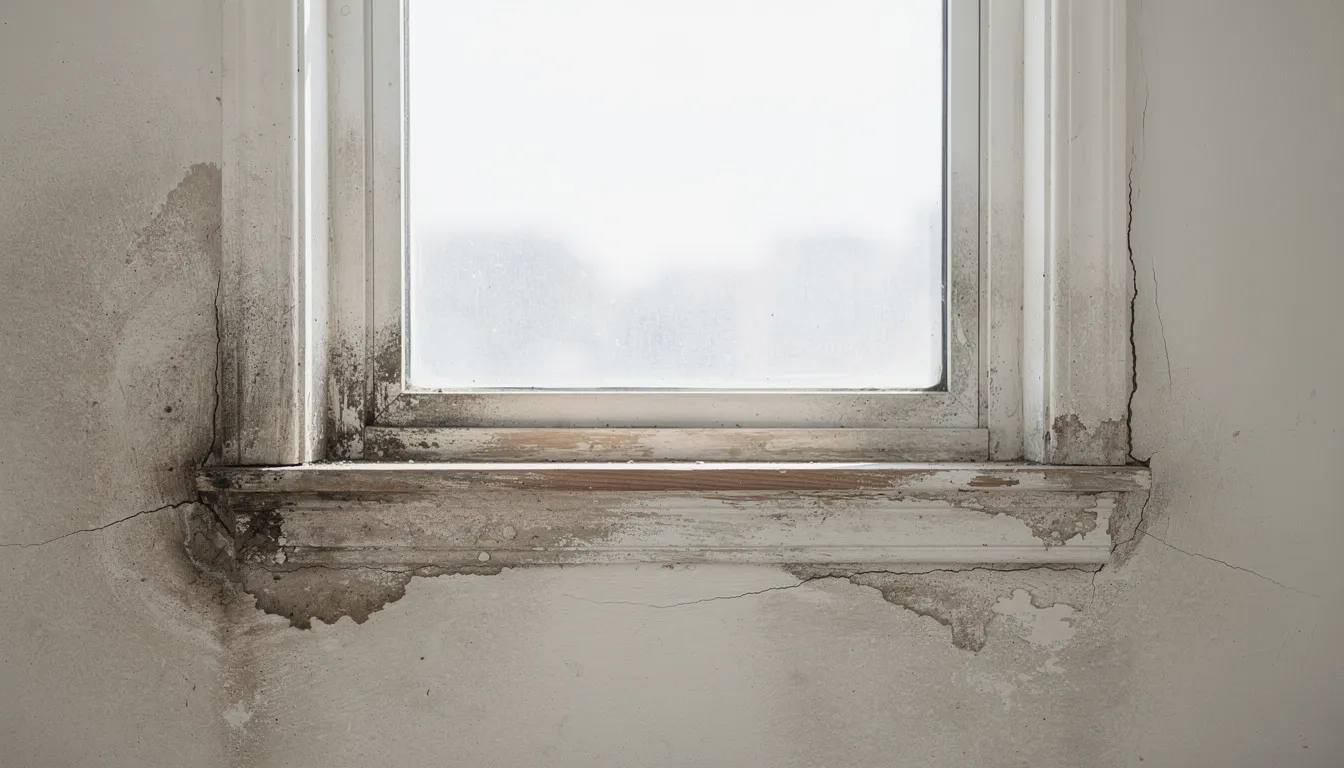
On and around window sills with condensation
Behind poorly sealed window frames
On walls in damp areas behind furniture
Attics:
On roof sheathing below leaking roofs
Around unvented bathroom exhaust fans
Near ice dams (common in cold northern climates)
Along rafters in humid conditions
Post-disaster areas:
Drywall and insulation soaked by storm or flood water
Any materials not properly dried within 24-48 hours
Black mold can also grow completely hidden from view. Watch for these concealed problem areas:
Inside wall cavities with hidden plumbing leaks
Behind vinyl wallpaper and wood paneling
Above suspended ceiling tiles after roof or HVAC condensate leaks
Inside HVAC ducts and drip pans when not properly maintained
Behind baseboards in flooded rooms
A persistent musty smell, even when surfaces look clean, often signals hidden mold and justifies further investigation. If you smell it but can’t see it, the problem may be inside walls, under flooring, or in your air conditioning system.
How to Identify Mold in Your Home
You generally don’t need laboratory testing to take action on mold. Seeing visible mold or detecting a persistent musty smell is sufficient reason to clean up the problem and fix the moisture source.
Visual signs to look for:
Patches or spots that are dark green, black, or very dark brown
Textures ranging from slimy and wet (typical of Stachybotrys on soaked drywall) to dry, powdery, or fuzzy
Growth patterns that expand irregularly from a damp area, such as a leak stain or shower corner
Discoloration on walls, ceilings, or flooring that wasn’t there before
Non-visual clues:
Persistent musty, earthy odor, especially noticeable when first entering a room or opening a closet
Visible condensation or dampness on walls, windows, or flooring
Peeling paint or wallpaper in humid areas
Warped wood or soft spots in drywall
Why mold test kits aren’t recommended:
Consumer mold test kits are generally not worth your time or money for several reasons:
No national standard exists for interpreting results
Most kits will detect molds that are normally present in any indoor or outdoor air
Results don’t tell you where the source is or how to fix it
Time and money are better spent on moisture control and visible cleanup
The exception: if you’re buying a home, involved in a legal dispute, or dealing with a large remediation project, professional testing by a certified inspector may be warranted.
Before starting cleanup or calling professionals, document suspicious areas with photos and notes including location, approximate size in square feet, and how long you’ve noticed the problem. This documentation helps whether you’re doing DIY removal or getting professional quotes.
Health Symptoms of Black Mold Exposure
Understanding the difference between short-term and long-term symptoms helps you recognize when black mold exposure might be affecting your household.
Common short-term symptoms:
Nasal congestion and runny nose
Sneezing, often in clusters
Itchy eyes, red or watery eyes
Cough and throat irritation
Hoarseness
Skin rashes or hives where skin contacts moldy materials
Symptoms in people with asthma or lung disease:
More frequent need for rescue inhalers
Wheezing and audible breathing
Chest tightness and difficulty breathing
Nighttime coughing, especially in damp bedrooms or basements
Reduced exercise tolerance
Long-term exposure effects documented in studies:
Higher risk of developing asthma in children living in damp homes
Chronic sinusitis and persistent stuffy nose
Ongoing cough and bronchitis symptoms
Increased reports of headaches and fatigue
Trouble concentrating
Mood changes including anxiety and depression
Warning signs requiring urgent medical evaluation:
Severe shortness of breath
Chest pain
Bluish lips or fingertips
Coughing up blood or dark phlegm
Fever with new cough in someone who is immunocompromised
Swelling of face, tongue, or throat
Many of these allergy symptoms overlap with seasonal allergies, colds, or other conditions. The key differentiator is that mold-related symptoms typically improve when you leave the affected area and return when you come back—a pattern worth noting for your doctor.
When to See a Doctor About Possible Black Mold Exposure
Many mild mold-related symptoms can improve once exposure is reduced, but medical care becomes important when symptoms persist or become severe. Knowing when to seek help—and what to expect—makes the process more effective.
Schedule a routine appointment when you experience:
Ongoing nasal congestion, cough, or eye irritation lasting more than 2-3 weeks in a damp home
Worsening asthma control or new wheezing, particularly in children and older adults
Recurrent sinus infections or chronic sinus pressure
Persistent fatigue or headaches that improve away from home
Seek same-day or emergency care for:
Severe breathing difficulty, rapid breathing, or inability to speak in full sentences
Swelling of the tongue, lips, or throat, or a sensation of the throat closing
High fever with shortness of breath or chest pain
Signs of anaphylaxis (rare but possible with severe allergies)
What doctors may do:
Take a detailed environmental and symptom history covering home conditions, workplace dampness, and timing of symptoms
Perform physical examination and lung function tests (spirometry or peak flow measurements)
Order allergy testing if mold allergy is suspected—this may include a skin prick test where small amounts of allergens are applied to your skin, or a blood test measuring specific IgE antibodies using a blood sample
Prescribe treatments based on findings
Common treatments include:
Treatment Type | Examples | Purpose |
|---|---|---|
Antihistamines | Over the counter options like cetirizine, loratadine | Block histamine, reduce sneezing and itching |
Nasal corticosteroids | Fluticasone, budesonide sprays | Reduce nasal inflammation and congestion |
Inhalers | Albuterol (rescue), inhaled steroids (maintenance) | Control asthma symptoms |
Allergy shots | Immunotherapy over months/years | Gradually reduce sensitivity to allergens |
Antifungal medications | Prescribed for confirmed fungal infection | Rare; only for actual infections |
When you visit your doctor, mention your mold concerns explicitly. Bring photos of visible mold or notes about conditions at home or work. This context helps them make accurate diagnoses and recommendations.
Can You Stay in a House with Black Mold?
It’s not ideal to remain long-term in a home with active black mold growth, especially in sleeping areas or main living spaces. However, the answer isn’t always straightforward—risk depends on the size and location of the infestation and on the health status of everyone living there.
Factors to consider:
Size of affected area: A few small spots are very different from an entire wall covered in mold
Location: Mold in a bedroom or nursery poses more risk than mold in an unfinished utility room you rarely enter
Vulnerable occupants: Presence of children, elderly family members, pregnant individuals, asthmatics, or anyone with a weakened immune system increases urgency
Containment possibility: Can the moldy area be effectively isolated from living spaces?
General guidance:
Situation | Recommendation |
|---|---|
Small spots under 3×3 feet, being promptly cleaned | Most people can stay with precautions |
Large or widespread visible mold | Consider temporary relocation during remediation |
Hidden mold with strong odors, post-flooding | Temporary relocation recommended, especially for vulnerable individuals |
HVAC system contamination | Relocation until professionally remediated |
If you must stay during cleanup:
Seal off heavily affected rooms with plastic sheeting and painter’s tape
Keep doors to moldy rooms closed
Increase ventilation in occupied spaces
Use HEPA filter air purifiers in bedrooms and living areas
Avoid sleeping or spending long periods in visibly moldy areas
Monitor symptoms closely, especially in children and those with respiratory conditions
Regardless of your circumstances, treat both removal of mold and correction of moisture problems as urgent priorities—not something to address “eventually.”
Can You Remove Black Mold Yourself?
Many homeowners can safely handle small areas of black mold if they use proper protection and fix the moisture source. However, large or complex problems require professional help to ensure complete removal and prevent spreading spores throughout the house.
Size thresholds for decision-making:
Affected Area | Recommendation |
|---|---|
Under 3×3 feet per patch, total under ~10 sq ft | DIY possible with proper precautions |
10-25 square feet | Consider professional help, especially if hidden or in difficult areas |
Over 25 square feet | Professional remediation strongly recommended |
After major flooding or sewage backup | Professional remediation required |
HVAC system, inside walls, insulation | Professional remediation required |
Essential protective gear for DIY cleanup:
NIOSH-approved N-95 respirator (minimum) or half-face respirator with P100 filters
Non-porous gloves (nitrile or rubber; rubber boots for floor work)
Safety goggles without ventilation holes
Long sleeves and pants that can be washed in hot water afterward
Disposable coveralls for larger jobs
Basic steps for small-area cleanup:
Turn off HVAC system to prevent spreading spores
Isolate the area—close doors or hang plastic sheeting
Ventilate to outdoors if possible (window fan blowing out)
Mist the moldy area lightly with water to reduce airborne spores
Remove and bag porous materials that cannot be cleaned (ceiling tiles, carpet, soaked drywall)
Clean hard surfaces with detergent and water, then apply mold-killing solution
Double-bag moldy debris in heavy-duty trash bags
HEPA vacuum the entire area after cleanup
Dry thoroughly with fans and dehumidifiers
Critical warnings:
Never dry brush or sand moldy surfaces without containment and HEPA filtration—this spreads spores throughout your home
Don’t use high-pressure sprayers that drive water and spores deeper into materials
Avoid relying on perfume sprays or ozone generators instead of actual physical removal
Don’t paint or caulk over mold—it will return
What Kills Black Mold Effectively?
Despite marketing claims, nothing kills black mold instantly and makes it disappear. Effective mold removal requires physical cleaning combined with appropriate cleaning agents, followed by thorough drying. The right approach depends on the material you’re cleaning.
Effective options for hard surfaces (tile, glass, metal, sealed countertops):
Product | Application | Contact Time |
|---|---|---|
Commercial EPA-registered mold cleaners | Follow label directions | Per product instructions |
White vinegar (undiluted) | Spray liberally | 30-60 minutes before scrubbing |
3% hydrogen peroxide | Spray until surface is wet | 10+ minutes, allow foaming |
Baking soda paste | Apply after vinegar/peroxide treatment | Works as mild abrasive for staining |
Borax solution (1 cup per gallon water) | Apply with cloth or sprayer | Leaves residue unfavorable to regrowth |
The bleach question:
Many people reach for bleach first, but it has significant limitations:
Can lighten staining and disinfect surface mold
Does not penetrate porous materials like drywall or unfinished wood effectively
Fumes irritate lungs and eyes—work in well-ventilated areas
Never mix bleach with ammonia or acids (including vinegar)—produces toxic gases
If you do mix bleach with water, use about 1 cup bleach per gallon
Critical understanding about porous materials:
Moldy surfaces that are porous—drywall, carpet, ceiling tiles, insulation, paper products—generally cannot be “cured” by surface cleaners. The mold penetrates into the material, and cleaning only addresses what you can see. These materials should be removed and replaced.
For effective results, remember:
Physical removal matters more than which cleaner you choose
Disinfection must be combined with thorough drying
Without fixing the moisture source, mold regrows regardless of cleaning method
The affected area needs humidity control after cleaning to prevent mold growth from recurring
Step-by-Step Black Mold Remediation
Effective remediation combines three essential elements: safety precautions, physical removal of moldy materials, and long-term moisture control. Skip any of these, and the problem returns.
Step 1: Assess the situation Document the size and location of visible mold. Note moisture sources—active leaks, condensation patterns, flooding history. Determine if this is a DIY job or requires professionals based on size thresholds discussed earlier.
Step 2: Fix the water problem first Repair plumbing leaks, roof damage, or failed window seals. If dealing with recent water damage, dry wet materials within 24-48 hours. Running dehumidifiers and fans before fixing the source wastes time and energy.
Step 3: Protect yourself Put on your respirator, gloves, goggles, and protective clothing before disturbing any moldy material. This isn’t optional—mold spores become airborne the moment you start working.
Step 4: Contain the area Seal the affected area using plastic sheeting and painter’s tape over doors, vents, and openings. If possible, create slight negative pressure by placing an exhaust fan in a window blowing outward. This prevents spores from spreading to clean areas of your home.
Step 5: Remove porous contaminated materials Cut out and remove moldy drywall, carpet, insulation, and ceiling tiles. Cut at least 12-24 inches beyond visible mold growth. Immediately bag materials in heavy-duty plastic bags.
Step 6: Clean remaining hard surfaces Scrub non-porous surfaces with detergent and water to remove mold physically. Then apply your chosen mold-killing solution and allow proper contact time. Scrub again and wipe clean.
Step 7: HEPA vacuum After all wet cleaning has dried, use a vacuum with a HEPA filter to capture settled spores on floors, walls, and nearby surfaces. Regular vacuums can spread spores rather than contain them.
Step 8: Dry completely Run fans and dehumidifiers until materials reach normal moisture levels (use a moisture meter to verify). Keep indoor humidity below 50% during this process. This step prevents immediate regrowth.
Post-remediation verification:
Inspect visually for any remaining staining or fuzzy growth
Monitor for musty odors over the following 2-3 weeks
Check the humidity level in the area regularly
For large or complicated projects, consider professional clearance testing
When to Call Professional Mold Remediators
Some situations are simply unsafe or impractical for DIY work. Recognizing when to call for professional help protects both your health and your home.
Scenarios requiring professional remediation:
Visible mold covering more than approximately 10 square feet, or affecting multiple rooms
Any mold growth following major flooding, sewage backup, or long-term roof leaks
Mold in your air conditioner, HVAC ductwork, or inside air handlers
Structural damage to wood framing or subfloors from long-term moisture
Mold in wall cavities or other concealed spaces requiring demolition
Households with occupants who have severe asthma, significant immunosuppression, or history of serious mold-related illness
When you’ve attempted DIY cleanup and mold keeps returning
What professionals typically provide:
Detailed inspection using moisture meters and thermal imaging cameras
Proper containment with negative air machines and HEPA filtration
Systematic removal and disposal following industry standards (such as IICRC S520 guidelines)
Antimicrobial treatment of structural materials that will remain
Post-remediation cleaning and optional clearance testing
Documentation useful for insurance claims
Cost considerations:
Professional mold remediation costs vary widely based on:
Total affected area
Location and accessibility of mold
Materials requiring removal
Local labor rates
Necessary reconstruction after removal
Delaying remediation typically increases both costs and health risks. Water damage left untreated for long periods leads to structural damage that compounds remediation expenses significantly.
Preventing Black Mold in Your Home
Prevention centers on moisture control, ventilation, and routine inspection—approaches that are more effective and far cheaper than repeated cleanup efforts. Mold cannot grow without moisture, so eliminating water sources eliminates the problem.
Core prevention strategies:
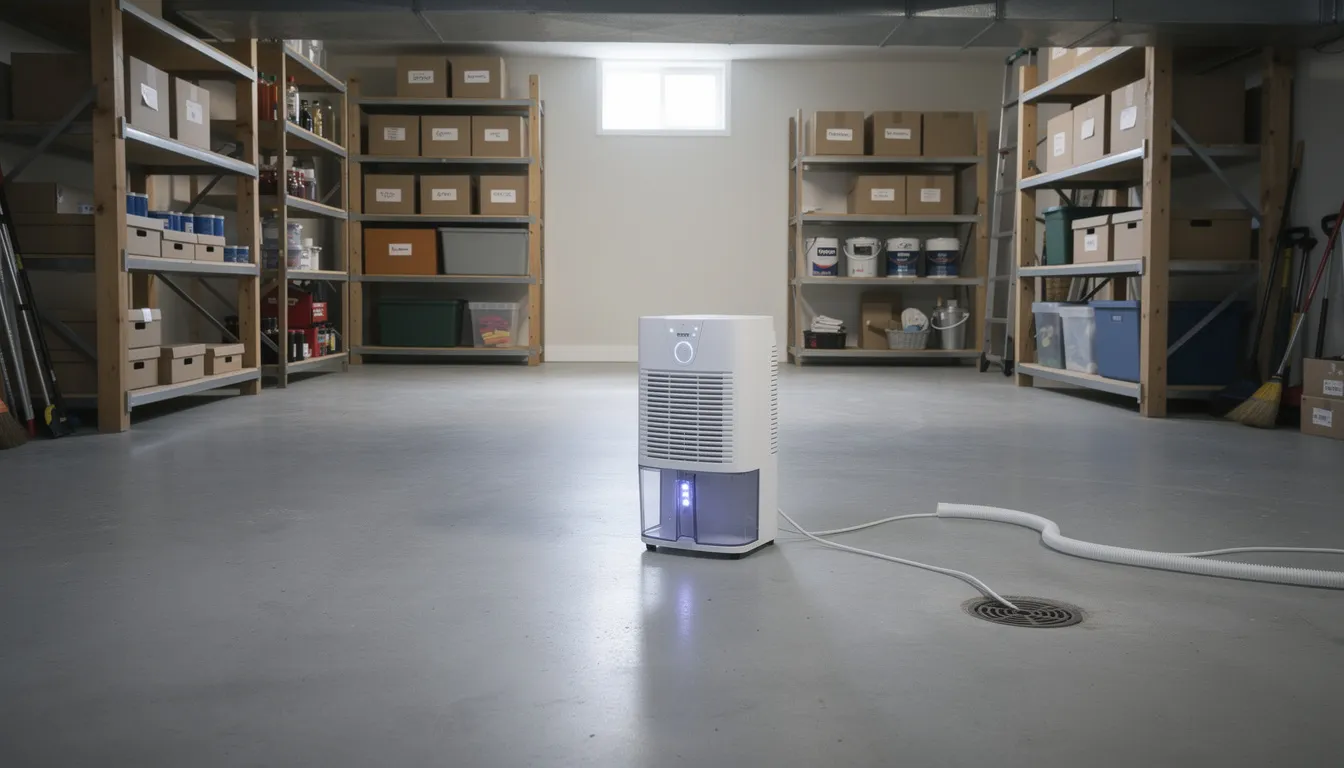
Keep indoor humidity between 30% and 50% using dehumidifiers in damp areas; monitor with inexpensive hygrometers
Fix water leaks within 24-48 hours—don’t ignore “slow drips” or small stains
Dry wet building materials (carpets, drywall, subfloors) immediately after any water intrusion; discard what can’t be fully dried
Use exhaust fans vented to outdoors in bathrooms and kitchens during and after showers and cooking
Open windows when weather permits to improve air circulation
Keep furniture several inches away from exterior walls in damp areas
Direct rainwater away from your foundation with properly functioning gutters, downspouts, and appropriate soil grading
Daily and weekly habits:
Wipe down shower walls and curtains after use in high-humidity households
Run the bathroom exhaust fan for 20-30 minutes after showering
Empty and clean air conditioner drip pans and dehumidifier reservoirs regularly
Check under sinks monthly for signs of leaks or moisture
Storage practices:
Avoid storing cardboard boxes directly on concrete basement floors—use shelving and plastic bins
Keep clothing and bedding in sealed containers in damp areas
Don’t store paper products in basements, attics, or garages prone to humidity swings
Routine inspections (at least twice yearly):
Check attics for roof leaks, especially after storms
Inspect basements and crawl spaces for water intrusion
Look behind appliances (refrigerators, washers, dishwashers) for hidden leaks
Examine window frames and exterior walls for condensation patterns
Review HVAC systems, including drip pans and ductwork connections
Following these tips consistently prevents the conditions that allow mold to establish itself. An ounce of prevention truly equals a pound of cure when it comes to mold.
Key Takeaways About Black Mold
Black mold is primarily a sign of chronic moisture problems and poor indoor conditions—not a uniquely mysterious poison. Understanding what you’re actually dealing with helps you respond appropriately.
Essential points to remember:
“Black mold” usually refers to Stachybotrys chartarum, but many mold species can appear dark; color alone doesn’t determine danger
Health effects are mainly mold allergies, asthma flare-ups, and respiratory irritation; serious infections occur mainly in people with severely weakened immune systems
Claims of “toxic mold syndrome” causing memory loss, cancer, or neurological disease lack strong scientific support
Any visible or smelly mold indoors should be removed promptly, regardless of color, and the underlying moisture source must be corrected
Small areas (under ~10 square feet) can often be cleaned safely with proper protective equipment; larger or complex problems warrant professional remediation
Prevention through humidity control, prompt leak repair, and regular inspection is far more effective than repeated cleanup
Your action items:
Inspect high-risk areas of your home this week—bathrooms, under sinks, basement corners, around windows
Fix any existing leaks immediately, even “minor” ones
Check your indoor humidity and invest in a dehumidifier if levels regularly exceed 50%
If you find mold, document it, assess the size, and either address it yourself (if small) or get professional quotes (if large or hidden)
If anyone in your household experiences persistent respiratory symptoms that improve away from home, see a healthcare provider and mention your mold concerns
Black mold can cause real health problems that affect people across all ages and backgrounds. But with accurate information and prompt action, it’s a solvable problem—not a reason for panic. Address the moisture, remove the mold, and maintain conditions that prevent its return.


Latest news