Mold testing and removal cost: 2026 homeowners guide

Mold Testing and Removal Cost: 2026 Homeowner’s Guide
Finding mold in your home triggers an immediate question: how much is this going to cost me? The answer depends on whether you need testing, remediation, or both—and how far the problem has spread. This guide breaks down the real numbers for mold inspection, mold testing, and mold removal in 2026, so you can budget accurately and avoid overpaying.
Quick Answer: Typical Mold Testing & Removal Costs in 2026
Here’s the at-a-glance cost overview for U.S. homeowners dealing with mold problems in 2026. These figures reflect current national averages and typical
The rest of this article breaks down what drives those costs, when to test, and how to avoid overpaying for services you may not need.
What Is Mold and Why It’s So Expensive to Deal With
Common Sources of Mold
Mold is a common indoor fungus that thrives wherever persistent moisture meets organic materials like drywall, wood, or carpet. The reason mold testing and removal cost runs so high isn’t the mold itself—it’s that mold often hides inside structural components, requiring demolition, containment, and rebuilding to fully address.
Mold spores exist indoors and outdoors year-round across the U.S. “Zero mold” is impossible; remediation targets safe levels, not total eradication.
Typical problem sources include seasonal events and everyday household issues. The 2024–2025 winter ice d i ams across northern states drove water into countless attics. Gulf Coast storms in 2025 left thousands of homes with flood damage. But you don’t need a natural disaster—slow plumbing leaks behind kitchen walls, poorly vented bathrooms with high humidity, and condensation around window sills create ideal conditions for mold growth.
Health Risks of Mold
Mold damages more than surfaces. Once established, it can deteriorate drywall, framing, insulation, and subfloors. This means mold removal cost often includes both cleaning and material replacement, pushing projects from hundreds into thousands of dollars.
The health risks add urgency and cost. Mold contamination triggers or worsens:
Respiratory issues and aggravated asthma
Chronic coughing and sinus problems
Allergic reactions including skin irritation
Serious health issues for infants, older adults, and immunocompromised individuals
Prolonged exposure to certain mold types has been linked to more severe cases including neurological symptoms and, in rare instances, lung bleeding. These serious health risks explain why homeowners—and their insurers—take mold problems seriously.
Mold Inspection vs. Mold Testing vs. Removal
Before diving into the cost structure, it’s important to understand the differences between mold inspection, mold testing, and mold remediation:
Mold inspection: A mold inspection is a visual examination of a property to identify the presence of mold and assess the extent of the problem. A mold inspection does not typically include mold cleaning and removal, which is usually handled by a separate mold remediation company.
Mold testing: Mold testing involves taking air and surface samples to determine the type of mold and the concentration of spores present in the environment.
Mold remediation: Mold remediation refers to the actual process of cleaning, removing, and repairing areas affected by mold, typically performed by a specialized remediation company.
Each step—inspection, testing, and removal—has its own cost structure and purpose. Understanding the differences helps you avoid paying for services you don’t need.
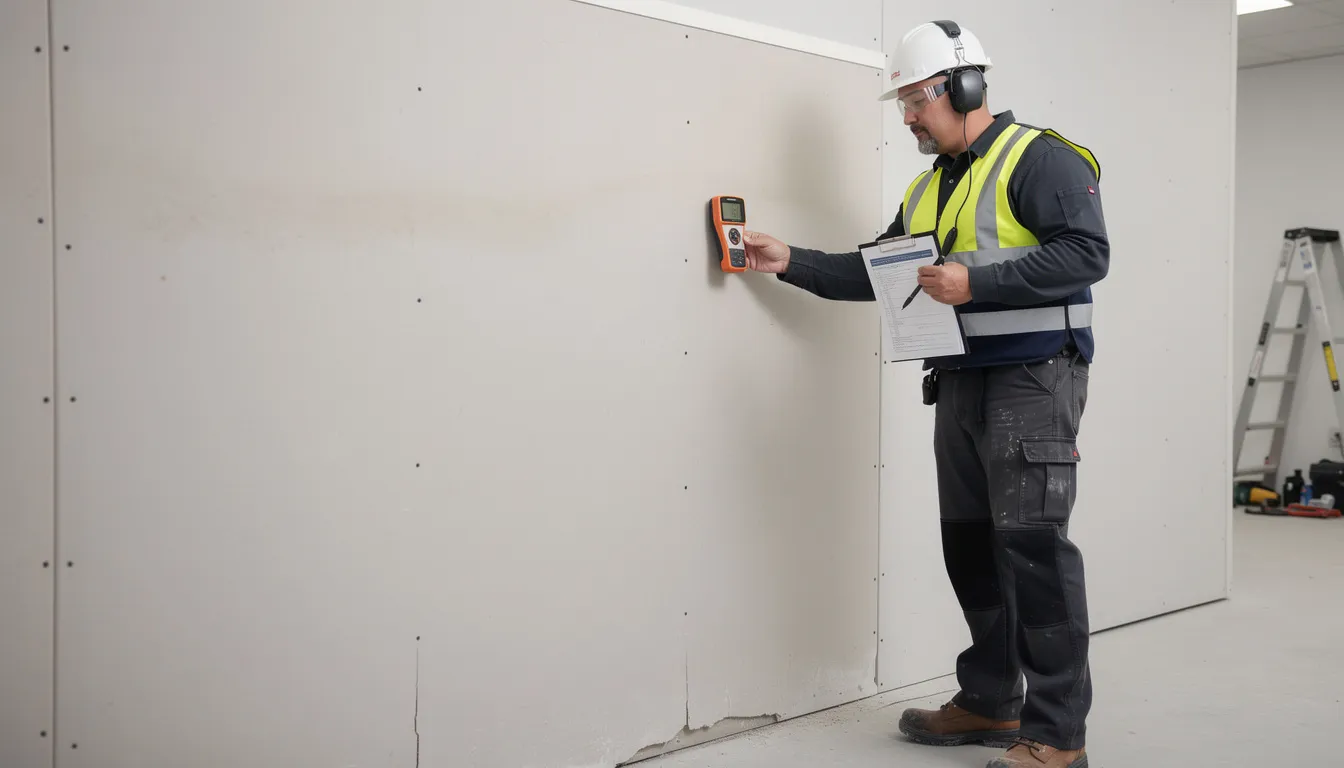
Mold inspection is a visual and moisture-focused assessment to confirm whether a mold problem likely exists, where it is, and how extensive it might be. A professional mold inspector walks through your home using moisture meters, thermal cameras, and visual inspection techniques. This is typically priced as a flat visit fee ranging from $300 to $900.
Mold testing involves collecting air samples and/or surface samples that get sent to a laboratory for analysis. Lab testing identifies specific mold types and spore concentrations. For a deeper look at how professional mold testing and inspectionwork and what influences pricing, you can review a dedicated guide. This typically adds $250–$700 onto the inspection cost, depending on sample count and whether rush processing is needed.
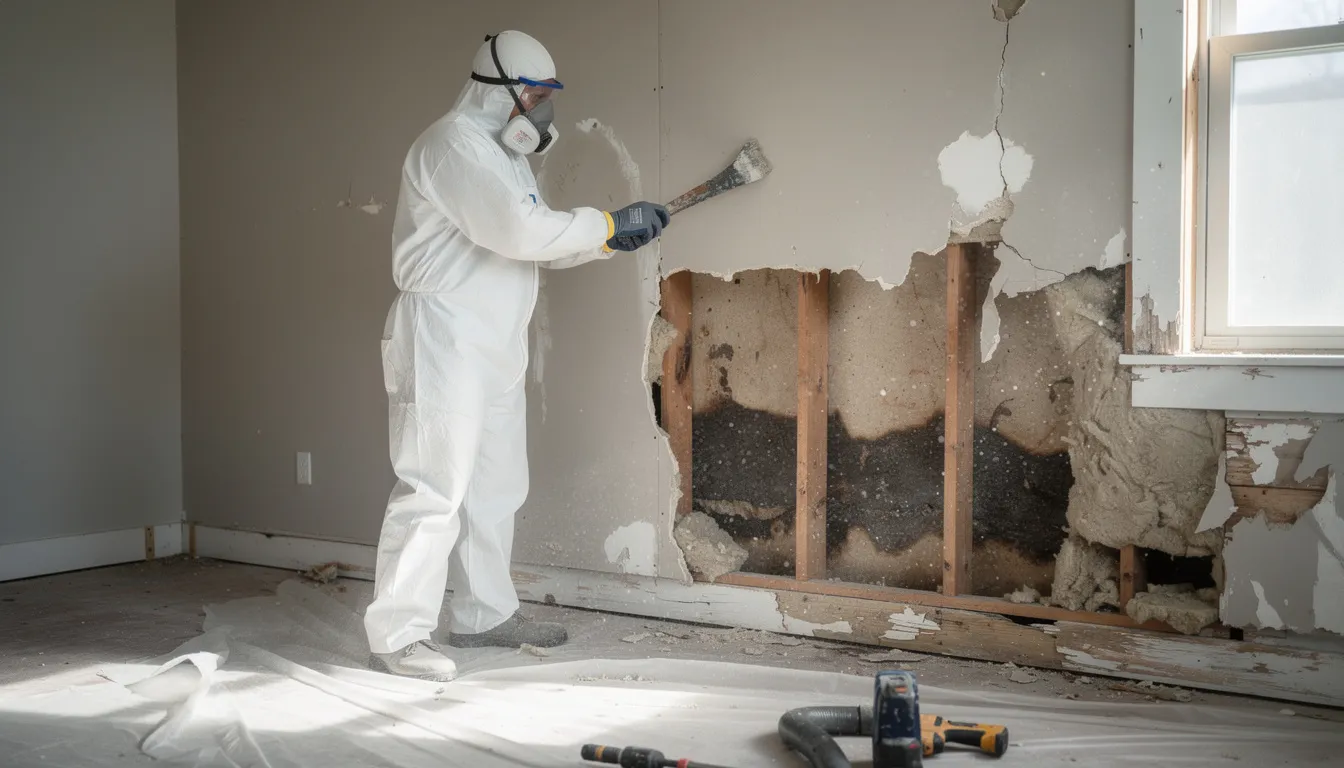
Mold remediation (removal) is the actual cleanup, containment, and repair work. This is usually charged per square foot and heavily influenced by material replacement costs. A professional mold remediation company handles containment setup, removal of contaminated materials, HEPA filtration, antimicrobial treatment, and drying.
Visible mold under about 10 sq ft (per EPA guidelines) may not require paid lab testing, which can save hundreds of dollars if the mold problem is straightforward.
To avoid conflicts of interest, many homeowners prefer independent mold inspectors who don’t also sell remediation services. That said, some professional mold remediation firms offer free or low-cost inspections as part of bundled services—just be aware of the potential for upselling.
What Happens During a Professional Mold Inspection and Test
Inspection Process
A standard mold inspection takes 1–3 hours for an average single-family home and may extend to 4–6 hours for larger properties, multi-story layouts, or homes with extensive crawl spaces and attics.
The typical inspection process includes:
History review: The inspector asks about past leaks, roof issues, floods, and water damage. A 2023 basement flood or 2025 roof leak becomes relevant context.
Exterior check: Examination of roof condition, gutters, grading around the foundation, foundation walls for cracks, and areas around windows and doors where water intrusion commonly occurs.
Interior visual check: Focus areas include bathrooms, kitchens, basements, laundry rooms, around HVAC system components, under sinks, and behind or around appliances where hidden mold often develops.
Inspection Tools
Tools that influence inspection cost:
Professional mold inspectors use specialized equipment that justifies pricing at the higher end of the range:
Moisture meters to detect water in walls and floors
Infrared cameras to identify temperature differences indicating moisture
Hygrometers to measure ambient humidity levels
Borescopes for viewing inside wall cavities without major demolition
Sample Collection Options
Sample collection options with cost expectations:
Surface swabs or tape lifts: Collected from suspicious spots; typically $50–$100 per sample with a 2–3 sample minimum
Air samples: Captured indoors plus a mandatory outdoor control sample; usually $75–$150+ each, with 2–5 samples typical for a standard home
HVAC samples: Optional sampling from supply vents when the air conditioning or heating system is suspected of contamination
The inspector’s detailed report should outline where moisture was found, conditions conducive to mold growth, lab analysis results (if testing was performed), and a general remediation plan with rough cost estimates.
Inspection fees in 2026 typically don’t include any physical demolition. Invasive investigation—removing drywall, lifting flooring to check subfloor conditions—gets billed separately or referred to a remediation contractor.
Cost of Mold Testing in 2026
“Mold testing cost” refers specifically to sample testing collection plus lab fees, usually charged in addition to the inspector’s base visit.
High-level testing cost ranges:
Basic surface-only testing: Roughly $150–$350 for a small number of mold samples
Combined air + surface testing for a typical 3-bedroom home: Commonly $350–$800
Large homes (4,000+ sq ft) or multi-unit buildings: Can reach $1,000–$1,500+ with extensive sampling
How labs typically bill:
Per-sample fee for identification (approximately $40–$80 per specimen)
Rush processing surcharges when 24-hour turnaround is needed—common during real estate deadlines or post-flood situations
DIY testing kits:
Retail kits costing $10–$150 exist, but they have major limitations. They sample tiny areas, provide no professional interpretation, and risk giving you false security (missing a real problem) or unnecessary panic (detecting normal background spore levels). Professional testing provides accurate assessment with actionable context.
When paid testing is worth the investment:
Unexplained health symptoms but no visible mold
Real estate transactions, especially properties built before 1990 or with known water history
Legal or insurance disputes requiring documented lab reports
Post-remediation clearance to verify the job was completed successfully
For straightforward visible mold situations, you may skip extensive lab testing and move directly to remediation, saving several hundred dollars.
What Drives Mold Removal (Remediation) Costs
Mold removal cost varies more dramatically than inspection costs because it depends entirely on how far mold spreads into building materials—and how much of those materials need replacement.
Typical national price points: For additional perspective on the average price of mold remediation and what drives those costs, compare these ranges with other national data.
Common range: $1,150–$3,800 for standard single-family home projects
Per square foot: Roughly $10–$30/sq ft of affected area, with higher prices for difficult locations or toxic mold
Extreme cases: Whole-house or structural repairs can exceed $15,000–$25,000 when framing, subfloors, or large drywall sections require replacement
Major cost drivers: Mold projects share many of the same safety, containment, and PPE considerations seen in professional biohazard cleanup, which is one reason labor can be a significant portion of your total bill.
Factor | Impact on Cost |
|---|---|
Size of contaminated area | 20 sq ft bathroom ceiling vs. 500 sq ft finished basement—massive price difference |
Location and accessibility | Attics, crawl spaces, behind tile, inside air ducts require more labor |
Type of materials affected | Porous surfaces like carpet and drywall cost more than hard surfaces like concrete or tile |
Type of mold suspected | Routine species vs. black mold (Stachybotrys) or Chaetomium |
Severity of water damage | Determines whether structural repairs compound the remediation costs |
What proper remediation includes:
The remediation process involves several billable steps beyond simple cleaning:
Containment setup (plastic sheeting, negative air machines)
Personal protective equipment for workers
Removal of contaminated materials
HEPA vacuuming of surfaces
Antimicrobial/biocide application
Drying and dehumidification
Often post-remediation testing for clearance
Each step adds labor and materials, explaining why remediation efforts for even moderate mold problems rarely cost less than $1,000.
Mold Removal Cost by Location in the Home
Where mold appears in your house significantly influences both labor intensity and total cost. Some areas present access challenges; others require demolition of finished surfaces.
Bathroom
Typical range: $500–$2,000
Bathroom mold commonly affects tile grout, caulking, and drywall behind showers. Simple surface mold on hard surfaces costs less. When tile or tub surrounds must be removed to access mold damage behind walls, costs climb quickly. Poor ventilation in bathrooms creates conditions where mold grows repeatedly without upgrades.
Basement or Foundation Walls
Typical range: $1,500–$6,000+
Basements combine moisture persistence with large surface areas. A 1960s ranch with a 400 sq ft finished basement from 1985—paneled walls, carpet over concrete—can easily require $4,000–$8,000 in remediation when mold spreads behind wall coverings. Addressing moisture source issues (foundation seepage, leaking pipes) often adds to total cost.
Attic
Typical range: $1,000–$4,000
Attic mold typically stems from roof leaks or poor ventilation pushing humid air upward. A 2-story home in a humid state where a 2025 roof leak caused mold across several rafters might face $2,500–$4,000 when insulation replacement is extensive. Access challenges increase labor costs.
Crawl Spaces
Typical range: $1,000–$5,000
Crawl space remediation often includes encapsulation and vapor barrier installation to prevent mold recurrence. The confined space increases labor intensity. Without addressing ground moisture, chance mold returns runs high—studies suggest 40% re-infestation rates when underlying moisture problems go unresolved.
HVAC and Air Ducts
Resources that explain mold and mildew in more detail—including black mold health risks, EPA-aligned removal techniques, and real-world remediation examples—can give useful context alongside the costs discussed here; one such resource is a comprehensive news and blog on mold and mildew.
Typical range: $500–$2,500 for cleaning and disinfection
When mold contamination reaches your HVAC system, spores distribute throughout the house every time the system runs. Full air duct cleaning with antimicrobial treatment typically costs $1,500–$5,000 depending on system complexity. For homes in North Atlanta, specialized professional odor removal services for mold and other sources may also be needed when contamination affects air quality. AC units and furnaces with internal contamination can push costs to $6,000–$10,000.
Whole-House Remediation
When mold spreads through multiple rooms or levels, working with an experienced 24/7 emergency mold remediation and biohazard cleanup company in Atlanta can help manage both scope and cost on complex projects.
Typical range: $8,000–$20,000+
Multiple rooms with visible mold, often following major flooding or a broken pipe left unaddressed, require comprehensive remediation. These projects typically involve containment of large areas, immediate removal of extensive materials, and significant reconstruction afterward.
These ranges cover remediation only. Separate specialists (roofers, plumbers, general contractors) may add substantially to your total cost when underlying issues need repair.
Cost by Mold Type: Is Black Mold More Expensive?
While remediation techniques remain similar across many mold types, suspected toxic mold drives up testing frequency, containment requirements, and PPE protocols—and therefore cost.
Black Mold (Stachybotrys chartarum)
Black mold is most associated with long-term moisture problems: chronic roof leaks, saturated drywall from slow plumbing failures, or flood damage left unaddressed. Testing and remediation typically cost 20–50% more than standard mold jobs because of:
Stricter containment with full plastic barriers
Negative air machines running continuously
Full hazmat protocols for workers
Special waste handling and disposal
Additional post-remediation clearance testing
A job that might cost $2,500 for routine mold could run $3,500–$4,000 when black mold is confirmed.
Other Notable Species
Chaetomium: Common in water-damaged drywall and carpets after serious leaks; often treated similarly to Stachybotrys due to health concerns
Aspergillus and Penicillium: Frequently found in HVAC systems and household dust; may prompt full duct cleaning when detected
Ulocladium and Alternaria: Appear in very wet or previously flooded areas like basements and around window sills
The practical takeaway: You don’t need to identify species yourself. Costs mainly escalate when the inspector or lab analysis flags a mold as toxigenic, or when occupants report significant typical symptoms like persistent respiratory issues, chronic coughing, or allergic reactions.
In many visible mold cases, professionals will remediate based on extent and location without expensive species-level testing—which can be a cost-saving choice when the remediation plan wouldn’t change regardless of the specific mold type.
Hidden and “Add-On” Costs Homeowners Should Expect
The initial mold quote often doesn’t include all related expenses. Repairs and moisture control upgrades frequently add 50–100% to your total project cost.
Common additional costs:
Add-On Category | Typical Range |
|---|---|
Structural repairs (drywall, trim, subflooring, framing) | $500–$5,000+ |
Plumbing fixes or roof repairs that caused the mold | $200–$2,500+ |
Air duct cleaning if spores spread through HVAC | $300–$1,000 |
Post-remediation testing/clearance | $200–$500 |
Temporary relocation (hotel, storage, pet boarding) | Varies widely |
A significant investment in remediation can be undermined if the moisture source—high humidity, leaking pipes, foundation seepage—isn’t corrected. Budget for source repairs alongside mold work. |
|
Watch out for “free inspection” offers that aggressively push high-priced remediation. Some companies use free inspections as sales tools for inflated quotes. Get at least two independent estimates before committing. |
|
Request detailed, written scopes of work before signing any contract. Clear documentation of what’s included—and what’s explicitly excluded—helps prevent surprise add-ons later.
When You Really Need Mold Testing or Removal
Timing affects both cost and damage severity. Catching mold in its early stages is almost always cheaper than addressing a problem that’s spread through walls, flooring, and HVAC systems.
Schedule a professional mold inspection and likely remediation when:
A flood, burst pipe, or roof leak has persisted more than 24–48 hours
You’re closing on a home built before 2000 with history of leaks, foundation cracks, or past water damage
Occupants have ongoing respiratory symptoms, headaches, or skin irritation with no clear medical cause—especially if musty odors are present
Spreading discoloration appears on walls, ceilings, or baseboards, particularly when materials feel soft or swollen
Lab testing (beyond visual inspection) is particularly useful when:
Significant odor or health issues exist but no visible mold is apparent
Documentation is needed for landlord-tenant disputes, workplace claims, or homeowners insurance cases
A physician has requested environmental evaluation for a sensitive patient
For very small, obvious spots—like a 2 sq ft patch on a bathroom ceiling after a one-time condensation issue—full professional mold remediation may not be necessary. Simple cleaning with proper safety precautions and improved ventilation might suffice.
The critical rule: Act within days, not months, after water incidents. Mold issues compound rapidly; what starts as surface mold becomes structural mold damage within weeks. Early response keeps remediation costs low and limits the need for structural repairs.
DIY vs. Professional Mold Work: Cost and Safety
Doing some mold work yourself can save money, but the EPA recommends specific limits. Going beyond those limits risks spreading the problem and increasing your eventual professional mold remediation costs.
When DIY Is Appropriate
Small areas under about 10 sq ft on hard, non-porous surfaces (tile grout, bathtub caulk, small window frames)
When the moisture source is already fixed and the area is easily accessible
Surface mold that hasn’t penetrated into wall cavities or porous materials
DIY cost expectations: Cleaning supplies, N95 masks, disposable gloves, goggles, plastic sheeting, and a small HEPA filter unit typically total under $200.
When to Hire Professionals
Professional remediation is strongly recommended despite higher cost when:
Visible mold exceeds 10 sq ft or affects multiple rooms
Mold appears in HVAC systems, crawl spaces, attics, or inside walls
Black mold or other toxic mold is suspected
Occupants experience serious health risks or symptoms
Mold recurs shortly after previous DIY cleanups
Improper DIY work can spread mold spores throughout your home, contaminate belongings, and make eventual professional remediation more expensive. Cutting into moldy drywall without containment, for example, can distribute millions of spores into your living space.
Rule of thumb: DIY for small, simple, non-recurring spots on hard surfaces. Hire professionals for anything larger, hidden, or medically concerning. The home inspector or initial mold inspector can help you determine which category your situation falls into.

Insurance, Financing, and Ways to Save on Mold Costs
Most homeowners insurance policies only cover mold when it results from a sudden, covered event—like a broken pipe or storm damage—not from long-term neglect, high humidity, or poor ventilation.
Working with Insurance
Review your policy language for mold limits and exclusions (many cap coverage at $10,000–$25,000)
Ask your insurer whether testing and clearance reports are reimbursable for your specific claim
Document damage thoroughly with photos, dates, and invoices to support any claim
Note that gradual water damage or maintenance failures typically aren’t covered
Practical Cost-Saving Strategies
Catch mold early with periodic checks of basements, attics, and around plumbing
Fix leaks and moisture sources first—prevent mold rather than pay for repeated remediation
Get at least 2–3 written estimates from certified mold specialists
Only order lab testing when it will change the remediation plan or when documentation is required
Consider bundling water damage restoration and mold remediation with one reputable firm for package pricing
Skip species-level testing for obvious surface mold when your remediation plan wouldn’t change
Some remediation companies offer payment plans or work with third-party financing, which can spread large expenses over 6–24 months. Ask about options before committing to any contractor. If you’re also dealing with smoke damage or other biohazard situations, a 24/7 emergency biohazard cleanup service in Atlanta may be involved, and you may want to budget separately for professional cigarette smoke removal house cost, since odor remediation is a distinct service from mold work.
Prevention and early response remain your biggest money-savers. A $300 inspection after a minor leak is far cheaper than $8,000 remediation after six months of hidden mold growth.
Preventing Future Mold Growth (and Future Bills)
Every dollar spent on prevention is multiple dollars saved on future mold inspection cost, testing, and remediation. These low-cost measures dramatically reduce your risk.
Practical prevention steps:
Keep indoor humidity below 50% using exhaust fans and dehumidifiers in basements and bathrooms
Use properly vented range hoods and bathroom fans that exhaust outdoors, not into attics
Promptly repair roof leaks, plumbing leaks, and foundation seepage—don’t delay “small drips”
Improve grading and gutters to direct water away from foundation walls
Regularly check under sinks, around windows, kitchen walls, and behind appliances for condensation or staining
Address any broken pipe immediately; even 24 hours of water exposure starts the mold clock
When to schedule professional checks:
Annually for homes with previous mold problems
After major storms, hurricanes, or any significant water event
Before finishing a basement or attic space in a commercial or mixed-use building, consider engaging professional commercial cleaning and disinfection services to start with a clean, dry envelope
When musty odors appear without visible cause in schools or educational facilities, administrators may also coordinate with specialized education building cleaning services to address underlying moisture and hygiene issues
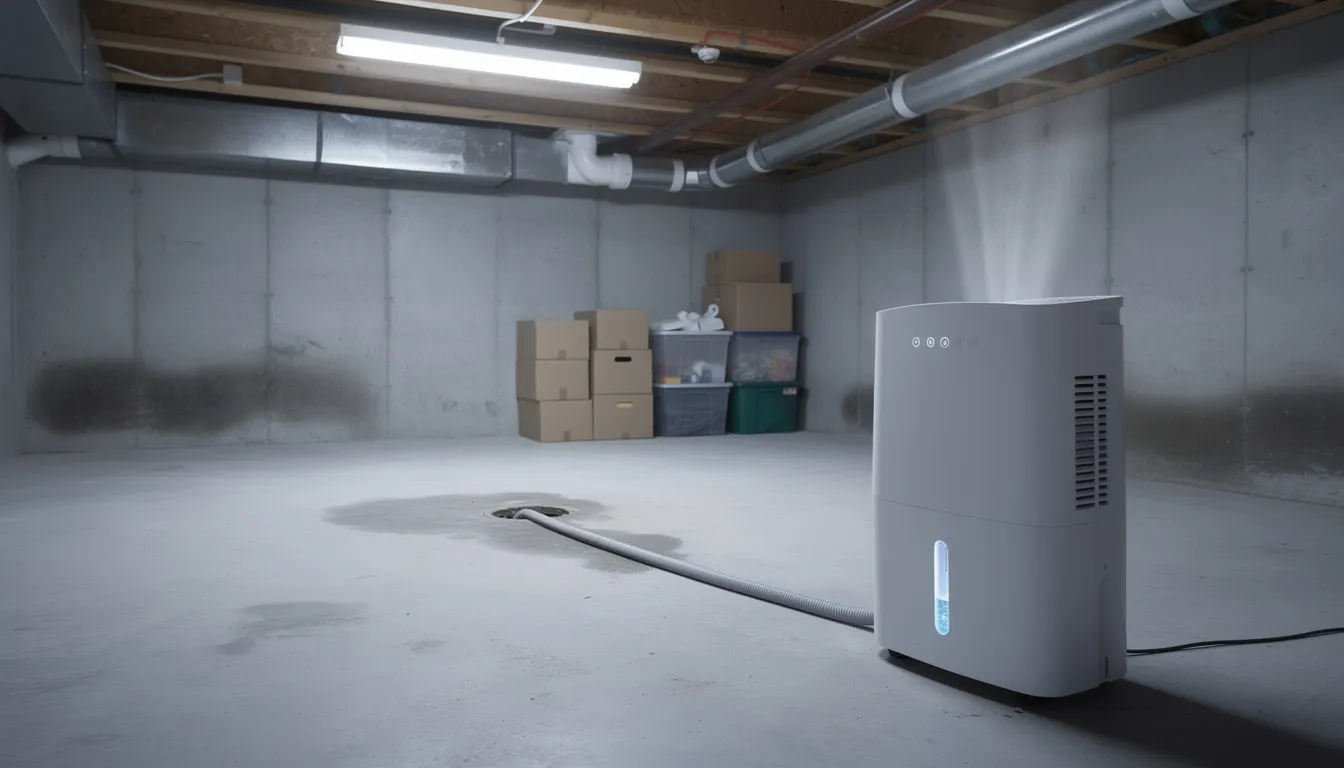
Prevention isn’t complicated—it’s mostly about controlling moisture and responding quickly when water appears where it shouldn’t. The homeowners who avoid big remediation bills are the ones who check their high-risk areas regularly and fix small problems before they become big ones.
Summary: Planning for Mold Testing and Removal Costs
Understanding mold testing and removal cost helps you budget appropriately and make smart decisions when problems arise.
Key cost ranges to remember:
Inspection and testing together: typically $500–$1,200 for most homes
Remediation: commonly $1,150–$3,800, with severe cases running $10,000–$25,000+
Extra repairs and moisture control: can add thousands more depending on damage extent
Critical decision points:
When to test vs. remediate directly: If mold is visible and the scope is clear, you may skip extensive lab testing. Test when hidden mold is suspected or documentation is needed.
When DIY makes sense: Small spots under 10 sq ft on hard surfaces with a known, fixed moisture source. Everything else warrants professional assessment.
How early action pays off: Responding within days of water damage—rather than weeks or months—typically cuts remediation costs by 50% or more and preserves both home value and occupant health.
Your mold response plan:
Know a trusted mold inspector and remediation contractor before you need one. Maintain good moisture control year-round. Budget a contingency fund for unexpected water or mold events—because in homeownership, it’s rarely a question of if water problems occur, but when.
The best time to address a mold problem is before it becomes one. The second-best time is today.


Latest news