
Black mold mold: health, risks, myths, how to get rid of it

Black Mold Mold: Health Risks, Myths, and How to Get Rid of It
Discovering dark, fuzzy patches on your basement wall or catching a musty whiff in your bathroom can trigger immediate concern. The term “black mold” has become synonymous with serious health threats, but the reality is more nuanced than headlines suggest. Understanding what black mold actually is, what it can and cannot do to your body, and how to address it effectively will help you make informed decisions about your home and health.
Quick facts about black mold mold
When people talk about “black mold mold,” they’re typically referring to dark-colored indoor mold, most often Stachybotrys chartarum. However, all molds growing in damp indoor spaces can potentially affect health, not just the infamous black variety.
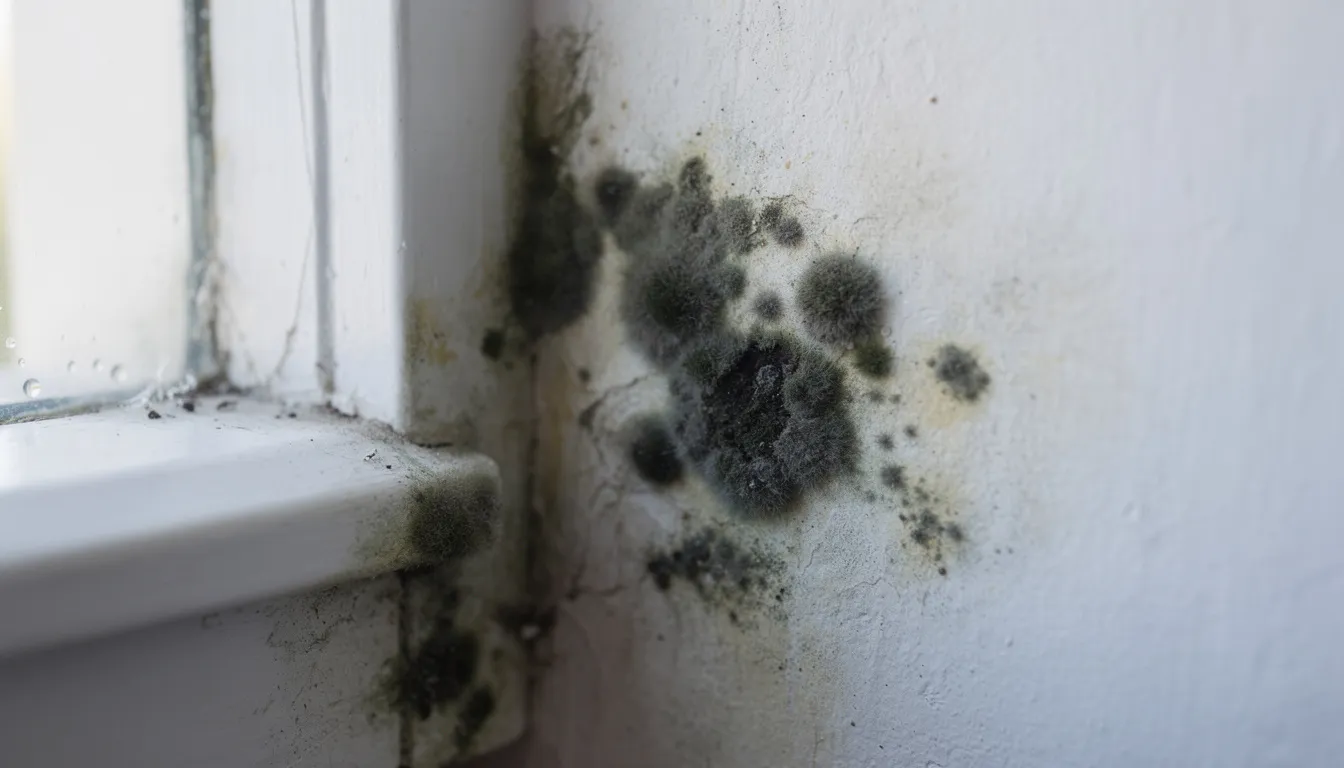
Black mold appears as dark green-black patches with a slimy or sooty texture, commonly growing on wet cellulose materials like drywall, wood framing, cardboard, ceiling tiles, and paper backing of insulation
Despite alarming media stories from the 1990s and early 2000s, black mold is one of many types of household mold and is not uniquely “toxic” compared with other common indoor molds
Any visible or musty-smelling mold in your home should be cleaned up and the moisture source fixed, regardless of the species or color you’re dealing with
The color of mold alone cannot tell you whether it’s dangerous—proper moisture control matters far more than species identification
What is black mold mold?
“Black mold mold” is a common but imprecise phrase people use for dark molds found indoors, most famously Stachybotrys chartarum (sometimes called Stachybotrys atra in older literature). The term has become a catch-all for any concerning dark fungus growing in homes.
Stachybotrys chartarum is slow-growing with a slimy or sooty texture, dark green to black in color, and commonly found on chronically damp gypsum board, ceiling panels, and wood that stayed wet for more than 7–10 days
The fungus produces its spores in distinctive slime heads, which become airborne when materials dry out or are disturbed
Molds are fungi that reproduce via microscopic mold spores floating in both indoor and outdoor air. These spores exist everywhere in nature in a dormant state, settling and growing only when they land on wet building materials that provide the right conditions.
Black mold growth requires specific conditions to thrive:
Condition | Requirement |
|---|---|
Relative humidity | Above approximately 60% |
Temperature | Around 20°C (68°F) is ideal |
Moisture duration | Constant wetness for 7+ days |
Material | High cellulose, low nitrogen (paper, wood, drywall) |
Typical locations where black mold is present include:
Behind wallpaper and under carpets in wet basements
Around leaky windows and under sink cabinets
Near HVAC condensate lines and around water heaters
In homes after roof or plumbing leaks
On walls and surfaces in poorly ventilated bathrooms
Visible color alone cannot reliably identify mold species. Lab testing is rarely necessary for home decision-making because the response is the same regardless of type: remove the mold and fix the moisture problem.
Can black mold make you sick? – proven and unproven health effects
Sensational “toxic black mold” headlines have created widespread fear, but what does clinical and public health evidence actually support? The answer is more measured than many expect.
Household mold (including black mold) most commonly causes or worsens allergic problems: sneezing, runny nose, itchy eyes, coughing, wheezing, and asthma flare-ups
Many black molds, including Stachybotrys, can produce mycotoxins in laboratory conditions, but real-world indoor exposure levels and health effects from these toxins in homes remain unproven or rare
Microbial volatile organic compounds (mVOCs) produced during mold metabolism contribute to musty odors and may irritate eyes, nose, and throat even in people without mold allergies
Severe lung infections from molds are uncommon and usually occur only in people with significantly weakened immune systems
The potential health risks from indoor mold growth are real but typically manifest as allergic reactions and respiratory irritation rather than exotic toxic syndromes. Anyone with persistent respiratory symptoms who lives or works in a damp, moldy environment should discuss possible mold exposure with their healthcare provider.
What happens if you breathe in black mold mold?
Breathing in mold spores is the main route of stachybotrys exposure and exposure to other indoor molds. The body’s immune system response determines what symptoms you experience and how severe they become.
The allergic mechanism works in stages:
Initial exposure: Your immune system creates immunoglobulin E (IgE) antibodies to mold proteins (sensitization)
Subsequent exposures: IgE antibodies bind to mast cells in mucus membranes, skin, airways, and the gastrointestinal tract
Reaction: Mast cells release histamine and other chemicals, causing rapid symptoms
When sensitized individuals breathe in black mold spores, this cascade produces common symptoms like sneezing, nasal congestion, itchy eyes, and wheezing within minutes to hours. The chemicals released also trigger ongoing inflammation in the body.
Longer-term effects of living in a moldy environment:
Prolonged or high-level exposure in damp homes can worsen asthma control and increase the need for inhalers
Some evidence suggests exposure may contribute to developing asthma in children over months to years
Many people report headaches, fatigue, or mood changes in moldy environments—research links these mainly to overall dampness and poor indoor air quality rather than a specific “toxic black mold” effect
Once exposure is reduced by drying and cleaning the home or moving out of a severely moldy space, many people notice symptom improvement within days to weeks. The detrimental health effects of mold exposure are typically reversible when the source is addressed.
Who is most at risk from black mold mold exposure?
Anyone can be irritated by heavy mold growth, but certain groups experience more significant health effects from mold exposure. Understanding who is vulnerable helps prioritize remediation efforts.
High-risk groups include:
Infants and young children whose lungs are still developing
Adults over 65 with potentially reduced immune function
People with asthma, mold allergies, or chronic lung disease like COPD
Individuals with respiratory conditions that make them more sensitive to allergens
Immunocompromised individuals face additional risks:
Organ transplant recipients on immunosuppressive medications
People on long-term high-dose steroids or chemotherapy
Individuals with uncontrolled HIV
These groups may develop more serious fungal infections, not just allergic reactions
Pregnant individuals and people with pre-existing heart disease may experience more strain from chronic respiratory symptoms caused by mold exposure.
In multi-family housing, long-term dampness and mold can disproportionately affect low-income tenants who cannot easily relocate or pay for repairs out of pocket. If a high-risk person lives in a home with visible black mold and chronic dampness, prompt mold removal should be prioritized—or temporary relocation considered if cleanup will be delayed.
Toxic mold syndrome and headline-making black mold stories
The term “toxic mold syndrome” became popular in the late 1990s and early 2000s, often linked to black mold in news reports, lawsuits, and dramatic television segments. Several high-profile cases shaped public perception in ways that outpaced scientific evidence.
The Cleveland infant hemorrhage cluster:
In 1993–1994, a cluster of acute idiopathic pulmonary hemorrhage cases occurred among infants in Cleveland, Ohio
Initial investigations suggested a possible association between Stachybotrys chartarum exposure in water-damaged homes and the infant deaths
Follow-up investigations by the CDC and other researchers found the evidence linking indoor Stachybotrys directly to the blood leaks in infants’ lungs to be weak and inconsistent
The association was never confirmed, and disease control experts concluded the original findings were flawed
Problems with “toxic mold illness” claims:
Many studies connecting chronic fatigue, memory loss, and systemic symptoms to black mold rely on self-reported symptoms and lack control groups
There are no validated clinical tests that prove illness from household mycotoxins
Major public health agencies focus on moisture control and mold removal rather than diagnosing specific “toxic mold” diseases
The balanced message is this: chronic dampness and mold are genuinely unhealthy and must be fixed, but the dramatic concept of a unique “black mold toxin disease” is not supported by strong science. When people talk about extreme mold illness, they’re often conflating real allergic and irritant effects with unproven systemic toxicity.
Black mold versus other indoor molds
Black mold is not the only concern in your home. Any visible indoor mold growth indicates a moisture problem that needs correction, regardless of color or species.
Mold Type | Appearance | Common Locations | Health Concerns |
|---|---|---|---|
Stachybotrys chartarum | Dark green-black, slimy | Water-damaged drywall, wood | Allergens, possible mycotoxins |
Cladosporium | Olive-green to brown | Fabrics, wood, HVAC systems | Common allergen |
Penicillium | Blue-green, powdery | Water-damaged materials, food | Allergens, some mycotoxins |
Aspergillus | Various colors | Dust, building materials | Allergens, infections in immunocompromised |
Alternaria | Dark gray to black | Damp areas, showers, windows | Common allergen, asthma trigger |
All molds can produce allergens and irritants. Some species beyond black mold can also produce mycotoxins under certain conditions. Health guidelines do not set “safe” levels for specific indoor mold species because individual sensitivity varies widely.
Professional remediation focuses on the size of the affected area, the moisture source, and building materials—not on identifying the exact mold species. If mold is growing indoors, the priority is to remove it and fix the moisture problem, regardless of whether it’s black, green, white, or any other color.
How to identify black mold mold in your home
Homeowners can usually recognize mold problems using their senses rather than expensive testing. Knowing what to look for and where to check makes identification straightforward.
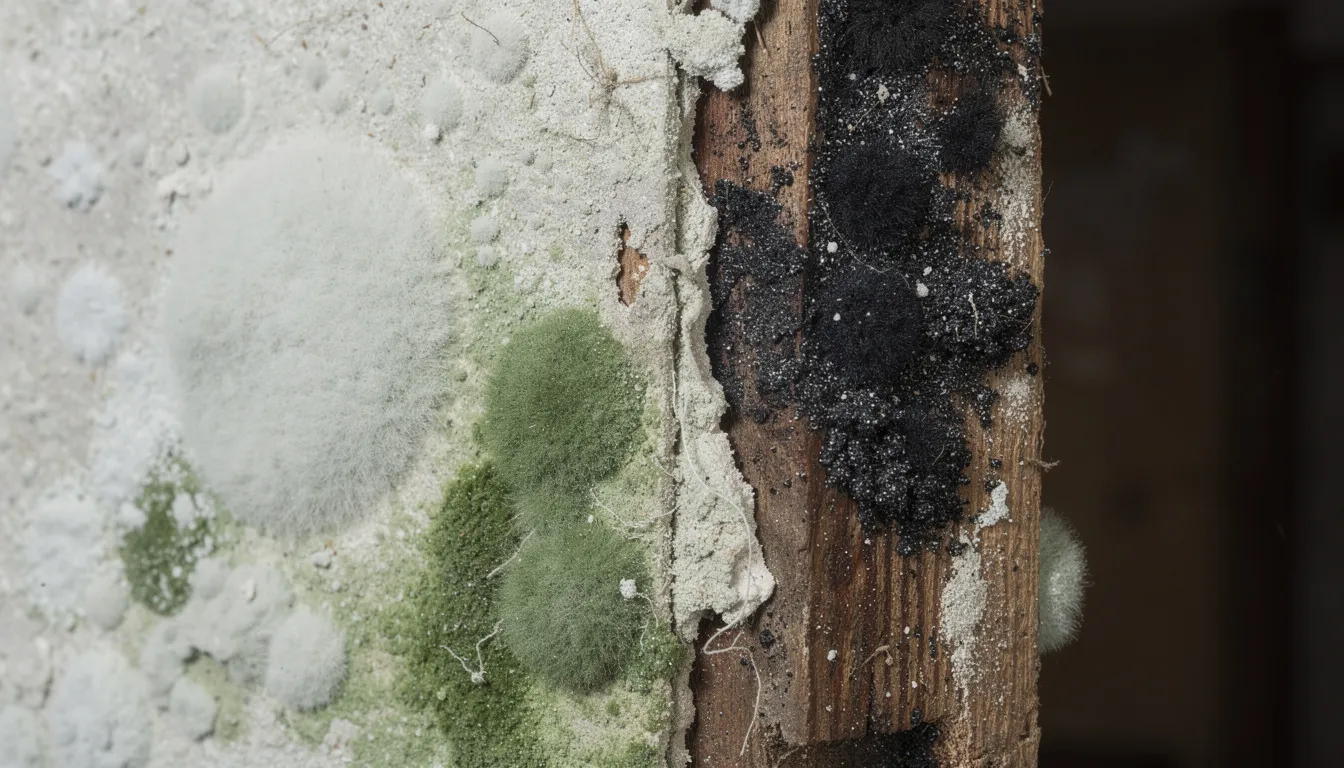
Visual signs of black mold:
Dark spots, streaks, or patches on damp areas of your home
Texture that appears fuzzy, slimy, or powdery depending on moisture levels
Discoloration on drywall, baseboards, window sills, or bathroom grout
Colonies that may start white before turning blackish-green as they mature
A persistent musty, earthy smell—especially in basements, closets, or behind furniture—is often a sign of hidden mold or chronic dampness even when you can’t see growth.
Key places to check:
Under sinks and behind toilets
Around bathtubs, showers, and washing machines
Near water heaters and foundation cracks
Under carpets in basements
Behind wallpaper in older, humid homes
Around windows with condensation problems
Consumer mold test kits are generally not recommended. Results are hard to interpret and don’t change the fundamental fact that visible mold must be removed. If mold growth covers a large area—larger than about 3 by 3 feet in one spot—or results from contaminated floodwater, consult qualified professionals for assessment.
Common causes of black mold mold growth indoors
Mold cannot grow without moisture, so identifying why things are wet is more important than focusing on the mold itself. The mold problem follows the moisture problem.
Common moisture sources:
Roof leaks and plumbing leaks inside walls
Overflowing bathtubs or sinks
Basement seepage and foundation cracks
Poorly sealed windows allowing water intrusion
Water damage from storms or burst pipes
Humidity-related causes:
Chronic high humidity above 60% from unvented bathrooms
Clothes dryer units that vent indoors instead of outdoors
Frequent cooking without exhaust fans
Condensation on cold surfaces like exterior walls and windows
Flood events from storms, river overflows, or burst pipes can saturate walls, floors, and belongings. Without thorough drying within 24–48 hours, heavy mold growth becomes almost inevitable on porous materials.
Poor home design or maintenance drives many chronic mold problems:
Gutters that dump water next to the foundation
Missing downspout extensions
Negative grading that slopes toward the house
Inadequate vapor barriers in crawlspaces
Practical example: A 10-year-old home with a slow drip under a kitchen sink can develop significant black mold on the cabinet base and drywall behind it within weeks. The leak may be minor, but constant excess moisture creates ideal conditions for Stachybotrys colonization on these cellulose-rich materials.
Mold testing and “toxic black mold” lab reports
Many homeowners are offered spore counts and mycotoxin tests by remediation companies or testing services. These often don’t answer the key question: how do you make the home dry and mold-free?
Limitations of testing:
There’s no universally accepted “safe” indoor spore level or mycotoxin concentration for homes
Lab numbers can be difficult to interpret for health decisions because baseline levels vary by location, season, and outdoor conditions
If mold is visible or there’s a musty smell, most guidelines from the CDC and state health departments recommend going straight to cleanup without routine lab testing
When testing may be appropriate:
Post-disaster buildings with complex contamination
Large commercial properties requiring documentation
Legal disputes where evidence of contamination is needed
Situations where an experienced indoor air quality professional recommends targeted testing as part of a broader investigation
Medical “mycotoxin urine tests” marketed directly to consumers are controversial. These tests are not standardized and generally not endorsed by mainstream toxicology or public health bodies. Be cautious about services that rely solely on lab results to diagnose “toxic mold illness” without thorough environmental and medical evaluation. The test itself cannot determine causation or prove that mycotoxins in your body came from your home.
DIY cleanup of small black mold mold patches
Small, non-structural mold problems on hard surfaces—generally less than about 3×3 feet—can often be cleaned by homeowners taking basic precautions. You don’t need professionals for every spot of mold.
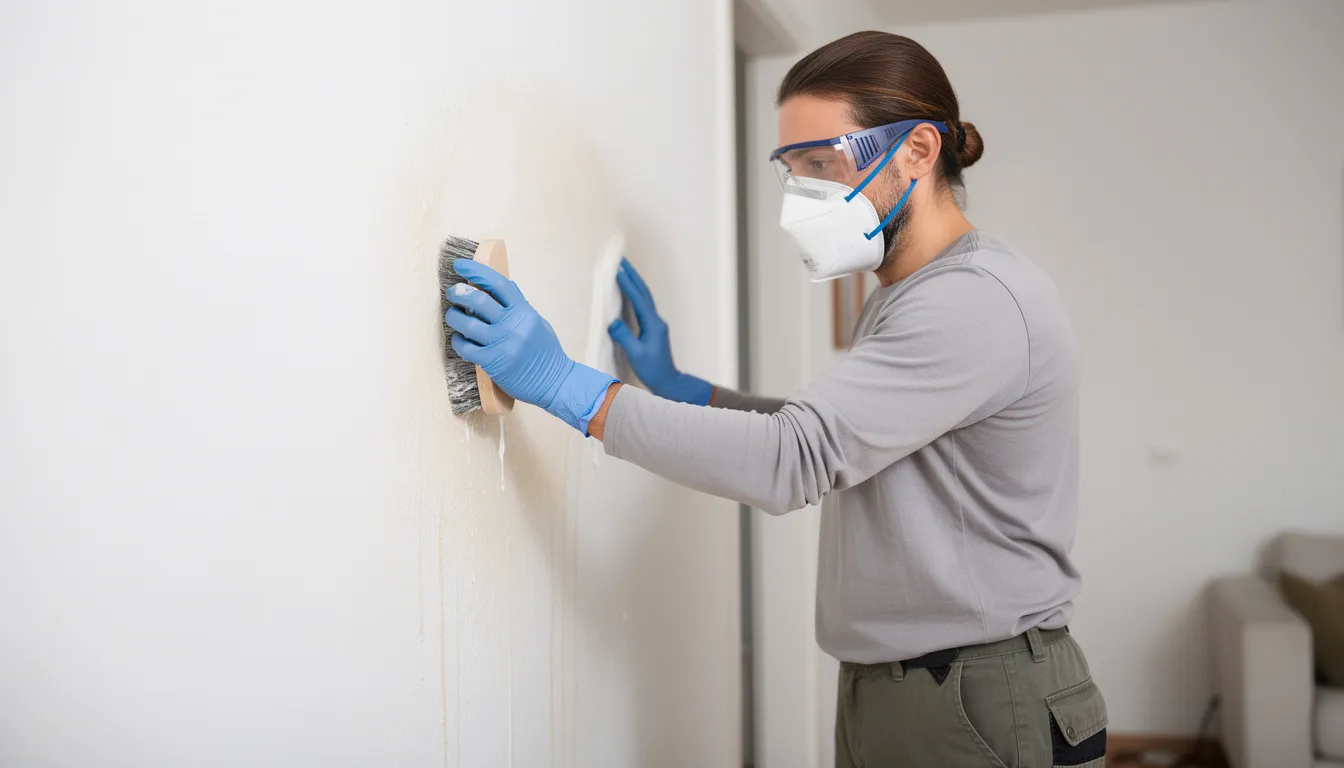
Recommended personal protective equipment:
Disposable gloves (rubber, latex, or nitrile)
Protective eyewear without ventilation holes
At least a well-fitting N95 mask or respirator
The first step is always stopping the water source. Fix the leak, improve ventilation, or address the condensation-prone area before or during cleanup. Cleaning mold while the moisture source remains active means the mold will return.
Simple cleaning instructions:
Mix detergent with water (no special mold-killing products required)
Scrub the surface thoroughly with a brush or cloth
Rinse with clean water
Dry completely using fans or dehumidifiers
Bleach is optional—if used, follow safety directions and never mix with ammonia or other chemicals
Materials that should be discarded rather than cleaned:
Moldy ceiling tiles with deep contamination
Gypsum board with mold penetrating beyond the paper surface
Heavily contaminated materials like carpets or carpet padding
Porous materials that cannot be thoroughly dried
Ventilate the area during cleanup by opening windows or using fans blowing air outdoors. After finishing, wash hands thoroughly and change clothes to avoid spreading spores to other parts of your home.
When to call professional black mold remediation services
Larger or more complex mold problems require assessment and handling by trained professionals to protect both occupants and the building structure. Knowing when to call for help prevents inadequate cleanup that allows regrowth.
Situations that typically need professional help:
Mold affecting more than about 10 square feet (roughly a 3×3 foot area)
Repeated mold growth despite prior DIY cleaning attempts
Mold caused by sewage backup or contaminated floodwater
Mold inside HVAC systems, ductwork, or wall cavities
Mold on structural components like wall framing
What professionals do differently:
Use containment barriers to isolate work areas
Deploy negative air machines with HEPA filtration
Remove contaminated materials without spreading spores throughout the home
Address hidden mold in wall cavities and other inaccessible areas
A reputable remediation contractor should:
Identify and document the moisture source
Provide a written cleanup plan before starting work
Conduct post-remediation verification (visual inspection and, when appropriate, air or surface sampling)
Carry appropriate insurance and provide references
Residents with significant health vulnerabilities—such as severe asthma or immunosuppression—should avoid staying in the home during major mold removal projects. The disturbance of contaminated materials temporarily increases airborne spore concentrations even with proper containment.
Preventing future black mold mold growth
Long-term prevention depends on controlling moisture, maintaining good ventilation, and quickly addressing water leaks or intrusions. Mold prevention is fundamentally about humidity and water management.
Humidity control:
Maintain indoor relative humidity between 30% and 50%
Use dehumidifiers in damp basements and bathrooms as needed
Monitor humidity with an inexpensive hygrometer
Ventilation improvements:
Install exhaust fans in bathrooms and kitchens that vent directly outdoors
Run exhaust fans during and for 15–20 minutes after showers or cooking
Ensure your clothes dryer vents outdoors, not into the home
Open windows periodically to improve air circulation
Building maintenance:
Inspect roofs, gutters, and downspouts at least twice yearly (spring and fall)
Ensure water is directed away from the foundation with proper grading
Check under sinks, around dishwashers, washing machines, and water heaters regularly
Look for early signs of water leaks, discoloration, or musty smells
During renovations or repairs:
Use moisture-resistant drywall in bathrooms and high-humidity areas
Install properly rated vapor barriers in basements and crawlspaces
Choose mold-resistant materials when replacing water-damaged components
Living with a history of black mold mold in your home
Many homeowners worry about long-term health effects or property value after a black mold problem has been discovered and corrected. These concerns are understandable but often manageable.
What to expect after proper remediation:
Once the moisture source is fixed and mold-contaminated materials are removed or cleaned, indoor mold levels typically return to normal background levels similar to outdoor air
The home should smell fresh, not musty
Properly dried and treated areas should not show regrowth
Some people may continue to experience heightened sensitivity or anxiety about mold after cleanup. If lingering health concerns persist, discussing them with a healthcare provider familiar with environmental exposures can help determine whether symptoms have other causes.
For homeowners selling property:
Document all professional remediation work and moisture repairs
Provide buyers with inspection reports and contractor invoices
Be transparent about past water damage and how it was addressed
Properly documented and remediated mold issues don’t have to be deal-breakers
For renters:
Keep written records of leaks, mold growth, and communication with landlords
Document conditions with dated photographs
Know your local tenant rights regarding habitability and mold
These records are important if moisture issues aren’t being addressed
The best long-term strategy for preventing another black mold problem is maintaining a dry, well-ventilated home and responding quickly to any new water leaks. Mold spores are always present in the air—both indoors and outdoors—so the goal isn’t eliminating spores but eliminating the moisture they need to grow.
Key Takeaways
Black mold (Stachybotrys chartarum) is concerning but not uniquely dangerous compared to other indoor molds
Health effects from mold exposure are primarily allergic reactions and respiratory irritation, not exotic toxic syndromes
Moisture control is the foundation of both mold cleanup and prevention
Small mold patches can be cleaned by homeowners; larger problems need professionals
Visible mold always requires action—remove it and fix the moisture source
If you’ve discovered mold in your home, don’t panic, but don’t ignore it either. Start by identifying and fixing the water source, then address the mold itself using appropriate methods for the scale of the problem. Your home’s long-term health depends not on eliminating every last spore, but on keeping things dry.


Latest news