fire and flood restoration
Fire and Flood Restoration
When disaster strikes your home or business, every hour counts. Our company provides 24/7 emergency fire and flood restoration services, responding within hours—not days—to stabilize your property and begin the recovery process.
Fast Help After Fire or Flood Damage
We understand that fire and water emergencies don’t wait for convenient times. Our rapid response teams are available around the clock to provide immediate assistance when you need it most. Whether you’re dealing with smoke damage from a kitchen fire or standing water from a burst pipe, our certified technicians arrive equipped and ready to work.
Fire-related emergencies we respond to:
Kitchen fires from cooking accidents or grease flare-ups
Electrical fires from faulty wiring or overloaded circuits
Furnace and heating system fires
Chimney fires spreading to roof structures
Garage fires involving vehicles or stored chemicals
Water-related emergencies we respond to:
Burst pipes from freezing temperatures or age
Washing machine and dishwasher line failures
Water heater ruptures and leaks
Roof leaks after severe storms
Basement flooding from heavy rain or rising groundwater
Sewage backups and toilet overflows
Our primary goal is to stabilize your property within the first 24–48 hours. This critical window prevents secondary damage like mold growth, structural weakening from prolonged moisture exposure, and lingering smoke odors that become increasingly difficult to remove over time.
Fire Damage Restoration & Smoke Cleanup Services
Fire damage extends far beyond the visible flames. The destruction includes intense heat that warps materials, corrosive soot that etches surfaces, toxic smoke residues that penetrate deep into porous materials, and significant water damage from firefighting efforts. Understanding the full scope of damage is essential for effective restoration.
Our fire damage restoration process addresses every layer of destruction:
Remove standing water from fire hoses and sprinkler systems using submersible pumps and truck-mounted extractors
Assess structural damage to wall cavities, roof decking, floor joists, and load-bearing components
Inspect electrical wiring, outlets, and HVAC systems for heat damage and safety hazards
Evaluate insulation, vapor barriers, and subfloor materials for contamination
Deep cleaning and soot removal techniques:
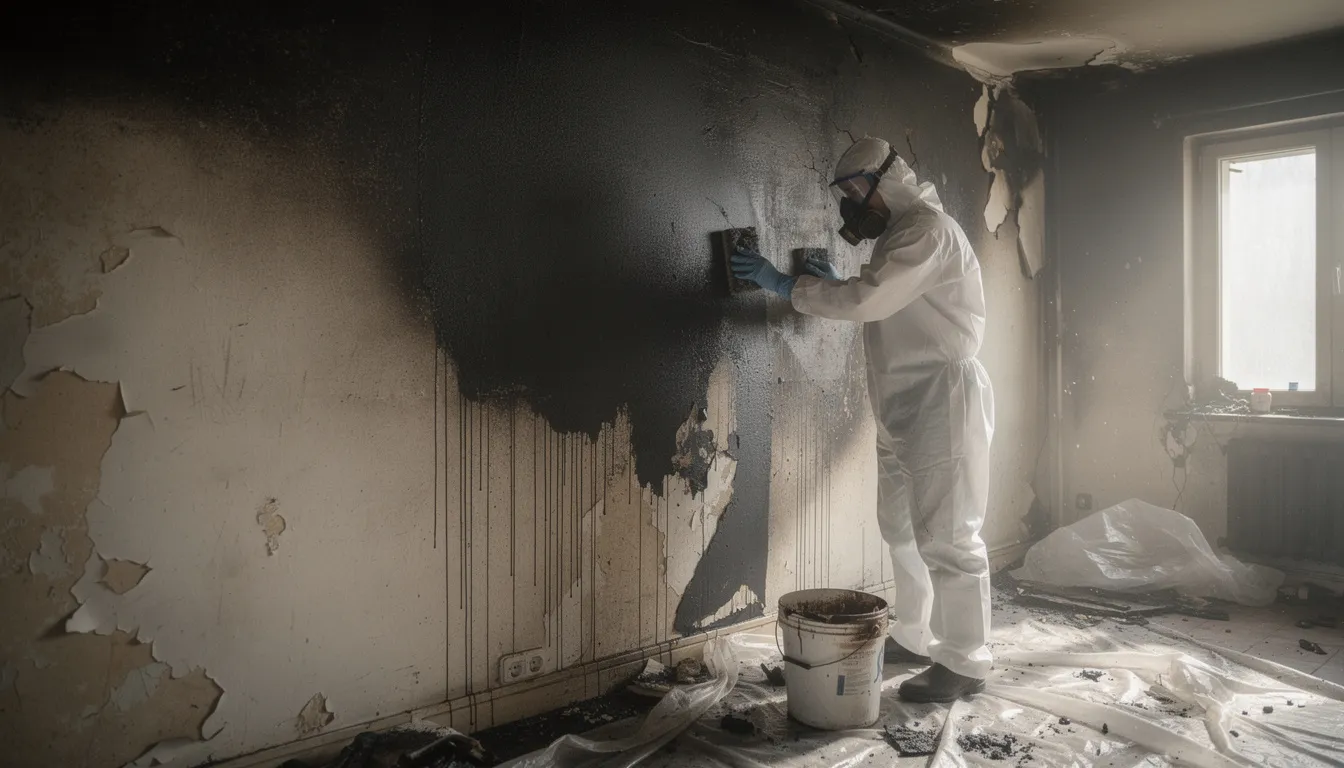
HEPA vacuuming of loose soot particles from all surfaces before wet cleaning
Dry sponge cleaning for light, dry soot on painted walls and ceilings
Detergent washing with appropriate pH-balanced cleaners for heavy residues on concrete, brick, and drywall
Abrasive cleaning or soda blasting for stubborn soot on framing and masonry
Professional carpet and upholstery cleaning or removal based on contamination levels
Smoke odor elimination methods:
Ozone treatments to neutralize odor molecules in unoccupied spaces
Thermal fogging to penetrate cracks, crevices, and porous materials where smoke particles hide
Activated carbon filtration through commercial air scrubbers running continuously during restoration
Hydroxyl generators for occupied spaces requiring odor control without evacuation
We handle personal property with care, separating restorable items like furniture, electronics, documents, and artwork from items too damaged to salvage. Every finding is documented with photos and detailed notes for your insurance company.
Example scenarios we commonly address:
Small kitchen fires affecting cabinets, walls, and ceiling with localized soot spread
Multi-room fires requiring extensive demolition of drywall, insulation, and flooring throughout affected areas
Roof fires where water damage from firefighting efforts saturates attic insulation and upper-floor ceilings
Why Swift Fire Restoration Matters
The clock starts ticking the moment flames are extinguished. Acidic compounds in soot begin attacking your property immediately, and water from firefighting efforts creates its own set of problems. Delaying professional attention almost always results in more extensive damage and higher costs.
Within the first 24 hours:
Acidic soot permanently etches glass surfaces, windows, and mirrors
Plastics and appliance finishes become permanently discolored and yellowed
Metals like faucets, door hardware, and light fixtures begin corroding from sulfuric acid in smoke residue
Upholstery and fabric absorb smoke particles deeper into fibers
Within 48–72 hours:
Water left in walls, subfloors, and insulation creates ideal conditions for mold growth
Humid climates accelerate microbial activity, potentially requiring full mold remediation
Wood framing begins swelling and warping from moisture absorption
Wet drywall loses structural integrity and may collapse
After one week without intervention:
Drywall and insulation that could have been dried in place now require complete removal
Subflooring develops rot and delamination
Smoke odors become permanently embedded in building materials
Reconstruction costs increase significantly—often doubling or tripling initial estimates
Our Fire Restoration Process – Step by Step
The fire damage restoration process follows a systematic approach designed to restore your property to its pre loss condition as efficiently as possible. Our highly trained professionals coordinate with fire marshals, your insurance company, and building inspectors throughout the project.
Emergency call and dispatch: Our team gathers information about the fire’s origin, rooms affected, and current safety status, then dispatches a crew with appropriate equipment needed for your specific situation
Site inspection and safety evaluation: Technicians assess structural stability, check for electrical hazards, identify areas with standing water, and document all damage with date-stamped photos and detailed notes
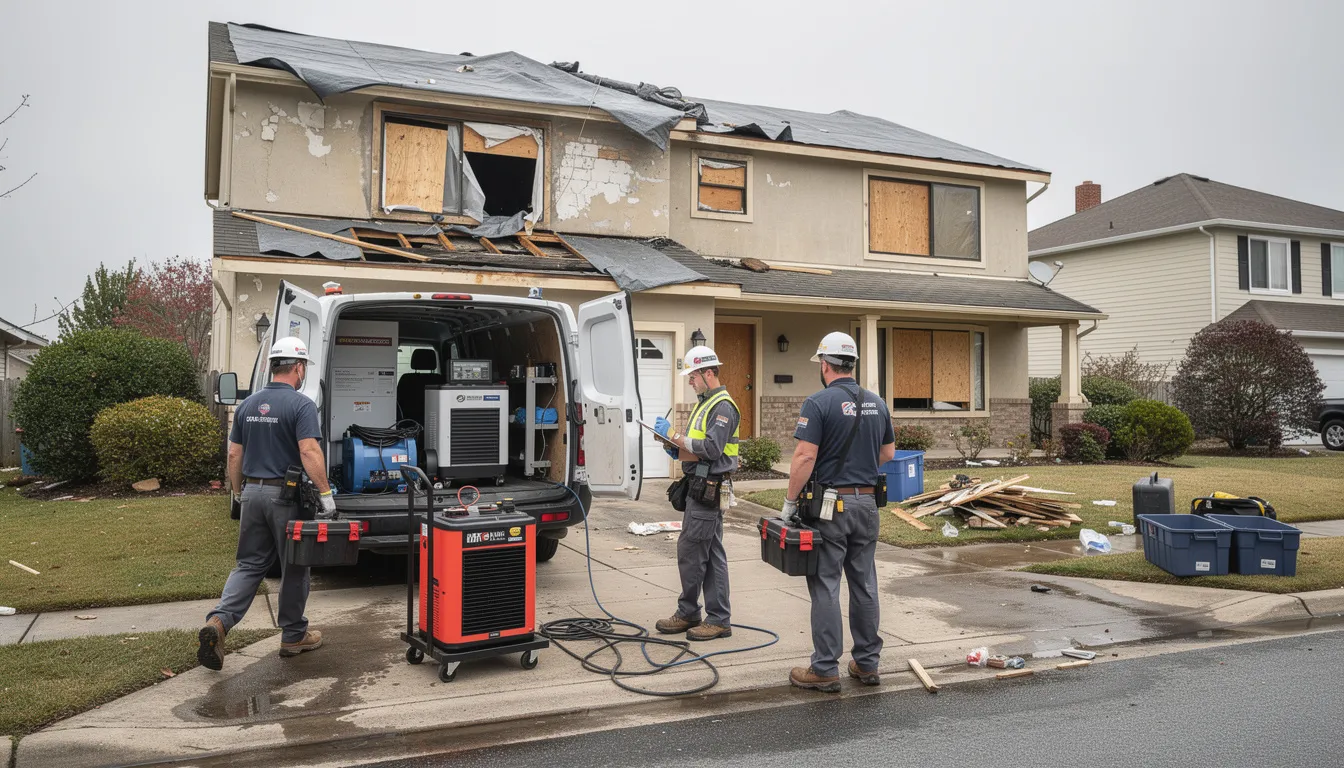
Board-up and roof tarping: We secure the property by boarding broken windows and doors, covering roof openings with heavy-duty tarps, and isolating unsafe rooms to prevent weather intrusion and unauthorized entry
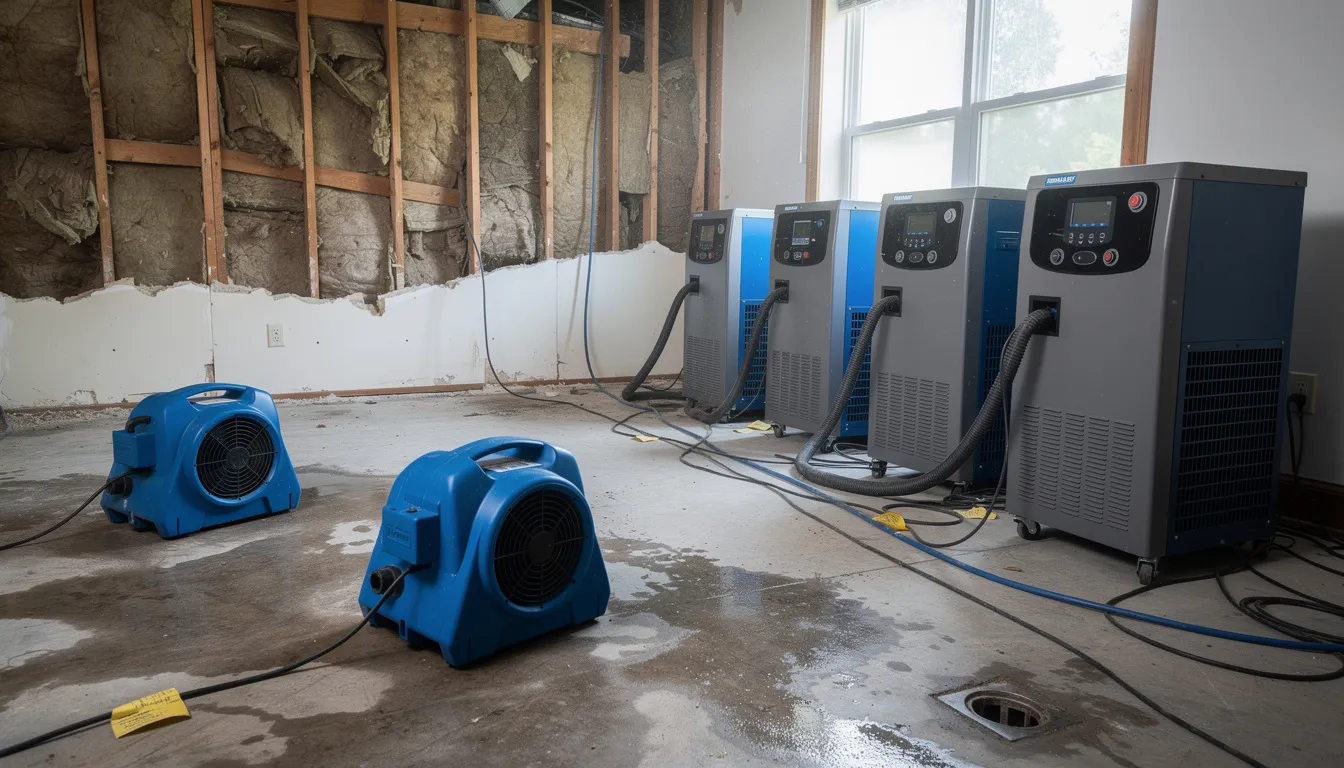
Water extraction and structural drying: Using submersible pumps and commercial extractors, we remove water from firefighting efforts, then position air movers and dehumidifiers to dry wall cavities, subfloors, and framing to acceptable moisture levels
Soot and smoke removal: Technicians systematically clean all surfaces using appropriate techniques for each material type, from HEPA vacuuming drywall to soda blasting exposed framing
Cleaning and sanitizing: We apply antimicrobial treatments to prevent mold, clean HVAC ductwork and components, and treat soft goods that can be salvaged
Final repairs and rebuild: Our team repairs or replaces damaged drywall, insulation, flooring, trim, and fixtures, matching original materials and finishes to restore your property to its pre damage condition
Flood & Water Damage Restoration
Water damage comes from many sources, and each type requires different handling. Clean water from broken supply lines poses different challenges than gray water from appliance failures or black water from sewage backups and river flooding. Our water damage restoration services address all categories with appropriate equipment and protocols.
Category 1 (Clean Water): Originates from supply lines, faucets, or rainwater with no significant contamination. Materials can typically be dried in place if addressed within 24–48 hours.
Category 2 (Gray Water): Contains some level of contamination from washing machines, dishwashers, or sump pump failures. Requires antimicrobial treatment and careful evaluation of porous materials.
Category 3 (Black Water): Highly contaminated from sewage, river flooding, or standing water that has supported microbial growth. Requires removal and disposal of all saturated porous materials including drywall, carpet, padding, and insulation.
Common flood damage scenarios we handle:
Basement flooding after heavy rain overwhelming foundation drainage
Water heater failures releasing 40–80 gallons onto flooring
Frozen pipes bursting in winter, sometimes releasing water for hours before discovery
Toilet and bathtub overflows causing ceiling damage to floors below
Storm damage allowing rainwater intrusion through roofs and windows
Our restoration process focuses on real building components: removing water from stud wall cavities, drying subfloor materials like plywood and OSB, treating cabinet toe kicks and bases, and ensuring insulation in exterior walls reaches acceptable moisture levels.
Emergency Water Removal and Drying
The first 24–72 hours after a flood or major leak determine whether materials can be saved or must be replaced. Our emergency crews arrive with specialized equipment to begin removing water and establishing drying conditions immediately.
Initial water extraction:
Submersible pumps remove standing water from basements, crawlspaces, and flooded rooms at rates up to 500 gallons per minute
Truck-mounted extractors pull water from carpets, padding, and hard surfaces
Wet vacuums address water in tight spaces, corners, and areas pumps cannot reach
Technicians cut weep holes in drywall to drain wall cavities and allow airflow
Structural drying setup:
Industrial air movers positioned strategically to create efficient airflow across all wet surfaces
Commercial dehumidifiers sized appropriately for the space—typically 40+ air movers per 1,000 square feet for saturated conditions
Desiccant dehumidifiers deployed in low-humidity environments or when faster drying is critical
Temperature management to optimize evaporation rates without damaging materials
Ongoing monitoring:
Daily moisture readings using pin and pinless meters in drywall, wood framing, and concrete slabs
Psychrometric calculations tracking temperature, humidity, and dew point to optimize drying conditions
Documentation of moisture levels at multiple points until materials return to 15% or below
Adjustment of equipment placement based on drying progress in different areas
Water Mitigation vs. Full Restoration
Understanding the difference between water mitigation and full restoration helps you know what to expect during the recovery process. Both stages are essential, but they serve different purposes.
Water mitigation focuses on stopping the damage from spreading:
Shutting off water sources at the main valve or individual supply lines
Extracting water and reducing humidity levels rapidly
Removing unsalvageable materials like saturated carpet padding, wet insulation, and damaged drywall
Cutting 2-foot flood cuts on wet drywall to expose wall cavities for drying
Applying antimicrobial solutions to wall cavities and subfloor materials to remediate mold before it establishes
Full water restoration completes the recovery:
Replacing removed drywall sections with new material, taping, and finishing
Installing new carpet padding and re-stretching existing carpet when salvageable
Replacing damaged flooring including hardwood, laminate, or tile as needed
Refinishing or replacing cabinets, trim, and baseboards
Repainting walls and ceilings to match original finishes
Reinstalling fixtures, outlets, and switch plates
For example, a wet carpet in a flooded basement might need only extraction and drying during mitigation, while the baseboards, lower drywall, and damaged padding require replacement during the restoration phase.
Combined Fire and Flood Damage: When Both Happen
Most structural fires also cause significant water damage. Fire department hoses can deliver thousands of gallons into a burning structure, and automatic sprinkler systems saturate entire floors. This creates a fire flood scenario requiring specialized expertise in both restoration disciplines.
Fire suppression water often exceeds 3,000 gallons in residential fires, pooling on floors and saturating materials
The order of operations is critical: ensure structural safety first, then remove water, install drying equipment, and only then perform soot cleaning and odor control
Wet soot creates unique challenges—it cannot be dry-brushed and requires different cleaning techniques than dry residue
Fire-suppressant foams leave chemical residues requiring specialized removal procedures
Warped hardwood floors may need complete replacement if heat and water damage occurred simultaneously
Case example: A living room fire in a two-story home often results in extensive water damage to the room below. Water from firefighting efforts saturates the living room subfloor, travels through electrical and plumbing penetrations, and causes the downstairs ceiling to collapse. The restoration process must address smoke damage on the upper floor while simultaneously extracting water and drying the lower floor—all before any reconstruction can begin.
Protecting Structural Integrity
Fire and water together threaten structural components more severely than either hazard alone. Heat weakens wood and steel while water causes swelling, rot, and delamination. Our technicians work closely with structural engineers when damage affects load-bearing elements.
Structural inspection points:
Load-bearing walls checked for char depth exceeding 1 inch, which compromises wood strength by 20–30%
Roof trusses and rafters examined for heat damage, checking metal connector plates for loosening and wood for warping
Floor joists inspected from below for both charring and water saturation causing deflection
Steel supports and beam pockets evaluated for heat discoloration indicating potential strength reduction
Stair stringers checked for stability since they experience stress from both fire damage and water-saturated treads above
Repair decisions based on damage assessment:
Minor charring may allow in-place treatment with sanding and sealing
Moderate damage often requires sistering new lumber alongside weakened members
Severe damage necessitates full replacement with properly sized materials
Shoring may be required during reconstruction to safely support loads while repairs are completed
All structural repairs require local building permits and inspections before concealing work behind finished surfaces
What Property Owners Should (and Shouldn’t) Do After a Fire or Flood
Personal safety comes first after any disaster. Evacuate the property, call emergency services, and wait for official clearance from the fire department or other first responders before re-entering. Damaged structures can contain hidden hazards including compromised floors, unstable ceilings, and toxic air quality.
Safe actions to take:
Take photos and videos from safe locations outside the structure before boarding or tarping occurs
Contact your insurance company within 24 hours to report the loss and initiate your claim
Locate and secure important documents like identification, insurance policies, and financial records if authorities permit access
Arrange temporary housing if needed—your policy may cover additional living expenses
Keep receipts for all emergency expenses including hotels, meals, and clothing
Safety precautions when entering damaged areas:
Wear sturdy, closed-toe shoes to protect against debris, nails, and broken glass
Use N95 masks or better to filter smoke particles and mold spores
Wear work gloves when handling any damaged materials
Avoid areas with sagging ceilings, bulging walls, or standing water near electrical panels and outlets
Never enter if you smell gas—leave immediately and call your utility company
Things You Should Do While You Wait for Help
While waiting for professional damage restoration services to arrive, a few simple actions can limit further damage—provided they can be performed safely from accessible areas.
Turn off the main water valve if you suspect a burst pipe and the valve location is safe to access
Place aluminum foil or small wood blocks under furniture legs sitting on damp carpet to prevent staining and wood damage
Open windows for ventilation if the structure is sound, weather permits, and smoke or moisture levels are high
Move lightweight, undamaged items away from wet areas if you can do so without entering unsafe zones
Unplug electronics in affected areas if you can reach outlets safely without standing in water
Place towels around toilets and under sinks if minor leaks are ongoing to contain spread until professionals arrive
Things You Should Avoid After Fire or Flood
Some well-intentioned actions can create additional hazards or make restoration more difficult. Resist the urge to start cleaning until professionals assess the situation.
Do not turn on ceiling fans or light switches when ceilings are wet or sagging—water may have compromised electrical connections
Do not use household vacuums to remove water or soot, as this damages the vacuum and can spread contamination through your home
Do not wash painted walls, shampoo wet carpet, or power-wash soot-covered exteriors before professional assessment—improper cleaning sets stains permanently
Do not consume any food, beverages, or medications exposed to heat, smoke, or floodwater, even if packaging appears intact
Do not enter rooms with standing water if any electrical outlets or appliances are submerged
Do not attempt to remove wet carpet without proper moisture testing—the subfloor beneath may need treatment before new flooring installation
Insurance, Documentation, and Working With Your Adjuster
Thorough documentation significantly speeds up insurance claims and reduces disputes over coverage amounts. Starting this process early—before cleanup begins—protects your interests and ensures nothing is overlooked.
Essential documentation steps:
Take date-stamped photos and videos of each affected room, including wide shots and close-ups of specific damage
Photograph all damaged contents including appliances, furniture, electronics, and personal items before they are moved or cleaned
Create an itemized inventory with descriptions, approximate purchase dates, and estimated replacement values
Save all receipts for emergency expenses, temporary housing, and any supplies purchased
Request a copy of the fire department report if applicable
How restoration companies work directly with adjusters:
Providing detailed moisture maps showing the extent of water intrusion
Submitting comprehensive estimates breaking down each phase of work
Documenting scope of work with photos at each stage of the restoration process
Furnishing proof of drying with daily moisture readings and equipment logs
Coordinating site visits so adjusters can verify damage and approve additional work as needed
Coverage Considerations for Fire and Flood
Understanding your policy helps you know what to expect during the claims process. Coverage varies significantly based on the source and type of damage.
Most standard homeowners’ policies cover sudden and accidental fire damage, including water damage from firefighting efforts
Internal water damage from burst pipes, water heater failures, and appliance malfunctions is typically covered
Separate flood insurance is usually required for damage from rising rivers, storm surge, or overland water entering the property
Mold damage may have limited coverage or require specific endorsements, especially if related to long-term leaks
Additional living expenses (ALE) coverage helps pay for temporary housing, but limits and time restrictions vary by policy
Check your policy for:
Deductible amounts for different types of losses
Coverage limits for contents and structural repairs
Specific exclusions for mold, neglected maintenance, or gradual leaks
Requirements for reporting losses within certain timeframes
Why Choose a Professional Fire and Flood Restoration Company
Choosing a certified, full-service restoration company means working with experts who handle everything from emergency power and board-up to complete reconstruction. Professional restoration services combine speed, expertise, and equipment that simply isn’t available through DIY efforts or general contractors unfamiliar with disaster recovery.
Availability and response:
24/7/365 emergency response including nights, weekends, and holidays
Typical on-site arrival within 2–4 hours for most local calls
Immediate dispatch of crews with equipment matched to your specific situation
Coordination with emergency services and utilities as needed
Qualifications and capabilities:
Industry certifications including IICRC standards for water damage (S500) and fire restoration (S541)
Background-checked, highly trained professionals with ongoing education requirements
Commercial-grade drying equipment, air scrubbers with 99.97% HEPA filtration, and specialized cleaning tools
Established safety protocols protecting both crews and occupants
Customer experience:
Clear communication with regular progress updates throughout the project
Assistance navigating insurance questions and documentation requirements
Respect for personal property with careful handling, packing, and storage when needed
Single point of contact from initial call through final walkthrough
Restoration needs assessment tailored to your specific property and circumstances
What to Expect When You Call Us
From the moment you call, we focus on understanding your situation and getting help to you as quickly as possible. Our intake process gathers the essential information needed to respond quickly with the right resources.
During your initial call:
We ask about the time of loss to understand how urgency affects restoration options
We identify the source of damage—fire, water, or both—and which rooms are affected
We confirm whether the property is safe and accessible or if emergency board-up or tarping is needed
We gather contact information and coordinate access with you or your property manager
Upon arrival:
Technicians walk through the property with you (if available) to assess visible damage and discuss immediate concerns
We explain the restoration process, outlining what happens first and why sequencing matters
You receive an initial written or digital estimate range covering emergency stabilization work
We answer questions about timelines, insurance coordination, and what to expect in the coming days
Work begins immediately on priorities like water removal, emergency power restoration, and securing the property
When disaster strikes, the stress of property damage can feel overwhelming. Our job is to take that burden from you, handling every aspect of restoration from initial response to final repairs. We work closely with you and your insurance company to restore your property to its original state as efficiently as possible.
Ready for help? Our certified technicians stand ready 24/7 to respond to your fire and flood restoration needs. Contact us now for immediate assistance—we’ll be on-site within hours to begin restoring your life and property.


Latest news