
how to get fire smoke out of house

How to Get Fire Smoke Out of a House
If you’ve recently dealt with a fire in your home, you already know the fire itself is only half the battle. The lingering smoke smell, soot-covered surfaces, and invisible particles embedded in every corner can feel overwhelming. This guide walks you through exactly how to get fire smoke out of your house, from the first hours after the flames are out to the final steps of odor elimination.
Quick Answer: How to Get Fire Smoke Out of Your House Fast
Smoke particles cling to every surface and infiltrate every air pathway in your home, which means removal requires a combination of ventilation, thorough deep cleaning, and sometimes professional help. Air fresheners and candles will only mask the problem temporarily—true smoke odor removal requires addressing the source.
Immediate steps to take within the first 24–48 hours:
Open all windows and exterior doors to bring in fresh air
Turn off your HVAC system to prevent spreading smoke particles inside ductwork
Remove visibly burned or destroyed items from the home
Begin wiping down hard surfaces with dry cloths or soot sponges
Bag up soft furnishings, curtains, and throw pillows for later cleaning or disposal
Document everything with photos and video before major cleanup begins
For a small contained kitchen fire in a typical house, expect several days of active cleaning work, plus two to four weeks for lingering odor to fully dissipate with consistent effort. Severe or whole-house fires often require professional fire and smoke restoration due to hidden damage in walls, insulation, and ductwork—plus potential toxicity from burned plastics and synthetic materials.
The key takeaway: act quickly. The longer smoke residue sits on surfaces, the harder it becomes to remove permanently.
Understanding Fire Smoke in Your Home
Fire smoke isn’t just an unpleasant smell—it’s a complex mixture of microscopic particles that infiltrate every corner of your living space.
What’s actually in fire smoke:
Microscopic soot particles (often smaller than 2.5 microns)
Tar and oily residues from burned materials
Volatile organic compounds (VOCs) from plastics, fabrics, and building materials
Polycyclic aromatic hydrocarbons (PAHs) that bind to porous surfaces
These smoke molecules travel on warm air currents, rising through your home and settling into cabinets, light fixtures, HVAC ducts, and even the gaps between walls and trim. The smell is so persistent because porous materials like drywall, carpet, upholstered furniture, mattresses, and insulation absorb and hold these particles for months or even years if left untreated.
Real-world examples of how smoke spreads differently:
A December 2023 kitchen grease fire may concentrate damage in the kitchen and immediately adjacent rooms, with smoke traveling upward through ceiling cavities
An August 2022 living-room electrical fire can spread smoke throughout the entire first floor within minutes, especially if doors were open and the HVAC system was running
The health concerns are real. Lingering smoke and soot cause eye and throat irritation, trigger asthma flare-ups, and pose elevated risks for children, older adults, and pets. This is why full-house cleaning—not just spot treatment—is necessary to truly rid your space of fire smoke contamination.
Safety and First Steps Right After the Fire
Before you start any cleanup, safety must come first. The fire department or local authority having jurisdiction must confirm the property is safe to re-enter and that utilities (gas, electric) are either safe or properly shut off.
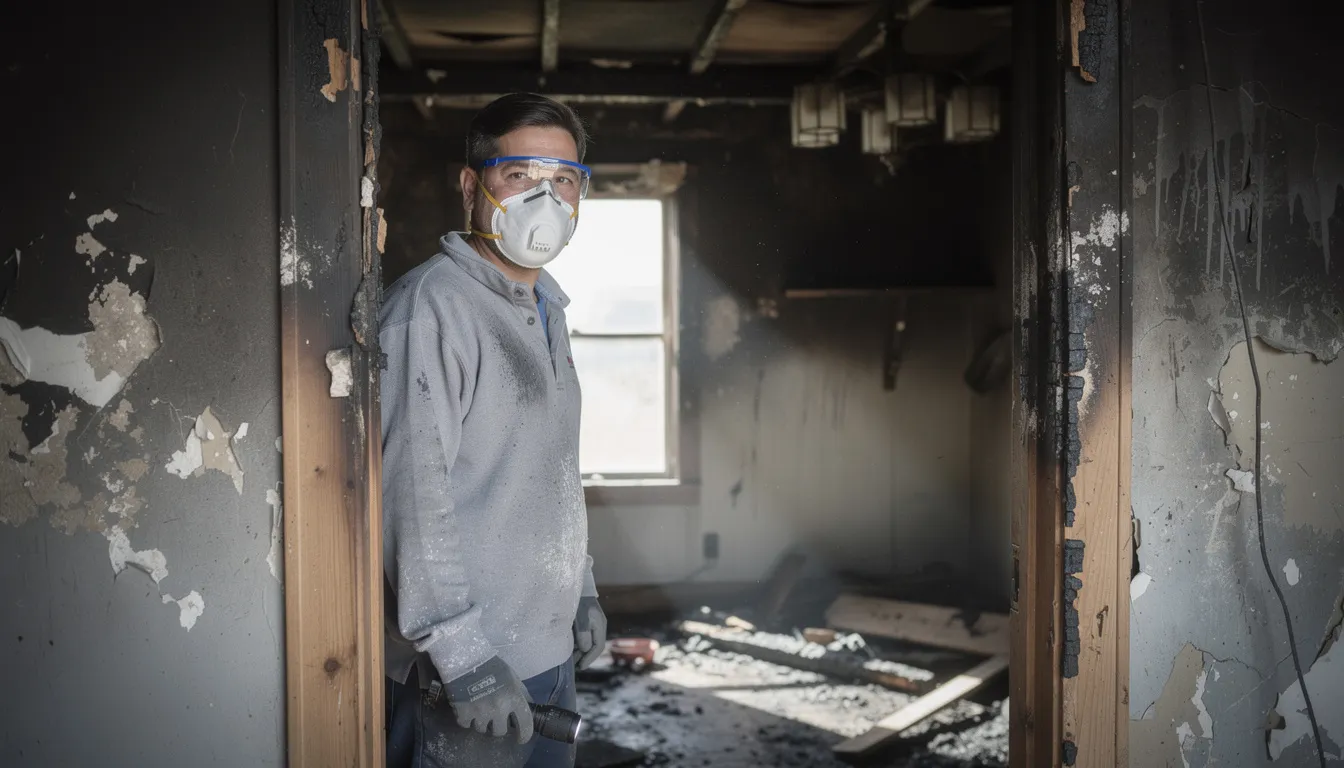
Essential safety steps before cleanup begins:
Wear proper PPE when inside: an N95 respirator or better, rubber gloves, long sleeves, and safety glasses—especially if walls or ceilings are visibly sooty
Evaluate structural damage before doing anything else; wet ceilings from firefighting water, sagging floors, or unstable walls require professional assessment
Document all damage with photos and video for your insurance company before moving or disposing of any items
Do not turn on central air, furnace, or any forced-air system, as this can spread smoke and soot deeper into ductwork and throughout the house
Check for standing water from firefighting efforts—mold can begin growing within 72 hours in wet conditions
For larger fires affecting multiple rooms or an entire floor, insurers often recommend or require professional restoration. If your home sustained significant smoke and water damage, set your expectations early: DIY cleanup may not be sufficient, and attempting it alone could compromise your insurance claim.
Ventilating and Clearing the Air
Ventilation is the first technical step once the fire is out and the structure is confirmed safe. However, it’s important to understand that ventilation alone will not remove all odor—it’s simply the starting point.
How to properly air out your home:
Open every operable window and exterior door throughout the house
Remove window and door screens to maximize airflow if it’s safe to do so
Position box fans or pedestal fans in windows facing outward to exhaust smoky air
Open windows on the opposite side of the home to pull in fresh air (cross-ventilation)
Repeat ventilation sessions over several days, ideally during milder weather when outdoor air quality is good
If your region experienced wildfires or industrial smoke events in 2023–2024, check local air quality indexes before heavy ventilation. Pulling in poor-quality outdoor air defeats the purpose.
Even after thorough ventilation, expect the smoke smell to persist. The particles embedded in surfaces, fabrics, and hidden areas require physical cleaning to remove. Ventilation clears airborne particles and helps dry out any moisture from firefighting, but it cannot extract smoke molecules that have bonded to your furniture, walls, and carpet.
Deep Cleaning Surfaces and Contents
Every surface touched by smoke needs attention: walls, ceilings, trim, floors, furniture, decor, and contents stored in cabinets and closets. Different materials require slightly different approaches and cleaning solutions.
Key principles before you start:
Heavy soot deposits must be handled carefully—rubbing dry soot can smear it and permanently stain porous surfaces
Specialized soot sponges (also called chemical sponges or dry-cleaning sponges) absorb residue rather than spreading it
General household degreasers and mild soap solutions work well for lighter contamination
Always test cleaning solutions in an inconspicuous spot first, especially on natural wood, antiques, or delicate finishes
The following subsections break down specific approaches for hard surfaces, fabrics, carpets, and hidden areas.
Cleaning Hard Surfaces: Walls, Ceilings, Trim, and Floors
Smoke often leaves a yellow-brown film on walls and ceilings that can bleed back through latex paint if not fully removed or sealed before repainting.
Step-by-step process for hard surface cleaning:
Start with dry-cleaning soot sponges on flat painted walls and ceilings before any wet cleaning
Wipe in one direction only—don’t scrub back and forth, which can grind soot deeper
Replace sponges frequently as they load up with soot (they’ll turn black quickly)
For wet cleaning, mix warm water with mild detergent and a TSP (trisodium phosphate) substitute
Use microfiber cloths or non-abrasive sponges, working from top to bottom: ceilings first, then upper walls, lower walls, doors, cabinets, baseboards, and finally floors
Change your cleaning water frequently to avoid re-depositing soot on clean surfaces
For non-carpeted floors, mop tile and vinyl with a degreasing solution. Clean hardwood carefully with a cleaner appropriate for the finish to avoid warping or damage.
Heavily contaminated drywall from a large fire may never lose its odor completely. In these cases, the affected area often must be replaced rather than repeatedly washed. If you notice persistent smell after multiple cleaning passes, the smoke damage has likely penetrated beyond what surface cleaning can address.
Cleaning Carpets, Rugs, and Upholstery
Soft surfaces act like sponges for smoke odor. Research indicates that carpets alone can harbor 70–90% of indoor smoke load due to their massive surface area and fibrous construction.
Recommended cleaning approach:
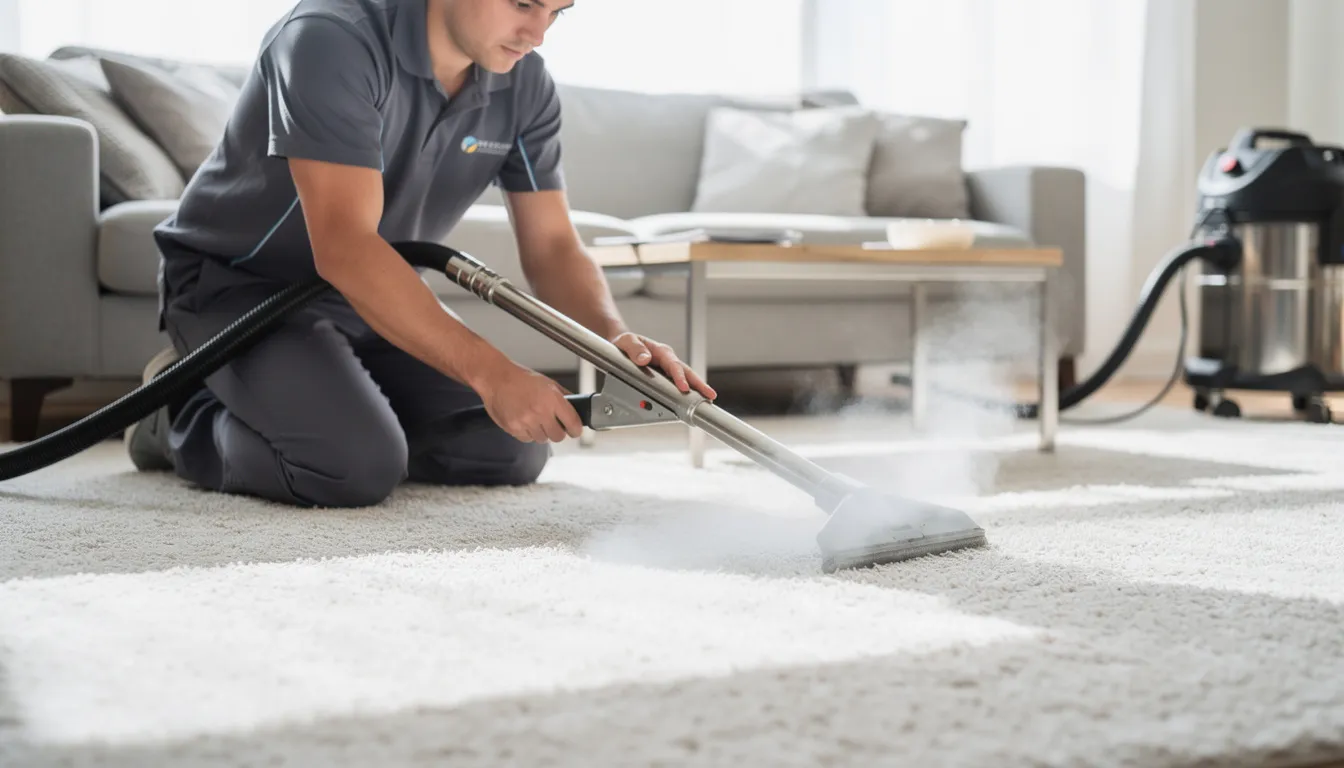
Start with a thorough vacuum using a HEPA-filter vacuum to capture fine soot particles without blowing them back into the room
For light to moderate smoke exposure, sprinkle baking soda liberally on carpets, let it sit overnight, then vacuum again to absorb some odor
For anything beyond a small, localized fire, schedule hot water extraction (steam cleaning) by a professional carpet cleaner or restoration company
Severely smoke-damaged carpet and pad may need complete removal, especially if soaked with firefighting water or if odor persists after professional cleaning
For upholstered furniture, spot-test any cleaning solution on a hidden area first. High-value pieces like sofas and armchairs often benefit from professional upholstery cleaning rather than DIY attempts that might damage fabric or fail to remove the smoke smell from the padding beneath.
Washing Fabrics, Clothing, and Linens
Clothing, bedding, towels, curtains, and soft decor quickly absorb smoke and can re-contaminate cleaned rooms if not treated separately.
Fabric cleaning recommendations:
Sort washable textiles and run them through multiple wash cycles using regular detergent plus white vinegar or baking soda to help neutralize odor
Air-dry items outdoors on clear days rather than using a dryer initially—high heat can bake residual smoke smell into fabric permanently
Take dry-clean-only garments, suits, and formal wear to a dry cleaner experienced with fire-smoke restoration; flag items as “fire-damaged”
Store freshly cleaned fabrics in sealed bins or away from the house (garage, storage unit) until the main structure no longer smells smoky
Don’t underestimate how many wash cycles might be needed. Some heavily affected items require three or more runs through the machine before the smoke smell fully dissipates. Using hot water for items that can tolerate it helps break down smoke residue more effectively.
Cleaning Hidden and Overlooked Areas
Smoke infiltrates places you might not think to check: inside drawers, behind cabinet doors, inside light fixtures, behind appliances, and along gaps in trim. These hidden areas often cause the persistent “whiff” of smoke that remains even after visible surfaces have been cleaned.
Checklist for hidden areas:
Empty kitchen and bathroom cabinets completely; wipe shelves, door fronts, and hardware with degreasing cleaner; leave doors open to air out
Remove contents from closets, clean shelves and rods, and launder or clean stored items like coats, shoes, and bags
Clean ceiling fan blades, light fixture covers, vent covers, and the tops of door frames where soot settles unnoticed
If safe to do so, pull out refrigerators, stoves, and washers/dryers to clean walls and floors behind and underneath them
Wipe down household items stored in affected rooms: books, decorative objects, picture frames, and electronics
Ignoring these spaces is one of the most common reasons smoke odor lingers. Every time you open a cabinet drawer or closet door in an untreated area, you release trapped smoke odors back into your freshly cleaned space.
Neutralizing Lingering Odors (Beyond Basic Cleaning)
Once visible soot is removed and surfaces are clean, some smoky smell may still linger—particularly after larger or hotter fires. This is where odor neutralization techniques come in.
DIY odor absorbers:
Place bowls of baking soda in affected rooms and closets; replace every few days for several weeks
Activated charcoal works similarly, absorbing odor molecules from the air over time
Commercial odor-neutralizing sprays and gels that use enzymes or other agents designed for smoke can help, but should be used after cleaning—not instead of it
Professional-grade options:
Method | How It Works | Considerations |
|---|---|---|
Ozone treatment | Ozone generators at 5–10 ppm break down odor molecules through oxidation, neutralizing up to 90% of smoke odors | Must be used in unoccupied spaces; health risks require 24–48 hour vacancy |
Hydroxyl generators | Produce safer hydroxyl radicals that can run continuously in occupied spaces | Slower than ozone but no evacuation required |
Thermal fogging | Releases deodorizing vapor that penetrates cracks and cavities like smoke itself did | Typically applied by certified restoration technicians |
Warning: Never be present in your home during ozone treatment. Ozone at effective concentrations poses serious respiratory risks and can create harmful byproducts.
Monitor odor levels over several days after cleaning and treatment. If the smell is fading, your efforts are working. If it remains stable or intensifies, deeper intervention—potentially including removal of contaminated materials—may be necessary.
HVAC Systems, Filters, and Ductwork
Your hvac system can be a major source of ongoing smoke contamination. Central heating and cooling systems pull smoke into ductwork and redistribute it through the house every time the system runs.
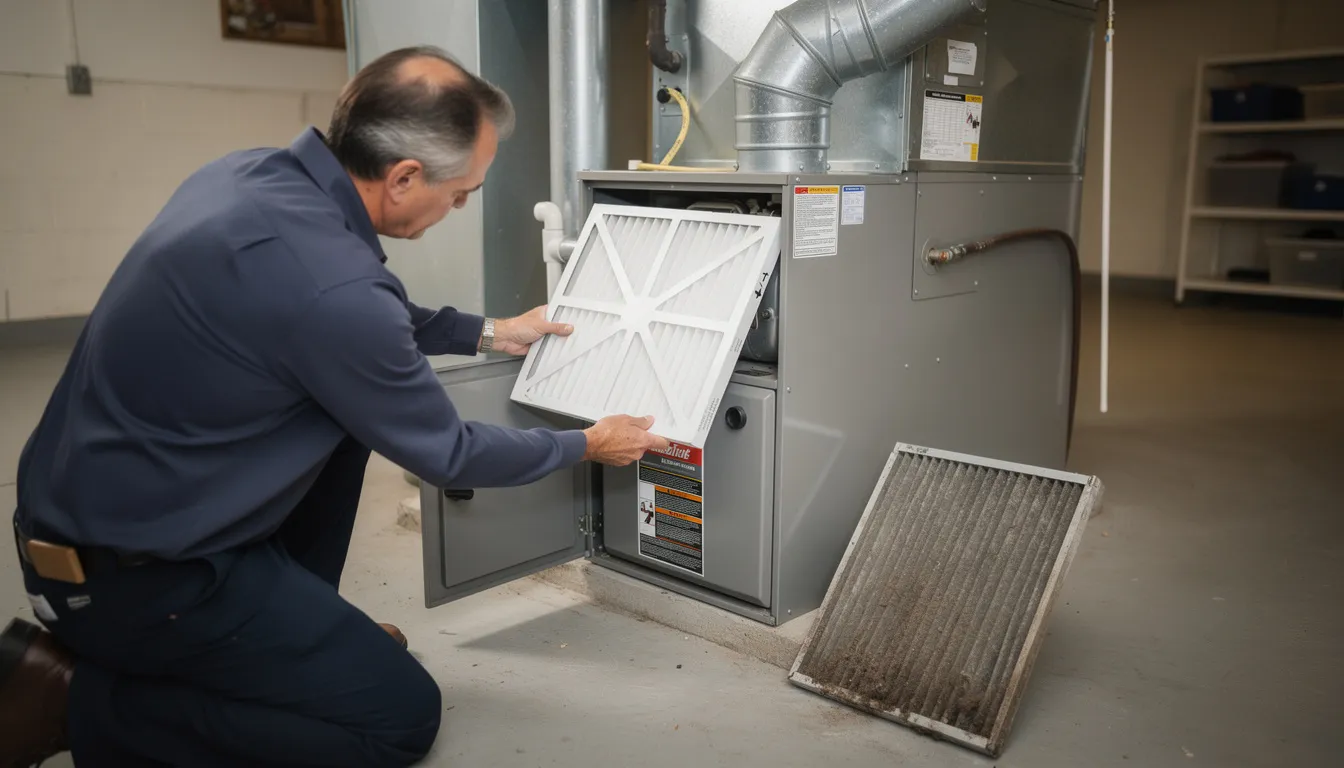
HVAC restoration checklist:
Keep the HVAC system powered down during heavy soot cleaning to avoid drawing particles into the system
Replace furnace or air-handler filters immediately after the fire is out, then again after initial cleaning
Continue replacing filters monthly until they stop darkening quickly—this indicates airborne particle levels have decreased
Clean or replace return-air grilles and supply vents; wipe metal surfaces and surrounding wall areas with degreasing cleaner
For significant fires or heavy soot accumulation, schedule professional duct cleaning, especially in older systems with fibrous duct liners
Portable air purifiers with HEPA and activated carbon filters can significantly reduce airborne particles and lingering odor in individual rooms. Position them in high-use areas like bedrooms and living rooms, and run them continuously for days or weeks during the cleanup process. Studies show properly sized HEPA air purifiers can reduce airborne particles by 50–80% within 24 hours.
When to Call Professional Fire and Smoke Restoration
Not every fire requires professional help, but many do. Here’s how to know when DIY isn’t enough.
Clear criteria for involving professionals:
Entire floors or multiple rooms affected by fire or heavy smoke
Blackened, blistered, or structurally damaged surfaces
Strong smoke odor persists weeks after thorough cleaning efforts
Concerns about toxins from burning plastics, electronics, or synthetic materials
Significant water damage from firefighting efforts (creates overlapping mold risks)
Insurance claim requires documented professional remediation
Professional restoration companies follow industry-standard methods like IICRC guidelines to evaluate structural components, insulation, and hidden cavities for smoke infiltration. They use assessment tools like residue swabs and odor meters to customize treatment plans.
What a typical professional visit involves:
Initial inspection with moisture and soot testing
Detailed estimate covering demolition, cleaning, deodorization, and rebuild where needed
“Pack out” of salvageable contents—furniture, electronics, documents—for off-site cleaning at specialized facilities
Structural work including sealing contaminated materials with odor-blocking primers
Final odor treatment using commercial-grade equipment
Cost data from post-2020 wildfires shows U.S. homes average $5,000–$20,000 in smoke remediation costs, with approximately 30% requiring HVAC replacement ($3,000–$7,000) and 40% needing insulation overhaul. Most insurance policies for house fires cover professional smoke and odor removal, but require documentation and sometimes pre-approval before work begins.
Don’t delay calling professional help if you notice headaches, respiratory symptoms, or stubborn odor despite diligent DIY efforts. Your health matters more than saving money on restoration.
Preventing Future Smoke Damage and Odors
Once you’ve worked through removing smoke smells and restored your home, prevention becomes the priority.
Fire safety essentials:
Install modern smoke alarms on every level of your home, including inside bedrooms and outside sleeping areas; test monthly
Create and practice a home fire escape plan with your household
Keep fire extinguishers in key locations: kitchen, garage, near mechanical room; check inspection dates annually
Schedule regular maintenance for stoves, dryers, fireplaces, chimneys, and electrical systems
Safer daily practices:
Never leave frying oil or active burners unattended
Keep combustible items (towels, paper, packaging) away from heat sources
Properly extinguish candles before leaving a room or going to sleep
Clean dryer lint traps after every use and inspect vent ducts annually
Even small incidents—like a single pan fire or a holiday candle mishap—should be ventilated and cleaned promptly to prevent stubborn odor from setting in. Smoke residue becomes increasingly difficult to remove the longer it sits, so treat every incident as an opportunity to act quickly before minor smoke damage becomes a major restoration project.
Taking proactive steps today protects your home, your health, and your peace of mind for the future.


Latest news