
Mold remover for wood: safe, fast ways to clean mold from wooden surfaces

Mold Remover for Wood: Safe, Fast Ways to Clean Mold from Wooden Surfaces
Mold on wood is more than an eyesore—it’s a structural threat that can weaken your furniture, framing, and floors if left unchecked. Whether you’re dealing with a fuzzy white patch on a bookshelf or dark staining on basement joists, the right mold remover and technique can restore your wood surfaces safely. This guide walks you through everything from quick DIY solutions to professional-grade approaches, helping you tackle mold on any wooden surface in your home.
Quick Answer: Best Ways to Remove Mold from Wood in 2024
The most effective mold removers for wood include commercial mold stain removers, diluted bleach (for outdoor or unfinished wood), 3% hydrogen peroxide, and distilled white vinegar. Your choice depends on the wood type, location, and severity of the infestation.
For finished indoor furniture—think a dining table, dresser, or hardwood floor—a mild solution works best. White vinegar diluted with water or a specialized wood-safe mold cleaner will remove mold without damaging the finish. These gentle options achieve up to 82% effectiveness against common household mold species while protecting your wood’s appearance.
Unfinished structural wood like framing lumber, deck boards, and exterior siding can handle stronger products. Sodium hypochlorite–based sprays (bleach formulations) and professional grade stain remover products penetrate deeper into raw wood fibers, tackling both visible growth and embedded spores.
Size matters for safety. The EPA recommends that mold patches smaller than approximately 10 square feet (roughly the size of a dinner table top) can typically be handled by homeowners. Larger infestations, recurring mold, or black mold hiding in walls require professional remediation to protect your health and ensure thorough stain removal.
What Makes Mold on Wood Different from Other Surfaces?
Wood presents unique challenges for mold removal that you won’t encounter with tile, glass, or vinyl. Because wood is both porous and organic, mold doesn’t just sit on the surface—it sends thread-like structures called hyphae up to ¼ inch deep into the material, feeding on the wood itself.
Here’s how mold behaves differently across wood types:
Unfinished framing lumber (studs, joists, rafters): Mold penetrates deeply and quickly when moisture content exceeds 15-20%. These structural components in houses under construction or after water damage are particularly vulnerable because they lack protective coatings.
Outdoor wood (decks, fences, playsets): Constant exposure to rain and humidity creates ideal conditions for mold growth. However, the open environment also makes cleaning easier with stronger solutions and better ventilation.
Finished indoor furniture and hardwood floors: Surface coatings limit mold penetration, but aggressive chemical removers that work on concrete or vinyl siding can discolor, bleach, or strip delicate finishes.
Moisture events are the primary trigger. A burst pipe during winter, heavy rain intrusion during a reroofing project, or even chronic humidity in a bathroom creates the wet conditions mold needs. Wood moisture content above 15%—easily checked with a moisture meter—signals active mold colonization requiring immediate attention.
Safety First: Protective Gear and When to Call a Professional
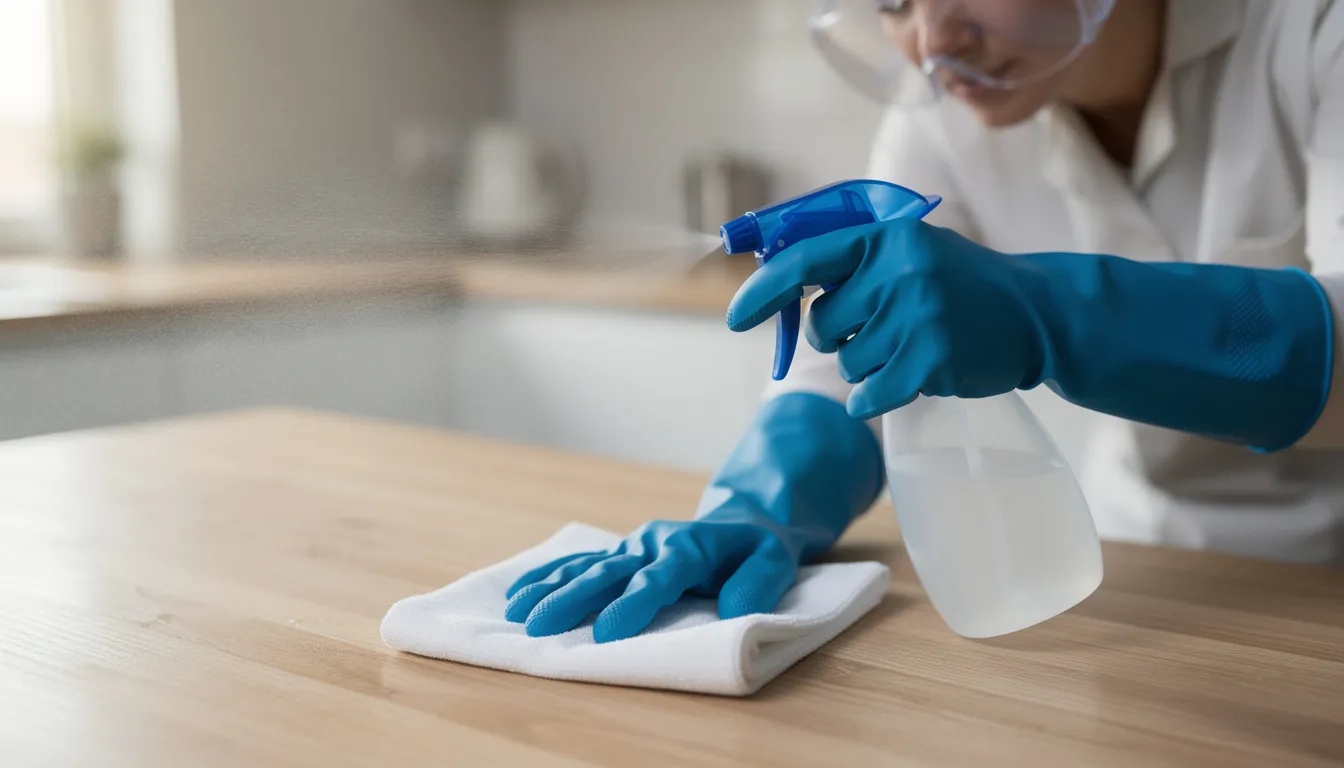
Breathing mold spores and chemical fumes poses real health risks, especially in small, poorly ventilated spaces. Research indicates that mycotoxin exposure from black mold affects 20-30% of sensitive individuals, triggering respiratory issues, allergy symptoms, and asthma flares. Taking precautions protects both you and your household.
Essential protective gear for cleaning mold:
N95 or KN95 respirator: A cloth mask isn’t sufficient. You need a respirator rated to filter fine particles, including mold spores.
Chemical-resistant rubber gloves: Nitrile or heavy-duty rubber gloves protect your hands from both mold and cleaning chemicals.
Safety goggles: Choose eye protection that fully covers your eyes, not just glasses. Spores and splashing solutions can cause irritation.
Old clothing: Wear clothes you can either wash immediately on hot or discard afterward.
Ventilation steps before you start:
Open all windows in the work area
Set up a box fan in a window, facing outward to exhaust air
Close doors to other rooms to prevent spores from spreading
Use plastic sheeting to isolate the affected area if working indoors on larger patches
Do not mix bleach with ammonia or ammonia-based cleaners. This combination releases chloramine gas, a serious pulmonary hazard that can cause immediate breathing problems.
When to stop DIY and call a professional remediator:
The moldy area exceeds approximately 10 square feet or keeps returning after cleaning
Household members experience persistent allergy-like symptoms, respiratory issues, or asthma flares that correlate with being home
Mold is inside walls, crawlspaces, or attics following roof or plumbing leaks
You discover black mold (Stachybotrys chartarum) or detect persistent musty odors even after surface cleaning
Types of Mold Removers for Wood (Pros, Cons, and Best Uses)
The term “mold remover” can mean different things: a stain remover that eliminates discoloration, a disinfectant that kills spores, or products that do both. Understanding the categories helps you choose the right tool for your specific situation. Products behave very differently on wood compared to non-porous surfaces like tile or glass.
Bleach-based sprays (sodium hypochlorite): These deliver fast stain removal and powerful mold killer action on surfaces. However, bleach carries a strong odor, risks lightening wood, and penetrates poorly into porous materials. The chlorine acts primarily on the surface, potentially killing visible mold while leaving subsurface hyphae intact. Best for outdoor decks, siding, and unfinished framing in basements or attics where some discoloration is acceptable.
Hydrogen peroxide solutions (3-6%): With approximately 85% effectiveness across mold species, peroxide offers good killing power with less harsh fumes than bleach. It fizzes on contact, releasing oxygen radicals that break down mold proteins, then breaks down into water and oxygen—leaving no residue. Can slightly lighten some finishes. Suitable for indoor furniture, subfloors, and areas where you want a residue-free result.
White vinegar (distilled, 5% acidity): A natural mold remover that can kill and inhibit surface mold through its acetic acid content. Studies show vinegar disrupts fungal cell walls in approximately 82% of common household species. Works more slowly than chemical options—often requiring 60 minutes of dwell time. Best for small, light patches on finished wood where you want to avoid chemicals.
Commercial wood-safe mold and mildew removers: These professional-grade formulations are designed for deep penetration into wood pores using special wetting agents and detergents. Many combine cleaning power with residual protection to inhibit regrowth. Ideal for contractors and homeowners who want faster, less labor-intensive results than DIY mixes, particularly for stubborn mold or mildew discoloration.
Detergent and water: Your first-line cleaner for light mold and mildew film. Detergents penetrates deep into surface grime and biofilm, preparing the wood for stronger treatments if needed. Always start here before escalating to harsher chemicals.
Bleach alone often only removes surface staining on porous wood. Specialized wood cleaners with surfactants soak into fibers without requiring aggressive sanding afterward.
Always test any mold remover on a hidden spot first. Many 2020-2024 finishes—especially water-based polyurethanes—react differently than older oil-based coatings and may cloud, discolor, or dull unexpectedly.
Step-by-Step: How to Remove Light Mold from Wood
Light mold appears as thin, surface-level gray or white fuzz without deep staining, typically covering an area under 2-3 square feet. Think of spots you might find on a coffee table stored in a damp basement or a pine bookshelf near a window with condensation issues.
Step 1 – Move the piece outdoors or to a garage, covered porch, or balcony if possible. This prevents spreading mold spores inside your living space. If moving isn’t practical, open windows, close doors to other rooms, and set up a fan exhausting air outside.
Step 2 – Dry brush and vacuum: Using a soft brush, gently loosen surface growth. Then vacuum the area with a HEPA-filter vacuum to capture spores. Dispose of the bag or empty the canister outside, away from doors and windows.
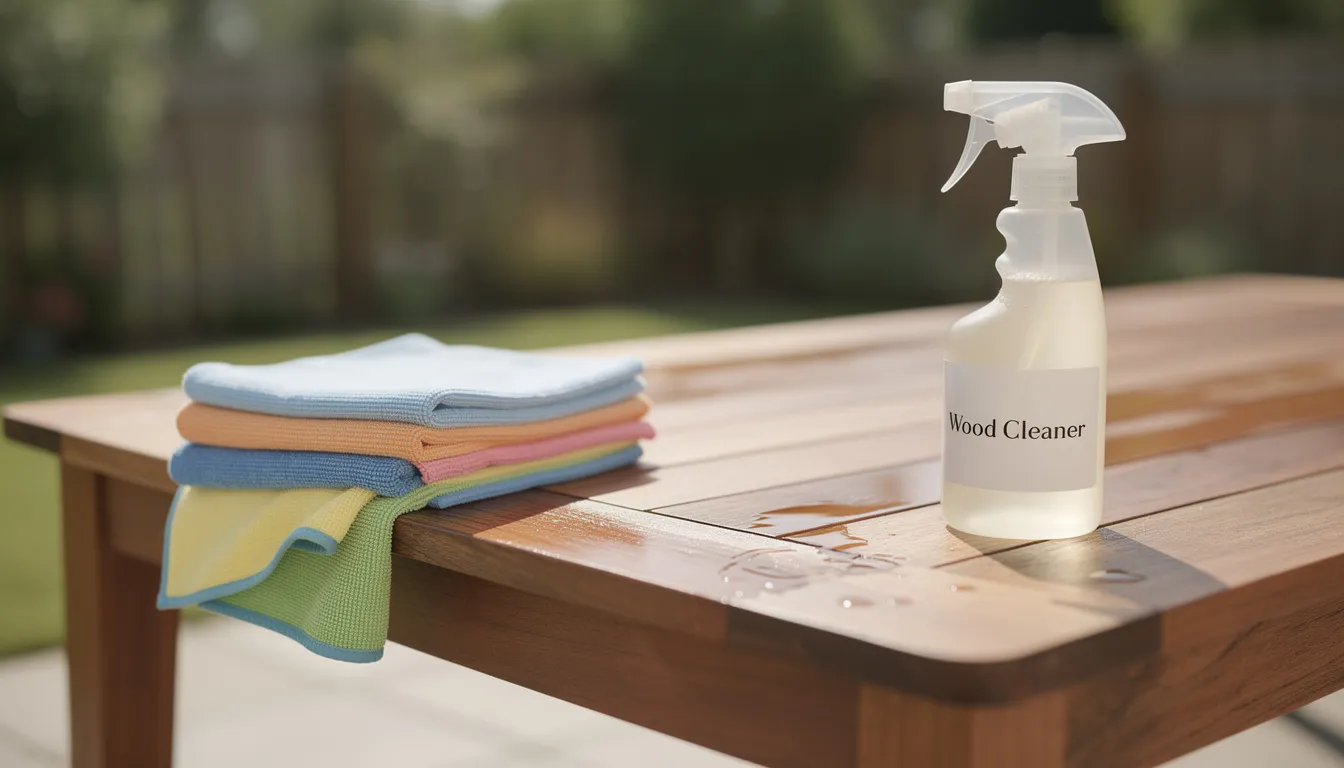
Step 3 – Mild cleaning solution: Fill a spray bottle with equal parts distilled white vinegar and water. Alternatively, use a ready-to-use wood-safe mold cleaner from your hardware store. Lightly mist a small area rather than soaking the wood—you want the surface damp, not wet.
Step 4 – Wipe and scrub: Use a soft microfiber cloth or soft-bristle brush to work the solution into the mold stained area. Follow the wood grain direction to avoid scratches. The cloth should be damp but not dripping.
Step 5 – Rinse and dry: Wipe the area with a clean, slightly damp cloth using plain water to rinse. Immediately follow with a dry cloth to remove moisture and prevent it from soaking into the wood pores.
Step 6 – Sun and airflow: Weather permitting, place the piece in indirect sunlight for a few hours during late morning or early afternoon. Allow it to air dry completely. Avoid harsh midday UV exposure that can warp or bleach certain finishes.
Avoid applying heavy fragrances or oil polishes immediately after treatment. Remaining moisture needs to escape freely to prevent creating conditions for more mold development.
Removing Stubborn or Deep Mold from Wood
Stubborn mold shows up as dark green or black patches, produces a persistent intense smell even after basic cleaning, or leaves mold stains that won’t budge with mild solutions. You’ll encounter this on basement shelving after flooding, attic rafters following roof leaks, or weathered wood that’s been neglected for years.
Deep mold requires a more aggressive approach:
Step 1 – Prepare area and gear: Confirm excellent ventilation—windows open, fans exhausting air outside. Wear full PPE: N95 respirator, chemical-resistant rubber gloves, and safety goggles. Protect nearby surfaces with plastic sheeting and painter’s tape.
Step 2 – Pre-clean: Wipe the affected area with a mild detergent solution to remove dirt, dust, and surface debris. This ensures stronger mold removers can penetrate the wood effectively rather than getting blocked by grime.
Step 3 – Choose a stronger mold remover: Prepare either a diluted bleach solution (1 cup household bleach to 1 gallon water with a few drops of dish soap) or use a contractor-grade mold stain remover formulated specifically for wood. Read label directions carefully.
Step 4 – Apply and dwell: Apply the solution with a sponge or garden sprayer, keeping the wood damp but not dripping. Allow 10-15 minutes of dwell time—or as specified on the product label—for the powerful mold discoloration remover to work. This sit time is critical for penetration.
For mechanical assistance when stains persist:
Step 5 – Light sanding if needed: While the wood is still slightly damp (which helps prevent spores from becoming airborne), sand stained spots with fine 120-220 grit sandpaper. Work along the grain. Avoid sanding finished furniture surfaces unless you plan to completely refinish afterward.
Step 6 – Repeat treatment: Reapply the mold remover to freshly sanded areas. Wipe the surface mold clean with a damp cloth, then dry thoroughly using fans or a dehumidifier. Target wood moisture content below 15% before considering the job complete.
Caution: Sanding finished hardwood floors, antique furniture, or veneered pieces often requires professional refinishing afterward. Consider sanding a last resort for valuable items. Over time, mold digests lignin in wood, potentially weakening the material by 20-50%—so address infestations promptly before structural damage becomes severe.
Never mix bleach with ammonia-based cleaners. The chemical reaction produces toxic chloramine gas.
Mold Remover for Outdoor Wood: Decks, Fences, and Playsets
Exterior wood—cedar decks, pressure-treated pine fences, backyard play structures—faces constant exposure to rain, humidity, and organic debris. This makes mold and mildew common problems, but outdoor settings also offer advantages: better ventilation, easier access, and tolerance for stronger cleaning solutions.
Ideal conditions for outdoor mold removal:
Weather timing: Clean on a dry, mild day with temperatures around 60-75°F (15-24°C). Ensure no rain is forecast for at least 24 hours so the wood can dry completely afterward.
Choose outdoor-safe products: Look for mold and mildew removers specifically labeled for decks and siding. Many combine sodium hypochlorite with detergents to break down grime and organic growth simultaneously. These products handle the dual challenge of mildew stains cleans and killing underlying spores.
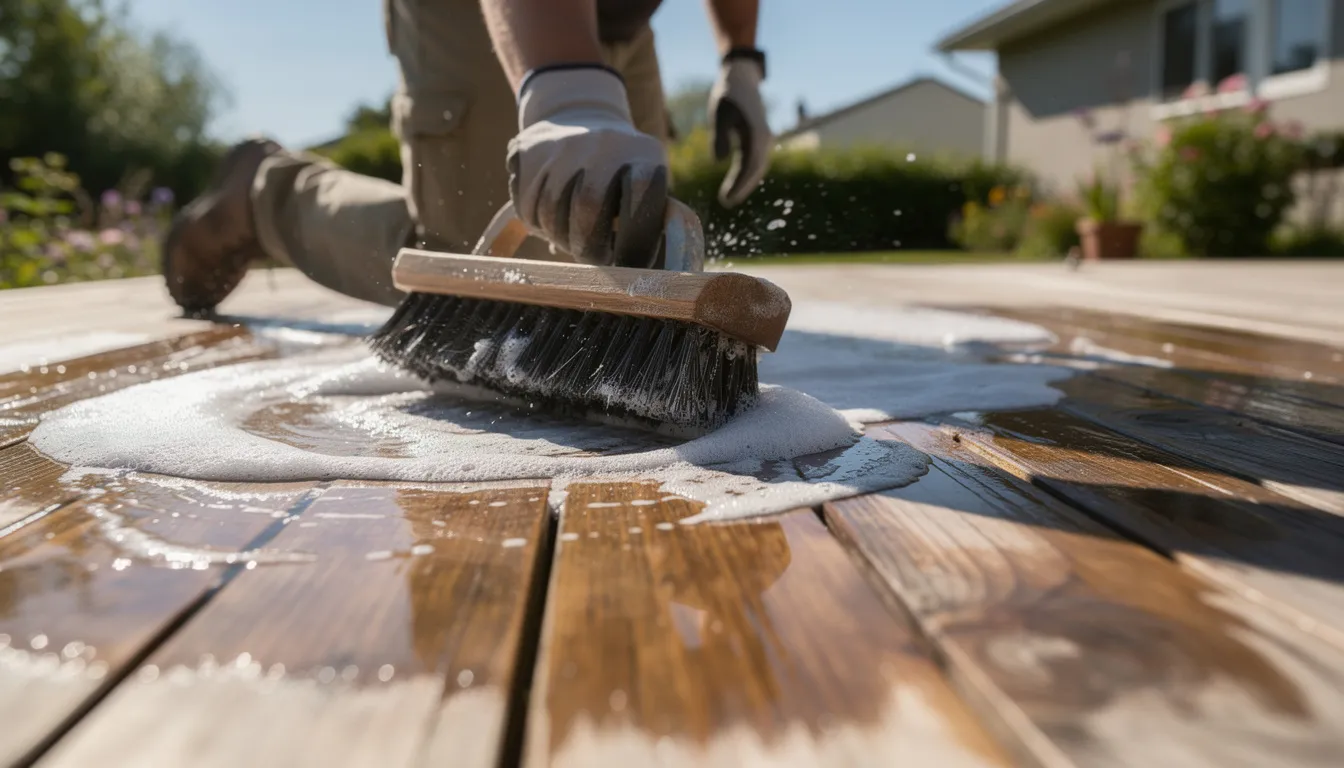
Application tools: Use pump sprayers for even coverage, stiff nylon deck brushes for scrubbing, and low-pressure rinsing with a garden hose. Avoid high-pressure washing on older or soft woods—it causes splintering and surface damage that creates new entry points for mold.
Process and safety for outdoor cleaning:
Pre-wet surrounding plants and grass with plain water before applying any mold remover. Rinse them again afterward to dilute chemical overspray and prevent damage.
Work in sections of 4-6 boards at a time. Scrub along the grain using your deck brush, then rinse thoroughly before moving to the next section. This prevents residue lines and ensures consistent results.
Brightening and restoration: Some specialized wood mold removers also function as a surface conditioner that brightens gray, weathered wood. After treatment, decks and fences can look significantly closer to their original color—especially valuable after years of exposure.
High-traffic areas and shaded zones (under trees, near downspouts) accumulate moisture and organic matter faster. Plan to re-treat these spots every spring or fall to prevent mold and mildew from building up before it becomes a major project.
Mold Remover for Indoor Wood: Furniture, Floors, and Trim
Indoor mold removal demands a careful approach. You need to eliminate the problem while preserving finishes and color on hardwood floors, baseboards, cabinets, and furniture. A dishwasher leak damaging kitchen toe-kicks or condensation causing mold on window trim requires gentle but effective intervention.
Furniture (tables, dressers, chairs): Start with mild solutions—vinegar and water, diluted hydrogen peroxide, or specialized wood-safe mold cleaners. Apply using microfiber cloths rather than spraying directly onto the surface. This controlled application prevents water rings and streaking while targeting the mold stained area precisely. Work in sections and wipe dry immediately.
Hardwood floors: Speed matters with floor mold. Treat small patches quickly using a minimally wet approach—damp cloths with your chosen solution applied directly rather than poured or sprayed heavily. Moisture sitting on hardwood causes swelling and warping. Follow cleaning with soft towels for drying, then run fans to ensure complete moisture removal from the wood.
Baseboards and trim: These areas collect moisture in crevices and joints where walls meet floors. Use a soft brush or cloth wrapped around a thin tool to work your mold remover into tight spaces. Be careful not to soak the drywall behind trim—this creates new mold problems rather than solving existing ones.
Protecting finishes during removal:
Test any product on a hidden area first—inside a table leg, behind a drawer, or under a cabinet overhang. Check for discoloration, cloudiness, or finish dulling before treating visible surfaces.
Semi-gloss and satin finishes from common brands (particularly water-based polyurethanes from 2020-2024) may become cloudy if oversaturated with water-based cleaners. Use minimal moisture and dry promptly.
Once everything is completely dry and you’ve confirmed the mold is gone, consider applying a wood conditioner or finish restorer if surfaces look dull. However, wait until you’re certain the problem is fully resolved—applying products over remaining mold traps it beneath the surface.
DIY Mold Remover Solutions vs. Commercial Products
Homeowners typically start with pantry solutions like vinegar or dish soap, while professional restoration contractors rely on commercial formulations for speed, consistency, and verified results. Both approaches have their place depending on your situation.
DIY options:
Vinegar solution: Mix equal parts white vinegar and water in a spray bottle. Effective for light mold and prevention, achieving approximately 82% kill rate against common species. Limitation: requires longer dwell time (up to 60 minutes) and may need repeated applications for complete removal. The vinegar odor dissipates within 2-3 hours.
Hydrogen peroxide mix: Apply 3% hydrogen peroxide (standard drugstore concentration) with a spray bottle or cloth. Good for light staining with a typical contact time of 10 minutes before wiping. Breaks down into water and oxygen, leaving no residue—the only product that eliminates scrubbing perfect for delicate surfaces in some cases.
Dish soap and warm water: Best as a first pass to remove dirt and biofilm. This wash step allows other agents to reach the mold directly rather than being blocked by surface grime.
Commercial products:
Wood-focused mold removers are formulated with special wetting agents and detergents that penetrate wood pores more deeply than household bleach alone. This reduces the need for aggressive scrubbing that can damage finishes.
Advantages include faster stain removal (often under a minute for visible mold stains), compatibility with various wood types, and clear label directions for different applications—decks versus structural framing versus furniture.
The best mold remover products for severe cases include enzyme-based cleaners that biodegrade organic matter feeding mold, providing longer-lasting results than surface-level treatments alone.
Before purchasing any commercial product, check safety data, indoor/outdoor suitability, and whether it functions as a cleaner, mildew stain remover, or registered antimicrobial. Bathroom cleaners designed for tile, for example, may contain corrosive ingredients that damage wood. Understanding the product category ensures you use it correctly and safely.
Preventing Mold from Returning on Wood
Removing mold is only half the job. Research shows that up to 90% of mold recurrence cases trace back to unresolved moisture problems. Lasting results depend on controlling humidity, fixing water intrusion, and improving airflow around wood surfaces throughout your house.
Control humidity levels:
Keep indoor relative humidity under 50% using dehumidifiers in basements, bathrooms, and other moisture-prone areas. This is especially critical during humid summers and heat waves.
A simple hygrometer (humidity meter) helps you monitor conditions in problem areas.
Fix leaks quickly:
Repair roof, window, or plumbing leaks within 24-48 hours of discovery.
Dry affected wood immediately using fans, dehumidifiers, or professional drying equipment to prevent mold spores from establishing colonies.
Improve ventilation:
Use exhaust fans in kitchens and bathrooms vented directly outdoors—not into attics where moisture accumulates.
Keep furniture positioned a few inches away from exterior walls so air can circulate and prevent condensation forming in a moldy environment.
Maintenance practices:
Seal and finish wood: Periodically seal decks, fences, and outdoor furniture with appropriate stains or sealers. Maintain interior finishes to reduce moisture absorption into wood fibers. Proper sealing can reduce mold regrowth by 80-95% in humid zones.
Regular inspections: Check attics, crawlspaces, areas around water heaters, and under sinks seasonally for early signs of moisture and mold on wood components. Catching problems early prevents expensive remediation.
Lifestyle habits that help prevent future growth:
Wipe up spills promptly on hardwood floors—don’t let moisture sit
Avoid long-term storage of damp boxes or materials on wooden shelving
Use mats near exterior doors to catch moisture from shoes
Ensure metal fixtures like plumbing pipes don’t create condensation drips onto wood surfaces
Frequently Asked Questions about Mold Remover for Wood
Can I use straight bleach on wood? Straight bleach can disinfect and remove mold stains on some outdoor, unfinished wood. However, it may damage or discolor indoor finishes and doesn’t always reach deep into porous fibers where mold hyphae grow. Diluted bleach (1 cup per gallon of water) is safer for most applications, but still test on a hidden area first.
Is vinegar enough to kill black mold on wood? Vinegar helps with small, surface-level mold issues, but extensive black mold or structural damage requires professional assessment. Black mold (Stachybotrys chartarum) produces mycotoxins that pose health risks, and DIY removal may spread spores further if not done in a well ventilated area with proper containment.
Will mold remover damage my wood finish? It can, which is why spot-testing matters. Wood-safe products are formulated to be gentler, but even mild cleaners can cloud certain polyurethane finishes. Test on an inconspicuous spot, wait 24 hours, and check for changes before treating visible areas.
How long should mold remover sit on wood? Dwell times vary by product. Commercial mold removers typically require 10-15 minutes—always follow label directions. Vinegar solutions work best with up to 60 minutes of contact time. Hydrogen peroxide usually needs about 10 minutes. Never let any solution dry on the wood; wipe before it evaporates completely.
Is it safe to keep furniture that had mold? If cleaned thoroughly, dried completely, and mold doesn’t return over several weeks of monitoring, furniture is usually safe to keep and use. However, items with deep infestation, persistent odor, or that belonged to someone with health concerns related to mold exposure may need to be discarded. When in doubt about other surfaces and materials in your home affected by the same moisture event, consult a remediation professional.
Do I need to rinse after using mold remover? For most products, yes. Wipe with a clean, damp cloth after treatment to remove chemical residue. Some wood-safe cleaners are designed to leave a protective film that helps prevent spores from reestablishing—check your product’s instructions to determine whether rinsing is recommended or should be skipped.
Can I prevent mold by just keeping wood dry? Moisture control is the foundation of mold prevention, but it’s not the only factor. Good ventilation, proper sealing, and regular cleaning also matter. Wood that stays below 15% moisture content rarely develops mold problems, but covered storage areas with poor airflow can still accumulate enough humidity for spreading growth even without direct water contact.
Key Takeaways
Cleaning mold from wood requires matching your approach to the wood type, mold severity, and location. Start with safety gear—respirators, rubber gloves, and eye protection are non-negotiable. For light mold, mild solutions like vinegar or hydrogen peroxide work well on finished surfaces without damaging coatings.
Stubborn or deep mold demands stronger commercial products, potentially followed by careful sanding on unfinished structural wood. Always ensure adequate ventilation, never mix bleach with ammonia, and recognize when the job exceeds DIY scope—anything over 10 square feet or involving hidden mold in walls warrants professional help.
The real key to success lies in prevention. Address moisture problems at their source, maintain humidity below 50%, and inspect vulnerable areas regularly. With the right mold remover for wood and consistent moisture management, you can protect both your health and your home’s wooden surfaces for years to come.


Latest news