
Symptoms of Mould exposure

Symptoms of Mould Exposure
Mould exposure affects millions of people each year, yet many struggle to recognise the warning signs. Whether you’re dealing with a persistent cough that won’t quit or unexplained fatigue, understanding the health effects of mould in your home or workplace is the first step toward feeling better.
Quick overview: common symptoms of mould exposure
If you’ve been exposed to mold, your body will likely let you know. The common symptoms of mould exposure typically affect the respiratory system first, but can extend to other areas depending on how long and how heavily you’ve been exposed.
Early warning signs include:
Sneezing and runny or stuffy nose
Dry or productive cough
Wheezing or whistling when breathing
Itchy, watery, or red eyes
Sore or scratchy throat
Skin rashes or itchy skin
Recurring headaches
Unexplained fatigue and low energy
Symptoms requiring urgent medical attention:
Difficulty breathing or severe shortness of breath
Chest tightness or chest pain
Coughing up blood
High fever with respiratory symptoms
Confusion or altered mental state
The severity of your symptoms depends on several factors: how much mould you’ve been exposed to, how long the exposure has lasted, and your individual health profile. People with asthma, existing allergies, or a compromised immune system typically experience more intense reactions.
As a general rule, mild symptoms resemble hay fever type symptoms and usually resolve when you leave the mouldy environment. Moderate symptoms persist longer and may require medical treatment. Severe symptoms indicate significant exposure or underlying vulnerability and need prompt professional care.
What is mould and how does exposure happen?
Mould is a type of fungus that reproduces by releasing microscopic mold spores into the air. These spores float through indoor and outdoor environments, and when they land on damp surfaces, mold grows and spreads. Common molds found indoors include Aspergillus, Penicillium, Cladosporium, and the often-discussed black mold (Stachybotrys chartarum).
Mould thrives wherever there’s excessive moisture combined with organic material. This means your home provides plenty of opportunities for mold growth if conditions are right.
Common indoor mould hot spots:
Bathroom tiles, grout, and shower curtains
Basement walls, especially in older homes without proper ventilation
Window frames and sills with condensation buildup
Water-damaged drywall after leaks or floods
Carpets and rugs in damp areas
Behind wallpaper or panelling
Ceiling tiles in rooms with roof leaks
Around air conditioner units and condensation coils
Exposure to mold happens primarily through breathing in airborne spores and fragments. However, you can also experience allergic responses through direct skin contact with contaminated materials or by eating visibly mouldy food.
In temperate climates, outdoor mold counts peak during late summer and autumn when decaying vegetation releases spores. In humid or coastal regions, mould can be a year-round problem both indoors and outdoors.
One important clarification: the colour of mould—whether black, green, white, or orange—doesn’t by itself indicate how dangerous it is. The Environmental Protection Agency and disease control authorities recommend treating all visible mold growth seriously, regardless of colour.
Respiratory and sinus symptoms of mould exposure
The airways and sinuses bear the brunt of mould exposure because mold spores enter your body primarily through inhalation. Your respiratory system essentially acts as the first line of defence, which is why these symptoms often appear earliest and most prominently.
Upper respiratory symptoms:
Frequent sneezing
Runny or blocked nose
Postnasal drip
Sinus pressure and facial pain
Sore or scratchy throat
Constant need to clear your throat
Throat irritation that doesn’t respond to typical remedies
Lower respiratory symptoms:
Persistent dry or productive cough
Wheezing or whistling sounds when breathing
Chest tightness, especially when inhaling deeply
Shortness of breath during normal activities
Worsening of existing asthma or chronic lung disease symptoms
Increased reliance on rescue inhalers
How do you distinguish mould-related respiratory issues from an ordinary cold or seasonal allergies? Look for these patterns:
Your symptoms worsen in a specific room or building and improve when you’re away. They persist beyond the typical 7-10 day duration of a viral infection—often continuing for 3-4 weeks or longer. You notice a correlation between time spent in damp environments and symptom severity.
Long-term exposure in susceptible individuals can contribute to chronic sinusitis, recurrent bronchitis-like illnesses, and progressive decline in respiratory function. If you’re experiencing nasal congestion that simply won’t resolve, mould in your environment may be a contributing factor worth investigating.
Allergic reactions and mould-related asthma
A mold allergy works similarly to pollen or dust mite allergy—it’s an IgE-mediated immune response where your body overreacts to something that isn’t inherently harmful. When someone with a mold allergy breathes in spores, their immune system recognises them as invaders and releases histamine and other inflammatory chemicals. This inflammatory reaction happens within seconds to minutes of exposure.
Typical allergy symptoms include:
Itchy nose with frequent sneezing
Itchy, red, or irritated eyes
Runny nose (allergic rhinitis)
Watery eyes and eye irritation
Itchy skin, hives, or skin rash after contact
General feeling of “stuffiness” in the head
The overlap between allergy symptoms and asthma symptoms is significant. Many people with mold allergy also have asthma, and mould exposure can trigger or worsen both conditions simultaneously. This dual response creates a compounding effect where upper respiratory allergy symptoms combine with lower airway constriction.
Signs that mould is triggering asthma:
Episodes of wheezing that correlate with being in specific locations
Tight chest sensation, especially at night
Night-time coughing that disrupts sleep
Needing to use your rescue inhaler more frequently than usual
Asthma attacks triggered by entering basements, older offices, or bathrooms without proper exhaust fans
Some people only notice problems in specific damp, musty spaces. If your symptoms flare in one particular building but not others, that’s a strong indicator of localised mold issues affecting your indoor air quality.
In rare but more serious cases, significant mould exposure can lead to conditions like hypersensitivity pneumonitis (an inflammatory response deep in the lungs) or allergic bronchopulmonary aspergillosis (ABPA), particularly in people with occupational exposure such as farmers, construction workers, or those working in mouldy buildings. These conditions require specialist evaluation and treatment.
For ongoing allergy management, some individuals benefit from allergy shots (immunotherapy), though effectiveness varies. Consulting with an allergy foundation or environmental medicine specialist can help determine the best approach for your situation.

Neurological, cognitive, and mood symptoms
Beyond the respiratory system, some people report “whole-body” symptoms with prolonged mould exposure, particularly effects on the brain and nervous system. The mechanisms behind these symptoms are still being actively researched, with mycotoxins—toxic compounds produced by certain moulds—suspected as a primary cause of mold toxicity affecting the nervous system.
Mycotoxins can trigger inflammation in the brain and irritate the central nervous system. This may explain why some people exposed to mold experience symptoms that extend far beyond typical allergy presentations.
Commonly reported neurological and cognitive complaints:
Brain fog and difficulty thinking clearly
Slower mental processing speed
Trouble concentrating at work or school
Short-term memory problems
Morning headaches that improve after leaving home
Migraines that worsen in mouldy environments
Tingling or numbness in hands and feet
Cognitive difficulties that interfere with daily tasks
Mood-related changes linked to chronic exposure:
Increased irritability and short temper
Heightened anxiety without clear cause
Low mood or symptoms resembling depression
Mood swings that seem disproportionate to circumstances
Reduced tolerance for stress
Poor sleep quality or insomnia
Feeling “wired but tired”
These symptoms are notably non-specific—stress, viral infections, hormonal changes, and many other factors can produce similar effects. Mould should be considered as one possible contributor rather than automatically assumed to be the sole explanation. However, if these symptoms appeared or worsened after moving to a new home, starting work in a different building, or following water damage, the connection is worth exploring.
People with existing neurological or mental health conditions may find their baseline symptoms worsen when living or working in a damp, moldy environment. The added inflammatory burden can tip a manageable condition into something more difficult to control.
Skin, eye, and digestive symptoms
While the airways receive most of the attention in discussions of mould exposure, your eyes, skin, and digestive system can also react to mould and its byproducts. These symptoms often accompany respiratory issues but can sometimes appear independently.
Eye symptoms:
Red, itchy, or burning eyes
Excessive watering or tearing
Gritty “sand in the eye” sensation
Increased discomfort when wearing contact lenses in mouldy spaces
Persistent eye irritation that doesn’t respond to typical eye drops
Skin symptoms:
Itchy rash or hives after exposure
Dry, scaly patches on exposed skin
Worsening eczema or dermatitis
Reactions after touching mouldy surfaces, fabrics, or porous materials
Skin irritation concentrated on hands and arms (contact areas)
Using rubber gloves when cleaning potentially mouldy areas can help prevent direct skin contact and reduce these reactions.
Digestive complaints:
Nausea, particularly after time in mouldy spaces
Abdominal pain or cramping
Bloating and gas
Diarrhoea or irregular bowel movements
Decreased appetite
Digestive symptoms most commonly occur after ingesting mouldy or mycotoxin-contaminated foods. Serious gut illness from environmental mould in homes is less common than respiratory effects, but low-grade digestive symptoms may coexist with other signs of exposure. Some research suggests mycotoxins can disrupt the gut microbiome, potentially contributing to ongoing digestive sensitivity.
Who is most at risk from mould exposure?
Anyone can experience irritation from high levels of mould, but certain groups face significantly greater health risks. For these vulnerable populations, what might cause mild symptoms in a healthy adult could lead to serious illness.
High-risk groups include:
People with asthma or existing respiratory conditions
Individuals with chronic lung disease such as COPD or cystic fibrosis
Those with known mould allergies or environmental sensitivities
Young children, whose immune systems are still developing
Adults over 65, who may have reduced immune function
Pregnant women
People with weakened immune systems, including:
Cancer patients undergoing chemotherapy
Organ transplant recipients on immunosuppressive medications
Individuals on long-term corticosteroid therapy
People living with HIV/AIDS
Workers with occupational exposure:
Construction and remediation workers handling contaminated materials
Farmers regularly exposed to hay, grain, and compost
Staff in archives, libraries, or museums with water damage
Employees in older, poorly ventilated buildings
Healthcare workers in flood-affected facilities
For these groups, mould exposure can lead beyond typical allergy and irritation to actual fungal infections of the lungs, sinuses, or skin. A person with a severely weakened immune system might develop invasive aspergillosis—a serious condition requiring aggressive medical treatment.
Interestingly, pets can also show signs of mould exposure. If your dog or cat develops unexplained coughing, sneezing, scratching, or skin irritation, it may be worth investigating your home for mold issues. Animals often spend more time at floor level where spore concentrations can be higher.
Short-term vs long-term health effects of mould exposure
The health consequences of mould exposure differ significantly depending on whether you’re dealing with a brief encounter or ongoing chronic exposure over months or years. Understanding this distinction helps you gauge the urgency of addressing mould in your environment.
Short-term exposure effects:
Transient allergy-like symptoms that resolve quickly
Temporary cough or throat irritation
Mild headaches while in the moldy environment
Sneezing and runny nose that clears within hours
Symptoms improve within days after leaving the affected area
Generally no lasting health consequences in healthy individuals
Long-term exposure effects (months to years):
Chronic nasal congestion that becomes your “new normal”
Recurrent sinusitis requiring repeated antibiotic courses
Persistent cough that doesn’t fully resolve
Progressive worsening of asthma symptoms
Chronic fatigue and reduced stamina
Ongoing cognitive complaints and brain fog
Increased susceptibility to respiratory infections
Development of new sensitivities to chemicals and fragrances
In severe cases, pulmonary fibrosis (scarring of lung tissue)
For severely immunocompromised individuals, chronic exposure may contribute to serious fungal infections such as aspergillosis. These conditions require specialist care and can be life-threatening if not treated promptly.
The key message: long-term mould problems in a home or workplace should be treated as both a building issue and a health issue. Poor ventilation, ongoing water leaks, and unaddressed dampness aren’t just cosmetic problems—they represent ongoing health hazards that worsen with time.
When to see a doctor and what to tell them
If you’re experiencing persistent or worsening symptoms that might be linked to mould, don’t dismiss them as “just allergies.” This is especially important if you’re having breathing difficulties or belong to a high-risk group.
Red-flag symptoms requiring prompt medical review:
Difficulty breathing or rapidly worsening shortness of breath
Chest pain or severe chest tightness
Coughing up blood
High fever combined with respiratory symptoms
Confusion or altered mental state
Symptoms in someone with a very weakened immune system
Severe allergic reactions including facial swelling
What information helps your healthcare professional:
When your symptoms started and how they’ve progressed
Where symptoms are worse (home, work, school) and where they improve
Presence of visible mold or musty smells in your environment
History of water leaks, flooding, or dampness in your building
Previous diagnoses of allergies, asthma, or respiratory conditions
Any recent changes in your living or working environment
Whether family members or coworkers have similar symptoms
Possible diagnostic steps your doctor may use:
Physical examination including lung auscultation
Lung function tests (spirometry)
Allergy skin prick tests or blood tests for specific mould antibodies
Chest X-ray or CT scan in more serious cases
Sputum cultures if fungal infection is suspected
Referral to an allergist or pulmonologist for complex cases
Seek emergency care immediately if breathing is rapidly worsening or if a child, elderly person, or immunocompromised individual becomes suddenly very unwell after being in a moldy environment. Don’t wait to “see if it gets better.”
Professional mold testing of your home can provide objective evidence to share with your doctor and help establish the connection between your environment and symptoms.
Reducing symptoms by tackling mould in your environment
Lasting symptom relief usually requires a two-pronged approach: medical treatment for your current symptoms and practical steps to reduce mould exposure at its mold source. One without the other often leads to recurring problems.
Fix moisture problems promptly:
Repair roof and plumbing water leaks within 24-48 hours
Dry wet areas immediately after spills or minor flooding
Address condensation on windows and pipes
Promote groundwater drainage away from your building’s foundation
Fix any issues that allow excessive moisture to accumulate
Control indoor humidity:
Keep indoor humidity levels below 50% (ideally 30-50%)
Use dehumidifiers in basements, bathrooms, and other damp areas
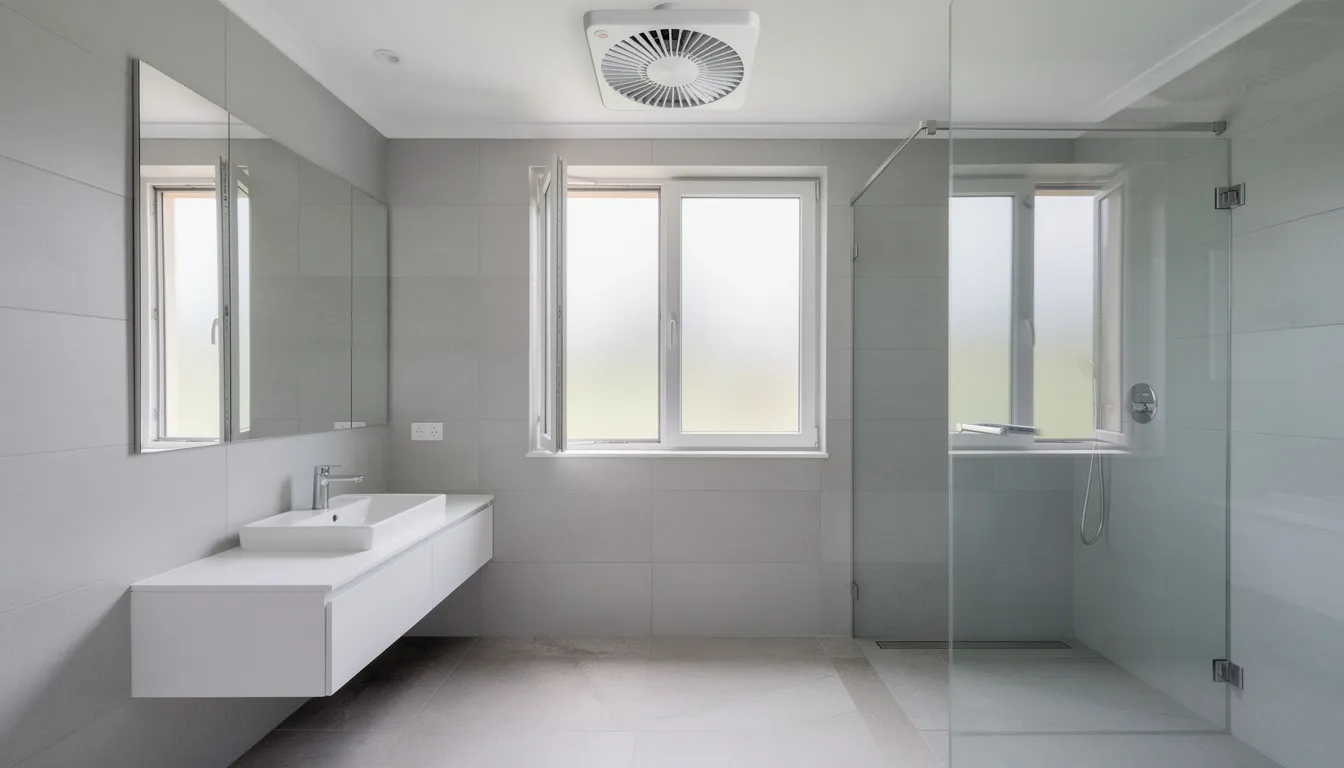
Run exhaust fans in bathrooms and kitchens, vented to outdoors
Ensure your central air conditioning system is properly maintained
Clean condensation coils and drip pans on air conditioner units regularly
Consider mold inhibitors in paints for high-moisture rooms
Improve ventilation:
Use exhaust fans during and after showers and cooking
Open windows regularly when weather and outdoor air quality allow fresh air circulation
Ensure proper ventilation in attics and crawl spaces
Don’t block air vents with furniture or storage
Clean and remove mould:
Clean small areas of mould on hard surfaces using mold killing products
Wear rubber gloves and an N95 mask when cleaning mould
Remove and safely dispose of heavily mouldy porous materials (ceiling tiles, drywall, carpets)
Don’t simply paint over visible mold—it will return
Filter and purify indoor air:
Use high efficiency particulate air (HEPA) filters in your HVAC system
Consider air purifiers with HEPA filters in bedrooms and living spaces
Replace filters regularly to trap mold spores effectively
Vacuum with HEPA-equipped vacuums to reduce settled spores
Know when to call professionals:
Extensive mould covering more than 10 square feet
Hidden mould inside walls or HVAC systems
Mould resulting from sewage or contaminated water
Situations following major flooding
When symptoms persist despite DIY cleaning efforts
Simply covering up mould with paint or air fresheners doesn’t solve the problem—it allows the issue to worsen while masking the warning signs. Professional remediation may be necessary for significant contamination.
Key takeaways
Mould exposure symptoms range from mild (sneezing, runny nose, itchy eyes) to severe (breathing difficulties, chest pain, cognitive problems)
The respiratory system is typically affected first since mold spores are primarily inhaled
People with asthma, allergies, or weakened immune systems face higher risks from exposure
Long-term exposure can lead to chronic health issues including persistent respiratory problems and cognitive symptoms
Symptom patterns—worse in certain locations, improving when away—can help identify mould as a cause
Medical evaluation is important for persistent symptoms, especially breathing problems
Effective management requires both medical treatment and addressing the environmental mould source
Prevention through humidity control, proper ventilation, and prompt leak repair is the best long-term strategy
If you suspect mould is affecting your health, start by documenting your symptoms and their patterns. Inspect your home for visible mold and signs of moisture problems. Most importantly, don’t ignore persistent symptoms—consult a healthcare professional and consider professional mold testing to get clear answers about what you’re dealing with.


Latest news