Car smell removal service TACT North
Car Smell Removal Service – T.A.C.T. North Atlanta
When your car smells wrong—really wrong—no amount of air fresheners or weekend scrubbing will fix it. Whether it’s embedded cigarette smoke, mold growth from last year’s flood, or something far worse, you need a professional approach that goes beyond standard car detailing. T.A.C.T. North Atlanta provides biohazard-grade car smell removal service across the North Atlanta region, using the same decontamination expertise we bring to crime scenes, trauma cleanup, and mold remediation.
Fast Answer: Our Car Odor Removal Service at a Glance
T.A.C.T. North Atlanta provides professional, biohazard-grade car smell removal across North Atlanta with 24/7 availability for urgent situations. We don’t just mask unpleasant smells—we eliminate them at the source using proven remediation techniques.
Odor types we remove:
Cigarette smoke, cigar smoke, and vape residue
Mold and mildew from water intrusion or flood damage
Pet odors including urine, dander, and wet animal smell
Food spills and rotting organic matter
Body fluids (blood, vomit, urine) from illness or trauma
Rodent and mouse infestation odors
Flood water and sewer contamination smells
Typical pricing: Expect to pay approximately $175–$450 or more in 2026, depending on the odor source, severity, vehicle size, and whether biohazard cleanup is required. We provide written estimates before any work begins.
What sets us apart: We do far more than detailing. Our odor removal process includes professional decontamination, ozone treatment or chlorine dioxide vapor application, HEPA filtration, antimicrobial treatments, and—when the situation demands it—full biohazard remediation following Georgia and federal guidelines.
Call T.A.C.T. North Atlanta at (770) 285-8660 for same-day or next-day car odor removal service in Fulton, DeKalb, Cobb, and surrounding counties.
When You Need a Professional Car Smell Removal Service
There’s a difference between a car that needs a good vacuuming and a vehicle with a serious odor problem. Normal “dirty car” smells—fast food wrappers, gym bag residue, general dust—respond to basic cleaning. But persistent, embedded odors that return after cleaning require professional intervention to truly eliminate.
You likely need professional help if:
Post-cleaning odors persist: The car still smells like smoke, mildew, or urine even after vacuuming, shampooing, and airing out for several days. These remaining odors indicate contamination has penetrated deep into foam padding, carpets, or the ventilation system.
Health symptoms appear: You experience headaches, allergy flare-ups, or notice a musty smell after rain. This often indicates mold growth hidden in carpets, seat padding, or your HVAC system—a situation that surface cleaning won’t resolve.
Biohazard events occurred: Vomit, blood, urine, feces, rodent droppings, or decomposition fluids have contaminated seats, trunk, or cabin surfaces. These situations require proper disinfection and safe disposal of affected materials.
You purchased a used vehicle: Cars bought in 2023–2026 with heavy smoker history or rideshare use often carry embedded smoke odor and bacteria in foam and vent systems that standard detailing cannot address.
Commercial or fleet vehicles need attention: Taxis, rideshare vehicles, rental cars, delivery vans, and company vehicles where lingering smells hurt customer perception or employee comfort require professional-grade treatment.
DIY solutions haven’t worked: Hanging fresheners and spray deodorizers only mask smells temporarily while the actual contamination remains. If you’ve tried these approaches without success, the odor source requires direct treatment.
Common Odors We Remove from Vehicles
As a biohazard remediation company, T.A.C.T. North Atlanta routinely handles severe and complex odor situations in cars, SUVs, trucks, and commercial fleets that go far beyond what typical car detailing services encounter.
Smoke odors: Long-term cigarette smoke and cigar smoke from daily use creates nicotine staining and tar buildup embedded in headliners, fabric seats, leather surfaces, and vents. Vape residue also penetrates deep into interior fabrics and the HVAC system.
Mold and mildew odors: Musty smells develop from water leaks, flood events (including damage from 2021–2025 Atlanta storms), clogged sunroof drains, and wet carpets left untreated. Mold spores can colonize seat foam, carpet padding, and ventilation ducts.
Pet-related odors: Pet accidents involving urine soak into carpet padding and seat foam. Wet dog smell, dander, and pet hair trapped under and between seats and in cargo areas create persistent odors that resist standard cleaning.
Food and drink spills: Sour milk, coffee, soda, and fast food that seeped into seat foam or carpet padding will rot and produce strong odors. These food spills often go unnoticed until the smell becomes overwhelming.
Biohazard and trauma odors: Vomit from illness, blood or body fluids from accidents, and decomposition odors from unattended incidents inside vehicles require specialized remediation protocols—not just cleaning.
Rodent and pest odors: Mouse or rat urine and droppings in trunks, insulation, and HVAC plenums leave strong ammonia-like smells. Nesting materials in air intake areas spread contamination throughout the vehicle each time you run the heat or air conditioning.
Fuel or chemical odors: Gasoline, diesel, or spilled cleaning chemicals accompanied by surface contamination can often be addressed through proper ventilation and targeted treatment.
Our Car Odor Removal Process
We don’t just “freshen” cars—we follow a structured, multi-step remediation process similar to what we use for homes and businesses after trauma, hoarding, or mold events. This approach ensures we address the actual source of odors rather than temporarily covering them up.
The following steps outline our complete odor removal process. Methods and products are selected based on the specific odor source (smoke vs. mold vs. bodily fluids) and the level of contamination present. For biohazard events in commercial vehicles or fleet units, we provide photos and documentation for customers and insurance purposes.
Step 1 – Inspection and Odor Source Identification
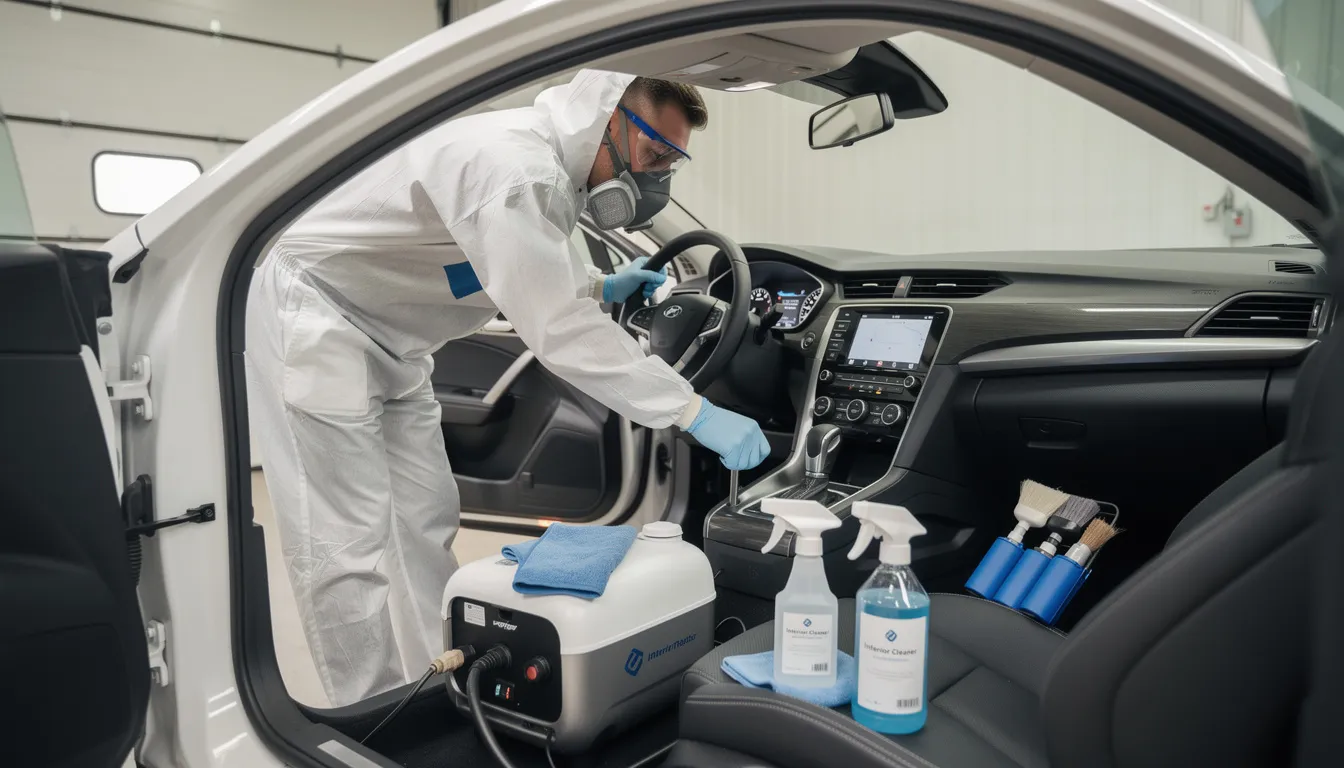
A certified T.A.C.T. North Atlanta technician meets you on-site—at your home, workplace, or a designated location—to assess the vehicle and identify exactly what we’re dealing with.
Visual and odor inspection: We check under seats, in trunk wells, under floor mats and carpets, inside seat tracks, and along door panels to locate contamination sources.
Moisture and mold checks: Using moisture meters and visual inspection, we look for staining, warping, or visible mold growth around carpets and headliners that indicate water damage or active mold.
HVAC evaluation: We run the A/C and heat on various settings, sniff-test the vents, and check cabin air filter housings for mold, mouse nesting, or debris that could be circulating odors.
Situation classification: We determine whether the issue is cosmetic (surface-level), microbial (mold and bacteria), or biohazard (blood, body fluids, rodent droppings) to select the appropriate treatment protocol.
Clear communication: Before any work begins, we provide a clear explanation of recommended steps, estimated time, and expected results so you know exactly what to expect.
Step 2 – Source Removal and Biohazard Remediation
Lasting odor removal always starts with removing the actual source of contamination—not just treating the air or masking the smell with fragrance.
Physical contamination removal: We remove food debris, soaked insulation, heavily saturated carpets or seat foam, contaminated trunk liners, and any trash contributing to odors.
Biohazard cleanup: When dealing with blood, vomit, urine, feces, or rodent droppings, we use EPA-registered disinfectants and follow strict safety protocols in accordance with Georgia and federal guidelines.
PPE and proper disposal: Our technicians wear appropriate personal protective equipment (gloves, masks/respirators, eye protection) and dispose of contaminated materials as regulated waste when required.
Smoker vehicle treatment: In vehicles with heavy smoke smell, we may remove and clean ashtrays, cupholders, and heavily stained plastic trim to reduce tar and nicotine buildup on surfaces.
Rodent infestation cleanup: For severe mouse infestations, we may remove interior panels or air intake covers to vacuum and disinfect nesting materials that would otherwise continue releasing odors.
Step 3 – Deep Interior Cleaning and Sanitization
This step is professional-level interior decontamination—not the standard vacuum and wipe-down you’d get from a basic detailing service.
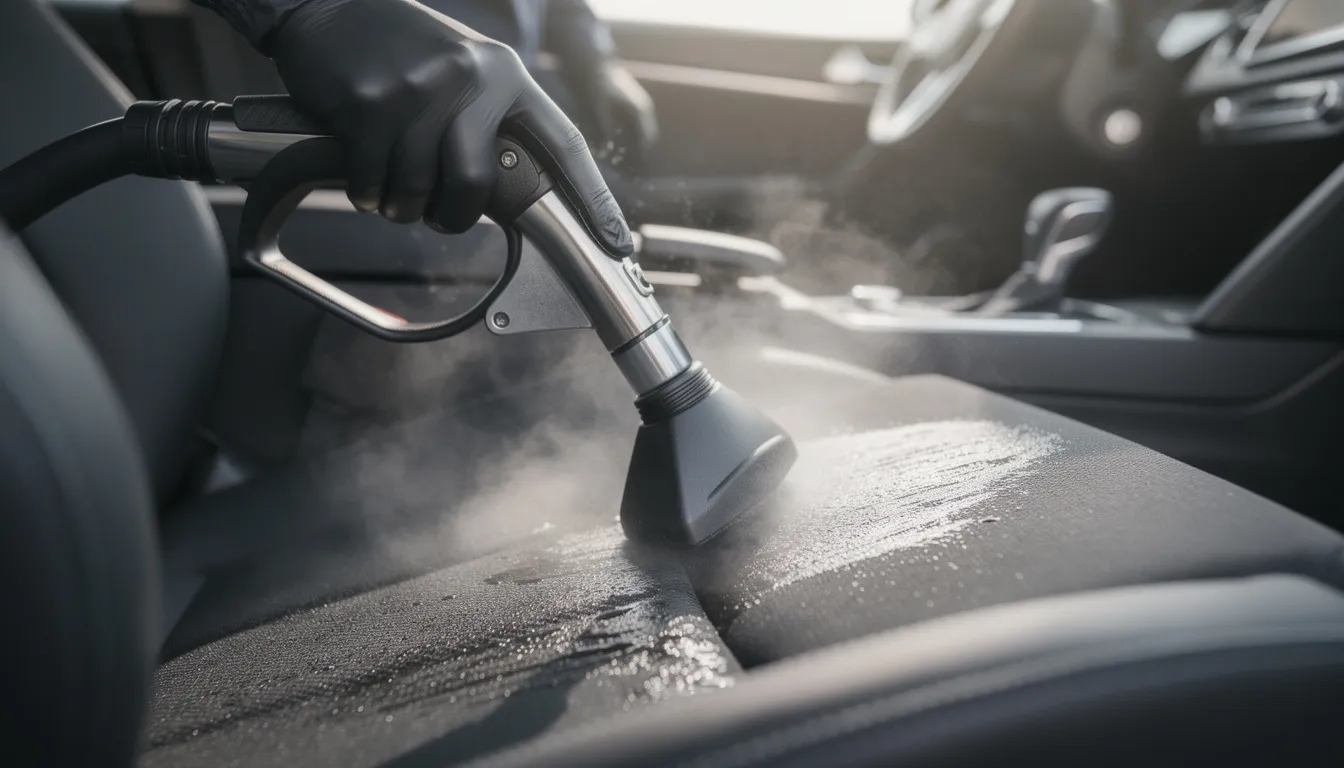
Thorough vacuuming: We vacuum seats, carpets, trunk, seams, seat rails, and under-floor storage areas using HEPA-filter equipment where appropriate to capture fine particles, dander, and bacteria.
Fabric and carpet treatment: Hot water extraction or low-moisture shampooing process treats seats, carpets, floor mats, and sometimes the headliner, with focus on areas where odor-causing substances have penetrated.
Hard surface disinfection: Dashboards, console, door panels, steering wheel, vents, and cupholders are wiped and scrubbed with appropriate cleaners and disinfectants to remove residue without harsh chemicals that could damage surfaces.
Antimicrobial application: In biohazard or mold cases, we apply targeted antimicrobial or fungicidal products formulated for use in enclosed vehicle interiors to kill bacteria and prevent regrowth.
Typical timeframe: Expect this step to take 1–3 hours depending on vehicle size and the extent of contamination being treated.
Step 4 – HVAC and Ventilation System Treatment
Many stubborn odors hide in the HVAC system and cabin air filter rather than just the seats and carpets. Every time you turn on the heat or A/C, contaminated air circulates throughout the car’s interior.
Vent treatment: We apply a specialized deodorizing or disinfecting agent through air intake vents while running the fan, A/C, and heat on various settings to reach the entire ventilation system.
Cabin air filter replacement: We recommend (and can perform) cabin air filter replacement, especially for smoke odor removal, mold, or rodent-related jobs. This is listed as a clear line item on estimates when applicable.
Targeting hidden contamination: This step addresses mold spores, bacteria, and odor residues inside ducts and the evaporator housing to prevent odors from returning after treatment.
Safe product application: All chemicals used are designed specifically for automotive HVAC systems and are applied by trained technicians following manufacturer label instructions for safety.
Step 5 – Advanced Odor Neutralization (Ozone / ClO₂)
Once the source is removed and surfaces are cleaned, we may apply advanced odor-neutralizing technology that penetrates deep into materials to eliminate remaining odors at the molecular level.
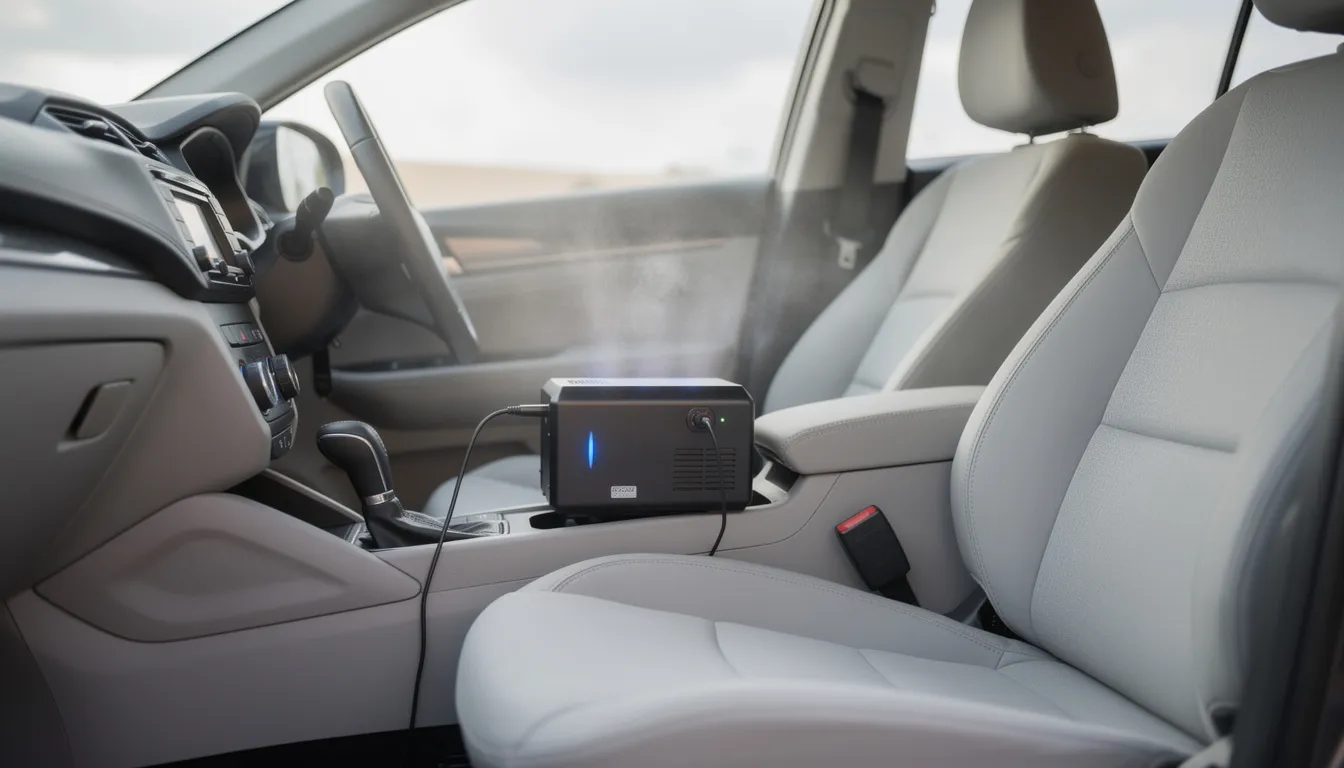
Ozone treatment: The vehicle is sealed and an ozone generator operates for a calculated period. Ozone molecules react with odor-causing compounds and break them down. The car remains unoccupied during treatment for safety—ozone is effective precisely because it’s a powerful oxidizer.
Chlorine dioxide (ClO₂) vapor: For severe cases, we may use chlorine dioxide or similar professional-grade systems. ClO₂ oxidizes odor molecules from smoke, mold, and organic decay, achieving complete odor removal that surface cleaning alone cannot accomplish.
Proper dosage and timing: Our technicians calculate correct dosage and exposure time based on vehicle size and odor severity, then fully air out the vehicle before returning it to you.
Part of a complete process: We do not rely solely on ozone or ClO₂ treatments. These technologies work best as the final touch in a comprehensive process that includes source removal and deep cleaning—not as shortcuts.
Step 6 – Final Air-Out, Verification, and Handover
The last step ensures your car is safe, dry, and genuinely improved before you take it back.
Thorough air-out: We open doors and windows and run ventilation for 10–30 minutes (or longer after strong treatments) to remove any residual treatment odor and restore normal air quality.
Detailed odor verification: A technician performs a comprehensive odor check around the driver’s seat, rear seats, trunk, and vents to confirm the target smell has been neutralized.
Customer walkthrough: If you’re present, we walk you through what was done, which affected areas were treated, and whether any materials were removed or replaced.
Post-care guidance: We provide recommendations for maintaining results—keeping surfaces dry, avoiding smoking in the vehicle, and scheduling follow-up treatment if re-treatment is anticipated for extremely severe cases. In most cases, one thorough treatment achieves lasting results.
Pricing, Timing, and What Affects the Cost
Every odor situation is unique, but T.A.C.T. North Atlanta provides clear, written estimates before any work begins. We don’t surprise you with hidden fees or upsells after the job is underway.
Scenario | Estimated Price Range | Typical Duration |
|---|---|---|
Light food/beverage odor in sedan | $175–$250 | 2–3 hours |
Moderate pet urine in SUV | $250–$350 | 3–4 hours |
Heavy long-term smoke smell in SUV | $350–$450+ | 4–6 hours |
Biohazard (bodily fluids, decomposition) | $400–$600+ | Full day or overnight |
Rodent infestation with nesting | $350–$500+ | 4–8 hours |
Factors that affect pricing:
Biohazard presence: Blood, vomit, feces, or decomposition fluids require specialized protocols, PPE, and proper disposal—increasing both time and cost.
Mold growth: Active mold in carpets, seats, or HVAC requires antimicrobial treatment and potentially removal of contaminated materials.
Rodent infestation: Accessing and cleaning nesting areas may require removing interior panels and extensive disinfection.
Material removal/replacement: Severely saturated carpet padding, seat foam, or headliners that cannot be restored must be removed and replaced.
Vehicle size: A compact car takes less time than a full-size SUV, van, or commercial vehicle with more interior surface area.
Insurance and documentation: When odors result from covered incidents—bodily fluids, break-ins, or water damage—we can work with your insurance company and provide documentation as needed.
Optional add-ons: Cabin air filter replacement, additional ozone cycles, leather conditioning, and follow-up inspections for fleet vehicles are available as clear line items.
Why Choose T.A.C.T. North Atlanta for Car Smell Removal
T.A.C.T. North Atlanta is a specialized biohazard remediation and environmental cleaning company—not a car wash or standard detailer. When you’re dealing with stubborn odors that won’t go away, you need expertise that goes beyond shampooing and air fresheners.
Certified expertise: Our technicians are trained and certified in handling crime scenes, unattended deaths, hoarding situations, mold remediation, and advanced odor removal. We bring that same professional rigor to vehicle odor elimination.
24/7 emergency availability: Trauma, illness, or contamination events don’t wait for business hours. We’re available around the clock for urgent odor and contamination situations in vehicles.
Safety and compliance: We use proper PPE, EPA-registered products, and follow Georgia and federal regulations for handling and disposing of biohazardous waste. Your safety—and ours—is never compromised.
Discretion and compassion: We understand that some situations are sensitive. Whether you’re dealing with the aftermath of an accident, illness, or other traumatic event, we handle every job with professionalism and respect for your privacy.
Local service coverage: We serve North Atlanta communities including Sandy Springs, Roswell, Alpharetta, Marietta, Johns Creek, Dunwoody, and surrounding areas. We come to homes, workplaces, and fleet yards at your convenience.
B2B partnerships welcome: Rental car companies, dealerships, body shops, law enforcement fleets, and rideshare fleet managers can partner with us for recurring or as-needed odor remediation services.
How to Schedule Car Odor Removal with Us
Getting help is straightforward. Contact us by phone, email, or through our website, and we’ll schedule an assessment at a time and location that works for you.
When you call, we’ll ask about:
Vehicle make, model, and year
Type of odor you’re experiencing
How long the smell has been present
Any known events (spill, flood, illness, accident)
Where the car is currently located
Scheduling options:
Same-day or next-day response when possible
Evening and weekend appointments available for urgent needs
Emergency 24/7 service for biohazard situations
Service location flexibility:
We can come to you—home, business, or parking structure—when space and safety allow
Alternative designated locations can be arranged if on-site treatment isn’t practical
Before we arrive:
Remove personal valuables and loose items from the vehicle
This speeds up our inspection and allows us to access all affected areas immediately
Contact T.A.C.T. North Atlanta today at (404)985-5461 or visit our website to request a car smell removal assessment and estimate. Whether you’re dealing with smoke smell that won’t quit, mold from water damage, pet accidents, or a biohazard situation requiring specialized equipment and expertise, we have the training and tools to restore your vehicle to a safe, odor-free condition.


Latest news