
Black Mold in House Dangerous

Black Mold in House: How Dangerous Is It?
Black Mold in House Dangerous: Is It?
Finding dark, fuzzy patches creeping along your basement wall or bathroom ceiling is enough to make any homeowner’s stomach drop. You’ve probably heard alarming stories about “toxic black mold” causing everything from chronic illness to death. But what’s the actual risk when black mold shows up in your home?
This guide is for homeowners, renters, and anyone concerned about the health and safety risks of black mold indoors.
This guide breaks down the real health concerns, helps you identify serious problems, and walks you through exactly what to do next.
Quick Answer: How Dangerous is Black Mold in a Home?
Black mold in a house is generally not deadly for healthy individuals, but it poses genuine health risks that shouldn’t be dismissed. The primary dangers are respiratory irritation, aggravation of allergies and asthma, and potential infections in vulnerable people—particularly with prolonged exposure. Mold may cause a range of health effects and damage, such as staining or cosmetic issues, depending on individual sensitivity and the level of exposure.
Any visible mold, including black mold, is considered an indoor air quality concern by agencies like the CDC and EPA. These organizations recommend prompt mold removal regardless of the specific species you’re dealing with.
The main risks include:
Breathing problems and respiratory symptoms
Allergic reactions (sneezing, itchy eyes, skin rash)
Infections in people with a weakened immune system
Structural damage to building materials over time
All types of mold can cause symptoms if you're sensitive to, or allergic to, mold.
You don’t need to panic, but you shouldn’t ignore it either. The scientific evidence doesn’t support widespread claims of toxic mold syndrome causing guaranteed severe neurological damage in typical household settings. However, indoor mold growth indicates a moisture problem that requires attention.
The rest of this article explains the specific health effects, how to recognize when mold in your home is a serious problem, what to do immediately, and when to call professionals.
What is Black Mold in a House?
Black mold is a type of fungus that looks dark green or black and is commonly referred to as Stachybotrys chartarum.
“Black mold” usually refers to Stachybotrys chartarum, a dark green or black fungus that thrives indoors on wet, cellulose-based materials. Black mold produces allergens, irritants, and potentially toxic substances called mycotoxins, which can pose health risks. This includes drywall, plywood, paper backing on insulation, and ceiling tiles. The fungus produces tiny spores that become airborne, along with microbial volatile organic compounds responsible for that characteristic musty odor.
However, many different mold species can appear black to the naked eye. Color alone doesn’t prove you’re dealing with Stachybotrys or so-called “toxic black mold.” Some dark molds are relatively harmless, while some lighter-colored molds can be more problematic.
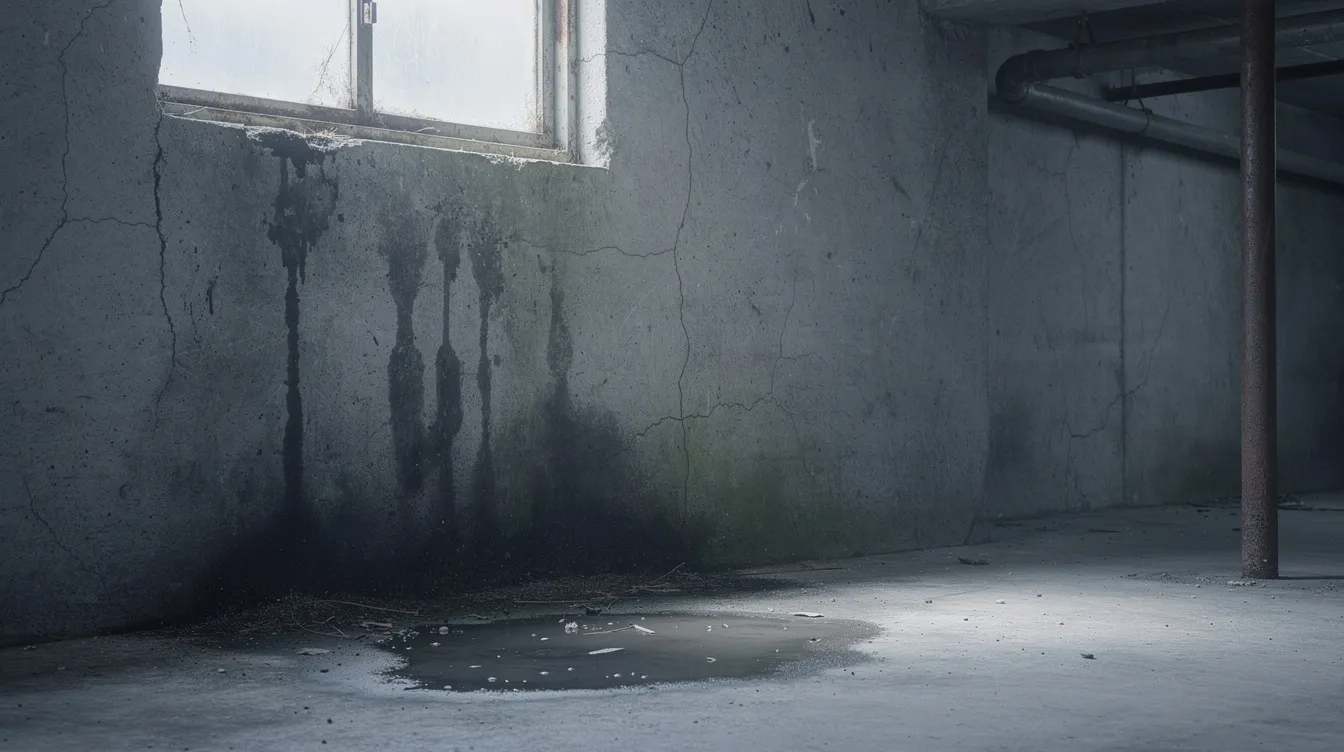
Black mold typically appears as slimy or soot-like patches, often dark green to jet black. You’ll commonly find it in:
Bathrooms without proper exhaust fans
Basements with humidity levels above 60%
Areas around leaky windows or under sinks
Rooms affected by roof or plumbing leaks
Behind walls or under flooring after water damage
The growth timeline is notable: under favorable conditions (persistent dampness, temperatures between 40–100°F), mold grows visibly within 24–72 hours after water damage. This is why rapid response to water leaks is critical. After events like hurricanes, burst pipes, or flooded basements, black mold growth can establish quickly on absorbent or porous materials that stay wet.
Is Black Mold in a House Dangerous to Your Health?
Mold exposure affects health through multiple pathways: inhaled mold spores, mold fragments, and volatile compounds produced during fungal growth. For healthy adults, symptoms are often mild to moderate—similar to seasonal allergies. But long-term or high-level exposure can cause significant issues, especially in at-risk groups.
Common Short-Term Symptoms
Most people experiencing black mold exposure report some combination of these physical symptoms:
Sneezing and runny nose or stuffy nose
Itchy or watery eyes and eye irritation
Dry cough or productive cough
Throat irritation and sinus pressure
Headaches and fatigue
Skin irritation or skin rash
These symptoms often mirror mold allergies and can range from mild annoyance to significant enough to interfere with daily activities.
Respiratory Conditions and Mold
Black mold can worsen existing asthma, COPD, or chronic bronchitis. People with these conditions may experience more frequent wheezing, chest tightness, nighttime coughing, and overall worsening of asthma symptoms. Research indicates that prolonged mold exposure is associated with increased asthma attacks and measurable reductions in lung function in some individuals.
People with mold allergies experience stronger allergic responses because their immune system becomes hypersensitized to mold spores. Upon repeat exposure, the body releases histamine, leading to inflammation in nasal passages, eyes, and lungs.
Severe Cases and Vulnerable Populations
For individuals with severely weakened immunity—chemotherapy patients, organ transplant recipients, or people on high-dose steroids—mold exposure can rarely cause actual fungal infections in the lungs or sinuses. This represents a qualitatively different and more serious outcome than allergic reactions.
The World Health Organization and CDC recognize mold as an indoor air quality problem that can aggravate respiratory and allergic disease. However, claims that black mold causes guaranteed permanent neurological damage or widespread toxic mold syndrome are not well supported by high-quality studies. Some people do report mood disorders, cognitive difficulties, and fatigue with heavy continued exposure, though the mechanistic understanding remains incomplete.
Mold Allergy: What You Need to Know
Mold allergy is a widespread health concern that occurs when your immune system reacts to inhaled mold spores. While not everyone exposed to indoor mold growth will develop symptoms, those with mold allergies can experience significant discomfort—even at relatively low levels of exposure.
When mold spores are present in the air, your immune system may mistakenly identify them as harmful invaders. This triggers the release of chemicals like histamine, leading to classic allergy symptoms. Common signs of a mold allergy include sneezing, runny or stuffy nose, itchy or watery eyes, coughing, and sometimes skin irritation. For people with asthma, mold exposure can also worsen breathing difficulties and trigger asthma symptoms.
The severity of mold allergy symptoms can vary from person to person. Some individuals may only notice mild irritation during certain seasons or in damp environments, while others experience year-round symptoms if indoor mold growth is not addressed. Children, older adults, and those with a family history of allergies are often more susceptible.
Preventing mold growth in your home is the most effective way to reduce the risk of mold allergy symptoms. Keep indoor humidity levels below 50%, promptly fix water leaks, and ensure good ventilation in bathrooms, kitchens, and other moisture-prone areas. Regularly inspect hidden spots—like behind furniture or under sinks—where mold can thrive unnoticed. Using exhaust fans and dehumidifiers can also help limit the spread of mold spores.
If you suspect you have a mold allergy, consult with a healthcare provider. They may recommend allergy testing or prescribe treatments such as antihistamines, nasal sprays, or allergy shots. By understanding your triggers and taking steps to prevent mold growth, you can protect your immune system and maintain a healthier indoor environment.
Who is Most at Risk from Black Mold in a House?
Anyone can be irritated by mold, but certain groups face substantially elevated risk of serious or long-lasting health problems. Symptoms develop more rapidly in high-risk individuals—potentially within weeks rather than months or years—and are more likely to be severe or persistent.
High-risk groups include:
Infants and young children – Developing respiratory and immune systems make them particularly vulnerable; behavioral patterns (crawling, playing near floors) increase exposure to settled spores
Adults over 65 – Immune responses naturally decline with age
People with asthma or frequent bronchitis – Increased symptom severity and frequency when exposed
Those with chronic lung disease – COPD, cystic fibrosis, or chronic bronchitis face more severe exacerbations
Individuals with mold or dust mite allergies – Predisposed to stronger allergic reactions due to sensitization
People with weakened immune systems – HIV/AIDS, active cancer chemotherapy, organ transplant recipients, those on long-term steroid use or biologic immunosuppressants
Pregnant people – Additional caution warranted
Those working long hours in moldy environments – Home offices in basements, workshops, or crawlspaces create cumulative exposure risk
For children, prolonged exposure to moldy home environments is associated in studies with increased asthma development and more emergency department visits for wheezing. The American Industrial Hygiene Association and disease control agencies emphasize protecting these vulnerable populations.
What Happens if You Have Mold Exposure Over Time?
Breathing black mold spores regularly triggers a progression from initial irritation through sensitization to potentially chronic respiratory issues. Understanding this process helps explain why prolonged exposure is more concerning than brief contact.
When mold spores are inhaled, they deposit in the nasal cavity, sinuses, and lower airways. In sensitive individuals, the immune system produces IgE antibodies against mold antigens. Upon repeat exposure, mast cells and basophils release histamine and other inflammatory mediators, triggering sneezing, nasal congestion, itching, and swelling.
Long-Term Effects of Prolonged Exposure
With continued exposure over months to years in a damp home environment, several patterns emerge:
Development of persistent sensitization where even small exposures trigger reactions
Chronic inflammation affecting sinuses (chronic rhinosinusitis) and lower airways
Increased asthma exacerbations and chronic persistent cough
Reduced measured lung function in some cases
Higher rates of respiratory-related healthcare visits
Some individuals living in heavily contaminated homes report persistent headaches, difficulty concentrating (“brain fog”), and mood changes including irritability, anxiety, and depressive symptoms. Notably, these symptoms often improve after environmental remediation or relocation, suggesting causation rather than coincidence.
A review of 19 studies found associations between prolonged mold exposure and increased stress, depression, and anxiety in both adults and children. Research also suggests chronic exposure correlates with elevated inflammatory markers like C-reactive protein, indicating systemic inflammation.
The practical concern is not sudden illness but chronic respiratory stress that gradually impairs quality of life, increases infection susceptibility, and can potentially cause permanent lung function decline with prolonged neglect.
If you notice symptoms that improve when you’re away from home (at work or on vacation) and worsen within hours of returning, consult a doctor—this pattern often proves diagnostically useful.
Can Black Mold in a House Kill You?
Direct death from black mold exposure in a typical residential setting is exceptionally uncommon and not well-documented in medical literature as a primary cause. While Stachybotrys chartarum can produce mycotoxins, household exposure concentrations are typically far below those seen in occupational settings.
Workers handling moldy grain, moldy hay, or agricultural materials face much higher exposure levels where severe systemic mycotoxicosis has been documented. The distinction between occupational exposure (8+ hours daily in highly contaminated environments) and residential exposure is crucial and often overlooked in sensationalized reporting.
Key points about fatal risk:
Scientific evidence linking household black mold specifically to sudden death is limited
The controversial 1990s case linking Stachybotrys to pulmonary hemorrhage in infants remains disputed—experts questioned whether mold was the causative factor versus other variables like environmental tobacco smoke or infections
No definitive causal mechanism for lethal black mold poisoning from household exposure has been established
The practical concern involves not instant death but cumulative harm:
Chronic respiratory stress from prolonged exposure
Infections in fragile lungs (especially immunocompromised individuals)
Possible long-term lung damage when mold is left unchecked for years
Emergency warning signs requiring immediate medical care:
Severe respiratory distress (unable to speak in full sentences)
Stridor or wheezing unresponsive to rescue medications
Chest pain or facial swelling
Signs of severe allergic reaction (anaphylaxis-like symptoms)
These symptoms require emergency attention regardless of environmental mold—the mold is typically a trigger in a vulnerable individual rather than a direct cause of death.
How to Tell if Black Mold in Your House is a Serious Problem
Both the extent of mold growth and its location influence whether a situation represents a minor nuisance or a serious health and structural concern. Your HVAC system involvement is particularly critical because it can distribute spores throughout the entire home.
Visual Red Flags
These signs suggest a more serious mold problem requiring professional assessment:
Black or dark green patches larger than about 10 square feet (roughly 3 ft × 3 ft)
Multiple rooms showing visible mold
Mold returning quickly after cleaning (suggesting ongoing moisture)
Mold on structural components like subfloors, joists, or framing
Mold in or around vents, ductwork, or HVAC systems
Non-Visual Clues
Often these environmental hints precede visible mold growth or indicate hidden colonization:
Strong musty odor that doesn’t dissipate despite cleaning
Worsening allergy or asthma symptoms in specific rooms or the home generally
Condensation on windows, mirrors, or walls (beyond temporary bathroom moisture)
Warped or soft flooring
Peeling paint or bulging drywall
Visible water staining
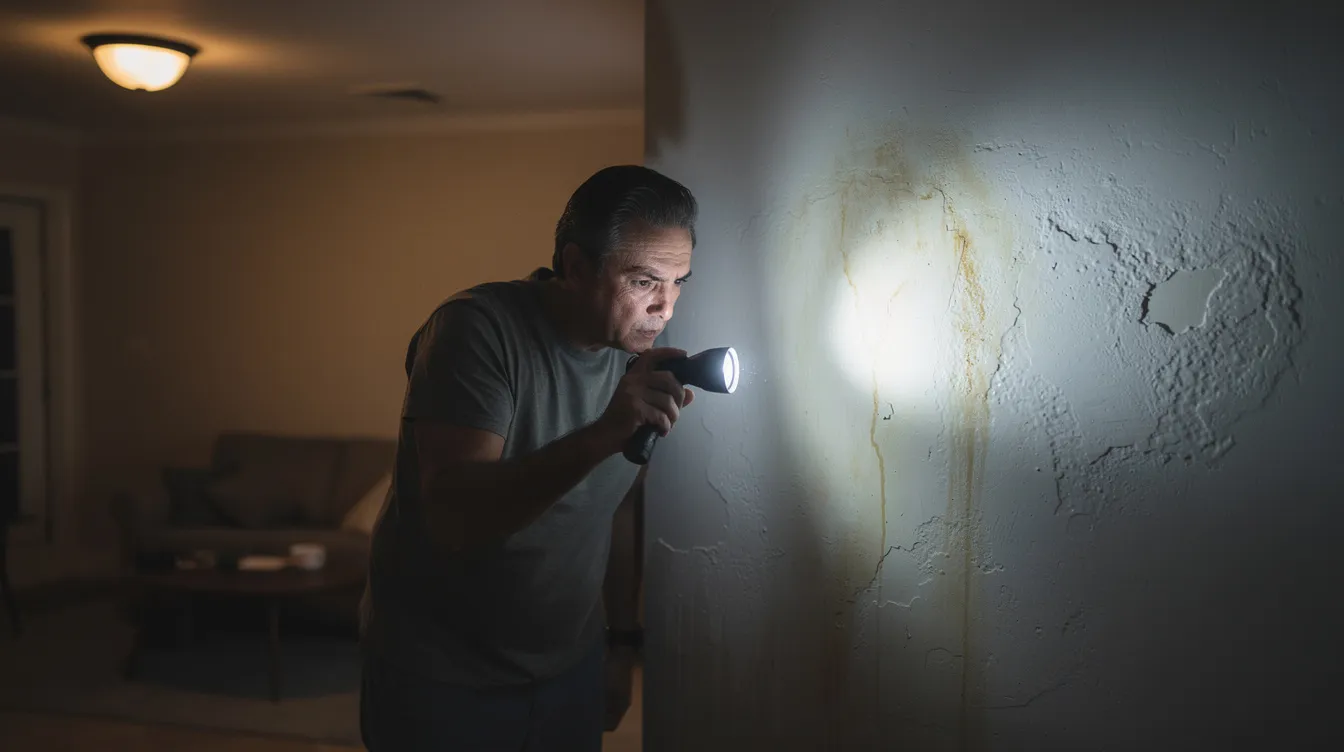
Hidden mold growth behind walls, under carpets, within insulation, or in crawlspaces is common following water damage events. Recognizing the early signs of black mold such as persistent musty odors without visible mold, discoloration or staining, soft or spongy drywall, and failure of areas to fully dry after known water exposure can help you act before the problem escalates.
The “away from home” test: If household members consistently feel better after being away for 24–48 hours and worsen within hours of returning, indoor mold or dampness is likely contributing to symptoms. This temporal relationship often proves more diagnostically useful than visual inspection alone.
Do You Need to Test Black Mold, or Just Remove It?
Major public health organizations including the CDC and EPA generally do not recommend routine mold testing in homes when visible mold is present or a musty odor is detectable. The rationale is practical: no US federal standard exists defining “safe” or “unsafe” levels of indoor mold spore concentrations.
This makes test result interpretation clinically problematic because:
Different homes have different baseline spore levels from outdoor air
Seasonal and humidity variations affect spore counts
The exposure-response relationship varies among individuals
When testing may be worth it:
Complex legal or insurance disputes requiring documentation
Large commercial buildings with unclear moisture problems
Landlord-tenant disputes requiring objective evidence
Professional remediators verifying effectiveness after remediation
For typical homeowner situations, the practical principle is simple: if you see or smell mold, you have a moisture problem that needs fixing and mold that needs removal—regardless of species or spore counts.
Over-the-counter mold test kits frequently produce confusing, misleading, or non-reproducible results that don’t meaningfully inform health decisions. Professional mold testing and inspection by certified specialists can be valuable for identifying moisture sources and hidden growth extent, but these differ from laboratory species identification (which is rarely clinically relevant for household mold).
Immediate Steps to Take if You Find Black Mold in Your House
Act quickly but cautiously. Your first priorities are stopping the moisture source and preventing spore dispersal while protecting vulnerable household members.
Immediate action checklist:
Identify and stop the water source – Turn off leaking supply lines, temporarily stop using leaking fixtures, place buckets under active drips, or address window leaks with temporary caulking
Increase ventilation – Open windows (weather permitting), run exhaust fans that vent outside, use portable fans blowing air out (not across moldy surfaces)
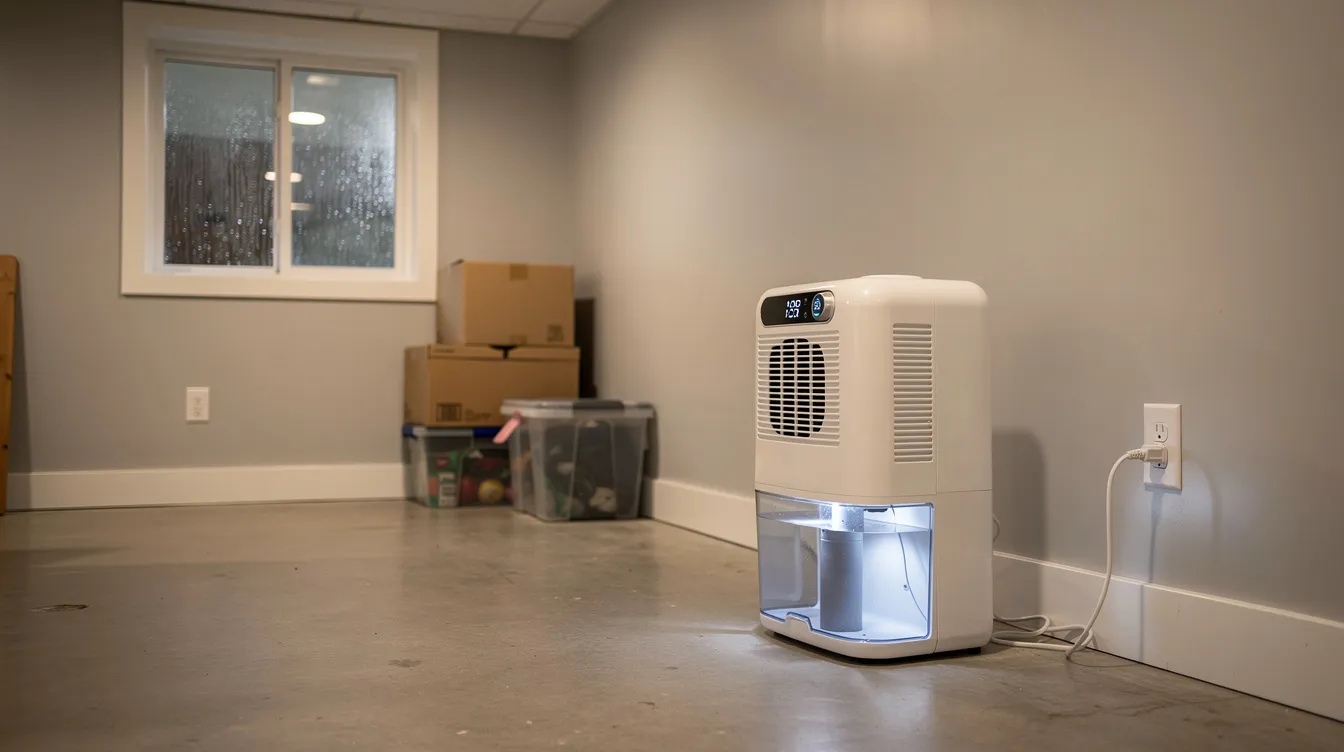
Use a dehumidifier – Target 30–50% indoor humidity levels in affected and adjacent rooms
Avoid disturbing large patches – Don’t aggressively scrub, sand, or pressure wash without proper protection, as this aerosolizes spores substantially
Relocate vulnerable individuals – Keep infants, elderly, and immunocompromised people away from affected rooms
Document everything – If a clear event occurred (burst pipe, roof leak, flooding), take dated photos and videos for insurance claims
Don’t cover it up – Never paint over mold, wallpaper over it, or seal with paneling—this conceals the problem while allowing continued growth beneath
Fresh air circulation and moisture removal should begin immediately. Run bathroom fans during and for 20–30 minutes after moisture-generating activities, and consider running your air conditioner to help dehumidify if available.
When is Black Mold Safe to Clean Yourself, and When to Call Professionals?
The decision between DIY mold cleanup and professional remediation depends primarily on the mold area’s size, the materials affected, and household members’ health status.
DIY-Appropriate Situations
Small, isolated patches on hard surfaces may be appropriate for homeowner remediation:
Areas smaller than about 10 square feet on hard surfaces
Small spots on bathroom tile, grout, or painted walls with no deep water damage
Mold on easily removable items (shower curtains, non-upholstered furniture)
Isolated growth under a sink after a minor, already-fixed leak
Call Professionals When
Certified mold remediation specialists are recommended for:
Mold areas exceeding 10 square feet
Mold after flooding that soaked drywall, insulation, or flooring
Mold in HVAC systems or ductwork
Mold in crawlspaces or attics with structural safety concerns
Strong persistent musty odor with no obvious visible source (suspected hidden mold)
Household members with severe asthma, recent lung surgery, organ transplant, or active chemotherapy
Professionals typically follow EPA and industry guidance, using containment barriers, negative air pressure machines, HEPA filtration, and safe removal of contaminated materials. Before hiring, verify certifications (IICRC, NORMI, or regional equivalents), obtain written estimates from multiple companies, and understand the complete scope of work so you know who to call for mold removal in more complex situations.
How to Safely Clean Small Areas of Black Mold Yourself
This guidance applies exclusively to minor, non-structural mold patches on hard surfaces and is similar to broader advice on deciding between DIY mold cleanup and hiring a professional. Large areas, flood-damaged materials, or moldy surfaces involving porous materials require professional handling.
Personal Protective Equipment
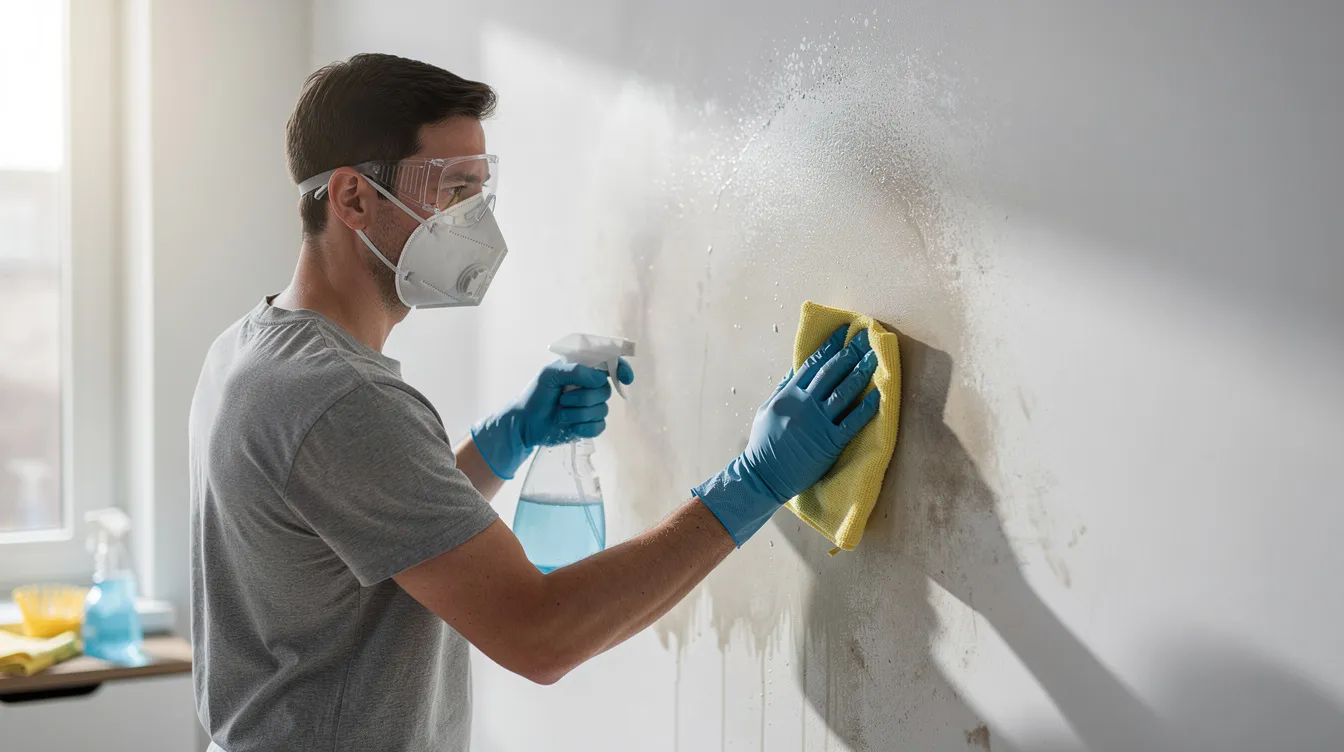
Before you scrub mold, gather proper protection, since safe mold abatement procedures always prioritize personal protective equipment and containment:
Disposable gloves (nitrile or latex)
Eye protection (goggles or safety glasses)
N95 or equivalent particulate respirator mask
Long sleeves and pants that can be washed in hot water afterward
Optionally, wear rubber boots if working in standing water
Cleaning Process
Mix a household detergent solution or appropriate mold killing products in a bucket
Lightly dampen the moldy area rather than dry-scrubbing (reduces airborne spores)
Scrub mold from the surface using a non-metal brush or cloth until removed
Rinse or wipe with clean water where appropriate
Dry completely using fans, dehumidifiers, or towels—this step is critical
Important Notes
For porous materials like drywall, carpet, and ceiling tiles, visible mold usually means fungal roots (hyphae) have penetrated deeply beyond surface reach. These materials should be removed and discarded rather than scrubbed. You can safely remove small sections of damaged drywall yourself if the area is manageable.
If you use a bleach solution, dilute it properly (typically 10% concentration), never mix bleach with ammonia or acidic cleaners (creates toxic fumes), and use only on hard surfaces where it’s effective.
After cleanup: seal contaminated debris (rags, removed drywall, insulation) in plastic bags before discarding. Shower and wash clothing in hot water to remove spore contamination. Wear gloves throughout the entire process.
If mold returns quickly after cleaning, the underlying moisture problem remains unresolved and warrants professional investigation.
How to Prevent Black Mold Growth from Coming Back in Your House
Moisture control is the foundation of mold prevention. Without sustained moisture, mold cannot grow regardless of how many spores are present. To prevent mold growth long-term, focus on these strategies:
Humidity and Ventilation Control:
Keep indoor humidity between 30% and 50% using dehumidifiers in basements and damp rooms
Measure with inexpensive hygrometers to confirm you’re hitting targets
Run exhaust fans in bathrooms and kitchens during use and for 20–30 minutes afterward
Ensure bathroom fan and kitchen ventilation vent outdoors, not into attics
Check that all ventilation holes are clear and functional
Address Water Leaks Promptly:
Fix roof leaks, window leaks, and plumbing issues within 24–48 hours of discovery
After any water event (overflowed tub, dishwasher leak, minor flooding), dry or remove wet materials within 24–48 hours
Check under sinks regularly for slow drips
Structural Improvements:
Hiring experienced mold remediation specialists may be necessary when moisture problems are tied to broader structural issues.
Improve drainage around the foundation with gutters, downspouts, and grading away from the house
Use mold-resistant drywall and add mold inhibitors to paint in high-moisture areas during renovations
Consider mold inhibitors in any new construction or major repairs
Regular Maintenance:
Inspect basements, crawlspaces, and under-sink areas regularly for dampness or musty smells, especially in regions where black mold health risks and remediation are a common concern
Check attics after heavy storms
Recaulk tub and shower joints seasonally
Clean bathroom surfaces where condensation collects
You can prevent black mold growth by addressing excessive moisture before it creates conditions where molds reproduce and establish colonies.
Frequently Asked Questions About Black Mold in Houses
Is all black-colored mold toxic?
No. Color alone doesn’t determine whether a mold species produces mycotoxins or poses health risks. Many different mold species appear black and their color can range from greenish-black to gray or brown, so understanding what color black mold can be and how to spot it is helpful. Any visible mold should be removed because it indicates a moisture problem and can trigger symptoms in sensitive individuals.
Is it safe to live in a house with black mold?
Short-term exposure may not produce symptoms in healthy individuals, but living long-term in a moldy home increases cumulative risk. The longer the exposure duration and larger the growth, the greater the likelihood of health effects—especially for children, elderly adults, and those with respiratory conditions.
Can I paint over black mold to seal it in?
No. Painting over mold is not a solution. Mold can cause continued damage underneath, roots penetrate deeper into the substrate, moisture and gases cause paint failure (peeling, blistering), and the problem worsens while remaining invisible. Remove mold and correct the moisture source before any cosmetic treatment.
Will opening windows get rid of black mold?
Ventilation helps reduce indoor humidity, decrease musty odors, and dry moldy surfaces, but doesn’t remove mold already growing on materials. Open windows in conjunction with active moisture removal and mold remediation—not as a standalone solution.
How long does it take for mold to grow after a leak?
Mold can begin visibly colonizing damp building materials within 24–72 hours under favorable conditions. This timeline underscores the importance of rapid water removal and drying after any leak or water intrusion.
Do air purifiers remove black mold?
HEPA air purifiers can capture some airborne mold spores and reduce spore counts in room air, but they don’t address mold growing on surfaces or resolve underlying moisture problems. A thorough assessment by a qualified mold inspectoris often needed to locate hidden growth and plan effective remediation. They’re a supplementary measure, not a primary remediation strategy.
Key Takeaways: How Dangerous is Black Mold in Your House, Really?
Let’s summarize what the evidence actually shows about the health concerns from black mold in residential settings:
Black mold is a legitimate concern but rarely deadly – For typical homeowners with normal immune function, risks are modest rather than catastrophic
Any visible mold indicates a moisture issue – The moisture problem must be corrected regardless of mold species
Health risks are highest for vulnerable groups – Children under 5, adults over 65, people with asthma or chronic lung disease, and immunocompromised individuals face more serious health issues
Small areas may be DIY-manageable – Non-structural patches under 10 square feet on hard surfaces can often be handled with proper protection
Larger or recurring problems need professionals – Don’t attempt remediation of extensive growth, hidden mold, or HVAC contamination yourself
Prevention depends on moisture control – Fix water leaks quickly, maintain low humidity levels, and ensure proper ventilation
Black mold deserves your attention, but not your panic. Take prompt, practical steps: stop the moisture source, remove visible mold safely, and protect vulnerable household members during the process.
If you’re experiencing persistent respiratory symptoms, common symptoms of allergic reactions, or any health problems that consistently improve when you leave home, consult a healthcare provider. They can help determine whether mold exposure is contributing to your symptoms and guide you toward both medical treatment and environmental solutions, which may include hiring the right mold hygienist for your home to fully evaluate and address indoor contamination.
Your home should support your health—not undermine it. With the right approach, you can address mold problems effectively and prevent black mold growth from returning.


Latest news