Decomp Mold: Health risks, odor, and Professional Cleanup in North Atlanta
Decomp Mold: Health Risks, Odors, and Professional Cleanup in North Atlanta
Decomp mold explained (quick answer)
Decomp mold refers to mold growth and microbial byproducts that develop in areas where organic matter—such as a deceased body, spoiled food, or dead animals—is decomposing in a damp, poorly ventilated space. This type of mold forms when bacteria and fungi break down organic material, releasing moisture, nutrients, and gases that create ideal conditions for rapid mold colonization on nearby surfaces like carpets, drywall, and wood framing.
Unlike everyday bathroom mildew from a steamy shower, decomp mold is tied directly to biohazard-level decomposition events. These situations often involve strong, persistent odors, bacterial contamination, bodily fluids, and potentially harmful mycotoxins that require specialized remediation—not standard household cleaning products.
In North Atlanta, common scenarios that lead to decomp mold include:
Unattended death in an apartment or home discovered days or weeks later
Rodent infestations in attics, crawl spaces, or wall cavities
Spoiled food in refrigerators or freezers at vacant properties
Sewage backups in basements or ground-floor units
Severe hoarding situations with accumulated organic refuse
T.A.C.T. North Atlanta specializes in 24/7 decomp mold and biohazard cleanup for homes, rentals, and commercial properties throughout Fulton, DeKalb, Cobb, Gwinnett, and Cherokee counties. Our certified technicians handle everything from source removal to odor elimination, working discreetly and compassionately with families, landlords, and property managers.
Key health concerns:
Prolonged exposure can trigger respiratory problems, headaches, and sinus irritation
People with asthma, allergies, or weakened immune systems face higher risks from mold spores and toxic compounds present at decomposition scenes
What is decomp mold and how does it form?
Decomp mold is the term used in restoration and biohazard work to describe mold colonies and microbial byproducts found at decomposition scenes. It develops when organic matter—whether human or animal remains, food waste, sewage, or saturated textiles—breaks down in the presence of moisture and limited ventilation.
The decomposition process works like this: bacteria and fungi release digestive enzymes that break down dead organic matter into simpler substances. As this happens, the process releases moisture, carbon dioxide, various gases, and nutrients that feed additional microbial growth. These byproducts, combined with the humid conditions typical of enclosed spaces, create the perfect environment for rapid mold colonization on surrounding materials.
It’s important to understand that “decomp mold” isn’t a different species of mold. Most molds found at these scenes—including Aspergillus, Penicillium, Cladosporium, and sometimes Stachybotrys—are the same organisms you might find elsewhere. What makes decomp mold distinct is its context: it grows in direct connection with decomposing organic matter, often alongside bacteria, bodily fluids, and microbial volatile organic compounds (mVOCs) that produce that unmistakable decomposition odor.
Common indoor locations where decomp mold appears:
Under carpets and padding saturated from an unattended death
Inside drywall cavities near leaking refrigerators containing rotten food
In crawl spaces or wall voids where dead rodents or animals have accumulated
Within hoarded kitchens where garbage bags filled with food waste have sat for months
Behind furniture or in closets where deceased pets remained undiscovered
Around HVAC systems that have circulated contaminated air
In North Atlanta’s humid climate—where summer relative humidity often reaches 60–80%—these conditions progress quickly. Mold growth can begin within 24–72 hours after a leak, death event, or other moisture intrusion. By the time a property owner notices visible mold or persistent odors, the contamination may have already spread deep into porous building materials like drywall, insulation, and subfloors.
Why decomp mold is a unique health and safety hazard
Standard household mold from a dripping pipe or humid bathroom is concerning, but decomp mold tied to biohazard scenes presents an entirely different level of risk. When mold growth occurs alongside human or animal decomposition, severe hoarding, or major rodent infestations, the contamination involves far more than just fungi.
Decomp environments typically contain a combination of hazards:
Mold spores from multiple species colonizing saturated materials
Mycotoxins produced by certain molds like Stachybotrys (black mold) and Aspergillus
Microbial volatile organic compounds (mVOCs) that cause strong, pervasive odors
Bodily fluids that have soaked into porous surfaces
Bacteria, including potentially pathogenic species
Bloodborne pathogens in trauma or death scenes
The characteristic decomposition odor—often described as sickly-sweet, pungent, or “rotten”—comes from mVOCs and putrefaction gases like cadaverine and putrescine. These compounds are produced as bacteria and other organisms break down proteins in dead matter. The smell isn’t just unpleasant; it indicates the presence of active decomposition and associated contamination.
What makes these situations particularly challenging is how contamination spreads. Odors and gases can travel through HVAC systems, wall cavities, floor penetrations, and shared ductwork in multi-unit buildings. A decomposition event in one room can affect air quality throughout an entire property—sometimes without any visible mold on exposed surfaces.
This is why OSHA, CDC, and industry standards like IICRC S540 (for trauma and crime scene cleanup) and S520 (for mold remediation) treat these situations as biohazard scenes requiring:
Specialized personal protective equipment (PPE)
Engineering controls like negative air pressure and HEPA filtration
Proper containment to prevent cross-contamination
Licensed disposal of biohazardous materials
DIY cleaning in these situations isn’t just ineffective—it’s genuinely dangerous. Scrubbing visible mold with bleach or spraying air fresheners does nothing to address contamination that has penetrated deep into building materials, and disturbing contaminated areas without proper protection can expose you to concentrated mold spores, bacteria, and toxic compounds.
Health implications of decomp mold exposure
Health risks from decomp mold exposure depend on several factors: how long you’re exposed, the concentration of spores and vapors in the air, and your individual health status. Children, elderly individuals, and people with compromised immune systems face the highest risks, but even healthy adults can experience significant symptoms in heavily contaminated environments.
Common short-term symptoms include:
Coughing, wheezing, and difficulty breathing
Sinus irritation, congestion, and runny nose
Sore throat and scratchy voice
Red, itchy, or watery eyes
Headaches that worsen when inside the affected space
Nausea and dizziness
Skin irritation or rashes after contact with contaminated surfaces
These symptoms often appear immediately upon entering a room with active decomposition and mold growth. Many people report that symptoms improve quickly after leaving the area—a strong indicator that the indoor environment is the source.
Mycotoxin exposure presents additional concerns. Certain molds like Stachybotrys chartarum produce trichothecene mycotoxins that can trigger or worsen respiratory conditions even in people who normally tolerate “regular” mold. Mycotoxin exposure has been linked to:
Asthma attacks and worsening COPD symptoms
Allergic reactions ranging from mild to severe
Hypersensitivity pneumonitis (lung inflammation)
Fatigue, difficulty concentrating, and cognitive fog
Sleep disturbances and general malaise
Long-term risks from living organisms in contaminated spaces:
Occupants of properties with persistent decomposition contamination—such as rental units left unremediated for months—may experience chronic effects. Prolonged exposure to elevated mold spore counts and mVOCs has been associated with ongoing respiratory inflammation, increased susceptibility to infections, and neurological problems in some cases.
Research indicates that indoor mold spore counts can exceed outdoor levels by 2 to 1,000 times in poorly ventilated, contaminated spaces. This concentration effect is particularly pronounced in enclosed spaces like basements, attics, and rooms where decomposition occurred.
When to seek medical attention:
Anyone experiencing breathing trouble, chest tightness, or severe allergic reactions after exposure to a decomp scene should leave the area immediately and seek medical care. Be sure to inform healthcare providers about the nature of the exposure, as this information helps guide appropriate treatment.
Where decomp mold shows up in real properties
Decomp mold doesn’t appear from routine humidity alone—it develops after specific events that introduce organic material and sustained moisture into a building. The contamination often remains hidden behind finishes, under flooring, and inside wall cavities long after the initial incident.
Residential scenarios:
Location | Common Cause | What Gets Affected |
|---|---|---|
Bedrooms | Unattended death discovered after several days | Mattresses, carpets, subfloors, baseboards, drywall |
Walls/Attics | Dead animals (rodents, wildlife) in cavities | Insulation, framing, drywall, HVAC components |
Kitchens | Refrigerator/freezer failures during vacancies | Flooring, cabinets, adjacent drywall |
Throughout home | Severe hoarding with accumulated food waste and other organic refuse | Virtually all porous surfaces |
Basements | Sewage backups or drain overflows | Concrete (surface), stored items, drywall, carpets |
Commercial and institutional scenarios:
Hotel rooms where deaths go undiscovered for days
Nursing home or assisted living facilities after incidents
Restaurant walk-in coolers and food storage after equipment failures
Office buildings and retail spaces following sewage backups
Warehouses with rodent infestations producing extensive droppings and carcasses
How contamination spreads beyond the obvious:
Even when only one room appears affected, contamination often extends further than the naked eye can detect. Fluids from decomposition wick into carpet padding and subfloors. Mold hyphae penetrate deep into porous materials like drywall and untreated wood. Odor-causing mVOCs absorb into painted surfaces, fabrics, and HVAC ductwork.
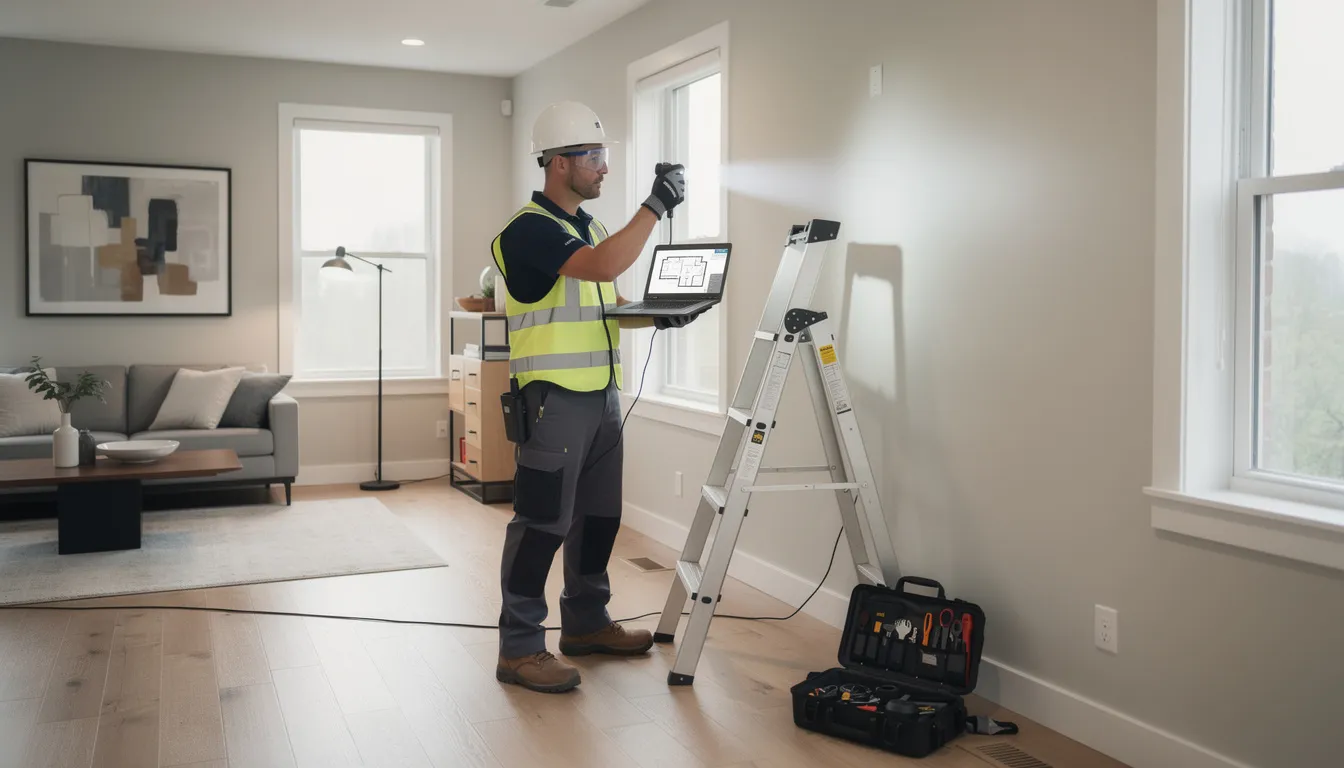
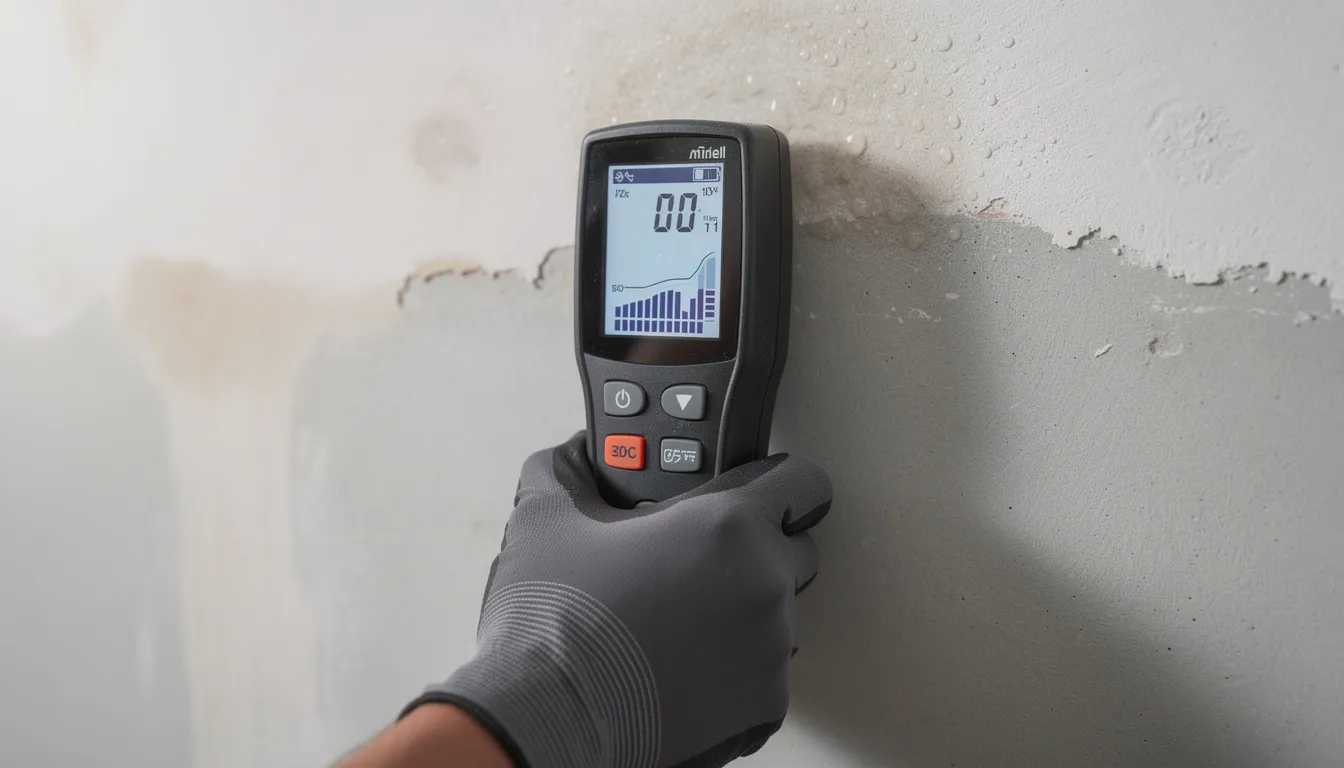
In multi-unit buildings, shared wall cavities and ductwork can carry contamination into adjacent units. The unaided eye simply cannot see mold growth inside wall assemblies or under flooring—professional inspection with moisture meters and sometimes infrared cameras is often necessary to map the full extent of damage.
The North Atlanta context:
T.A.C.T. North Atlanta frequently responds to calls after law enforcement, property managers, or HOA representatives discover persistent odors or visible mold growth days or weeks after an incident. Georgia’s warm, humid climate accelerates decomposition and mold colonization, meaning delays in discovery and response often result in more extensive remediation needs.
DIY cleaning vs. professional decomp mold remediation
When faced with decomp mold, many property owners understandably want to resolve the situation quickly and affordably. However, consumer cleaning products like bleach wipes, household disinfectants, and air fresheners cannot safely or effectively address decomposition-related contamination. Attempting DIY cleanup in these situations often makes things worse—and puts your health at risk.
Why DIY approaches fall short:
Surface cleaning only addresses visible mold, leaving contamination deep within porous materials like carpet padding, drywall, and wood framing
Scrubbing and agitation releases concentrated mold spores into the air
Running fans or opening windows without proper containment spreads spores to unaffected areas
Bleach doesn’t penetrate porous materials and leaves moisture behind, potentially feeding more mold growth
Air fresheners and deodorizers mask decomposition odors temporarily without eliminating the source
No household product can safely address bacteria, pathogens, or bodily fluids from decomposition
What professional remediation includes:
DIY Approach | Professional Remediation |
|---|---|
Wipes visible mold from surfaces | Complete site assessment and moisture mapping |
Uses bleach or household cleaners | EPA-registered disinfectants and antimicrobial treatments |
Opens windows for ventilation | Negative air machines with HEPA filtration |
Throws away obviously soiled items | Systematic removal of all contaminated materials to clean substrate |
Sprays air freshener | Targeted odor neutralization using hydroxyl generators or vapor treatments |
No containment | Full plastic containment barriers preventing cross-contamination |
T.A.C.T. North Atlanta technicians are trained and certified in crime and trauma scene cleanup, unattended death remediation, and mold remediation. Our team follows IICRC standards and biohazard best practices, using proper PPE, engineering controls, and disposal procedures throughout every project.
Critical safety warning:
Property owners should never attempt to clean human decomposition, heavy rodent droppings, or fly larvae and other insects associated with decay without appropriate PPE, containment procedures, and—in some cases—vaccinations. The risks of exposure to bloodborne pathogens, bacteria, and concentrated mycotoxins far outweigh any potential cost savings from DIY efforts.
Our decomp mold cleanup process at T.A.C.T. North Atlanta
When you call T.A.C.T. North Atlanta, you’re reaching a locally owned team that understands the sensitivity of these situations. We offer 24/7 emergency response and can dispatch technicians to most North Atlanta communities the same day. For clients who need discretion, we arrive in unmarked vehicles and work with respect for your privacy and the dignity of everyone involved.
Our remediation process follows these key phases:
Emergency call and remote triage
On-site inspection and safety evaluation
Containment and protection of unaffected areas
Removal of source materials and contaminated building components
Mold and biohazard remediation with EPA-registered products
Odor removal and air quality improvement
Verification and documentation for insurance and records
Our technicians wear full-face respirators, protective coveralls, and appropriate gloves throughout the process. We use engineering controls—including negative air machines and HEPA filtration—to protect both our team and the unaffected portions of your property.
T.A.C.T. North Atlanta works directly with insurance carriers when decomposition events are covered under homeowners, landlord, or commercial policies. We provide detailed documentation, photos, and itemized scopes of work to support your claim.
Above all, we approach every job with compassion. Whether you’re a family member dealing with the aftermath of an unattended death or a property manager handling a difficult tenant situation, we’re here to help restore your space to a safe, livable condition.
1. Initial response, inspection, and safety setup
The process begins when you contact T.A.C.T. North Atlanta’s 24/7 response line. Our dispatch team will ask a few questions to understand the situation:
Property location and type (house, apartment, commercial building)
When the scene was discovered and approximate time since the event
Type of incident (unattended death, animal decomposition, hoarding, etc.)
Whether odors are present and their intensity
Any visible mold growth, staining, or structural damage
Whether law enforcement has released the scene (for death/trauma situations)
What happens when technicians arrive:
Team members enter in full PPE, including respirators, coveralls, gloves, and boot covers
Initial safety assessment checks for structural hazards, active water leaks, electrical issues, and potential sharps or other dangerous materials
Moisture meters and infrared cameras map hidden moisture in walls, ceilings, subfloors, and around HVAC systems
Photos and detailed notes document the scene (with client permission) to support insurance claims
A written scope of work and remediation plan is developed based on findings
This initial phase typically takes one to several hours depending on property size and complexity. By the end, you’ll have a clear understanding of what’s affected, what needs to be removed, and what the remediation process will involve.
2. Containment, source removal, and structural remediation
Once assessment is complete, technicians establish containment to prevent cross-contamination. This involves:
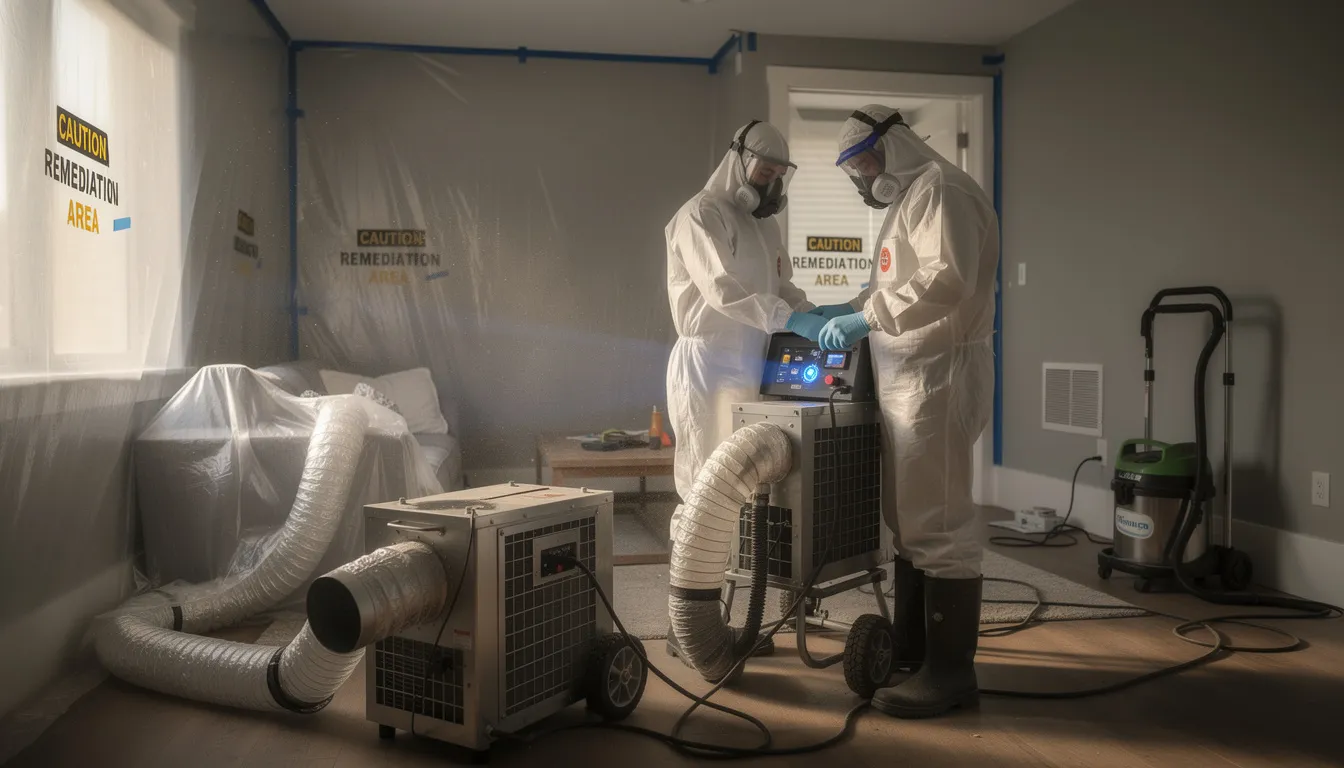
Installing plastic sheeting barriers to seal off affected areas from the rest of the property
Setting up negative air machines that create lower air pressure inside the containment zone, ensuring contaminated air flows into HEPA filters rather than escaping to clean areas
Establishing a decontamination zone where technicians can safely remove and dispose of PPE
Removal and disposal:
Heavily contaminated items must be removed and disposed of according to Georgia’s biohazard regulations. This typically includes:
Mattresses, bedding, and upholstered furniture saturated with bodily fluids
Carpeting and carpet padding
Personal belongings that cannot be effectively cleaned
Clothing and textiles with significant contamination
Porous items heavily colonized by mold
Structural remediation:
Building materials like baseboards, drywall sections, and subfloor panels may need to be cut out to reach clean, dry, uncontaminated substrate. Technicians use flood cuts and targeted demolition to remove affected materials while preserving as much of the structure as possible.
After removal, EPA-registered disinfectants and professional antimicrobial products are applied to remaining surfaces. HEPA vacuuming captures residual spores and debris. All biohazardous waste is packaged in appropriate containers, labeled, and transported by T.A.C.T. North Atlanta for proper disposal.
3. Odor removal, clearance, and restoring peace of mind
Removing visible mold and contaminated materials is only part of the solution. Decomposition odors from mVOCs and putrefaction gases often absorb deep into porous structural elements—wood framing, concrete, remaining drywall, and HVAC components. These odors don’t simply dissipate on their own.
Our odor elimination approach includes:
Continued HEPA air scrubbing to remove airborne particles
Specialized odor-neutralizing technologies like hydroxyl generators or thermal fogging
Targeted treatment of affected surfaces and cavities
Extended ventilation protocols as needed
Unlike air fresheners that mask odors, these methods actually break down or neutralize the organic compounds causing the smell. Depending on property size and contamination severity, odor treatment may require several hours to several days.
Final steps:
Complete HEPA vacuuming and wipe-down of all surfaces within the containment area
Removal of containment barriers and equipment
Final walkthrough with the client to review completed work
Recommendation for third-party verification by an industrial hygienist if the situation warrants independent clearance testing
Documentation you’ll receive:
Photos documenting conditions before, during, and after remediation
Itemized list of work performed
Materials removed and disposal documentation
Records suitable for insurance claims, property management files, or legal needs
Our goal is to return your property to a safe, livable condition—and to provide peace of mind after a traumatic event. We understand that these situations are difficult, and we approach every project with the empathy and discretion our clients deserve.
Preventing decomp mold and limiting damage
Not every decomposition event is preventable—unexpected deaths, wildlife intrusions, and equipment failures happen. However, property owners can significantly reduce the severity and spread of decomp mold by acting quickly and maintaining good building practices.
Prevention tips for homeowners:
Conduct regular wellness checks on elderly relatives living alone, particularly those with health conditions
Address plumbing leaks, roof issues, and water intrusion promptly—within 48 hours if possible
Ensure refrigerators and freezers have functioning alarms or monitoring, especially in vacation homes
Store food properly and dispose of expired items through regular cleaning
Use humane pest control and follow up with professional sanitation after rodent or wildlife removal
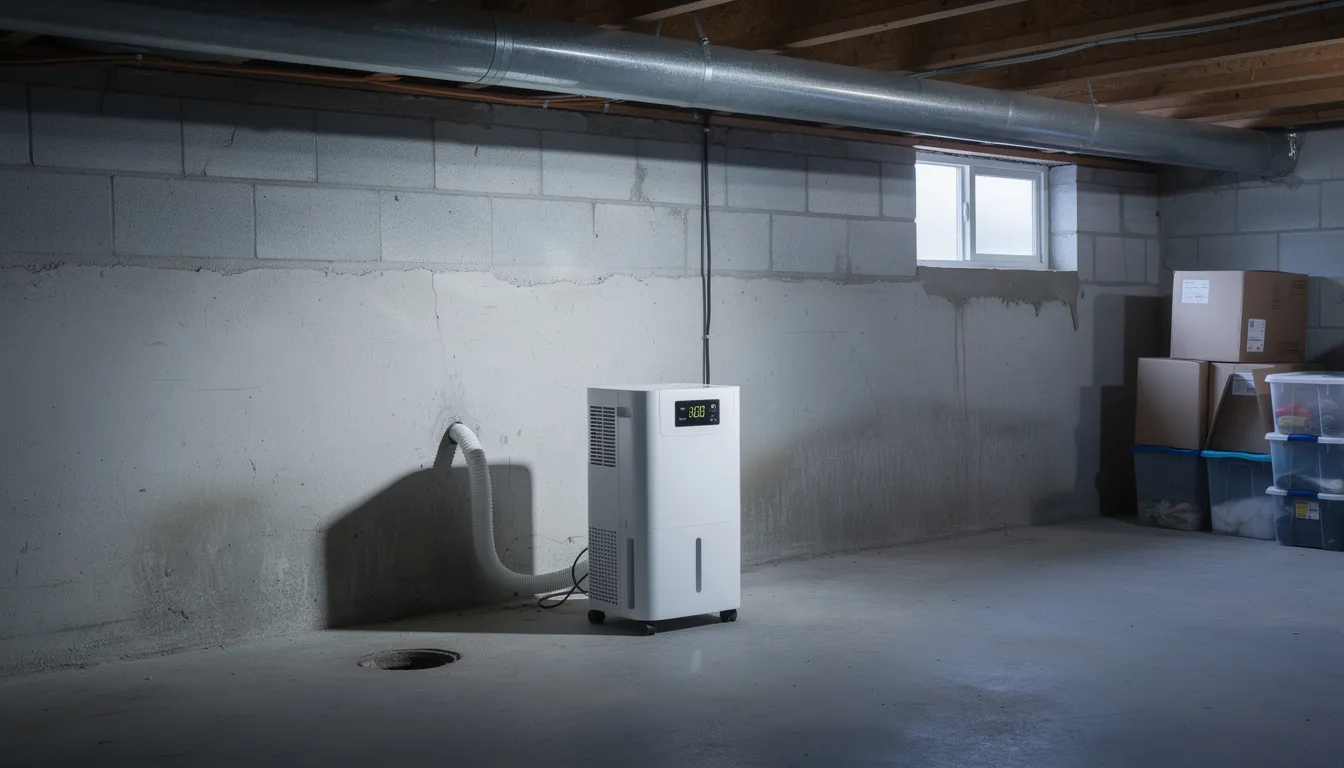
Keep indoor humidity between 30–50% using dehumidifiers in basements and crawl spaces
Ensure bathroom and kitchen exhaust fans vent to the exterior, not into attics
Tips for landlords and property managers:
Prevention Measure | Why It Matters |
|---|---|
Welfare checks when rent goes unpaid | Early discovery limits decomposition and contamination spread |
Post-tenant inspections | Catches unreported damage, dead animals, or abandoned food |
Leak detection programs | Prevents moisture buildup that accelerates mold growth |
Clear policies for reporting odors | Encourages tenants to report issues before they escalate |
Routine HVAC maintenance | Reduces mold colonization in ductwork and air handlers |
Environmental controls that inhibit mold growth:
Maintaining relative humidity below 50% year-round
Using dehumidifiers in basements, crawl spaces, and other moisture-prone areas
Ensuring proper drainage around foundations
Addressing condensation on windows, pipes, and HVAC equipment promptly
Don’t ignore warning signs:
If a strong, unfamiliar odor suddenly appears—especially one that’s sweet, pungent, or “rotten”—investigate immediately. In nature, decomposition serves a critical role in breaking down dead organisms and making nutrients available to primary producers and other organisms in the food chain. But indoors, the same process damages structures and creates health hazards.
On the forest floor, bacteria, fungi, segmented worms, fly larvae, rove beetle species, and other insects work together to break down leaf litter, dead plants, and dead leaves into simpler inorganic materials that enrich the soil. This natural composting process benefits green plants and the entire life cycle of living organisms in that ecosystem. But in your home or business, decomposing organic matter, dead body tissue, or dead animals trigger mold issues that require immediate professional attention—not the slow, beneficial recycling that occurs in nature.
Early investigation can prevent extensive mold colonization and structural damage. When mold has more moisture and organic material to feed on, it spreads rapidly through different materials and into areas invisible to the human eye.
When to call T.A.C.T. North Atlanta for decomp mold issues
Any situation involving suspected human or animal decomposition, heavy rodent droppings, or severe mold accompanied by strong odors should be treated as a potential biohazard requiring professional assessment.
Clear triggers to call for help:
Discovery of an unattended death or trauma scene
Persistent decomposition-like odors that don’t resolve with cleaning or ventilation
Visible mold growth following a death, infestation, or sewage event
Reports from tenants, family members, or staff of breathing issues, headaches, or allergic reactions in affected areas
Property inspections revealing dead animals, accumulated organic waste, or water damage with mold
T.A.C.T. North Atlanta offers:
24/7 emergency response, including weekends and holidays
Same-day arrival for most North Atlanta communities, including Sandy Springs, Roswell, Alpharetta, Marietta, Decatur, Dunwoody, Johns Creek, and surrounding areas
Direct coordination with insurance carriers when coverage applies
Discreet, unmarked vehicles when privacy is needed
Certified technicians experienced in crime and trauma scene cleanup, unattended death remediation, hoarding cleanup, mold remediation, and odor removal
Our team understands that many species of micro organisms—fungi, bacteria, and other decomposers—create conditions that demand specialized intervention. We know that oxygen levels, environmental factors, and the kingdom protista of single-celled organisms all play roles in how decomposition unfolds. And we have the training, equipment, and compassion to produce results that restore your property to a safe condition.
Don’t wait—and don’t put yourself at risk.
Staying in or renting out a potentially contaminated space isn’t worth the health consequences. Whether you’re dealing with the aftermath of an unattended death, a severe hoarding situation, or mold issues following water damage and food spoilage, T.A.C.T. North Atlanta is here to help.
Contact us today for a confidential, professional assessment. We’ll evaluate your situation, explain your options clearly, and help you take the first step toward reclaiming your property—with safety, dignity, and respect for everyone involved.


Latest news