How to handle a water damage emergency from start to finish
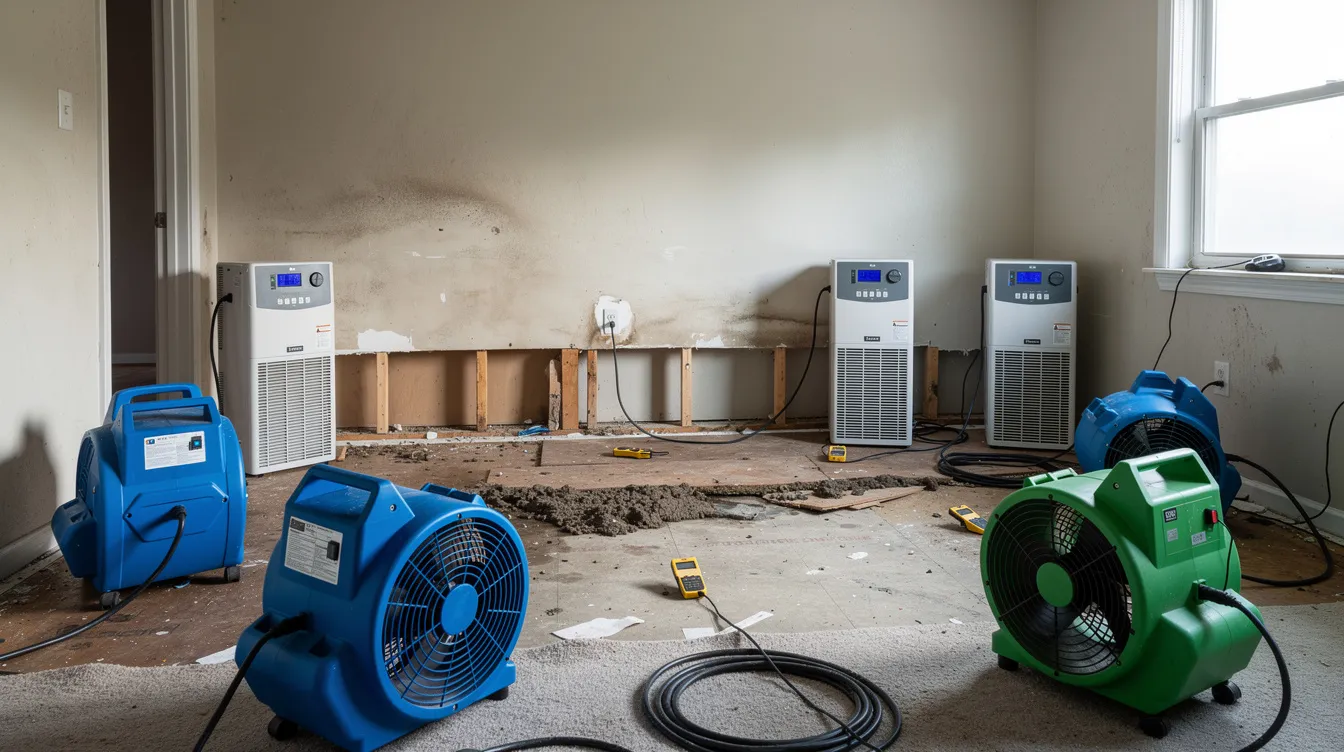
Cleaning, Sanitizing, and Mold Remediation
Water damage cleanup involves removing standing water, drying the affected areas, and repairing any damage caused by the water. For lingering moisture issues, homeowners must also decide between DIY mold cleanup or hiring professionals. Water intrusion frequently introduces bacteria and debris, requiring the use of hospital-grade disinfectants for sanitation.
Crews may use HEPA vacuuming, antimicrobial treatments, and EPA-registered disinfectants. Antimicrobial treatments are used to disinfect surfaces to prevent mold and bacterial growth. Aerosol scrubbing with HEPA air scrubbers filters airborne mold spores and dust.
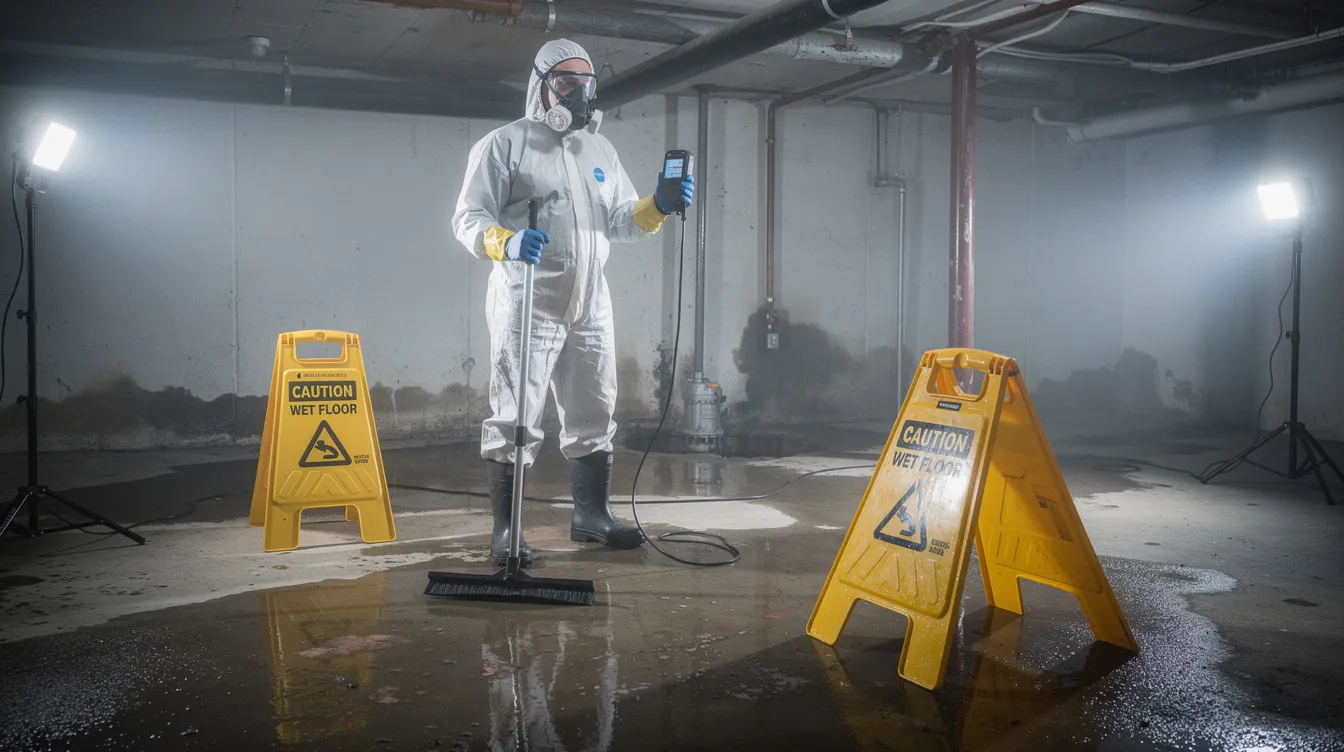
If mold is discovered, mold remediation should follow a formal plan with containment, negative air machines, protective gloves, respirators, goggles, coveralls, and removal of mold-infested materials, often guided by a certified mold hygienist overseeing inspection and remediation. Homeowners may also need help deciding who to call for professional mold removal. Independent mold remediation clearance testing can verify successful cleanup, and the EPA’s mold guidancealso emphasizes drying wet materials quickly.
Repairs, Reconstruction, and Finishing Touches
Once drying goals are met, restoration begins. Typical work includes replacing drywall, insulation, trim, flooring, doors, cabinets, and damaged ceiling sections. Full-service restoration services coordinate carpenters, painters, flooring installers, and plumbers to streamline the process.
The final walkthrough should confirm normal moisture levels, finished repair work, no musty odors, and completed reconstruction to restore water damage properly.
How to Protect Your Home During and After Water Damage
You can help protect the property while professionals work:
Move undamaged belongings to dry rooms.
Elevate furniture and remove small items from wet floors if safe.
Create a room-by-room inventory with dates, photos, and approximate cost.
Keep receipts for emergency service, cleanup, and temporary repair.
After drying, use exhaust fans and maintain normal humidity.
Inspect under sinks, around water heaters, basements, and roof drainage areas for months afterward.
Neglecting water damage repair can lead to long-term health risks from mold, bacteria, and pests, making timely restoration crucial, as is choosing the right mitigation company for disaster recovery, especially when events involve biohazards or decomp mold after an unattended death.
Working with Insurance on a Water Damage Claim
Many water damage events are time-sensitive insurance situations. Notify your insurer quickly, document the loss, meet the adjuster, and coordinate with the restoration contractor.
Take date-stamped photos and videos of standing water, damaged materials, affected rooms, floors, walls, and contents before large-scale cleanup begins. Reputable damage restoration companies often work directly with the insurance company by providing estimates, moisture reports, invoices, and progress notes, similar to how specialists handle crime scene cleanup and related insurance coverage.
Coverage varies. Sudden pipe bursts are often treated differently from long-term leaks or exterior flooding. For flood risk, review FEMA flood insurance information. Also confirm whether sewage backup requires a separate endorsement.
When to Call Professional Water Damage Restoration Services
Small spills may be DIY. Call professional water damage restoration services when:
standing water is deeper than a few millimeters
water spreads across multiple rooms or levels
contaminated water may be present
water has soaked into walls, ceilings, hardwood, or insulation for more than 24 hours
you notice musty odors, visible mold, sagging drywall, buckling floors, or electrical risk
If not addressed quickly, water damage can lead to significant structural damage, including the collapse of walls, ceilings, and floors. Unresolved leaks can also drive hidden mold growth, making plumbing and mold remediation for a healthy home an important consideration. Water damage affects around 14,000 individuals in the US per year, highlighting the need for prompt action to prevent further issues.
Choose a company with 24/7 access, IICRC certification, specialized training, mold remediation experience, clear communication, and help with the insurance claims process, since understanding what a mitigation company is and the services it provides can clarify expectations. Standards from the IICRC guide professional water restoration techniques.
FAQ: Damage Restoration Water
How long does it usually take to dry out a house after water damage?
Moderate drying usually takes 3–5 days with professional equipment. Large losses, saturated hardwood, concrete, or hidden wall moisture can take 7–10 days. Factors include materials, humidity, temperature, and how quickly water extraction was completed.
Can I stay in my home during the water damage restoration process?
In many clean-water cases, you can stay in unaffected areas. Temporary relocation may be safer for Category 3 sewage water, heavy demolition, extensive mold remediation, fire-related combined losses, or poor air quality.
What items are usually not salvageable after serious water damage?
Saturated carpet padding, heavily soaked drywall, warped particleboard furniture, wet insulation, and porous items touched by sewage or outdoor floodwater are often replaced. Solid wood furniture and some electronics may be saved if handled quickly.
How soon does mold start to grow after a leak or flood?
Mold can begin to grow within 24–48 hours on damp drywall, wood, and other organic materials. Rapid extraction, aggressive drying, and humidity control are the best ways to prevent mold growth.
What should I ask a water damage restoration company before hiring them?
Ask about IICRC credentials, years in business, response time, experience with water damage cleanup, mold remediation, documentation, insurance support, written scope, estimate, and how they handle unexpected hidden damage. The right team can save time, reduce cost, and restore your home safely.


Latest news