Mold remediation in North Atlanta
Remediation Mold in North Atlanta: What Homeowners and Businesses Need to Know
Mold can threaten your property and health if not addressed quickly and professionally. This page explains what mold remediation is, why it matters, who needs it, and how T.A.C.T. North Atlanta can help. Whether you’re a homeowner, property manager, or business owner, you’ll find answers to common questions and learn how to protect your space from mold.
Why Choose T.A.C.T. North Atlanta for Professional Mold Remediation
T.A.C.T. North Atlanta is locally owned and specializes in biohazard remediation, crime and trauma cleanup, hoarding cleanup, water damage restoration, odor removal, commercial disinfection, and mold mitigation.
We respond 24/7 across Alpharetta, Roswell, Marietta, Sandy Springs, and nearby communities. We work with major insurance companies, provide photos and reports, and explain each process clearly to owners, tenants, and managers.
Our team is discreet, compassionate, and safety-focused. When requested, we use low-profile practices and communicate respectfully from first call to final cleaning.
Contact T.A.C.T. North Atlanta for Mold Removal Services
T.A.C.T. North Atlanta provides residential and commercial mold removal services for single-family homes, apartments, offices, healthcare facilities, and commercial properties.
Call us when you need to:
Get rid of mold and start removing mold after leaks, floods, or disaster recovery events.
Schedule a non-emergency inspection for musty odors or suspected infestation.
Protect indoor air quality with containment, HEPA filtration, and professional remediation.
Restore your property with less damage, cost, and disruption.
Frequently Asked Questions About Mold Remediation
How long does professional mold remediation usually take?
Small contained jobs may take 1–2 days. Multi-room or basement projects often take 3–7 days, plus drying and reconstruction. Timing depends on the affected area, materials, and how quickly moisture is corrected.
Do I have to leave my home or close my business during mold remediation?
Often, occupants can remain in unaffected areas. Temporary relocation may be recommended for extensive black mold, central HVAC contamination, or for infants, elderly occupants, and immune-compromised people who may face added health problems during remediation.
Will my insurance cover mold remediation?
Coverage depends on the policy and cause. Sudden damage, such as a 2026 pipe burst, is more likely to be covered than long-term neglected leaks. We can document damage for your claim.
Should I test for mold before calling a remediation specialist?
Visible mold growth or strong odor may make testing unnecessary. Testing can help in real estate transactions, health concerns, or when an independent indoor air quality professional is required.
Can mold return after professional remediation?
Yes. Mold can return if leaks, condensation, or high indoor humidity continue. That is why T.A.C.T. North Atlanta focuses on moisture control, prevention, and practical recommendations after every job.
Mold Remediation in North Atlanta: How T.A.C.T. North Atlanta Helps You Get Rid of Mold Safely
Key Takeaways
Complete mold removal is impossible because mold spores exist indoors and outdoors, but professional mold remediation reduces mold levels and fixes the moisture source.
T.A.C.T. North Atlanta provides 24/7 mold remediation services for homes, businesses, apartments, and multifamily properties.
The mold remediation process includes inspection, containment, removal, cleaning, air filtration, hvac system review, drying, and prevention.
Mold in your home larger than 10 square feet, recurring, hidden, or HVAC-related should be handled by a certified mold remediation specialist.
Understanding Mold in Your Home and Business
If you searched “remediation mold” because you found musty odors or visible mold, you are already asking the right question. Mold develops when moisture is present and organic materials such as drywall paper or wood provide a food source. After water damage, mold growth can begin within 24–48 hours, especially during North Atlanta’s high humidity levels.
Every property has background mold spores in the air. The problem is active mold growing on walls, carpet, ceiling tiles, framing, or other building materials. In Roswell, a July 2025 basement leak could leave baseboards wet for days; in a Sandy Springs condo, a March 2026 pipe break above cabinets could create staining and odor within a week.
Prolonged exposure to mold can have adverse effects on health and well-being, making mold removal important for maintaining a safe living environment. Allergy or asthma symptoms that worsen indoors can be a clue that mold is present in your home and may require professional mold remediation and inspections. Mold can also damage property through rotting wood, crumbling drywall, and weakened materials.
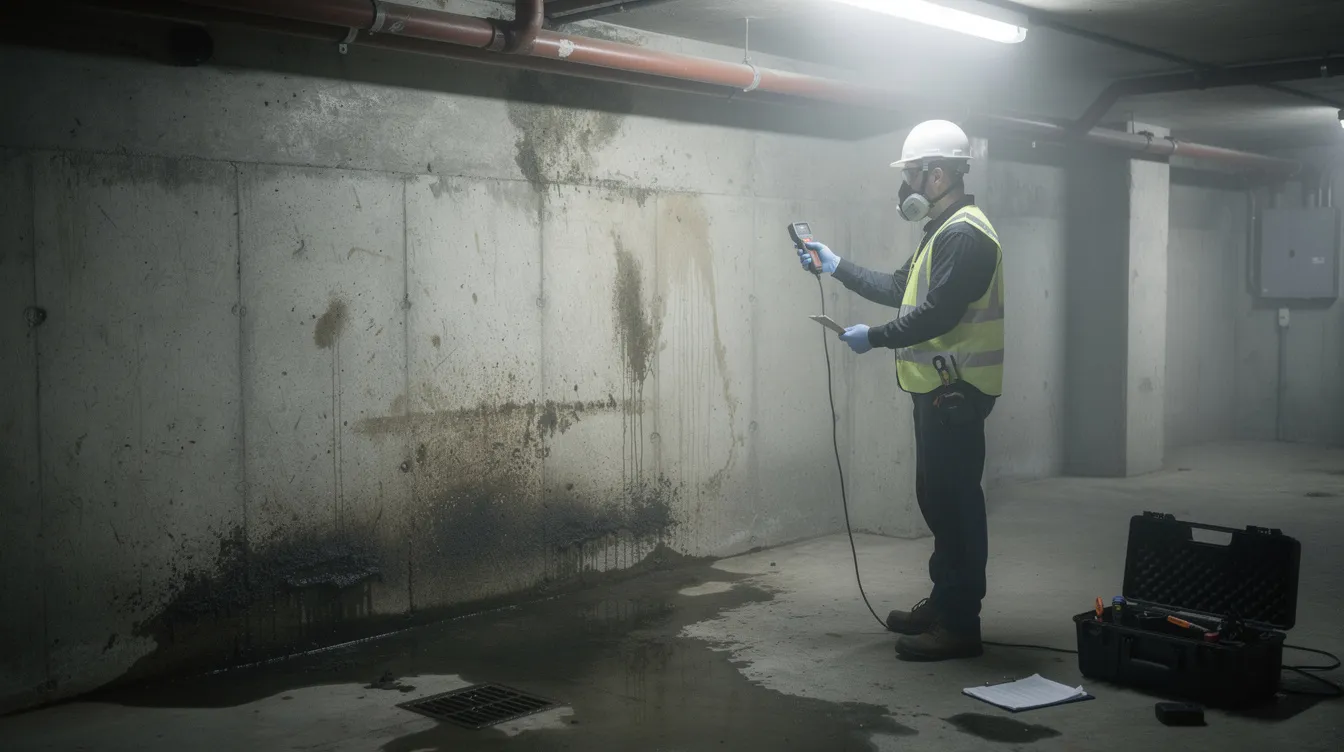
Signs You Need Mold Remediation (Not Just Cleaning)
Most homeowners can spot obvious moldy areas, but hidden moisture problems often matter more than surface staining. Common signs include:
Visible black, green, or white mold on your home’s surfaces is an obvious sign that you need mold remediation services.
Black mold spots on bathroom ceilings, fuzzy patches on carpet, or green growth on basement walls.
A persistent musty or rotten smell in your home can indicate mold growth that requires remediation.
Odor that worsens when the hvac system turns on or after heavy rain.
Bubbling paint, warped surfaces, or water stains in areas affected by moisture are common signs of mold that may necessitate remediation.
Repeated “mildew” on the same window wall despite cleaning.
Coughing at night, headaches, or allergies that improve away from the property.
If the moldy surface area exceeds 10 square feet or structural damage is suspected, it is advised to consult a certified mold remediation professional.
Difference Between Mold Removal and Mold Remediation
Mold removal involves the physical elimination of mold from surfaces and materials within a home, which may include cleaning, sanitizing, or discarding materials that cannot be salvaged. Removing visible mold from hard surfaces may help in small cases, but spores remain present.
While it is impossible to completely eradicate all molds, the key is to control its growth, as mold spores are typically inherent in all indoor and outdoor spaces. Any company promising permanent, 100% professional mold removal everywhere is misleading.
Mold remediation is broader. It includes finding water problems, containment, safe removal of mold infested materials, thorough cleaning, moisture control, and prevention. Homeowners can also benefit from educational resources that explain mold identification, risks, and EPA-based remediation guidance. T.A.C.T. North Atlanta uses “mold remediation” because our remediation process addresses the cause, not just the stain.
The Professional Mold Remediation Process with T.A.C.T. North Atlanta
Assessment comes first. A mold inspection may include moisture readings, thermal imaging, and visual inspection of attics, crawl spaces, basements, walls, and plumbing leaks to define the affected area.
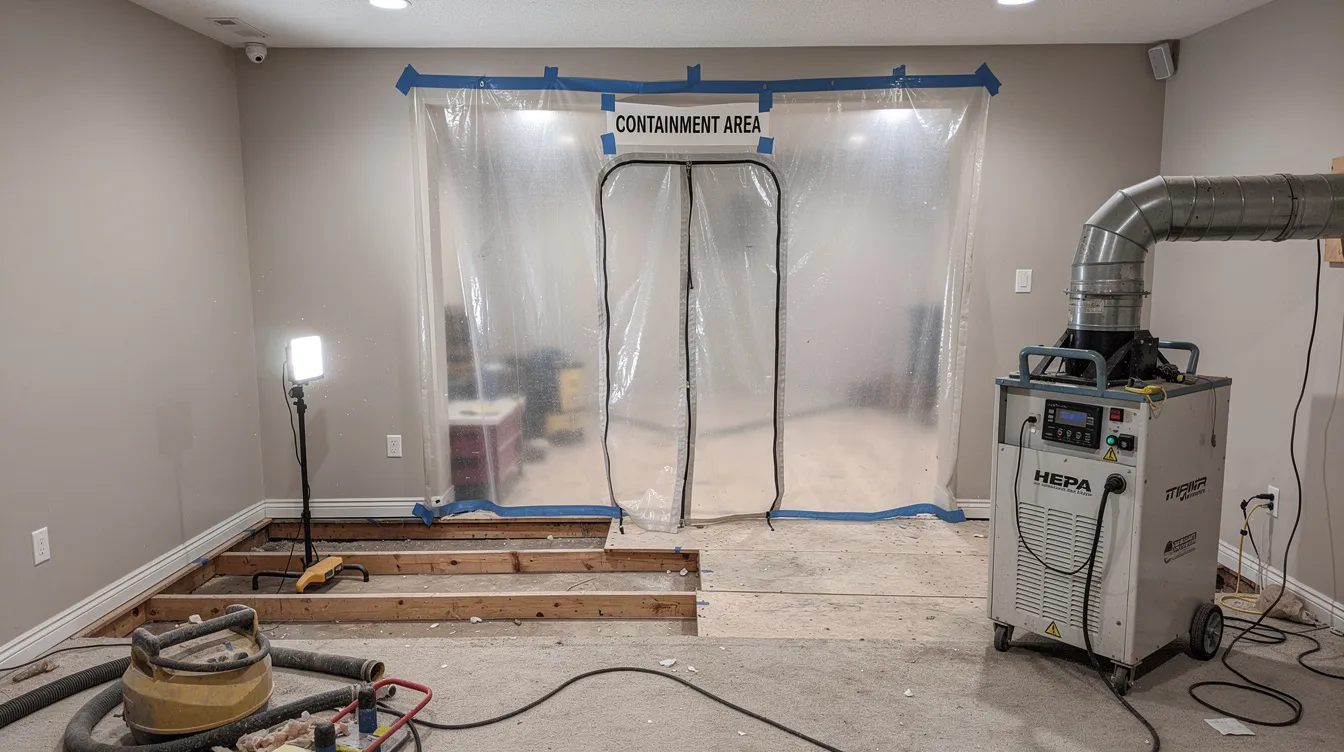
The IICRC S520 Standard establishes protocols for Professional Mold Remediation. The first step in the mold remediation process is setting up containment and ventilation to prevent mold spores from spreading to unaffected areas. Plastic barriers, zip walls, and negative air equipment help stop spread when mold spreads during demolition.
Proper air filtration systems, like those with HEPA filters, help maintain air quality in contaminated areas during remediation work. In some situations, professional indoor air quality testing can help confirm conditions before and after remediation. Air scrubbers should be deployed for several days to filter airborne spores during mold remediation, and HEPA vacuums capture settled spores.
Cleaning and disinfecting is a crucial step in the mold remediation process, which includes the actual remediation and disposal of infected materials. This may involve cutting out drywall, removing saturated insulation, pulling carpet and padding, and protecting contents with sentimental value when possible.
Technicians clean moldy surfaces, then apply biocide or fungicide solutions to eliminate any remaining mold spores and prevent regrowth. Non-porous surfaces are wiped, HEPA-vacuumed, and treated with appropriate products registered under environmental protection agency rules.
When supply vents, return grilles, or air handlers are involved, we evaluate the hvac system and coordinate specialized cleaning if needed. Finally, air movers and dehumidifiers dry the structure, repairs are planned, and Post-remediation verification (PRV) through independent testing is necessary to confirm that mold has been successfully removed. The final step in the mold remediation process involves providing preventative recommendations to homeowners to avoid future mold growth.
DIY vs. Professional Mold Remediation in North Atlanta
DIY removal may be reasonable for a small, well-defined patch under about 10 square feet on non-porous surfaces, with no HVAC involvement and no vulnerable occupants. Personal Protective Equipment (PPE) such as N-95 respirators, gloves, and goggles is crucial for safety during mold remediation.
DIY basics include PPE, ventilation, appropriate cleaning agents, and watching for mold recurrence. Call a professional mold remediation specialist for flooding, multiple rooms, hidden insulation, strong musty odors, immune-compromised occupants, or suspected black mold contamination.
Large DIY jobs can push airborne spores through the home, miss moisture behind walls, or contaminate ducts. T.A.C.T. North Atlanta offers certified, discreet professional mold help 24/7.
Factors That Affect Mold Remediation Cost
Mold remediation costs an average of $2,360, ranging from $1,225 on the low end to $3,750 on the high end. Professional mold remediation generally costs between $10 and $25 per square foot, depending on the mold type, location, and complexity of the job.
Mold remediation depends on size, access, materials, and risk. A small bathroom corner may cost far less than a finished basement in a 2,500 sq ft home. Crawl spaces, shower walls, exterior walls, and HVAC contamination require more labor and specialized tools, and costs can vary by area, as seen with our Douglasville, GA mold removal services.
Porous materials like drywall, carpet, and insulation often require removal and replacement. The cost of mold remediation can vary significantly based on factors such as location, type of mold, extent of damage, and whether temporary relocation is necessary during the process. Containment, careful demolition, HEPA cleaning, disposal, permit fees, reconstruction, emergency response, and PRV all affect mold remediation costs.
How T.A.C.T. North Atlanta Handles Black Mold and Other High-Risk Situations
What people call black mold is often Stachybotrys chartarum, but color alone does not prove toxicity. The core process is similar for many species, but long-term leaks, sewage backups, hoarding environments, and disaster recovery from floods or fire suppression require added caution.
For severe contamination, occupants may be advised to leave the affected area during remediation. Our biohazard and trauma cleanup expertise, along with disease control, odor, and hoarding cleanup training, helps us remediate mold safely in complex environments.
Preventing Mold from Coming Back After Remediation
Eliminating the underlying moisture source is essential for effective mold remediation. Controlling indoor humidity and fixing water problems quickly—often through prompt water damage restoration and drying services—are the most effective ways to prevent mold from returning after remediation.
Indoor relative humidity should be maintained below 60% to prevent mold growth, ideally between 30% and 50%. Use dehumidifiers in basements and crawl spaces, vent bathrooms and kitchens outdoors, repair roof leaks, improve drainage, and fix condensation.
Maintain HVAC filters, inspect ducts for sweating, and check under sinks, baseboards, attic decking, and window sills after storms. Addressing moisture problems early can prevent mold from spreading and help homeowners avoid the much higher costs of large-scale remediation.
Why Choose T.A.C.T. North Atlanta for Professional Mold Remediation
T.A.C.T. North Atlanta is locally owned and specializes in biohazard remediation, crime and trauma cleanup, hoarding cleanup, water damage restoration, odor removal, commercial disinfection, and mold mitigation.
We respond 24/7 across Alpharetta, Roswell, Marietta, Sandy Springs, and nearby communities. We work with major insurance companies, provide photos and reports, and explain each process clearly to owners, tenants, and managers.
Our team is discreet, compassionate, and safety-focused. When requested, we use low-profile practices and communicate respectfully from first call to final cleaning.
Contact T.A.C.T. North Atlanta for Mold Removal Services
T.A.C.T. North Atlanta provides residential and commercial mold removal services for single-family homes, apartments, offices, healthcare facilities, and commercial properties.
Call us when you need to:
Get rid of mold after leaks, floods, or disaster recovery events.
Schedule a non-emergency inspection for musty odors or suspected infestation.
Protect indoor air quality with containment, HEPA filtration, and professional remediation.
Restore your property with less damage, cost, and disruption.
Frequently Asked Questions About Mold Remediation
How long does professional mold remediation usually take?
Small contained jobs may take 1–2 days. Multi-room or basement projects often take 3–7 days, plus drying and reconstruction. Timing depends on the affected area, materials, and how quickly moisture is corrected.
Do I have to leave my home or close my business during mold remediation?
Often, occupants can remain in unaffected areas. Temporary relocation may be recommended for extensive black mold, central HVAC contamination, infants, elderly occupants, or immune-compromised people.
Will my insurance cover mold remediation?
Coverage depends on the policy and cause. Sudden damage, such as a 2026 pipe burst, is more likely to be covered than long-term neglected leaks. We can document damage for your claim.
Should I test for mold before calling a remediation specialist?
Visible mold growth or strong odor may make testing unnecessary. Testing can help in real estate transactions, health concerns, or when an independent indoor air quality professional is required.
Can mold return after professional remediation?
Yes. Mold can return if leaks, condensation, or high indoor humidity continue. That is why T.A.C.T. North Atlanta focuses on moisture control, prevention, and practical recommendations after every job.


Latest news