How tobacco use impacts your health, home, and environment
Smoking Effect: How Tobacco Use Impacts Your Health, Home, and Environment
Smoking harms far more than just the person holding the cigarette. From your lungs and heart to the walls of your home and the air your family breathes, tobacco use leaves a trail of damage that extends into every corner of daily life. For property owners and families alike, understanding these impacts is the first step toward protecting both health and living spaces.
Since 1964, the U.S. Surgeon General has repeatedly confirmed that smoking causes disease in nearly every organ of the human body. Today, more than 16 million Americans live with a smoking-related disease, and tobacco smoke remains the leading preventable cause of death in the country. Beyond the body, that same smoke leaves behind toxic residue—often called thirdhand smoke—that soaks into walls, carpets, furniture, and HVAC systems, creating lasting contamination.
At T.A.C.T. North Atlanta, we regularly encounter severe smoke and odor contamination in homes, rental properties, and commercial buildings after years of indoor smoking or fire incidents. This article covers:
What cigarette smoking does to the body and why nicotine is so addictive
Major health effects and disease risks linked to tobacco use
How smoking affects families, co-workers, and indoor environments
When professional remediation services become necessary

What Is Smoking and How Does It Work?
Cigarette smoking involves burning processed tobacco wrapped in paper and inhaling the resulting smoke deep into the lungs. While this article focuses primarily on commercial tobacco cigarettes sold in the United States, tobacco products come in many forms, including cigars, pipes, hookah, electronic cigarettes and vapes, and smokeless tobacco.
When you inhale cigarette smoke, it travels a direct path through your body:
Entry point: Smoke enters through the mouth and throat, passing through the trachea into the bronchi
Deep penetration: From the bronchi, smoke moves into smaller bronchioles and finally reaches the alveoli—tiny air sacs where oxygen exchange occurs
Bloodstream absorption: Harmful chemicals cross from the alveoli into the bloodstream, reaching the brain, heart, and other organs within seconds
Chemical payload: A burning cigarette produces over 7,000 chemicals, including tar, carbon monoxide, formaldehyde, benzene, and heavy metals like cadmium and lead
Beyond what enters the body, smoking creates two additional types of exposure:
Secondhand smoke: The combination of exhaled smoke and sidestream smoke rising directly from the burning tip
Thirdhand smoke: Residual nicotine and toxic chemicals that cling to surfaces, dust, fabrics, and building materials long after active smoking stops
These residues are exactly the kind of contamination that T.A.C.T. North Atlanta removes when cleaning properties affected by long-term indoor smoking.
Why Do People Start and Continue Smoking?
People smoke for many reasons, and the path to dependence often involves a complex mix of addiction, stress relief, social pressure, and deeply ingrained habits. Understanding these factors helps reduce stigma and points toward more effective quitting strategies.
The role of nicotine in the brain:
Nicotine reaches the brain approximately 10 seconds after inhalation
It triggers the release of dopamine and other neurotransmitters associated with pleasure and calm
This rapid reward cycle reinforces the desire to smoke again and again
Common triggers for smoking:
Social settings like work breaks, parties, or time with other smokers
Pairing cigarettes with coffee, alcohol, or meals
Driving or commuting routines
Using tobacco as a coping mechanism for anxiety, boredom, or stress
Why quitting is so difficult:
Adolescent and young adult brains are particularly vulnerable to nicotine addiction—most long-term smokers started before age 18
Rituals like the first cigarette of the morning become deeply comforting habits
Nicotine addiction can be as powerful as dependence on other major addictive substances
Physical dependence combines with psychological attachment, requiring comprehensive support to overcome
What Smoking Does to Your Body
The health effects of smoking begin with the very first puffs and accumulate with every cigarette. Tobacco smoke damages virtually every organ system, creating both immediate physiological changes and long-term harm that compounds over years.
Immediate effects when you inhale cigarette smoke:
Heart rate increases within minutes
Blood vessels constrict, reducing blood flow throughout the body
Blood pressure rises temporarily
Carbon monoxide binds to red blood cells, reducing oxygen-carrying capacity
Airways become irritated, triggering coughing and mucus production
Cumulative damage over time:
Tar accumulates in lung tissue, coating airways and impairing function
Chronic inflammation develops in the respiratory system
The lining of blood vessels (endothelium) sustains ongoing injury
DNA repair mechanisms become impaired, allowing mutations to persist
The immune system weakens, making infections harder to fight
Wound healing slows, complicating recovery from surgeries and injuries
Effects beyond the lungs:
Skin shows premature aging and slower healing
Eyes become more vulnerable to cataracts and macular degeneration
Mouth and throat tissues sustain direct damage from smoke and heat
Reproductive organs experience reduced function in both men and women
The same tar and particulates that damage your lungs also adhere to indoor surfaces. Over time, this contamination discolors walls and ceilings, embeds in soft furnishings, and creates the stubborn odors that often require professional remediation.
Major Health Effects and Disease Risks
Long-term cigarette smoking ranks among the leading causes of preventable illness and death in the United States. The smoking harms nearly every organ in ways that often prove irreversible, contributing to chronic disease, disability, and shortened lifespan.
Cancer risks:
Lung cancer is the most well-known consequence—smoking causes the majority of lung cancer deaths
Cancer smoking connections extend to at least 17 cancer types, including mouth, throat, esophagus, bladder, pancreas, kidney, cervix, and colon
Even occasional smoking substantially raises cancer risk due to rapid absorption of cancer causing chemicals
Respiratory diseases:
Chronic obstructive pulmonary disease (COPD) develops from progressive lung damage
Chronic bronchitis causes persistent cough and mucus production
Emphysema destroys alveoli, permanently reducing lung capacity
Chronic lung disease worsens with continued exposure
Asthma symptoms intensify, and respiratory infections become more frequent and severe
Cardiovascular disease impacts:
Coronary heart disease risk increases 2 to 4 times compared to nonsmokers
Heart attacks and sudden cardiac death become far more likely
Stroke risk rises significantly due to impaired blood flow and increased blood clots
Peripheral artery disease reduces circulation to limbs
High blood pressure can progress to severe or malignant forms
Cardiovascular health deteriorates through accelerated atherosclerosis
Additional systemic effects:
Type 2 diabetes risk increases, and existing diabetes complications worsen
Bone density decreases, raising fracture risk, especially in hips
Rheumatoid arthritis risk may increase
Healing from fractures and surgeries takes longer
Erectile dysfunction becomes more common in male smokers
Oral and sensory effects:
Gum disease and tooth loss occur at higher rates
Bad breath persists despite oral hygiene efforts
Taste and smell diminish over time
Ear infections and hearing loss may develop earlier
Vision problems including cataracts and macular degeneration increase
Mental health connections:
Anxiety and depression rates are higher among smokers
While smoking tobacco provides short-term stress relief, long-term dependence often worsens overall stress levels

Smoking, Fertility, and Pregnancy
Maternal smoking and tobacco use by either partner can significantly impact the ability to conceive and carry a healthy pregnancy.
Smoking reduces fertility in both men and women by affecting hormone balance, sperm quality, and egg health
Pregnant smokers face increased risk of ectopic pregnancy, placental problems, and miscarriage
Babies born to smoking mothers are more likely to experience low birth weight and premature birth
Children exposed in utero or during early life have higher rates of respiratory infections, asthma, and developmental concerns
Quitting before or during pregnancy significantly improves outcomes for both parent and baby
How Nicotine Addiction Develops and Feels
Nicotine is the primary addictive ingredient in tobacco products, and its rapid effects on brain chemistry create a powerful cycle of dependence. Understanding how addiction works helps explain why quitting requires more than simple willpower.
The addiction cycle:
Inhalation delivers nicotine to the brain within seconds
A quick dopamine surge creates feelings of pleasure, calm, or improved focus
These effects fade rapidly, typically within 30 to 60 minutes
Dropping nicotine levels trigger cravings, irritability, and restlessness
Smoking another cigarette restarts the cycle, reinforcing dependence
Common withdrawal symptoms when trying to quit smoking:
Anxiety and irritability that can persist for weeks
Difficulty concentrating on tasks
Increased appetite and potential weight gain
Sleep disturbances including insomnia or vivid dreams
Strong urges to smoke, especially in familiar settings
How tolerance develops:
Over time, the brain adapts to regular nicotine exposure
Higher doses become necessary to achieve the same effects
Cigarette smokers may gradually increase daily consumption
Intervals between cigarettes often shorten as dependence deepens
Environmental triggers:
Smelling smoke or seeing cigarette packs can spark intense cravings
Specific locations like patios, cars, or break areas become associated with smoking
Social situations with other smokers create pressure to relapse
These triggers can persist for months or years after quitting
Recognizing addiction as a chronic, relapsing condition—not simply a “bad habit”—reduces stigma and emphasizes the importance of structured support for smoking cessation.
How Smoking Affects Appearance and Daily Life
Beyond internal health consequences, smoking changes how people look, feel, and function in everyday situations. These visible and practical effects often motivate quitting as much as concerns about chronic disease prevention.
Skin changes:
Premature wrinkles develop, especially around the mouth and eyes
Complexion becomes dull and uneven
Cuts and cosmetic procedures heal more slowly due to reduced blood flow
Skin cancer risk may increase from combined smoking and sun exposure
Hair and nail effects:
Hair thinning or loss occurs at higher rates
Hair becomes brittle and loses shine
Fingernails and fingertips develop yellow or brown staining
Oral and breath issues:
Persistent bad breath resists standard oral hygiene
Teeth become stained yellow or brown
Sense of taste and smell diminish significantly
Dental care needs increase due to gum disease and decay
Reduced physical capacity:
Climbing stairs or moderate exercise becomes noticeably harder
Shortness of breath limits activities
Overall stamina and endurance decline progressively
Odor and social impacts:
Smoke smell clings to hair, clothes, and car interiors
Upholstery and fabrics absorb lingering odors
Social and professional interactions may be affected by persistent smoke smell
Property concerns:
Homes with heavy indoor smoking can be harder to rent or sell
Professional deodorization and deep cleaning often become necessary
T.A.C.T. North Atlanta regularly performs these remediation services for properties requiring restoration after long-term smoking
Effects on Family, Co‑Workers, and Indoor Environments
Smoking affects far more than the person holding the cigarette. It changes air quality in shared spaces and creates health risks for everyone nearby, particularly vulnerable populations like children and older adults.
Secondhand smoke exposure risks:
Non-smokers who inhale secondhand smoke absorb the same toxic chemicals as active smokers
Increased risk of heart disease and lung cancer in non-smoking adults
Greater risk of respiratory infections and respiratory diseases
Children and elderly individuals face heightened vulnerability
Health consequences for children exposed:
Higher rates of ear infections, bronchitis, and pneumonia
Worsened asthma symptoms and more frequent attacks
Reduced lung growth and development
Increased long-term risk of respiratory illnesses and COPD
Thirdhand smoke contamination:
Residual nicotine and toxic chemicals cling to walls, ceilings, furniture, carpets, and dust
This residue persists for months or years after active smoking stops in a space
Harmful chemicals can be re-released into the air over time
Residue sticks to skin and contaminates belongings
Crawling children and pets face ongoing exposure through contact with contaminated surfaces
Property and environmental concerns:
Landlords and property managers in North Atlanta frequently discover severe nicotine staining
Persistent odor remains even after repainting or standard cleaning
Professional remediation becomes necessary to truly restore indoor air quality

When Smoking Damage Requires Professional Cleanup
Standard cleaning methods often fall short when addressing severe smoke contamination. Here’s when professional remediation becomes essential:
Visible signs of heavy smoking damage:
Yellow or brown staining on walls, ceilings, and trim
Sticky residue coating blinds, windows, and light fixtures
Persistent tobacco odor that returns even after painting or cleaning
Discoloration on fabrics, carpets, and upholstery
Why DIY cleaning isn’t enough:
Standard cleaning products cannot penetrate deeply embedded tar and nicotine
Basic ventilation fails to remove contaminants from porous materials
HVAC systems and ductwork often harbor significant residue
Odors trapped in subflooring, insulation, and building materials resist surface treatment
Complex contamination scenarios:
Long-term smoking combined with hoarding conditions
Smoke damage alongside mold growth requiring specialized handling
Fire damage where smoke remediation is part of broader restoration
T.A.C.T. North Atlanta’s remediation services:
Certified odor removal using professional-grade equipment and techniques
Deep cleaning of surfaces, contents, and building materials
Coordination with HVAC cleaning specialists for duct treatment
Treatment of porous materials when possible, removal when necessary
Restoration of healthy indoor air quality for families, tenants, and employees
Protection of property value through thorough, documented remediation
Do Lungs and the Body Repair After You Quit Smoking?
The human body begins healing remarkably quickly after the last cigarette. While some damage from long-term heavy smoking can be permanent, the health benefits of quitting accumulate over time and are significant at any age.
Early improvements (hours to days):
Within 20 minutes, heart rate and blood pressure begin returning to normal
Within hours, carbon monoxide levels in the blood start dropping
Within days, oxygen levels normalize and sense of taste and smell begin improving
Breathing may become easier as airways start relaxing
Short-term recovery (weeks to months):
Lung function begins measurably improving
Coughing and shortness of breath often decrease
Circulation improves throughout the body
Risk of heart attack begins declining
The immune system starts recovering
Long-term benefits (years):
Heart disease risk drops to nearly half within one year
Stroke risk decreases significantly over several years
Lung cancer risk falls substantially over 10 to 15 years
Many other cancer risks continue declining
Overall life expectancy improves measurably
Important considerations:
Quitting before age 40 can reduce up to 90% of excess mortality risk
Some structural lung damage, like emphysema, may be permanent
The body’s healing does not extend to environmental contamination
While your body can repair many health effects of smoking, the stained walls, embedded odors, and damaged materials in your home or business require active intervention. T.A.C.T. North Atlanta can help former smokers transform previously smoke-filled spaces into healthier, fresher environments.
How to Quit Smoking and Reduce Harm
Quitting at any age brings meaningful health benefits, and most successful quitters required multiple attempts before achieving lasting success. A combination of evidence-based tools, planning, and support offers the best chance of success.
Evidence-based quitting tools:
Nicotine replacement therapy including patches, nicotine gum, and nicotine lozenges
Prescription medications that reduce cravings and withdrawal symptoms
Behavioral counseling or coaching from trained professionals
Combination approaches that address both physical and psychological dependence
Creating a quit plan:
Set a specific quit date and mark it on your calendar
Identify personal triggers and plan alternatives for high-risk moments
Stock up on substitutes like sugar-free gum, healthy snacks, or stress balls
Practice deep breathing or short walks to manage cravings
Remove cigarettes, lighters, and ashtrays from your environment
Finding support:
Consult healthcare providers about medications and health promotion strategies
Call national quitlines for free coaching and resources
Join support groups, either in-person or online
Use digital apps to track progress, log cravings, and celebrate milestones
Ask friends and family to help you stay accountable
Harm reduction steps if not ready to fully stop smoking:
Always smoke outside, away from children, pets, and non-smokers
Never smoke in cars or enclosed rooms where second hand smoke accumulates
Improve ventilation in any smoking areas
Recognize that no level of smoking is genuinely safe, but reducing exposure helps
Health monitoring:
Maintain regular checkups with your healthcare provider
Discuss lung cancer screening if you’re a current or former heavy smoker
Follow clinical practice guideline recommendations from the national center for chronic disease prevention and health promotion
Address any health conditions early for better outcomes
Once you quit smoking, you may want to address lingering smoke odor and staining in your home or workplace. T.A.C.T. North Atlanta offers professional remediation to help complete your fresh start.
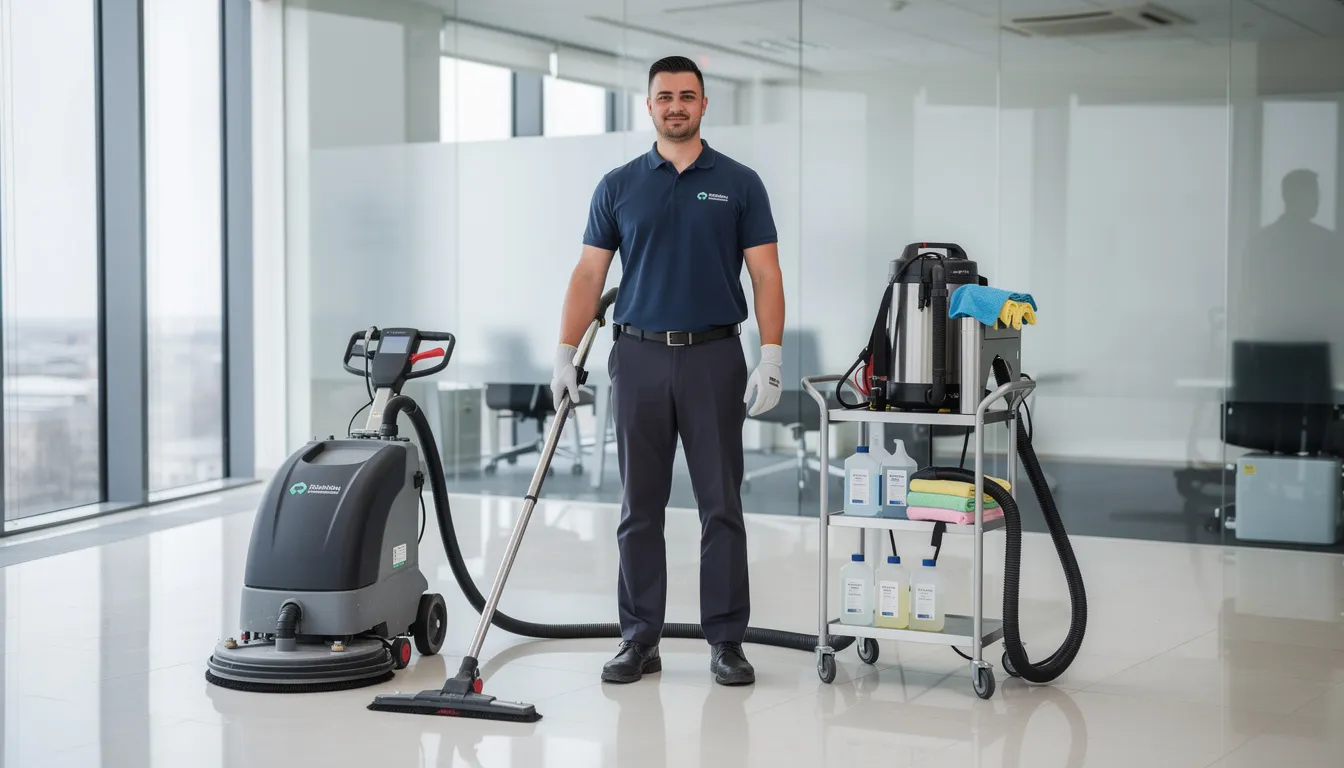
How T.A.C.T. North Atlanta Helps With Smoke and Odor Remediation
While this article has focused on the many ways smoking affects your health, we at T.A.C.T. North Atlanta specialize in addressing the environmental consequences that remain after smoking has damaged a property. Whether from years of indoor tobacco use or from fire incidents, severe smoke contamination requires professional intervention.
What we offer for smoke and odor remediation:
Comprehensive odor removal using industrial-grade equipment, HEPA filtration, and proven techniques
Deep cleaning of walls, ceilings, floors, and contents affected by nicotine and tar residue
Coordination with HVAC and duct cleaning specialists to address system contamination
Treatment of porous materials including carpets, upholstery, and drapes when salvageable
Safe removal and disposal of materials too contaminated for effective cleaning
Why property owners choose us:
Certified, licensed technicians trained in biohazard and environmental cleaning
Experience handling complex situations where smoking damage combines with hoarding, mold, or fire and water damage
Service throughout North Atlanta for homeowners, landlords, property managers, and commercial clients
Coordination with insurance when smoke damage is part of a covered loss
Discreet, professional service that respects your privacy
Our commitment:
Restore healthy indoor air quality for families, tenants, and employees
Protect property value through thorough, documented remediation
Provide honest assessments and clear communication throughout the process
Available 24/7 for emergency and non-emergency cleanup needs
If you’re dealing with heavy indoor smoke damage, persistent tobacco odors, or related environmental concerns, contact T.A.C.T. North Atlanta for a professional assessment. Whether you’ve recently quit smoking and want a fresh start, or you’re a property owner facing a challenging cleanup, we’re here to help restore your space to a safe, clean, and healthy condition.
Key Takeaways
Smoking harms nearly every organ and remains the leading preventable cause of death in the United States
Tobacco smoke contains over 7,000 chemicals, including dozens of known carcinogens
Secondhand and thirdhand smoke create ongoing health risks for families, children, and building occupants
Quitting brings rapid and cumulative health benefits, though some damage may be permanent
Environmental smoke contamination requires professional remediation that standard cleaning cannot achieve
T.A.C.T. North Atlanta provides certified smoke and odor remediation for homes and businesses throughout the North Atlanta area
Understanding the full scope of smoking’s effects—from your cardiovascular system to your living room walls—empowers you to take action. Whether that means starting your quit journey, protecting your family from secondhand smoke exposure, or restoring a smoke-damaged property, every step matters. If you need help addressing severe smoke contamination, reach out to T.A.C.T. North Atlanta today for a professional evaluation.


Latest news