
Mold Black: Health risks, identification & professional remediation in North A

Mold Black: Health Risks, Identification & Professional Remediation in North Atlanta
When people talk about “mold black” or black mold, they’re usually referring to dark-colored fungi that colonize water-damaged building materials. The most notorious species is Stachybotrys chartarum, though several other molds can appear dark green or black. Black mold can cause respiratory irritation, allergic reactions, and more serious health problems in some individuals—particularly those with asthma, existing mold allergies, or a weakened immune system. If you’re seeing dark patches on your walls or detecting a persistent musty smell in your North Atlanta home or business, professional mold remediation may be necessary.
Color alone doesn’t determine whether a mold is dangerous. However, when you see mold black growing in your property, it typically signals a long-term moisture problem that needs immediate attention. Any chronic indoor mold growth creates an environment where microscopic spores circulate through your air, affecting indoor air quality and potentially triggering symptoms in occupants.
T.A.C.T. North Atlanta specializes in 24/7 mold remediation and related biohazard cleanup for residential and commercial properties throughout the North Atlanta area. We’re certified, insured, and experienced in restoring homes and businesses to safe, livable conditions after water damage and mold infestations.
Key points about black mold:
Black mold refers to dark-colored fungi, most commonly Stachybotrys chartarum, that thrive on wet cellulose materials
Mold exposure can trigger allergy symptoms, worsen asthma symptoms, and cause respiratory irritation
People with compromised immune systems face higher health risks from prolonged exposure
Professional testing and remediation are recommended for significant mold growth
Fixing the underlying moisture problem is essential to prevent recurrence
What Is Black Mold? (Mold Black Basics)
Black mold commonly refers to Stachybotrys chartarum and other dark green or black fungi that colonize water-damaged building materials. Unlike molds that spread quickly across many surfaces, Stachybotrys specifically targets cellulose-rich materials—the paper facing on drywall, cardboard boxes, paper products, OSB sheathing, and framing lumber that has remained damp for extended periods.
Mold grows when conditions align: moisture, organic nutrients, and warm temperatures between 40-100°F (with optimal growth at 77-86°F). In North Atlanta, where summer humidity regularly exceeds 70% and afternoon thunderstorms are routine from May through September, homes and businesses face elevated risk for mold colonization after any water intrusion event.
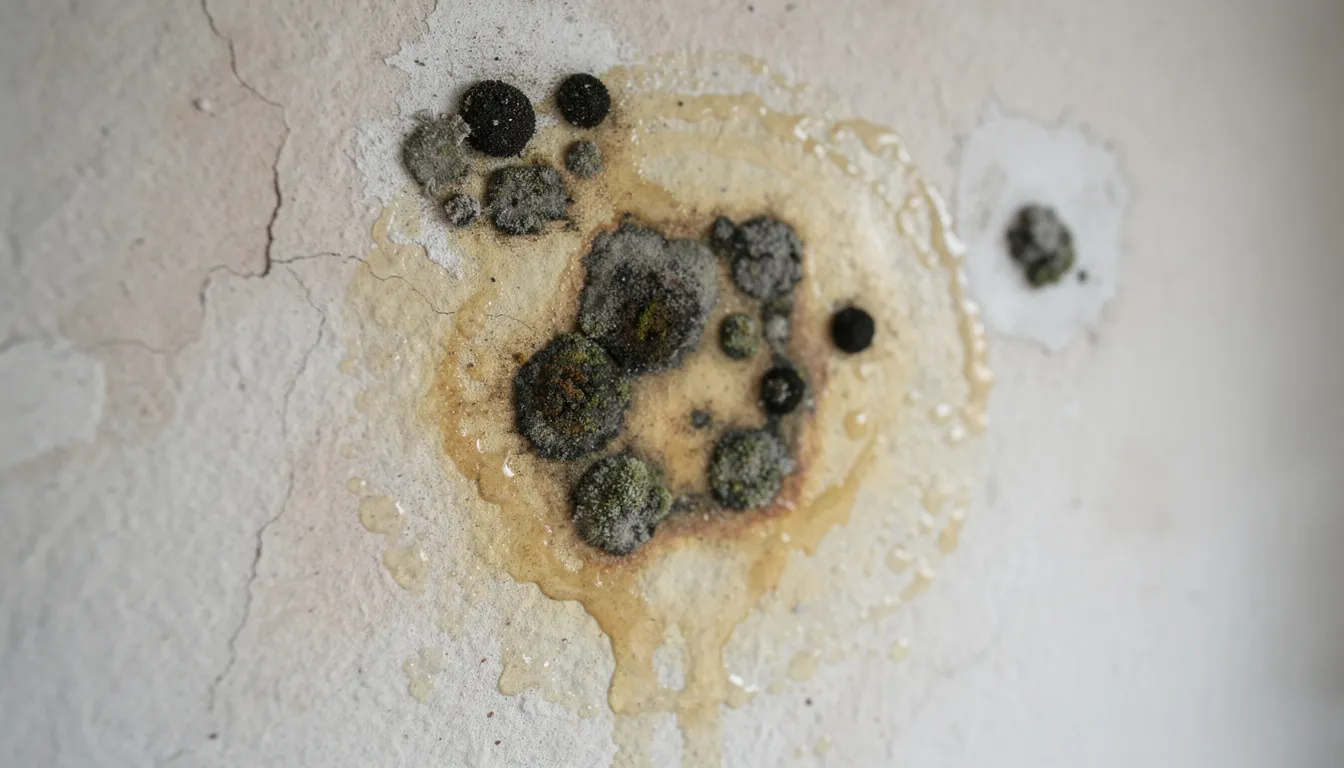
Typical appearance and locations:
Slimy, wet-looking dark patches when actively growing; powdery or sooty texture when dry
Dark green to black coloration, sometimes appearing as spreading speckles that merge into larger stains
Commonly found on walls, ceilings, behind baseboards, around windows, and in HVAC closets
Frequently discovered after roof leaks from severe storms, plumbing failures, or persistent high humidity
Often hidden behind drywall, under flooring, or inside wall cavities where leaks went undetected
Materials where black mold thrives:
Drywall and drywall paper facing
Ceiling tiles and acoustic panels
Wood framing and subflooring
Cardboard and paper products stored in damp areas
Carpet and carpet padding in basements or flood-affected rooms
Fiberboard, particleboard, and OSB
It’s worth noting that “toxic black mold” is largely a media term. While some strains of Stachybotrys produce mycotoxins—potent chemicals that can cause health effects—any type of mold growing indoors should be treated as a problem requiring removal.
Can Black Mold Make You Sick?
Yes, black mold can make people sick, though the severity varies based on individual sensitivity and exposure duration. Molds reproduce by releasing spores into the air. Black mold also produces microbial volatile organic compounds (mVOCs), which create that distinctive musty, earthy odor associated with damp buildings.
When mold spores become airborne, occupants breathe them in throughout the day. Even people without diagnosed allergies can experience irritant effects from high spore counts and chemical compounds released by active mold colonies.
Most common symptoms of mold exposure:
Stuffy nose, runny nose, and persistent sneezing
Itchy eyes, watery eyes, and eye irritation
Dry cough, scratchy throat, and hoarseness
Skin irritation or rashes after contact with moldy materials
Headaches, fatigue, and difficulty concentrating
Sinus pressure and recurring sinus infections
Respiratory effects in sensitive individuals:
Worsening asthma control and increased rescue inhaler use
Wheezing, chest tightness, and shortness of breath
Aggravation of chronic bronchitis or COPD
Development of new respiratory symptoms in previously healthy individuals
Severe systemic illness from black mold is uncommon but possible in immunocompromised individuals. The Cleveland Clinic notes that people undergoing chemotherapy, organ transplant recipients, and those with uncontrolled diabetes face elevated risk for mold-related infections.
All mold—not just black mold—should be treated seriously when it appears indoors. The health issues associated with damp, moldy buildings affect people regardless of the specific mold species present.
Who Is Most at Risk from Mold Black Exposure?
Anyone can experience irritation from black mold, even without a diagnosed allergy. However, certain groups face significantly higher health risks and may develop more severe symptoms from the same level of exposure.
Identifying vulnerable occupants in a property matters during any mold assessment. If high-risk individuals live or work in the affected building, faster intervention and more thorough remediation become priorities.
Higher-risk groups include:
Children under age 5, whose respiratory and immune systems are still developing
Elderly adults, who may have reduced lung function and immune response
Pregnant individuals
People with asthma, chronic bronchitis, emphysema, or other respiratory conditions
Anyone with a diagnosed mold allergy or history of allergic reaction to environmental triggers
Immunocompromised individuals at elevated risk:
Patients on long-term corticosteroid therapy
People undergoing chemotherapy or radiation treatment
HIV-positive individuals with low CD4 counts
Recent organ or bone marrow transplant recipients
Those with autoimmune conditions taking biologic medications
Long-term exposure in damp, moldy buildings has been associated with increased asthma development in children and more frequent respiratory infections. Workers routinely exposed to high mold levels—maintenance staff, custodians, restoration professionals—should use professional-grade PPE and follow OSHA and EPA guidance to minimize exposure.
What Happens If You Breathe in Black Mold Spores?
When you inhale mold spores, they enter your nose, sinuses, and lungs. Your immune system recognizes these particles as foreign and mounts a response. For most people, this causes mild irritation that resolves once they leave the moldy environment. For others, the response is more intense.
The allergic cascade works like this: during first exposure, your body may become sensitized to specific mold proteins, producing IgE antibodies. On subsequent exposures, these antibodies trigger rapid release of histamine and other inflammatory chemicals, causing symptoms within minutes to hours.

What happens after inhalation:
Spores land on moist mucous membranes in the nose and airways
The immune system identifies mold proteins as potential threats
In sensitized individuals, IgE antibodies trigger histamine release
Inflammation causes congestion, sneezing, coughing, and watery eyes
Spores reaching the lower airways can trigger wheezing and chest tightness
Effects in people without allergies:
Irritant responses from spore particles and mVOC exposure
Burning eyes, scratchy throat, and dry cough
General discomfort that improves with fresh air exposure
Symptoms that worsen with continued exposure in the affected space
Less common but serious conditions:
Hypersensitivity pneumonitis: an inflammatory lung condition from repeated exposure to mold antigens
Invasive mold infections in people with severely weakened immune systems
Chronic sinusitis requiring medical treatment
One critical point: dead mold can still provoke allergic and irritant responses. Mold spores retain their allergenic proteins even after the organism is killed. This is why physical removal and proper mold cleanup—not just “killing” mold with chemicals—is essential for restoring indoor air quality.
How to Identify Mold Black in Your Home or Business
Visible growth is the most straightforward sign of a mold problem. Look for dark, sometimes fuzzy or slimy patches on walls, ceilings, under sinks, around windows, and in basements or crawlspaces. Black mold often appears in irregular patterns, sometimes spreading from a central point or following water stain lines.
However, much of the mold in buildings remains hidden. Mold frequently colonizes spaces behind drywall, under flooring, inside wall cavities, and within HVAC systems where occupants can’t see it directly.
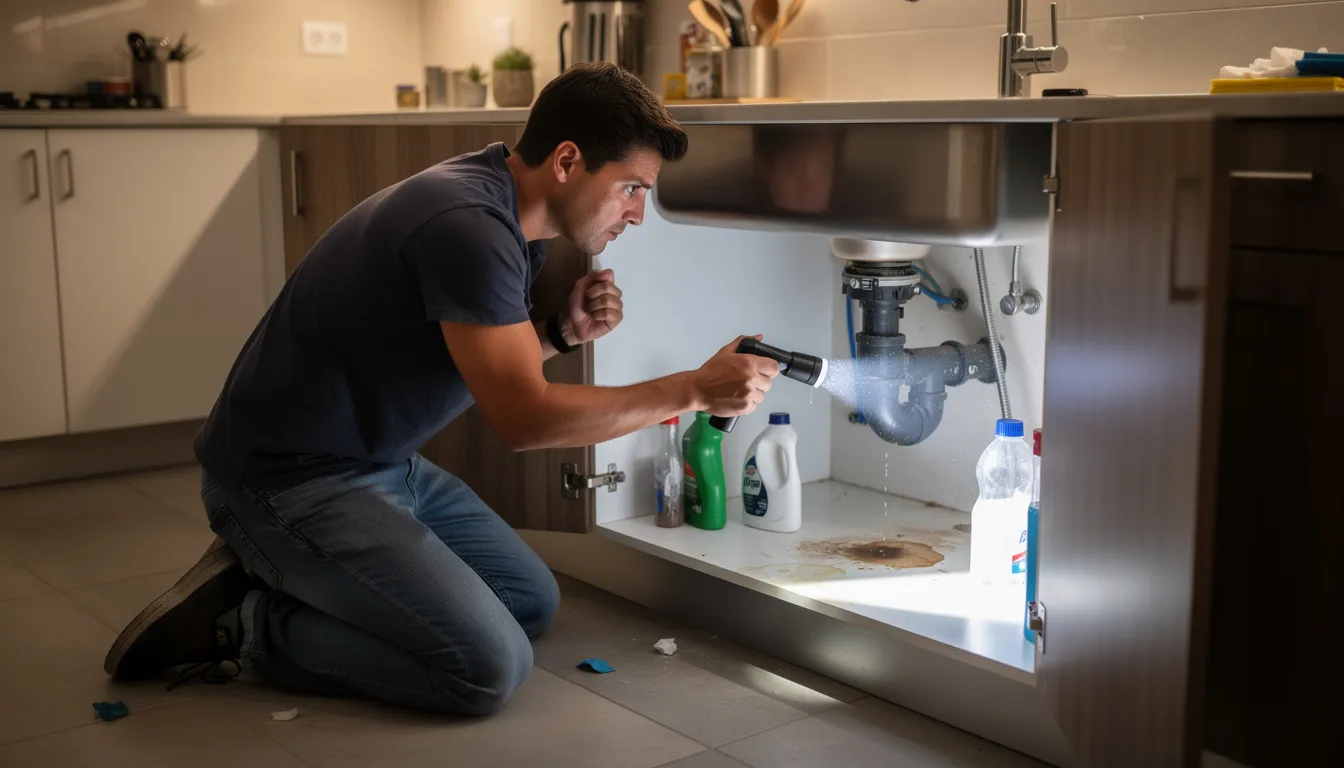
Visual signs to look for:
Dark green, black, or grayish patches on walls, ceilings, or baseboards
Slimy or wet-looking spots that may dry to a sooty, powdery texture
Discoloration around windows, doors, or along exterior walls
Water stains that have developed dark edges or spotty growth
Peeling paint or bubbling wallpaper in areas with moisture history
Common hidden locations in North Atlanta properties:
Behind drywall after pipe leaks or roof damage
Under vinyl flooring that covered a past kitchen or bathroom flood
Within HVAC air handlers and ductwork
Behind bathroom tile and shower surrounds with failed grout or caulk
Inside closets and cabinets on exterior walls
In attic spaces near roof penetrations or inadequate ventilation
Using your senses:
A persistent musty smell often indicates concealed mold behind walls, under carpets, or inside cabinets
The odor may be strongest in certain rooms or near specific walls
Symptoms that improve when you leave the building and return when you come back suggest an indoor mold issue
Regarding mold test kits: the CDC does not recommend DIY testing as a decision-making tool for health purposes. If you see or smell mold, you should address it—species identification rarely changes the response. Document visible mold and water damage with dated photos and notes, which can help with insurance claims and professional assessments.
Common Causes of Mold Black Growth in North Atlanta Properties
Moisture is the key driver. Any persistent dampness or water intrusion can lead to mold colonizing within 24-48 hours under favorable conditions. North Atlanta’s humid subtropical climate, with average summer humidity often exceeding 70%, creates baseline conditions where mold thrives once water enters a building.
Understanding common moisture sources helps property owners identify and address problems before small leaks become major mold infestations.
Typical residential water sources:
Leaking supply lines behind refrigerators, washing machines, and dishwashers
Slow drips under kitchen or bathroom sinks that go unnoticed for weeks
Failed wax rings under toilets, allowing water to seep into subfloors
Overflowing tubs, showers, or clogged drains
Water heater failures and supply line bursts
Building envelope issues:
Roof leaks after heavy summer thunderstorms or hurricane remnants
Damaged flashing around chimneys, skylights, and vent pipes
Clogged gutters causing water to back up under shingles or overflow against siding
Poorly sealed windows and doors allowing wind-driven rain intrusion
Foundation cracks admitting groundwater during heavy rain events
HVAC and humidity problems common in Georgia:
Oversized air conditioner units that short-cycle, failing to properly dehumidify
Unvented bathrooms where moisture from showers accumulates
Damp crawlspaces without vapor barriers, allowing ground moisture to rise
Condensation on ductwork running through unconditioned attic spaces
Improperly maintained HVAC drain lines that clog and overflow
Flooding and water damage history:
Basement flooding after intense downpours overwhelming drainage systems
Improperly dried water damage from past incidents
Stored items in garages or basements that trapped moisture
Previous remediation that didn’t address the root moisture problem
Health Risks of Prolonged Exposure to Black Mold Indoors
Long-term exposure to indoor mold increases both the likelihood and severity of symptoms. Living or working for months or years in damp, poorly ventilated buildings takes a cumulative toll on occupants, particularly those with pre-existing respiratory conditions or immune system vulnerabilities.
Research continues on the full range of health effects from chronic mold exposure, though the connection between damp buildings and respiratory problems is well-established. More research is ongoing, with studies published in various international journal sources exploring connections between mold and broader health outcomes.
Chronic respiratory issues:
Persistent cough that doesn’t respond to typical treatments
Recurrent sinus infections requiring repeated antibiotic courses
Worsening asthma control despite adherence to maintenance medications
Development of asthma in previously healthy children living in moldy homes
Increased frequency of upper and lower respiratory infections
Possible additional effects reported in some studies:
Increased stress and mood disturbances in occupants of moldy buildings
Difficulty concentrating and mental fatigue
General malaise and reduced energy levels
Chronic headaches without other identifiable cause
Living or working in moldy conditions can contribute to overall inflammation in the body, especially in sensitive individuals. The EPA estimates that 20-30% of U.S. buildings have moisture issues that could contribute to “sick building syndrome.”
Early intervention—fixing the moisture problem and removing mold—can prevent these long-term health complications and reduce medical visits. Addressing mold promptly protects both occupant health and property value.
Mold Black vs. Other Indoor Molds
Many indoor molds appear in different colors—white, green, gray, brown, and black. Color alone does not define danger or toxicity. Several mold species can look nearly identical to the untrained eye, and some black-appearing molds are relatively benign while others warrant more concern.
Understanding the differences helps property owners make informed decisions without unnecessary panic or, conversely, dismissing a legitimate problem.
Key distinctions:
Characteristic | Black Mold (Stachybotrys) | Other Common Indoor Molds |
|---|---|---|
Color | Dark green to black | Green, white, gray, brown, black |
Texture | Slimy when wet, powdery when dry | Often fuzzy or powdery |
Growth speed | Slower, in concentrated colonies | Often faster, scattered patches |
Preferred materials | Cellulose-rich (drywall, wood, paper) | Various (tile, fabric, food, wood) |
Moisture requirement | Chronic dampness required | Can colonize with less moisture |
Odor | Strong earthy, rotting wood smell | Variable, often less pungent |
Other molds you might encounter:
Cladosporium: Olive-green to brown or black, powdery texture, common on wood, carpets, and fabrics
Penicillium: Blue, green, or white, fuzzy appearance, spreads rapidly in areas with water leak history
Aspergillus: Various colors including dark gray to black, flatter and drier than Stachybotrys, common on damp building materials
Mildew: Often appears fluffy, powdery, gray or white on bathroom surfaces—not the same as black mold
The bottom line on mold comparison:
All visible indoor mold should be removed, regardless of color
The myth that “only black mold is toxic” is misleading
Any mold in a damp building can contribute to respiratory and allergy issues
Professional testing can identify species if needed, but cleanup priorities remain the same
Mold black specifically often indicates long-standing water damage requiring thorough investigation
DIY Mold Black Cleanup: When It’s Safe and When It’s Not
Small mold problems on hard surfaces can sometimes be handled by homeowners. However, larger infestations, mold on porous materials, or mold in buildings with vulnerable occupants requires professional intervention.
The EPA generally recommends professional remediation when mold covers more than 10 square feet (roughly a 3x3 foot patch). But even smaller areas warrant professional help in certain circumstances.
When limited DIY cleanup may be appropriate:
Small patches under about 3x3 feet on non-porous surfaces
Mold on tile, tub surrounds, glass, or metal fixtures
Surface growth in a bathroom that’s easily accessible
Situations where the moisture source has already been fixed
Cleanup by healthy adults without mold allergies or respiratory conditions
Basic protective measures for small DIY jobs:
Wear rubber gloves, an N95 respirator mask, and eye protection
Open windows and use exhaust fans to ensure fresh air circulation
Contain the affected area to prevent spore spread to clean zones
Never mix bleach with ammonia or other cleaning products
Double-bag moldy materials in plastic before disposal
Cleaning methods for small areas on hard surfaces:
Use soap and water or a diluted detergent solution—not necessarily bleach
If using a bleach solution, follow manufacturer dilution instructions
Scrub the affected area thoroughly and allow to dry completely
Dispose of cleaning materials (sponges, rags) after use
Run an air conditioner or dehumidifier to remove excess moisture
When to call a professional immediately:
Mold covering more than 10 square feet
Mold on porous materials (drywall, carpet, insulation, ceiling tiles)
Mold growth after flooding or significant water damage
Visible mold combined with strong musty odor in walls or HVAC system
Any mold in homes with infants, elderly residents, or immunocompromised occupants
Recurring mold in the same location despite previous cleaning
If you have severe asthma, a compromised immune system, or strong mold allergies, avoid direct contact with mold. Disturbing mold colonies releases spores that can trigger immediate allergic reactions or other health effects. Wear rubber boots and full protective gear if you must enter heavily contaminated areas, and exit promptly.
Professional Mold Black Remediation by T.A.C.T. North Atlanta
When mold problems exceed what’s safe or practical for homeowners to address, professional remediation protects both occupant health and property integrity. T.A.C.T. North Atlanta follows industry-standard protocols to safely remove mold and prevent cross-contamination to unaffected areas of your home or business.
Our process addresses not just visible mold but also hidden colonization and the microscopic spores that circulate through indoor air.
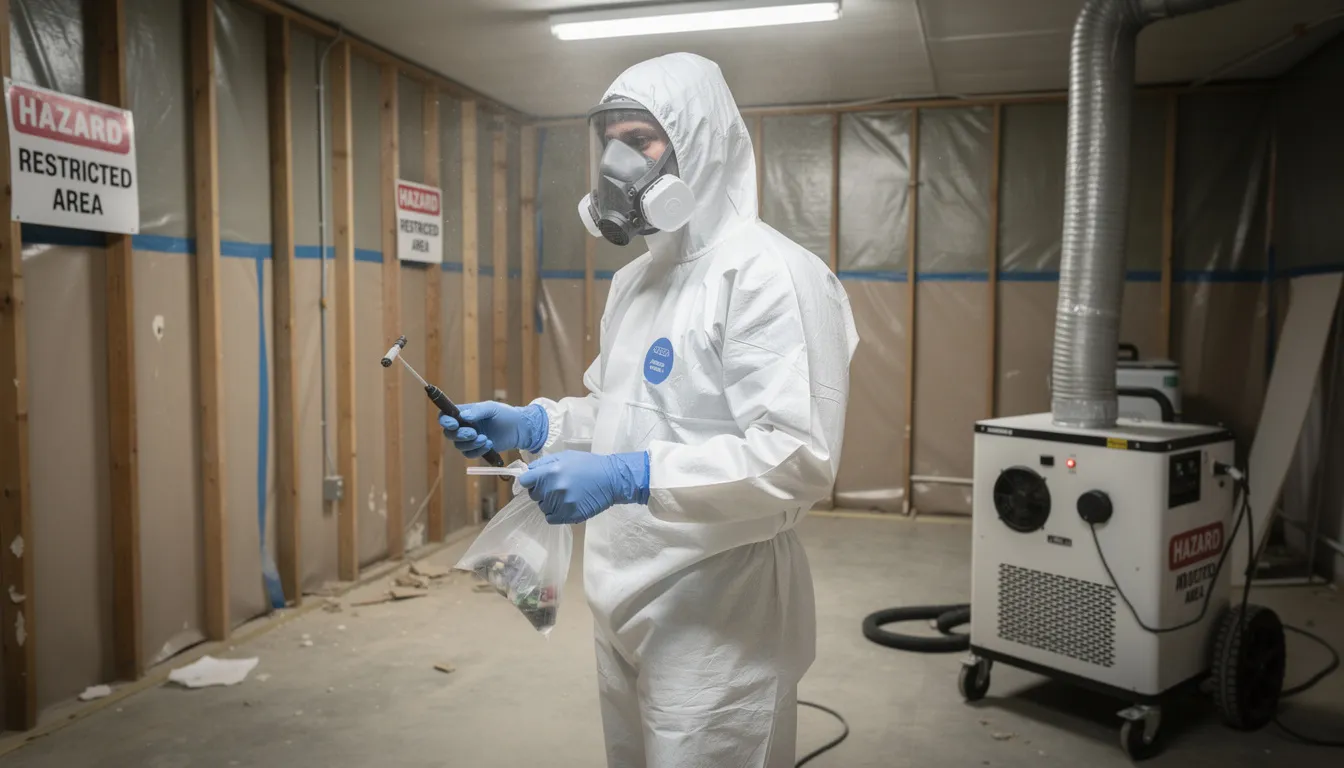
Initial assessment:
Comprehensive visual inspection of the affected area and surrounding spaces
Moisture readings using professional meters to identify water sources
Mapping the extent of visible and suspected hidden mold growth
Documentation with photos and notes for insurance purposes
Recommendations based on the scope and severity of contamination
Containment procedures:
Sealing affected areas with plastic sheeting to isolate contaminated zones
Installing negative air machines with HEPA filtration
Preventing spore spread to clean areas of the building
Establishing safe entry and exit protocols for remediation workers
Protecting personal belongings and furnishings outside the work area
Removal and cleaning process:
Safely removing contaminated drywall, insulation, carpet, and other porous materials
HEPA vacuuming structural surfaces to capture spores and dust
Wiping remaining structural materials with appropriate cleaning agents
Applying EPA-registered antimicrobial agents where appropriate
Thoroughly removing dead mold and residue—not just treating surfaces
What sets T.A.C.T. North Atlanta apart:
Certified and trained technicians following EPA and OSHA guidelines
Fully insured with experience handling insurance claims
24/7 availability for emergency water damage and mold situations
Coordination with homeowners’ insurance for covered water and mold claims
Discreet service that respects your privacy and minimizes disruption
We understand that discovering mold in your home or business is stressful. Our team approaches every project with professionalism and empathy, keeping you informed throughout the process and ensuring the job is done thoroughly.
Preventing Mold Black from Returning
Successful remediation means nothing if the conditions that caused mold return. Prevention requires addressing the root cause of moisture and maintaining conditions that discourage mold growth throughout your property.
These steps apply whether you’re recovering from a mold remediation project or simply want to prevent problems in your North Atlanta home or business.
Fix the root causes:
Repair roof leaks, plumbing leaks, and any water intrusion points promptly
Improve grading and drainage to direct water away from your foundation
Seal gaps around windows and doors where wind-driven rain can enter
Replace failed caulk and grout in bathrooms and kitchens
Address condensation issues on windows, pipes, and ductwork
Control indoor humidity:
Maintain humidity levels between 30% and 50%
Use properly sized dehumidifiers in basements, crawlspaces, and lower levels
Ensure your air conditioner is correctly sized—oversized units short-cycle without dehumidifying
Monitor humidity with an inexpensive hygrometer
Address any standing water in crawlspaces or basement sumps
Improve ventilation:
Use exhaust fans during and for 20-30 minutes after showers and cooking
Ensure bathroom and kitchen fans vent outdoors, not into attics
Keep dryer vents clear and vented to the exterior
Don’t block air returns with furniture or curtains
Open windows when weather permits to increase air circulation
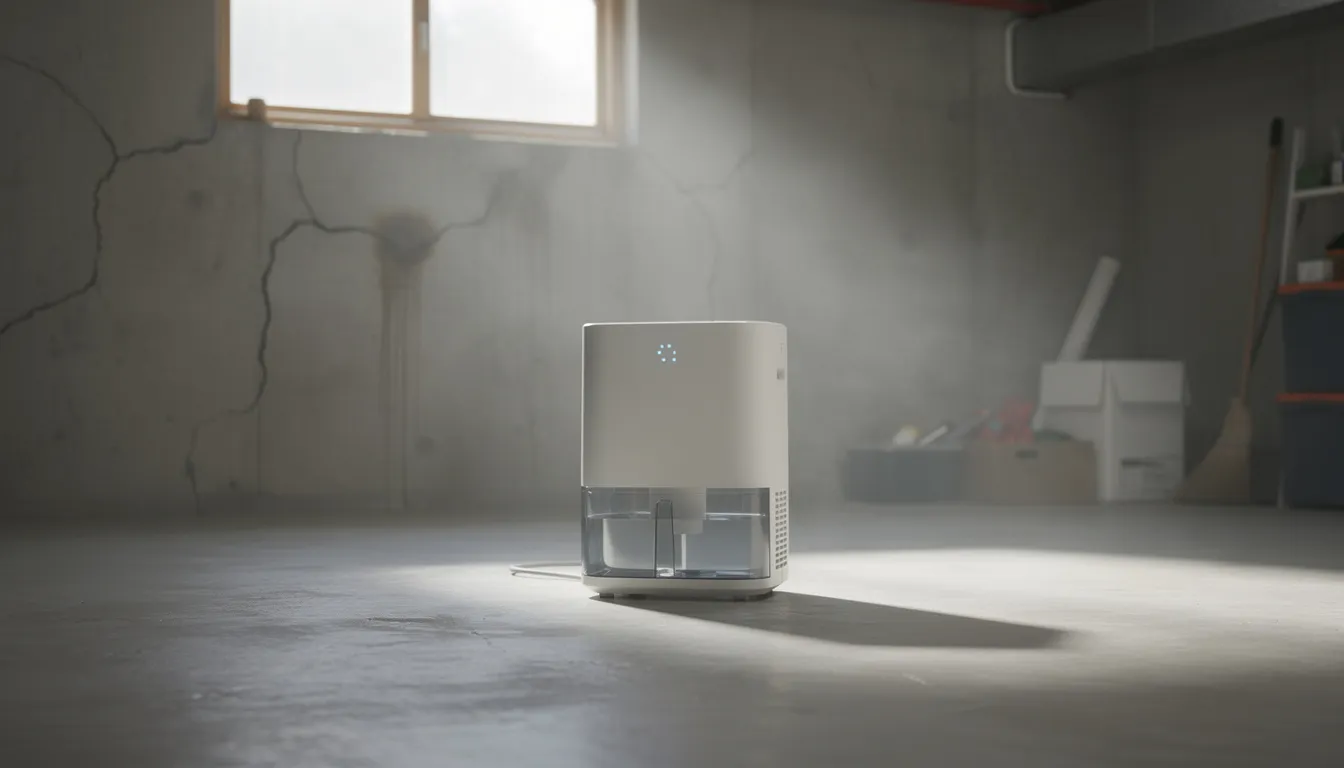
Regular inspection schedule:
Check under sinks, around water heaters, and behind appliances monthly
Inspect attics after heavy storms for signs of roof leaks
Examine crawlspaces at least twice yearly for condensation or standing water
Look for water stains on ceilings, walls, and around windows
Address musty smells immediately rather than masking with air fresheners
T.A.C.T. North Atlanta can provide ongoing guidance after remediation, including recommendations for humidity control, insulation upgrades, and safe cleaning routines tailored to your specific property.
When to Call T.A.C.T. North Atlanta for Mold Black Concerns
Some situations clearly call for professional assessment and remediation. Knowing when to make that call can prevent a manageable problem from becoming a major health hazard and expensive repair project.
Contact a professional immediately when:
Mold covers more than 10 square feet of surface area
You’ve had repeated leaks or water damage in the same area
Mold appeared after flooding, sewage backup, or major water event
Visible mold is combined with a strong musty odor and health symptoms
Mold is growing on drywall, insulation, carpet, or other porous materials
The moisture source hasn’t been identified or fixed
Situations requiring urgent response:
Mold discovered in homes with infants, elderly residents, or immunocompromised family members
Mold in schools, daycare facilities, or healthcare settings
Mold discovered during or immediately after a water damage incident
Occupants experiencing worsening respiratory symptoms, skin reactions, or persistent headaches
Commercial properties where employee health and business operations are at stake
What T.A.C.T. North Atlanta provides:
24/7 emergency response for water damage and mold situations
Rapid on-site assessment, often within hours of your call
Service throughout North Atlanta and surrounding communities
Detailed documentation for insurance adjusters, including photos and remediation reports
Coordination with your insurance company for covered claims
Discreet, professional service that minimizes disruption to your home or business
If you see, smell, or suspect mold black growth in your property, don’t wait for symptoms to worsen or damage to spread. Early intervention protects your family’s health, prevents costly structural damage, and restores your peace of mind.
Contact T.A.C.T. North Atlanta for a professional assessment. We’re here to help North Atlanta homeowners and businesses return to safe, healthy spaces—with the expertise, compassion, and urgency that difficult situations demand.


Latest news