
Symptoms when mold is in house

Symptoms When Mold Is in the House
Living in a home with hidden moisture problems can leave you feeling unwell without an obvious explanation. That persistent cough, those itchy eyes, or the fatigue that won’t lift—these could all be signs that mold is present in your living space. Understanding what symptoms to watch for can help you identify a potential mold problem early and take steps to protect your health.
In this guide, you’ll learn exactly what physical symptoms often accompany indoor mold growth, who faces the greatest health risks, and what practical steps you can take when you suspect mold in your home.
Quick answer: Common symptoms when mold is in your home
When mold spores are present in elevated concentrations indoors, most people experience symptoms that closely resemble allergies or a lingering cold. These reactions occur because your immune system responds to mold as an irritant or allergen, releasing inflammatory chemicals that affect your respiratory system, eyes, and skin.
Typical short-term symptoms include:
Stuffy or runny nose
Frequent sneezing
Coughing (dry or productive)
Wheezing or whistling breath sounds
Itchy, watery, or burning eyes
Sore or scratchy throat
Skin rashes or hives
Headaches
Unexplained fatigue
Symptoms that may develop or worsen over weeks to months of exposure:
More frequent respiratory infections
Persistent sinus congestion that doesn’t respond to typical treatments
Worsening asthma control requiring more medication
Sleep disruption due to congestion or coughing
Brain fog or difficulty concentrating
One helpful pattern to notice: symptoms are often worse in specific rooms—particularly bathrooms, basements, or areas near a known water leak—and may improve noticeably when you leave the house for several hours or days.
If you have asthma, seasonal allergies, or a weakened immune system, be especially cautious about these symptoms. Talk to a healthcare provider if you suspect your health concerns might be connected to mold in your home.

How mold in the house affects your health
Mold is a type of fungus that grows naturally in the environment, breaking down plant and animal matter in outdoor settings. Mold spores are everywhere—floating through outdoor air, drifting in through open windows, and hitching rides on clothing and pets. In small quantities, these tiny spores don’t typically cause problems.
The issue begins when mold finds the conditions it needs to thrive indoors: excessive moisture, organic material to feed on, and porous materials like drywall, ceiling tiles, or carpet. Once indoor mold growth takes hold, spore concentrations can climb far above normal outdoor air levels. Breathing in these elevated levels is where health problems start.
When you inhale higher concentrations of airborne mold, your body may react in several ways. For some people, mold spores simply irritate the mucous membranes, causing burning eyes, a sore throat, or nasal discomfort—similar to how dust or smoke might affect you. For others, the immune system mounts a full allergic response, triggering sneezing fits, a runny nose, itchy eyes, and even hives.
Body systems most commonly affected by mold exposure:
Respiratory system (nose, sinuses, throat, and lungs)
Eyes (irritation, redness, watering)
Skin (rashes, itching, hives)
Mood and energy levels (in some individuals)
It’s worth clarifying a common misconception: most indoor molds, including varieties of black mold like Stachybotrys chartarum, are not uniquely toxic compared to other household mold types. While black mold spores can produce compounds that cause irritation, all significant mold growth indoors can contribute to symptoms and should be addressed through proper mold removal.
Respiratory symptoms that can indicate mold in your house
Breathing is usually the first thing affected when mold is growing in a living space. Because you inhale mold spores directly into your nose, throat, and lungs, respiratory symptoms tend to appear before other signs.
Upper-respiratory symptoms to watch for:
Stuffy or runny nose
Repeated sneezing, especially in certain rooms
Postnasal drip
Sinus pressure or facial pain
Sore or scratchy throat
Dry, tickly cough that won’t resolve
Lower-respiratory symptoms that may indicate deeper irritation:
Wheezing or audible breath sounds
Chest tightness or pressure
Shortness of breath during normal activities
Cough that worsens at night or when lying down
Coughing fits after exertion or climbing stairs
Consider this scenario: you’ve set up a home office in your basement, and over several weeks you notice a persistent cough that seems to flare every afternoon. You feel fine on weekends when you’re out of the house, but Monday through Friday the cough returns. A quick inspection reveals a damp wall behind your desk and faint visible mold along the baseboard. This pattern—symptoms tied to a specific location—is a classic indicator that mold may be contributing to your respiratory issues.
Children, older adults, and people with chronic lung disease like COPD may notice these respiratory symptoms sooner and experience them more severely than healthy adults.
Allergy-like and asthma symptoms from indoor mold
Mold allergy is among the most common indoor environmental allergies, often resembling the hay fever type symptoms you might experience during pollen season. The difference is that mold-related allergy symptoms can persist year-round when you’re living in a home with ongoing moisture problems.
Classic allergy-type symptoms from mold:
Itchy nose, roof of mouth, or throat
Itchy or watery eyes
Frequent sneezing
Runny nose with clear discharge
Sinus congestion and pressure
Ear fullness or popping
Skin itching without visible cause
For people already diagnosed with asthma, mold exposure can trigger or worsen asthma symptoms significantly. You might notice more frequent use of your rescue inhaler, nighttime wheezing that disrupts sleep, coughing episodes after entering a damp room, or asthma flares that require urgent care visits.
Research has also established that long-term mold exposure during childhood is associated with a higher risk of developing asthma. This makes controlling moisture and preventing mold growth in family homes especially important.
Keeping a symptom diary
If you suspect your allergic reactions or asthma flares might be connected to your home environment, try keeping a simple symptom diary for two to three weeks. Note when symptoms start, when they improve, and which rooms or activities seem to trigger them. Patterns often emerge—symptoms that spike in a moldy environment and fade when you’re away from home are a strong signal that indoor mold may be the culprit.

Other physical and neurological symptoms people report
In addition to clear allergy and asthma signs, some people notice more general or less-specific symptoms when they live in a house with mold present. These symptoms can be harder to connect to mold exposure because they overlap with many other conditions.
Common general symptoms reported:
Headaches, especially tension-type headaches
Persistent fatigue that doesn’t improve with rest
Difficulty concentrating or “brain fog”
Irritated or red eyes
Increased sensitivity to strong smells or perfumes
Skin-related symptoms:
Itchy patches on arms, legs, or torso
Localized rashes where skin contacted moldy surfaces
Hives appearing after handling contaminated materials or clothing
Mood changes—including increased stress, anxiety, and irritability—can arise when living in a damp, damaged home. Some of this may stem from chronic inflammation affecting the body, while some is simply the psychological burden of dealing with a difficult living situation. Both factors are real and valid.
However, it’s important to note that severe neurological symptoms or dramatic claims about “toxic black mold” causing life-threatening illness are not well supported by research at typical household mold levels. The common symptoms listed above are far more typical. If you’re experiencing unusual or severe symptoms, these should always be evaluated by medical professionals rather than attributed solely to mold.
Who is most at risk from mold in the house?
Not everyone reacts the same way when mold is present in their living environment. Some people can spend time in a slightly moldy space with minimal discomfort, while others develop significant symptoms from even modest exposure.
Groups at higher risk for mold-related health concerns:
People with diagnosed asthma
Those with seasonal or indoor allergies
Individuals with chronic sinusitis
People with COPD or other chronic lung disease
Anyone taking immune-suppressing medications (for organ transplant, autoimmune disease, or cancer treatment)
Infants and young children
Adults over approximately 65 years old
People recovering from major surgery or chemotherapy
For people with severely compromised immune systems, certain molds can cause actual infections rather than just allergic responses. Aspergillosis, for example, is an infection caused by Aspergillus mold that can occur in people with weakened immune systems. Warning signs include persistent fever, cough that produces blood or dark mucus, unexplained weight loss, and chest pain. This is a medical emergency requiring urgent care.
If someone in your household falls into a high-risk group and develops unexplained breathing problems while living in a damp or musty home, both the medical issue and the home environment should be evaluated promptly. Don’t wait to see if symptoms improve on their own.
Signs in your house that often accompany mold-related symptoms
When physical symptoms point toward possible mold exposure, connecting those symptoms to environmental evidence in your home strengthens the case. Often, people notice health changes before they discover the mold source.
Visual signs to check for throughout your home:
Fuzzy, velvety, or slimy patches on walls, ceilings, or window frames
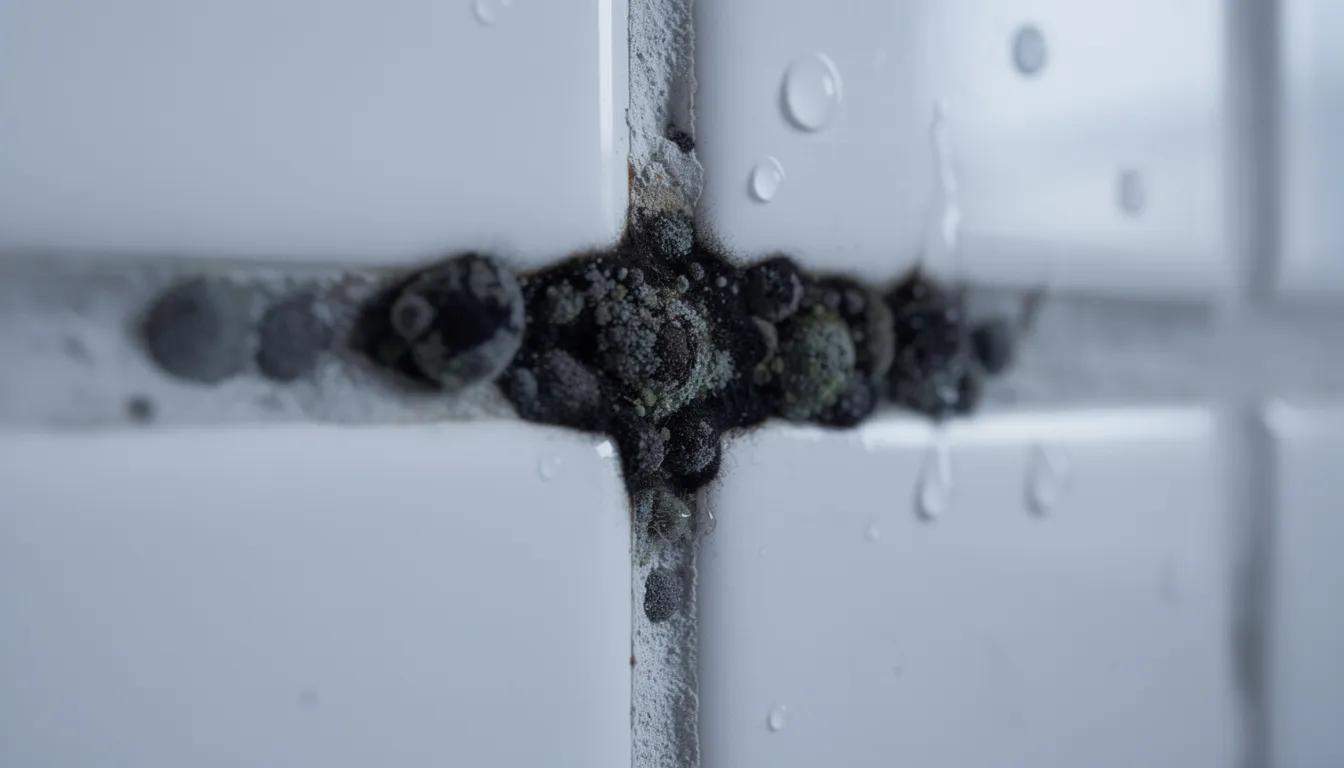
Black, green, or white spots on bathroom grout or caulking
Peeling, bubbling, or cracking paint
Water stains or discoloration on ceilings and walls
Warped, buckling, or soft baseboards and flooring
Non-visual clues:
Musty, earthy, or damp odors that are stronger in certain rooms or closets
If you smell mold, there’s likely active growth somewhere nearby
Conditions that support hidden mold growth:
Condensation on interior windows, especially in cold weather
Persistent dampness in basements or crawl spaces
Repeated water leaks under sinks, around toilets, or near appliances
High humidity or poor ventilation in bathrooms and kitchens
Cold surfaces on exterior walls where moisture can condense
Example walkthrough: Let’s say you’ve been waking up with chronic morning congestion that clears by midday. Start by checking underneath your bathroom sink—remove everything from the cabinet and look at the pipe connections, the cabinet floor, and the wall behind. Use a flashlight to check for dark spots, soft or warped wood, or that telltale musty smell. Many hidden mold problems lurk in exactly these kinds of overlooked spaces beneath surfaces.
When to see a doctor about possible mold-related symptoms
Most mild mold-related symptoms can be discussed at a routine doctor visit. However, certain warning signs need faster attention, and knowing when to seek urgent care can prevent serious complications.
Red flag symptoms requiring urgent or emergency care:
Severe shortness of breath or inability to catch your breath
Chest pain or tightness
Coughing up blood
High fever with chills
Rapid worsening of asthma that doesn’t improve with usual medications
Situations where a scheduled doctor appointment is recommended:
Symptoms that persist for more than 2–4 weeks despite basic remedies
Symptoms that clearly worsen at home and improve when away
Frequent sinus infections (three or more per year)
Chronic cough lasting more than a month
Unexplained fatigue or concentration problems alongside respiratory symptoms
When you visit your healthcare provider, mention possible mold exposure specifically. Share details about when symptoms started, which rooms feel worst, and any visible water damage or mold growth you’ve noticed. This information helps your doctor connect the dots.
Depending on symptom severity and duration, healthcare providers may suggest allergy testing (skin prick tests or blood tests for mold-specific antibodies), lung function tests (spirometry), or imaging studies like chest X-rays. These tests help rule out other conditions and confirm whether mold allergy or irritation is contributing to your symptoms.
What to do if you suspect your symptoms are from mold in the house
Addressing mold-related health concerns involves two parallel tracks: reducing your exposure while you work on the problem, and fixing the underlying moisture and mold issues in your home.
Immediate steps to reduce exposure:
Spend less time in the most affected room or area
Increase ventilation by opening windows when weather permits
Run exhaust fans in bathrooms and kitchens during and after moisture-producing activities
Use a dehumidifier to keep indoor humidity between 30–50%
Consider using a humidity meter to monitor relative humidity in problem areas
Keep air conditioners and HVAC filters clean and replace them regularly
Cleaning small mold problems:
Visible mold patches smaller than roughly 3 feet by 3 feet on hard surfaces like tile, glass, or sealed wood can typically be cleaned by the homeowner. Scrub mold with appropriate cleaning solutions (avoid mixing bleach with ammonia), and always wear personal protective equipment: gloves, an N95 mask, and eye protection. Absorbent or porous materials like carpet, drywall, or ceiling tiles that have become moldy usually need to be removed and replaced rather than cleaned.
When to call professionals:
Larger or more complex mold problems—inside walls, throughout HVAC systems, or resulting from flood damage—usually require a certified mold remediation professional. Consider professional mold testing if you smell mold but can’t locate it, or if symptoms persist after you’ve cleaned visible growth. The American Industrial Hygiene Association can help you find qualified inspectors.
Fix the moisture source:
Controlling moisture is the key to preventing mold growth long-term. Repair leaky pipes, fix roof leaks, improve drainage around your foundation, and address any water leaks promptly. Cleaning mold without stopping the moisture that feeds it will only allow further growth, and your symptoms will return.
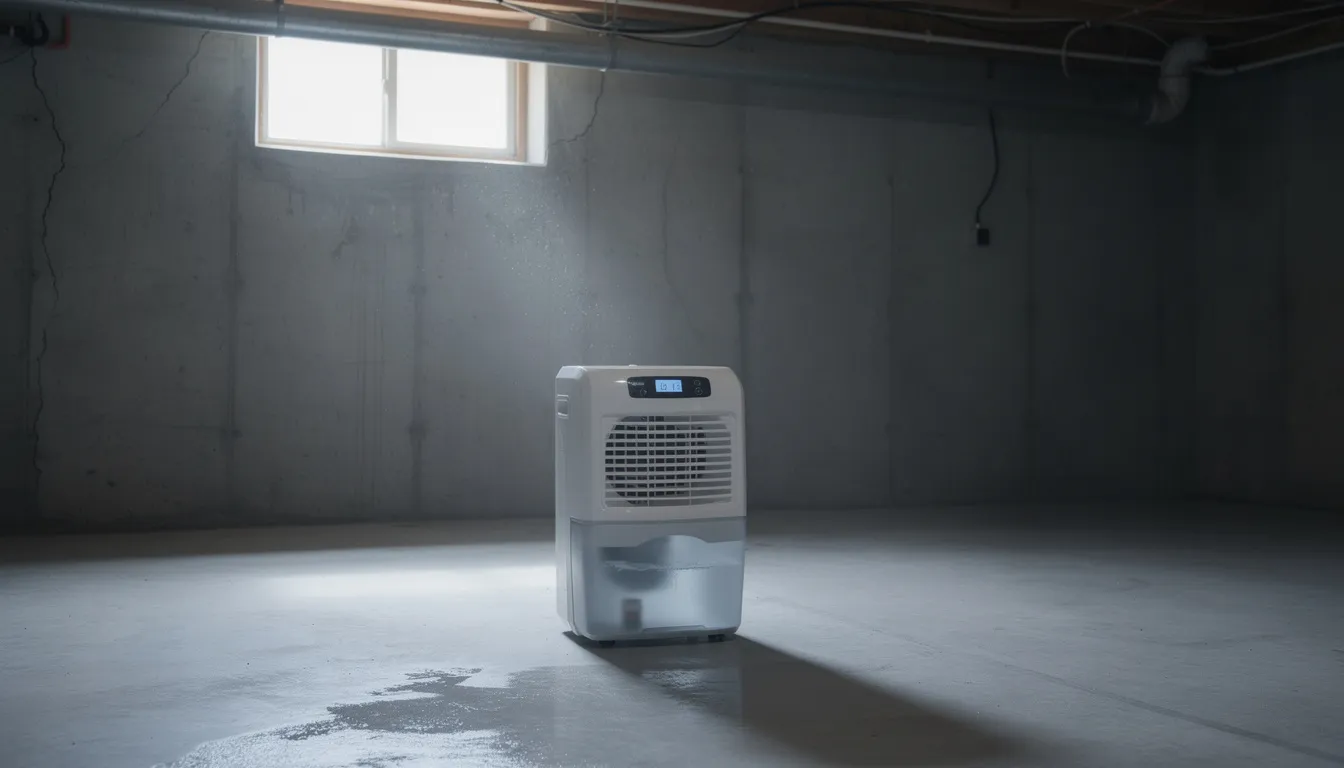
A reassuring note: Many people notice symptom improvement within days to weeks once significant mold growth is removed and indoor moisture is controlled. The body’s inflammatory response typically calms down relatively quickly once the irritant is gone. Keep working with both home professionals and healthcare providers as needed—this is a solvable problem for most households.
If your mold problem is extensive, if you’re in a high-risk health category, or if symptoms don’t improve after remediation, don’t hesitate to seek additional guidance. Your health concerns are valid, and getting both your home and your body evaluated is the right approach.


Latest news