Thermal Fogging VS Ozone Treatment For smoke removal
Thermal Fogging vs. Ozone Treatment for Smoke Odor Removal
After a fire, the visible damage is only part of the story. The persistent smoke smell that lingers in walls, fabrics, and furniture can be just as challenging to address as the charred materials themselves. Two of the most commonly discussed methods for tackling this problem are thermal fogging and ozone treatment.
Both approaches have their place in professional restoration, but they work very differently and carry distinct risks. Understanding when each method makes sense—and when neither is appropriate without additional steps—can save you time, money, and potential health concerns.
In this guide, you’ll learn exactly how thermal fogging and ozone treatment work, where each excels, and how to make an informed decision for your specific smoke odor situation.
Quick Answer: When to Choose Thermal Fogging vs. Ozone Treatment
Thermal fogging is primarily a penetration and support method that carries deodorant chemicals into hidden cavities and porous materials, while ozone treatment is a powerful oxidizer that chemically alters odor molecules at the molecular level. Most post-fire restoration projects in residential homes use thermal fogging as part of a larger cleanup plan, reserving ozone treatment for specific situations like severe protein fire odors from burned food in kitchens.
Here’s a quick comparison of the two methods:
Factor | Thermal Fogging | Ozone Treatment |
|---|---|---|
Penetration | Excellent—fog mimics smoke behavior | Good—gas diffuses into air spaces |
Chemical Neutralization | Moderate—pairs with odors | Strong—oxidizes odor compounds |
Safe for Occupied Rooms | No—requires evacuation | No—requires evacuation |
Risk to Materials | Low—minimal damage | Higher—damages rubber, some plastics |
Treatment Time | ~1 day | 24-72 hours |
Best For | General smoke, contents, cavities | Protein fires, stubborn tobacco odor |
Both methods are tools that must follow source removal, cleaning, and ventilation steps for long-term results. Neither can eliminate odors if charred materials, contaminated insulation, or heavily soaked carpeting remain in place.
Key takeaway: Thermal fogging works best as a complementary odor control step in a multi-phase restoration project, while ozone is a powerful but high-risk option reserved for specific problem areas.
What Is Thermal Fogging?
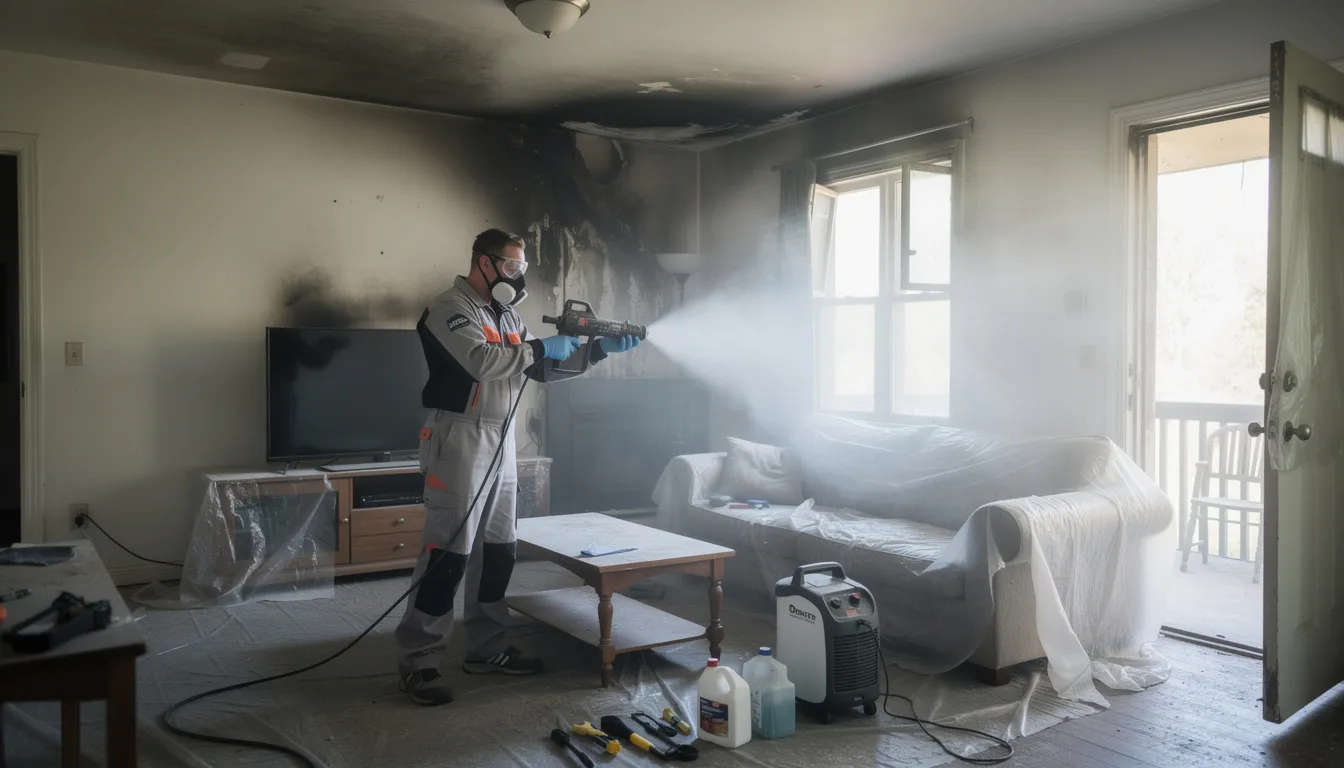
Thermal fogging is a process where a machine heats a specialized deodorizing liquid into a very fine mist that behaves like smoke. Restoration companies commonly use this technique after residential and commercial fires to carry neutralizing agents into the same microscopic pathways that smoke particles originally traveled.
The fog can be solvent-based or water-based, selected according to the type of smoke being addressed. A protein fire in a kitchen (burned meat or oils) requires different formulations than synthetic material fires involving plastics and foams from a 1990s-era home with older furnishings.
Typical use cases include:
Post-fire restoration in homes, apartments, and hotels
Vehicles exposed to years of tobacco or cigarette smoke
Commercial spaces with lingering smoke smell from nearby fires
Multi-unit buildings where smoke migrated through shared walls
Thermal fogging is usually done after debris removal, HEPA vacuuming, and surface cleaning—not as the very first step. The main goals are to:
Carry deodorant into hidden wall cavities and structural voids
“Pair” chemically with smoke residues in fabrics and materials
Reduce occupant perception of smoke odor between demolition and rebuild phases
How Thermal Fogging Works in Practice
A thermal fogger consists of a heating coil, a reservoir for the deodorant solution, and a nozzle that produces visible fog. When the liquid passes through the heated chamber, it vaporizes and condenses into extremely small droplets as it exits into cooler air.
The fog’s particle size is specifically designed to be similar to smoke particles—typically in the low micron range. This allows it to reach the same microscopic pathways in drywall, framing, insulation, and textiles that smoke originally penetrated.
A realistic workflow in a fire-damaged home looks like this:
Technicians mask HVAC openings to prevent fog from entering ductwork that hasn’t been cleaned
Warning signs are placed on all entry points
Fogging begins on upper floors or the most heavily damaged rooms
Technicians move systematically through the structure
The building remains closed for 30-60 minutes dwell time
Controlled ventilation follows—opening windows, running negative air machines
It’s important to understand that fogging alone does not physically remove char, soot, or deeply burned materials. It works together with demolition, cleaning, and sometimes sealing with products like shellac-based primers on exposed framing and subfloors.
How Thermal Fogging Neutralizes Smoke Odors
Many thermal fogging agents use “pairing” chemistry, where deodorant molecules attach to or react with odor molecules to reduce their volatility or change how your nose detects them. Some formulations include counteractants that chemically interact with phenols and polycyclic aromatic hydrocarbons—common smoke components.
In some cases, the result is closer to odor blending than complete destruction of the smoke compound, especially when heavy contamination remains. This is why professionals emphasize that:
Thermal fogging is most effective on light-to-moderate smoke odors
It works best as a polishing step after physical cleaning and source removal
Professional restorers rarely rely on thermal fogging as a standalone method for large structure fires
Certain deodorants are formulated to target specific residue types. Protein smoke from kitchen fires requires different chemistry than plastic and rubber smoke from garage fires involving vehicles or stored chemicals.
When Thermal Fogging Is Best Suited
Thermal fogging is often chosen in these scenarios:
Whole-house smoke odor after a contained living room fire
Light smoke migration from a small stove fire
Tobacco or cigarette smoke in hotel rooms and rental units
Vehicle interiors that have been smoked in for years
Apartment buildings where smoke traveled through shared walls and ceilings
The method is particularly valuable when the goal is to reach odors embedded in fabrics, carpets, and wall cavities without requiring full demolition of the structure.
Restoration companies typically combine thermal fogging with other approaches:
Deep cleaning of all surfaces and contents
Sealing of framing and subfloors with odor-blocking primers
Hydroxyl generators for continuous, safer odor reduction
Duct cleaning when HVAC systems are contaminated
Insurance carriers often accept thermal fogging estimates when the work is documented as part of a multi-step odor removal plan with clear before-and-after assessments.
What Is Ozone Treatment?
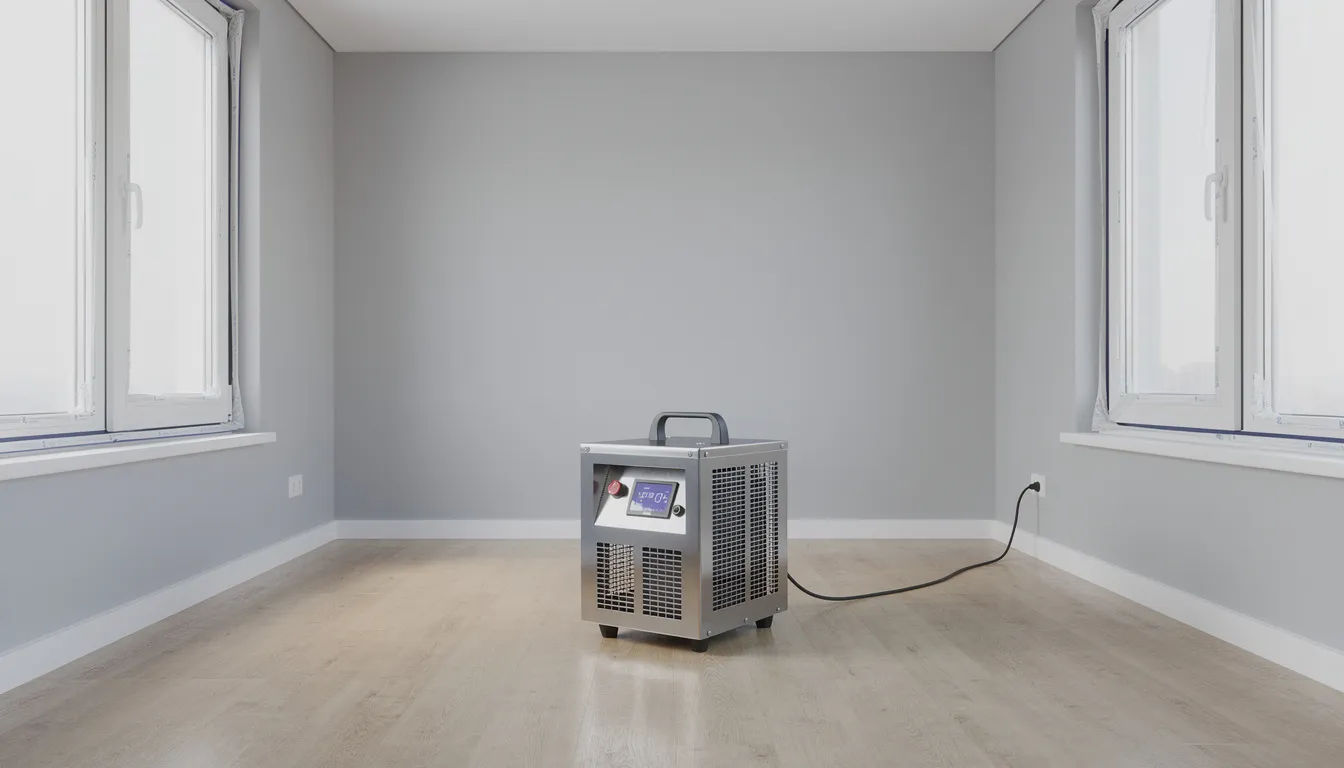
Ozone treatment involves generating ozone gas (O₃) using an ozone generator and circulating it through unoccupied rooms to oxidize odor-causing compounds on surfaces and in the air. The ozone machine converts ambient oxygen into this highly reactive molecule, which then attacks the chemical bonds in organic contaminants.
Ozone has been used for decades in restoration, hotels, and car detailing for strong odors like cigarette smoke, pet urine, vomit contamination, and especially protein fires from burned food in kitchens. Unlike thermal fogging, ozone is a true oxidizer—it chemically alters odor molecules instead of just covering them or pairing with them.
However, this power comes with significant health and material-damage risks. Many public health organizations, including WHO and EPA, warn against using ozone generators in occupied spaces due to respiratory and long-term health concerns. The ozone levels needed for effective odor elimination are far above what humans can safely breath.
Residential and vehicle treatments are typically short, controlled sessions in sealed spaces. The continuous air-cleaning claims made by some consumer ozone machine manufacturers are generally not supported at ozone levels considered safe for breathing.
How Ozone Treatment Works
The basic chemistry is straightforward: an ozone generator uses either corona discharge (high voltage across a dielectric barrier) or UV light to split oxygen molecules (O₂) and recombine them as ozone (O₃). Ozone has an oxidation potential of approximately 2.07 volts—higher than chlorine—making it extremely reactive.
When ozone contacts odor-causing organic compounds, it breaks double bonds and cleaves molecular structures. This oxidation can convert complex smoke molecules into simpler, less odorous species such as carbon dioxide, water, and other oxygenated byproducts.
A typical treatment process looks like this:
Remove all people, pets, and plants from the space
Seal the room as completely as possible (close doors and windows, tape gaps)
Place the ozone generator elevated in the space
Run for 3-6 hours depending on odor severity and room size
Turn off the machine and allow 2-3 hours for ozone to decay back to oxygen
Ventilate thoroughly before re-entry
Restoration firms often monitor exposure time carefully and use timers to avoid over-treatment that could damage rubber gaskets, electronics, and sensitive artwork.
Safety and Material Concerns with Ozone
Ozone is toxic to breathe at the levels required for effective odor removal. It irritates lungs and airways and can aggravate asthma and other respiratory conditions. WHO guidance recommends keeping chronic exposure below approximately 0.05 ppm in occupied spaces, while effective odor treatment often requires levels far above this threshold.
The UK Health and Safety Executive sets a short-term workplace exposure limit of 0.2 ppm averaged over 15 minutes. Professional shock treatments can generate concentrations many times higher, which is why generators must only run in unoccupied rooms with proper access control.
Specific materials at risk from ozone exposure include:
Natural rubber seals (window gaskets, car door seals)
Some plastics and wiring insulation
Elastic bands and rubber components in electronics
Certain dyes and pigments (fading or discoloration)
Older leather, paper documents, and fine artwork
Wood finishes in some cases
Electronics, vintage items, and valuable furniture should be removed or carefully shielded before strong ozone treatment. Even a single treatment can cause visible damage to rubber components, and repeated exposure accelerates deterioration.
Hospitality business owners and landlords should factor in significant downtime—often a few hours of treatment plus hours of subsequent ventilation—when considering ozone for guest rooms or rental units. This can disrupt operations more than alternative methods.
Where Ozone Treatment Is Most Appropriate
Strong candidates for ozone treatment include:
Severe protein smoke from burned food (charred meat and oils in kitchen fires)
Long-term cigarette smoke in apartments and vehicles
Stubborn pet urine or body odors in cars and bathrooms
Decomposition odors after thorough cleaning
Small enclosed spaces where high concentrations can be safely maintained
For general structure fires involving plastics, foams, and diverse building materials, many professionals now prefer to rely more on cleaning, encapsulation, and hydroxyl generators. Ozone is used in isolated spaces when other methods haven’t fully resolved the problem.
Local regulations and industry standards may limit or discourage ozone use in healthcare facilities, hospitality venues, and continuously occupied workplaces. Some jurisdictions have specific requirements for warning signage and re-entry procedures.
Homeowners researching ozone machines for DIY use should consult with restoration professionals first. Consumer-grade generators vary widely in output and safety features, and improper use can create health risks or damage to belongings that exceed the original smoke problem.
Unlike low-ozone or hydroxyl systems designed for continuous operation in living spaces, high-output ozone generators are strictly for unoccupied areas with controlled access.
Thermal Fogging vs. Ozone: Head-to-Head Comparison
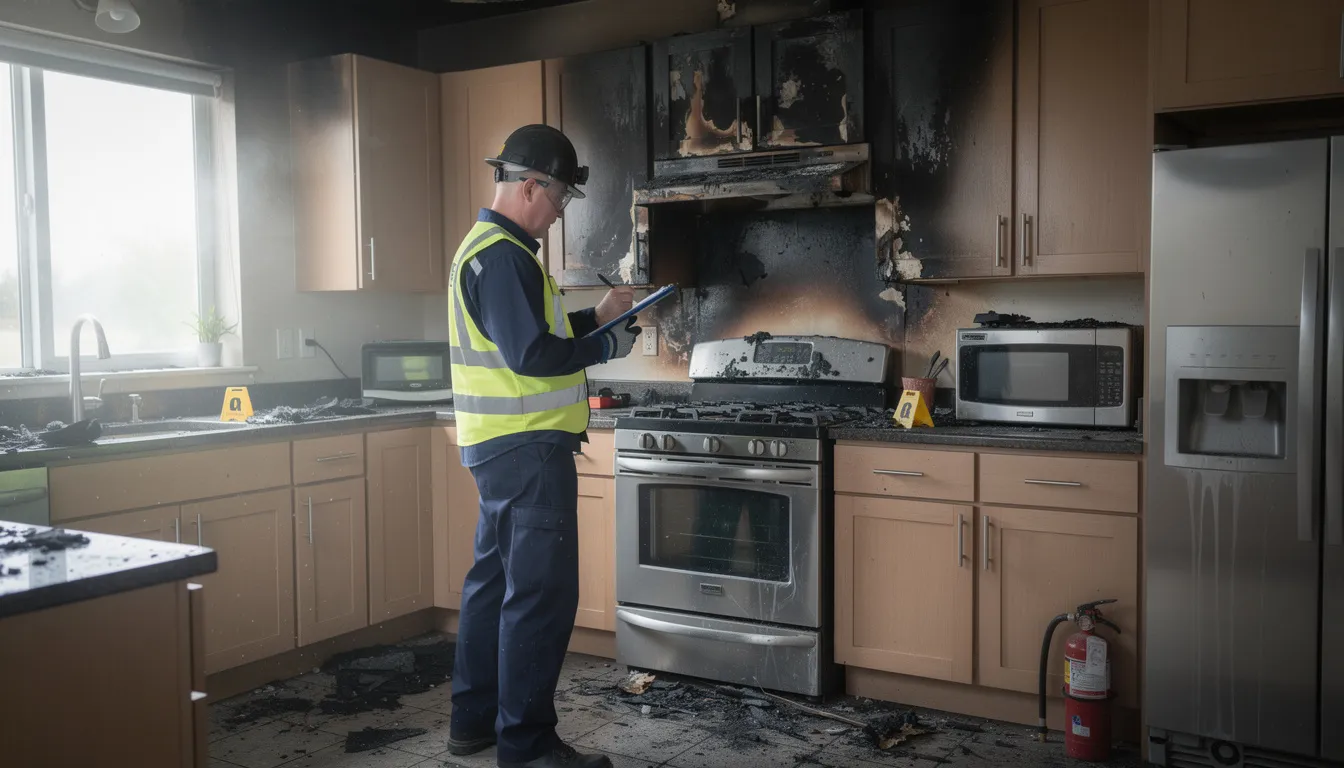
Understanding how these methods compare in real restoration scenarios helps clarify when each makes sense. Consider the difference between a 1,800 square foot home after a contained living room fire versus a heavily burned kitchen with charred cabinets and appliances from a severe stove fire.
Comparison Factor | Thermal Fogging | Ozone Treatment |
|---|---|---|
Mechanism | Disperses deodorant as fine fog | Generates oxidizing gas |
Ideal Odor Types | General structure smoke, tobacco | Protein fires, stubborn tobacco |
Penetration Method | Follows smoke pathways physically | Diffuses through air spaces |
Material Risks | Low—residue possible | Higher—damages rubber and some plastics |
Treatment Speed | ~1 day active treatment | 24-72 hours plus ventilation |
Timing in Project | After cleaning, before final finishes | Often last resort for problem areas |
Residue Left Behind | Yes—deodorant film | No—ozone converts to oxygen |
Thermal fogging excels at penetrating fabrics, carpeting, and wall voids with deodorant, but may primarily change how odors are perceived rather than completely eliminating them. Ozone chemically alters a broad range of odor molecules at the molecular level but is harsher on materials and dangerous to breathe.
Both methods require spaces to be vacated during treatment and for a short time afterward. Ozone typically demands longer safety intervals and tighter access control than thermal fogging.
Neither method replaces source removal, detailed cleaning, or sealing with odor-blocking coatings on framing, subfloors, and painted surfaces. Skipping these fundamental steps means even the most aggressive treatment will likely fail.
Effectiveness on Different Types of Fire and Odor
Different fire types create different chemical residues, and each treatment method has strengths and limitations:
Protein Fires (Burned Food) Ozone is particularly effective here. The oxidation process breaks down the complex organic compounds from burned meat, oils, and food products. Thermal fogging can help but often needs to be combined with multiple treatments.
Synthetic Material Fires (Plastics, Foams, Electronics) These fires produce diverse chemical compounds that are harder to address with any single method. A combination of thorough cleaning, thermal fogging for penetration, and possibly limited ozone in specific rooms often works best. Hydroxyl generators are increasingly preferred as a safer primary treatment.
Natural Material Fires (Wood, Paper, Textiles) Thermal fogging often performs well here, especially when the fire was contained and cleaning has removed bulk residue. The fog can reach deep into wood grain and fabric fibers where smoke has penetrated.
Long-Term Tobacco Smoke Both methods can help, but ozone typically provides more complete elimination for spaces exposed to years of cigarette smoke. However, surfaces may still require cleaning and repainting, and soft contents like furniture and fabrics may need replacement regardless of treatment.
For minor smoke events—say, a small 2025 oven mishap with minimal structural involvement—manual cleaning and ventilation may be preferable before considering fogging or ozone. Opening windows, running fans, and wiping surfaces can often resolve the smoke smell without specialized equipment.
Best-fit example for thermal fogging: A hotel room where a guest smoked for several days, with odor absorbed into drapes, carpet, and upholstered furniture. Fogging can reach these materials efficiently without removing them.
Best-fit example for ozone: A kitchen where a pot of food burned on the stove for hours, coating walls and cabinets with greasy protein residue. After cleaning, targeted ozone treatment can eliminate the remaining odors that physical cleaning couldn’t reach.
Safety, Regulations, and Occupied Spaces
Comparing safety requirements side-by-side reveals important differences:
Safety Factor | Thermal Fogging | Ozone Treatment |
|---|---|---|
PPE Required | Respirator, gloves, goggles | Same plus strict access control |
Signage | Warning signs on entry points | Mandatory warning signs, often locked doors |
Evacuation | Required during treatment | Required during and for hours after |
Re-entry Time | 1-2 hours after ventilation | 2-3 hours minimum after shutdown |
Pets and Plants | Must be removed | Must be removed (ozone is toxic to both) |
Many hospitality and food service operations avoid both high-concentration ozone and intensive fogging during normal operations. The downtime, cleaning of chemical residue from fogging, and health compliance obligations make these methods impractical for regular use.
Regulatory and industry guidance—including WHO ozone limits and national health authority warnings—typically do not support routine use of high-output ozone generators as “air purifiers” in occupied rooms. The levels safe for continuous human exposure are too low to provide meaningful odor control or disinfection.
Disinfectant fogging for infection control, which saw increased use during the pandemic, also requires empty rooms and thorough airing out. Many facilities found diminishing returns once normal operations resumed, as contamination returns quickly through regular use.
Important: Neither thermal fogging nor ozone treatment should be marketed or used as everyday, occupied-space air cleaners. Both are professional tools for specific situations, not substitutes for proper ventilation, cleaning, and source control.
Role of Hydroxyl Generators and Other Alternatives
Hydroxyl generators represent a third major category of odor control technology, increasingly preferred by modern restoration firms for continuous, safer odor neutralization in buildings where people need to remain present.
Hydroxyl radicals are highly reactive molecules that break down organic odors into carbon dioxide and water. Unlike ozone, hydroxyl molecules have extremely short lifespans and don’t accumulate to dangerous levels. This means hydroxyl systems can usually operate while people and pets remain on site—a significant advantage for occupied homes and businesses.
The tradeoff is time. Hydroxyl treatment may take five to seven days of continuous operation to fully eliminate strong smoke odors, compared to a few hours of intense ozone exposure. For many situations, this slower but safer approach is worth the extended timeline.
Other essential measures that must accompany any advanced treatment include:
Complete removal of burned and heavily contaminated materials
Deep cleaning of all surfaces, contents, and structural elements
Professional duct cleaning when HVAC systems are affected
Encapsulation of framing and subfloors with odor-blocking sealers
Proper ventilation during and after treatment
For many restoration projects in 2024-2025, hydroxyl treatment combined with thorough cleaning serves as the default approach. Thermal fogging and ozone are reserved for specific problem areas—persistent wall cavity odors, protein fire residue, or heavily smoked vehicles—where targeted intervention makes sense.
Some newer systems combine UVC light, photocatalytic oxidation, and trace ozone levels well below regulatory limits for continuous air treatment. These are designed for hospitality and food service environments where downtime must be minimized and non toxic operation is essential.
Why Professional Assessment Matters
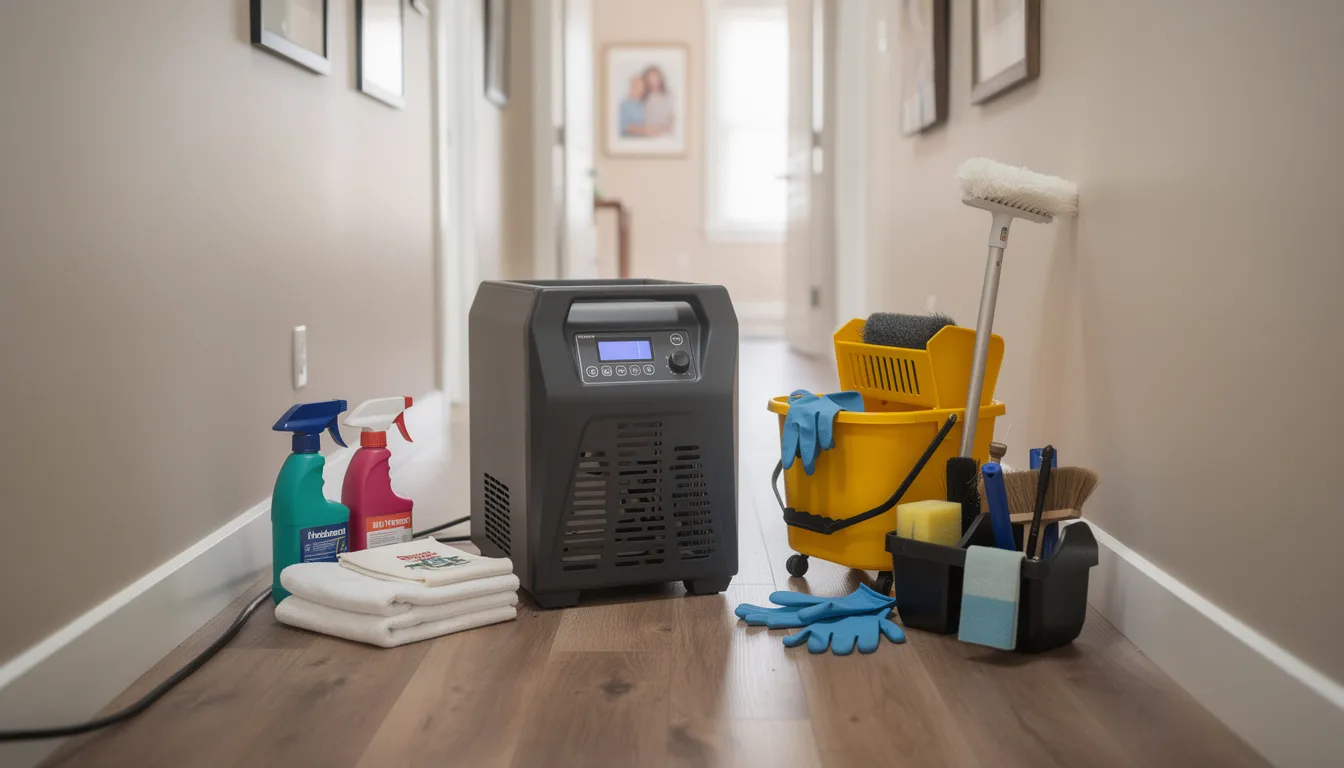
Smoke doesn’t just coat visible surfaces. It infiltrates wall cavities, insulation, HVAC systems, electrical chases, and porous furnishings through pathways you can’t see. This makes DIY odor removal extremely difficult, even weeks after a fire when the initial smoke smell seems to have faded.
Professionals evaluate multiple factors before recommending a treatment approach:
Type of fire: Protein, plastic, electrical, or natural materials each require different strategies
Length and temperature of burn: Hotter, longer fires penetrate deeper into materials
Spread pattern: Smoke migration through ductwork, walls, and ceilings affects which areas need treatment
Building construction: Older homes with balloon framing have different void spaces than modern construction
Contents and finishes: Expensive furniture, electronics, and artwork may need protection or alternative approaches
Certified restoration companies follow industry standards like IICRC fire and smoke restoration guidelines to determine when fogging or ozone is appropriate and how to execute treatments safely. This includes proper exposure times, ventilation procedures, and verification that odors are actually eliminated rather than temporarily masked.
Warning: Casually renting an ozone generator or thermal fogger without understanding exposure limits, re-entry times, and protection requirements can create serious problems. Ozone can damage electronics, rubber seals on doors and windows, and even harm occupants who return too soon. Improper fogging can leave residue on surfaces or fail to reach the actual odor sources.
If you’ve experienced a fire within the last 30 days, scheduling a professional inspection is far more efficient than relying on store-bought sprays, consumer devices, or hydrogen peroxide solutions. Masking agents may make spaces seem habitable temporarily, but buried odors return—often more noticeably—as temperature and humidity change.
Choosing the Right Method for Your Situation
Selecting the right treatment approach follows a logical sequence that professionals use on every project:
Step 1: Identify Fire Type and Extent
What burned? Kitchen fire with food, living room with furniture, garage with chemicals?
How long did it burn? Minutes versus hours changes penetration depth
Where did smoke travel? Single room, entire floor, whole building?
Step 2: Confirm Source Removal and Cleaning
Has all burned material been removed?
Have surfaces been cleaned with appropriate methods?
Is HVAC contamination addressed?
Step 3: Select Odor Control Tools Based on Risk and Goals
What level of odor remains after cleaning?
Are occupants sensitive or have health concerns?
What materials and contents need protection?
Decision Guide for Common Scenarios
Your Situation | Likely Treatment Approach |
|---|---|
Minor kitchen mishap, smoke smell in one room | Ventilation, cleaning, possibly hydroxyl |
Contained living room fire, moderate smoke spread | Cleaning + sealing + thermal fogging |
Severe kitchen protein fire | Cleaning + targeted ozone for kitchen + hydroxyl elsewhere |
Whole-house structure fire | Full restoration: demo, cleaning, sealing, hydroxyl/fogging |
Vehicle with years of tobacco smoke | Deep cleaning + ozone (with material protection) |
Hotel room with recent guest smoking | Cleaning + thermal fogging |
When comparing options, prioritize in this order:
Human and pet safety — No treatment is worth health risks
Protection of contents and finishes — Prevent secondary damage from treatment
Speed of odor removal — Address timeline after safety and protection are confirmed
A professional might recommend hydroxyl plus cleaning for most homes, thermal fogging as a follow-up for persistent wall-cavity odors, and carefully controlled ozone only for specific problem spaces like a protein-fire kitchen or a heavily smoked vehicle interior.
Key Takeaways
Understanding the differences between thermal fogging and ozone treatment helps you make informed decisions about smoke odor removal:
Thermal fogging is a targeted penetration tool that carries deodorant into hidden spaces, working best as a complementary step after cleaning
Ozone treatment is a powerful oxidizer that chemically destroys odor molecules but requires strict safety protocols and risks damage to certain materials
Neither method works in occupied spaces or replaces the fundamentals of source removal and cleaning
Hydroxyl generators offer a safer alternative for continuous treatment in occupied buildings, though they work more slowly
Professional assessment ensures the right methods are applied correctly, protecting both occupants and property
The restoration industry continues to evolve toward safer, more effective approaches. While thermal foggers and ozone machines remain valuable tools for specific situations, they work best in the hands of trained professionals who understand both their power and their limitations.
If you’re dealing with smoke odor from a recent fire, consulting with a certified restoration company is the most efficient path forward. They can assess your specific situation, recommend the appropriate combination of treatments, and execute the work safely—giving you confidence that the smell won’t return once you’re back in your living space.


Latest news