
Understanding mold and why it matters

Mold
Understanding Mold and Why It Matters
Mold is a type of fungus that thrives on damp organic materials—and if you own a home or building in North Atlanta, chances are you’ve encountered it at some point. With Georgia’s humid subtropical climate, the conditions for mold growth are present nearly year-round, making it a persistent concern for property owners throughout our region.
Here’s what you need to know: molds reproduce by releasing microscopic mold spores into the air. These spores are everywhere, drifting through both outdoor and indoor environments. When they land on a damp surface—drywall, wood framing, carpet padding, or insulation—they can begin colonizing within days.
In the natural environment, many molds play an essential role in breaking down decaying organic matter like fallen leaves and dead trees. But when mold moves indoors, the story changes. Indoor mold growth can cause significant property damage, eating away at building materials and leaving behind stains, odors, and structural deterioration. More importantly, exposure to mold can contribute to respiratory issues, allergies, and worsening asthma symptoms for the people living or working in affected spaces.
T.A.C.T. North Atlanta is a locally owned, certified remediation company that specializes in safe mold removal and moisture control for homes and businesses throughout the North Atlanta area. We understand the unique challenges our climate presents, and we’re equipped to handle everything from minor mold issues to extensive contamination—24 hours a day, 7 days a week.
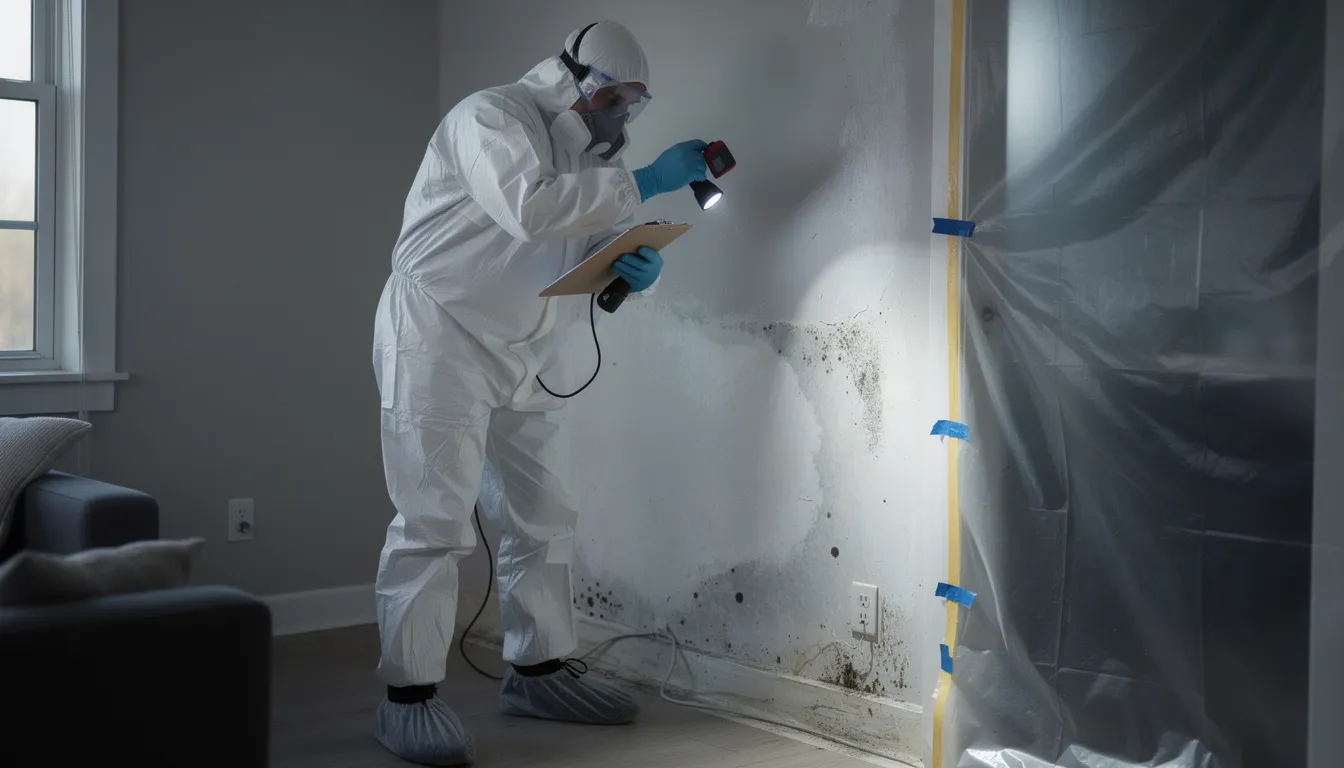
How Mold Grows in Homes and Buildings
Understanding how molds grow is the first step toward keeping them out of your property. Mold needs three things to establish mold colonies:
Requirement | Details |
|---|---|
Moisture | The primary driver—mold cannot grow without water or high humidity |
Organic material | Food sources like wood, paper, drywall, dust, fabric, and carpet |
Temperature | 60–80°F is ideal, which matches indoor conditions in Georgia year-round |
Common Moisture Sources in North Atlanta Properties
Our area’s weather patterns create plenty of opportunities for excess moisture to enter homes and commercial buildings:
Roof leaks from summer thunderstorms and severe weather events
Plumbing leaks hidden behind walls, under sinks, or in crawl spaces
Overflowing tubs, toilets, or washing machines
High humidity in basements, crawl spaces, and laundry rooms
Standing water after minor flooding or heavy rainfall
Condensation on cold surfaces like windows, pipes, and air conditioner components
Where Mold Colonies Typically Develop
Certain molds prefer different locations, but common indoor molds tend to appear in predictable spots:
Under bathroom vanities and around toilets
Behind baseboards and inside wall cavities
On the backside of drywall (invisible from the living space)
Inside HVAC systems, ductwork, and drip pans
Around window frames and sills
On damp carpet pads and subflooring
Here’s the critical timeline to remember: mold can start growing within 24–48 hours after water damage if affected materials aren’t thoroughly dried. This is why prompt response to any water event is so important.
Once established, mold continually release spores into the indoor air, spreading contamination to other rooms and floors. A moisture problem in your basement can lead to mold issues in your living areas above.
Health Effects of Mold Exposure
Mold exposure affects people differently, but there are well-documented patterns in how indoor mold impacts human health. The severity of health effects depends on the type of mold, the concentration of spores, the duration of exposure, and individual sensitivity.
Common Short-Term Symptoms
Most people who react to mold experience symptoms similar to seasonal allergies:
Nasal congestion and stuffy nose
Runny nose and sneezing
Coughing and throat irritation
Itchy or watery eyes
Sinus pressure and headaches
Skin irritation or rashes
These allergy symptoms often improve when the person leaves the moldy environment and return when they come back.
Respiratory and Asthma Concerns
For individuals with pre-existing respiratory conditions, mold can trigger more serious reactions. Asthma symptoms like wheezing, chest tightness, and shortness of breath can worsen significantly with ongoing mold exposure. Research has also suggested a connection between early childhood mold exposure and developing asthma later in life.
People with weakened immune systems—including those undergoing chemotherapy, organ transplant recipients, and individuals with HIV/AIDS—face higher risks for serious mold-related infections. Infants, older adults, and those with chronic lung disease should be particularly cautious around moldy environments.
Beyond “Black Mold”
When most people hear about toxic mold, they immediately think of black mold—specifically Stachybotrys chartarum, which has a dark green to black appearance. While this species can produce mycotoxins and is classified as a significant health hazard, it’s not the only mold worth worrying about.
Many different mold species found indoors can cause allergic reactions and health problems:
Mold Genus | Common Locations | Health Concerns |
|---|---|---|
Cladosporium | Wood, plants, window frames | Allergenic; can trigger mold allergy symptoms |
Penicillium | Mattresses, carpets, water-damaged materials | Allergenic; common in damp buildings |
Aspergillus | Soil, HVAC systems, basements | Some species produce mycotoxins; opportunistic infections |
Alternaria | Textiles, damp areas, stored food | Allergenic; associated with asthma |
While mold is not considered a cause of cancer in typical household scenarios, persistent exposure in a damp, musty environment can significantly impact quality of life and respiratory health. If you or family members experience symptoms that improve away from home but return when you’re back, it may be time to investigate for hidden mold.
The Environmental Protection Agency and the National Institute of Occupational Safety recommend consulting a healthcare provider if symptoms appear or worsen in damp or moldy environments.
Signs You May Have a Mold Problem
Detecting mold early can save you thousands in remediation costs and protect your family’s health. Here’s what to look for:
Visible Indicators
The most obvious sign is visible fungal growth on surfaces:
Discolored patches on walls or ceilings (often green, brown, gray, or black)
Bubbling, peeling, or cracking paint
Staining around window sills and frames
Fuzzy or slimy growth on wood, stored items, or ceiling tiles
White, gray, or colored spots on furniture or fabrics
Non-Visible Clues
Sometimes you’ll smell mold before you see it:
Persistent musty or earthy odor, especially in basements, crawl spaces, or closed rooms
Smell that intensifies when the HVAC system runs
Odors that linger even after cleaning
Building Symptoms
Your building itself may show signs of moisture problems and concealed mold:
Warped or buckling baseboards
Sagging or soft spots in drywall
Soft, spongy flooring
Water stains on ceilings (even old, dry stains)
Condensation on windows and cold surfaces
Occupant Symptoms as Clues
Pay attention to patterns in how building occupants feel:
Allergies or asthma that improve when away from home (at work, on vacation)
Symptoms that return within hours of coming back to the property
Multiple family members or employees experiencing similar respiratory complaints
Important: Visible mold usually means there’s more growth in hidden areas. What you see on a wall surface often represents just a fraction of the mold growing inside wall cavities, under flooring, or inside HVAC components.
We recommend contacting a professional mold remediation company like T.A.C.T. North Atlanta if:
Mold covers more than about 10 square feet
Growth recurs after DIY cleaning attempts
Mold appears after a significant water incident
You suspect mold but can’t locate the source
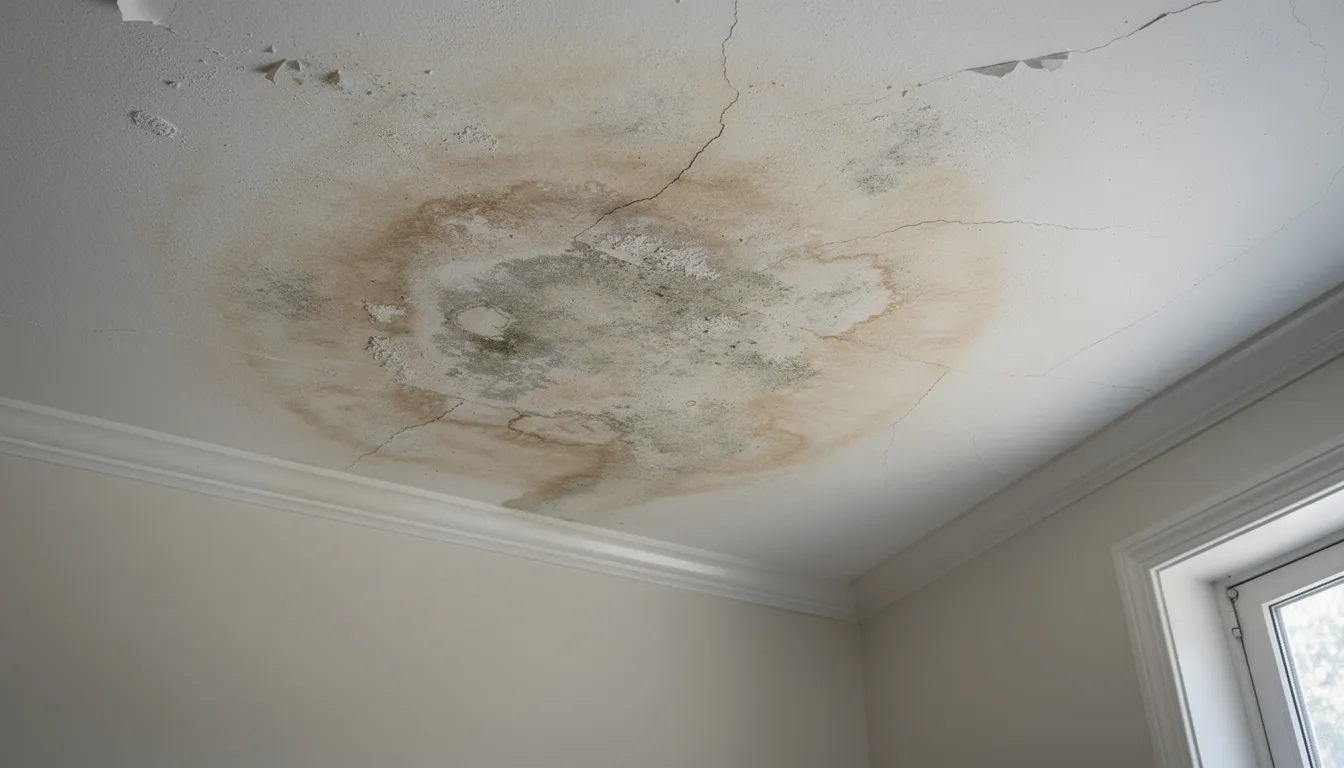
Identifying, Testing, and Assessing Mold
One of the most common questions we receive is whether mold testing is necessary. The answer depends on your situation.
When Testing May Not Be Needed
In many residential cases, visible growth and musty odors are enough to confirm a mold problem. If you can see mold and identify the moisture source, you already know what needs to happen: fix the water problem and clean up the mold. Spending money on testing in these situations often delays remediation without providing additional useful information.
When Testing Can Be Helpful
Professional mold assessment makes sense in specific circumstances:
Unresolved health issues where occupants suspect mold but can’t find visible growth
Suspected hidden mold behind walls, above ceilings, or in other inaccessible areas
Real estate transactions where buyers or sellers need documentation
Insurance claims that require third-party verification
Post-remediation clearance to confirm successful cleanup
Professional Assessment Methods
Certified inspectors use several techniques to evaluate mold contamination:
Method | What It Measures | Best Used For |
|---|---|---|
Air sampling | Spore concentrations in indoor vs. outdoor air | Detecting hidden mold, baseline comparisons |
Surface sampling | Specific mold species on materials | Identifying types present, documenting contamination |
Moisture mapping | Water content in building materials | Locating moisture sources, defining affected areas |
Thermal imaging | Temperature variations indicating moisture | Finding hidden water intrusion |
These assessments should follow guidelines from organizations like the EPA and AIHA (American Industrial Hygiene Association).
A Word About Home Test Kits
Over-the-counter mold test kits are widely available but come with significant limitations. Many simply detect common molds that are already present in virtually every indoor environment. A positive result doesn’t tell you whether you have a problem, and the results are often non-actionable.
The real goal of any mold assessment isn’t just to identify species—it’s to:
Locate the moisture source driving the growth
Determine the extent of contamination
Develop the safest, most effective remediation approach
For North Atlanta property owners dealing with post-storm roof leaks, damp basements after heavy rainfall, or mysterious odors, a professional assessment provides far more value than a mail-in test kit.
Professional Mold Remediation with T.A.C.T. North Atlanta
When mold contamination exceeds what you can safely handle yourself, professional remediation is the answer. Here’s how T.A.C.T. North Atlanta approaches every project:
Step 1: Stop the Moisture Source
No mold remediation succeeds if the water problem continues. Before any cleanup begins, we identify and address the moisture source—whether that means:
Coordinating roof leak repairs
Fixing plumbing issues
Improving drainage around foundations
Enhancing ventilation in problem areas
Repairing air conditioners and HVAC systems contributing to condensation
Step 2: Containment
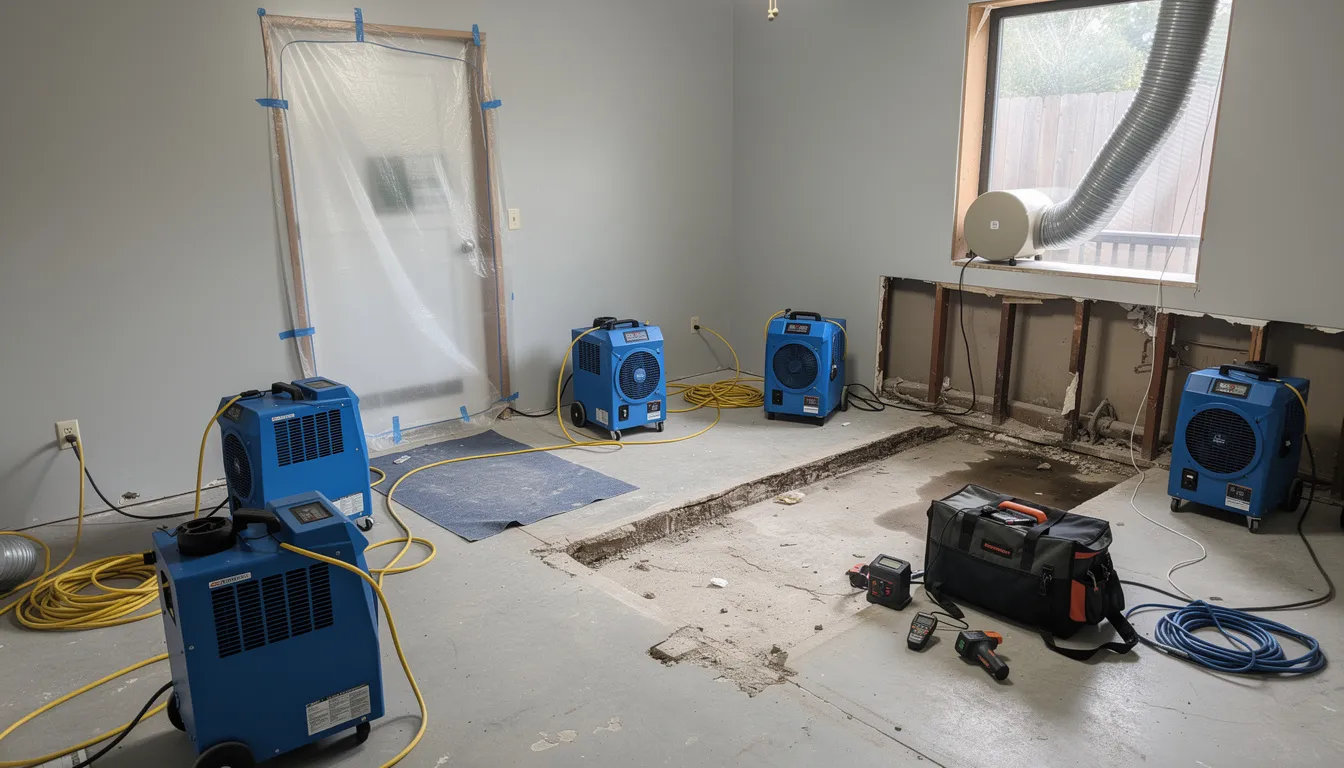
To prevent mold spores from spreading into clean areas of your property, our certified technicians establish containment using:
Heavy-duty plastic sheeting to seal off work areas
Negative air machines that create pressure differentials
Airlocks for entry and exit
Warning signage for occupant safety
This containment is essential—disturbing mold without proper barriers can spread contamination throughout your home or office buildings.
Step 3: Safe Removal
Our crew carefully removes affected materials following strict protocols:
Contaminated porous materials (drywall, insulation, carpet, ceiling tiles) are cut out and bagged
Salvageable surfaces are cleaned using industry-approved methods
High Efficiency Particulate Air (HEPA) vacuums capture microscopic spores
Air scrubbers continuously filter the workspace
All waste is disposed of properly to prevent re-contamination.
Step 4: Drying and Dehumidification
Before any reconstruction can happen, structural materials must reach safe moisture levels. We use:
Commercial dehumidifiers
High-velocity air movers
Moisture meters for precise readings
Continuous monitoring until targets are met
Rushing this step is a recipe for recurring mold problems.
Step 5: Post-Remediation Verification
After cleanup, we verify success through:
Thorough visual inspection
Final moisture readings
When appropriate, third-party clearance testing
This ensures your indoor air quality has been restored and your property is safe for occupancy.
Why Choose T.A.C.T. North Atlanta?
24/7 availability for emergency response
Direct coordination with all major insurance carriers
Certified technicians following EPA, IICRC, and industry best practices
Experience with residential and commercial buildings including apartments, offices, and healthcare facilities
DIY Mold Cleanup vs. When to Call Professionals
Not every mold situation requires professional intervention—but knowing where to draw the line protects both your health and your property.
When DIY May Be Appropriate
Small, manageable mold issues can often be handled by homeowners:
Limited areas under about 10 square feet
Mold on non-porous surfaces like tile, glass, metal, or sealed countertops
Surface contamination that hasn’t penetrated materials
Areas with good ventilation and easy access
DIY Precautions
If you decide to clean up the mold yourself, take these precautions:
Equipment | Purpose |
|---|---|
Rubber gloves | Protect skin from mold and cleaning solutions |
Safety goggles | Prevent spores from reaching eyes |
N95 mask (minimum) | Filter airborne spores |
Old clothes | Wear something you can wash immediately or discard |
Important safety notes:
Avoid mixing bleach with ammonia or other household cleaners—the fumes are toxic
Use detergent and water rather than bleach for most surfaces (bleach doesn’t kill mold on porous materials)
Ventilate the area well with exhaust fans or open windows
Discard rags, sponges, and a stiff brush used for cleaning after use
Dry the area thoroughly after cleaning to remove moisture
When to Call Professionals
Professional mold cleanup is necessary when:
Growth exceeds 10 square feet or covers multiple areas
Contamination is inside HVAC systems, ductwork, or drip pans
Mold was caused by sewage or contaminated water (Category 2 or 3 water damage)
Growth repeatedly returns after DIY cleaning attempts
Mold is in concealed areas like walls, attics, crawl spaces, or under flooring
Occupants have health conditions that make exposure particularly risky
The property is a commercial building with occupational safety requirements
What NOT to Do
Improper DIY attempts can make problems worse:
Don’t paint over mold—it will grow through the new paint
Don’t use consumer foggers or “mold bombs”—they don’t address the source
Don’t disturb moldy drywall without containment—you’ll spread spores throughout your home
Don’t rely on bleach solutions for porous materials—it doesn’t penetrate to kill roots
T.A.C.T. North Atlanta follows EPA, IICRC, and industry best practices to protect building occupants, workers, and building materials during every project. If you’re unsure whether your situation requires professional help, call us for an assessment—it’s always better to know what you’re dealing with before making decisions.
Preventing Moisture and Mold in North Atlanta Homes
The most effective mold prevention strategy is simple: control moisture. In Georgia’s humid climate—especially during spring, summer, and early fall—this requires consistent attention.
Humidity Control
The EPA recommends keeping indoor humidity below 60%, with 30–50% being ideal. Here’s how to achieve that:
Run air conditioning during humid months (it removes moisture while cooling)
Use dehumidifiers in basements, crawl spaces, and laundry rooms
Install and use exhaust fans in bathrooms, kitchens, and anywhere moisture is generated
Vent the clothes dryer directly outside, not into attics or crawl spaces
Empty drip pans in air conditioners and refrigerators regularly
Routine Home Maintenance
Prevent mold growth through proactive maintenance:
Repair roof leaks promptly after storms
Fix leaky pipes as soon as you notice them
Clean gutters to prevent water backup
Direct downspouts at least 6 feet away from foundations
Seal gaps around windows and doors
Inspect caulking in bathrooms and kitchens annually
Room-by-Room Strategies
Bathrooms:
Run exhaust fans during and 30 minutes after showers
Keep shower doors or curtains open after use to dry
Wipe down tile and glass after washing dishes or bathing
Fix any dripping faucets or running toilets
Kitchens:
Use range hoods when cooking
Check under sinks regularly for leaks
Don’t let water pool around dishwashers
Basements and Crawl Spaces:
Avoid carpet in chronically damp areas
Store items on shelves, not directly on floors
Consider vapor barriers in crawl spaces
Ensure proper grading directs water away from foundation
Laundry Room:
Check washing machine hoses for wear
Don’t leave wet clothes sitting in the machine
Ensure adequate ventilation
Respond Quickly to Water Events
If you experience any water intrusion—spills, overflows, minor flooding—act fast:
Remove standing water immediately
Reduce moisture with fans and dehumidifiers
Remove wet materials that can’t be dried within 24–48 hours
Monitor affected areas for signs of mold over the following weeks
This 24–48 hour window is critical. Materials dried promptly rarely develop mold problems; materials left damp almost always do.
Costs, Insurance, and Working with T.A.C.T. North Atlanta
Understanding what mold remediation costs—and what your insurance may cover—helps you make informed decisions.
What Affects Remediation Costs
Mold remediation costs in the North Atlanta area typically range from a few hundred dollars for small, contained areas to several thousand for extensive contamination. Factors that influence pricing include:
Factor | Impact on Cost |
|---|---|
Total affected square footage | Larger areas require more labor and materials |
Location of mold | Concealed areas (behind walls, in crawl spaces) cost more to access |
Cause of moisture | Clean water vs. contaminated water affects protocols |
Material types | Porous vs. non-porous; whether materials can be salvaged |
Structural involvement | Framing, subfloors, and structural repairs add cost |
Accessibility | Tight spaces, attics, and difficult access increase labor |
Insurance Coverage
Many homeowners ask whether their insurance will cover mold remediation. The answer depends on your specific policy and the circumstances:
Typically covered:
Mold resulting from sudden, covered water losses (burst pipes, appliance failures, storm damage)
Water damage and mold from covered fire suppression efforts
Often excluded:
Mold from long-term maintenance issues
Gradual leaks that weren’t addressed promptly
Flooding (separate flood insurance may apply)
Humidity-related mold without a specific water event
T.A.C.T. North Atlanta works directly with all major insurance carriers serving Georgia. We assist with:
Detailed documentation and photographs
Scope-of-work estimates
Direct communication with adjusters
Supplemental claims when additional damage is discovered
The Value of Early Intervention
One thing we’ve learned in years of mold remediation: early intervention almost always reduces both damage and cost. A small mold problem addressed promptly might cost a few hundred dollars. That same problem left for months can turn into a multi-thousand-dollar project involving demolition, extensive drying, and reconstruction.
That’s why we offer 24/7 emergency response—because mold doesn’t wait, and neither should you.
Get a Professional Assessment
Whether you’ve discovered visible mold, noticed persistent odors, or experienced water damage that wasn’t dried properly, the first step is understanding what you’re dealing with.
Contact T.A.C.T. North Atlanta for:
On-site assessment of your property
Transparent pricing with detailed scope of work
Guidance on whether insurance coverage may apply
Fast, professional service from a local team that understands North Atlanta homes
Don’t let mold compromise your family’s health or your property’s value. Our certified technicians are ready to help you restore your home or business to a safe, healthy environment.
Call T.A.C.T. North Atlanta today—we’re available 24/7 for emergencies, and we work with all insurance companies to make the process as smooth as possible.


Latest news