
What color is black mold? ( and how to spot it Quickly in Your North Atlanta Property

What Color Is Black Mold? (And How To Spot It Quickly in Your North Atlanta Property)
You’ve spotted something dark growing on your bathroom ceiling or basement wall. Maybe it’s a greenish patch creeping along the drywall seam, or sooty streaks around your HVAC vent. Now you’re asking the question every North Atlanta homeowner dreads: what color is black mold, and is this it?
The answer is more nuanced than you might expect. Despite its name, black mold isn’t always jet black—and not every dark mold you find is the dangerous kind. In this guide, we’ll break down exactly what black mold looks like, how to identify black mold in your home or business, and when to call in professionals. Whether you’re dealing with a suspicious stain after recent water damage or a persistent musty smell in your crawl spaces, you’ll learn how to recognize the red flags and protect your property.
Quick Answer: What Color Is Black Mold, Really?
Black mold typically appears as dark greenish-black patches, though it can also look gray, brown, or almost jet black depending on age and moisture conditions. The term “black mold” is actually a bit misleading—what you’re seeing is rarely a uniform, pure black color.
The most notorious species commonly called black mold is Stachybotrys chartarum. However, many fungi can produce dark-colored growth, which means not all black-looking mold is the toxic variety. Here’s the key point: color alone cannot confirm whether you’re dealing with toxic black mold. Only laboratory testing or a certified professional inspection can provide definitive identification.
Common appearances of black mold include:
Slimy, wet-looking dark patches on damp surfaces
Greenish-black stains spreading along drywall seams or ceiling corners
Soot-like or powdery spots along baseboards
Irregular dark circles or streaks in basements, bathrooms, or around HVAC vents
Patches that may show a lighter color at the edges and darker centers
From T.A.C.T. North Atlanta’s experience, any black or very dark mold growth found indoors in the North Atlanta area should be treated as a concern and evaluated promptly. Our humid climate and frequent storm events create ideal conditions for mold establishment, making early detection critical for both health and property protection.
What Is Mold (and “Black Mold”) in Homes and Businesses?
Mold is a type of fungus that thrives in damp, humid conditions. It reproduces by releasing microscopic mold spores into the air, which then settle on surfaces and begin new colonies when moisture is present. In homes and commercial buildings, mold commonly grows on drywall, wood, insulation, carpet, ceiling tiles, and HVAC components.
Several mold genera are commonly found indoors:
Aspergillus – One of the most common indoor molds, appearing in various colors including green, white, and brown
Cladosporium – Often olive-green to brown, commonly found on fabrics and wood surfaces
Penicillium – Typically blue or green mold with a fuzzy texture, often found on water-damaged materials
Alternaria – Dark green or brown, frequently found in showers and under leaky sinks
Stachybotrys chartarum – The species most people mean when they say “toxic black mold”
The term “black mold” is not a scientific classification. It’s a non-technical label people apply to any dark-colored mold growth. Professionals use species names—particularly Stachybotrys chartarum—when discussing the mold types that produce mycotoxins and pose greater health concerns.
Here’s what matters most: all indoor mold growth, regardless of mold color, indicates a moisture problem that needs addressing. White mold, green mold, or black mold growth—each signals that conditions in your property are supporting fungal colonization.
T.A.C.T. North Atlanta specializes in mold remediation as part of our broader environmental and biohazard cleanup services. We understand that mold problems often accompany other issues like water damage, making comprehensive assessment essential.
What Color Is Black Mold? Typical Colors and Textures
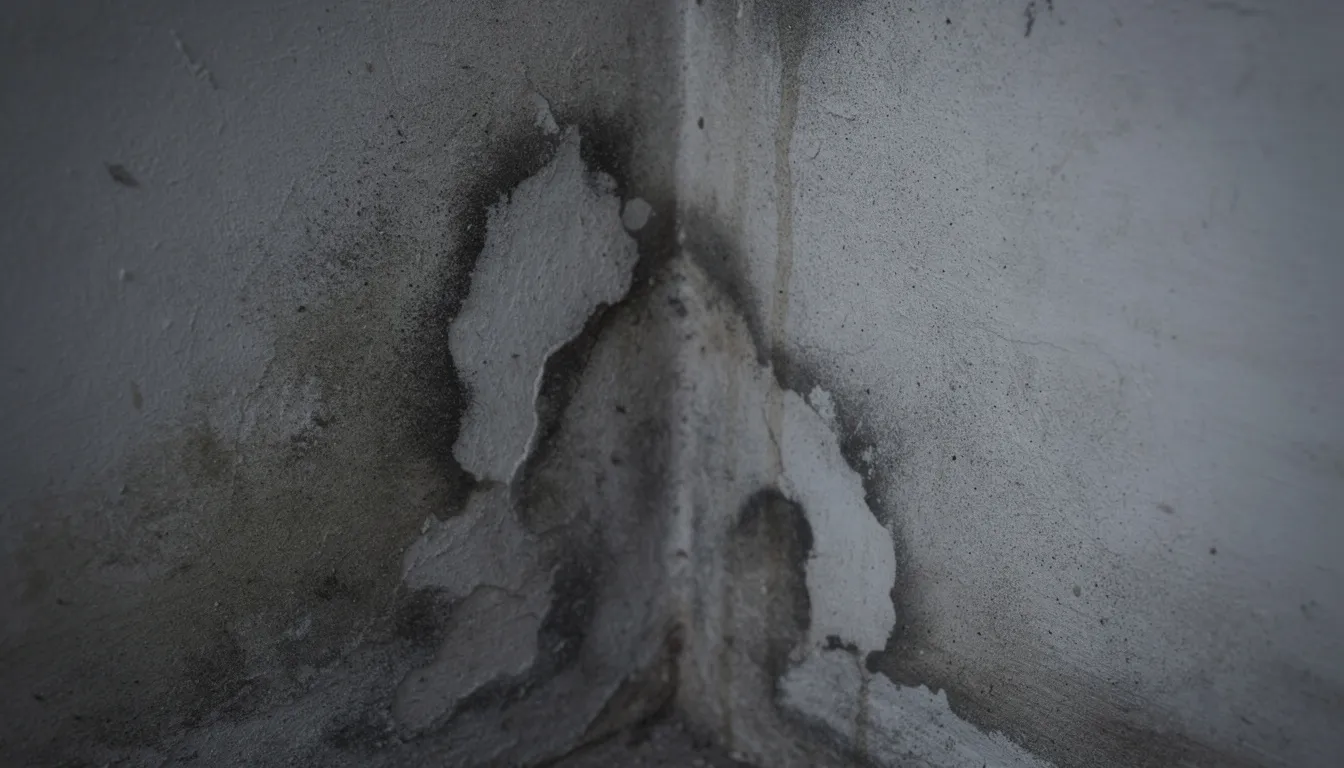
When actively growing, black mold rarely presents as a uniform, solid black. Instead, you’ll typically see multiple shades within a single patch, ranging from dark olive green to nearly black, with different colors at the center versus the edges.
Common color range of Stachybotrys chartarum:
Deep greenish-black when wet and actively growing
Very dark gray or black when dry or dormant
Brownish tones at the edges or in older portions of the colony
Dark olive or gray in early stages, becoming almost soot-black as it matures
Typical textures you may encounter:
Slimy or wet-looking when the mold is actively growing in high-moisture conditions
Powdery or dusty appearance when the moisture source has been reduced
Fuzzy texture in colonies that have been growing for extended periods
Sooty residue that smears when touched
Where patches commonly appear:
Irregular stains along drywall seams
Circular or clustered patterns in ceiling corners
Streaks around HVAC vents where condensation collects
Hidden areas behind baseboards or inside wall cavities
When you’re examining a suspicious area, compare what you see to these descriptions. Black mold isn’t always obvious—early stages may look like simple dirt or discoloration before developing into the characteristic dark patches most people recognize.
What Affects Mold Color (and Why Color Is Misleading)
Mold color changes over time and varies based on environmental conditions, which is why visual identification alone is fundamentally unreliable. The same mold colony can look dramatically different depending on when you observe it and what’s happening in its environment.
Moisture level plays a major role in appearance. Wetter colonies often look darker and shinier, with a slimy texture that reflects light. As moisture decreases, the same colony becomes duller and takes on a dusty or powdery look. This is why mold in an actively leaking bathroom may look different from mold in a basement where a past leak has dried.
Food source influences coloration as well. Mold growing on cellulose-rich materials like drywall, paper, or wood insulation may appear slightly different from mold colonizing concrete, painted surfaces, or other surfaces with different chemical compositions.
Age causes significant color shifts within the same colony. Fresh black mold growth often starts as dark green or gray patches, gradually darkening to brown or nearly black as the colony matures. Older areas may look different from newer growth at the colony’s expanding edges.
Species overlap creates identification challenges. Some Aspergillus and Cladosporium species can look nearly identical to Stachybotrys chartarum patches. Different colors and different textures don’t necessarily mean different health risks.
The bottom line: only laboratory analysis or a certified mold professional can accurately determine what species you’re dealing with and what the actual risks are. Relying on proper identification rather than color assumptions protects your health and prevents wasted effort on inadequate remediation.
What Does Black Mold Look Like in Real Homes?
T.A.C.T. North Atlanta technicians regularly encounter suspected black mold throughout the metro Atlanta area. Based on our field experience, here’s what mold growth commonly looks like in real residential and commercial settings:
Bathrooms: Dark streaks or blotches in shower corners, around deteriorating caulk lines, and on ceilings directly above showers or tubs. These areas typically have a persistent damp smell that doesn’t resolve with regular cleaning. The combination of warm temperatures, high humidity, and organic materials in grout and drywall creates perfect conditions for mold infestation.
Basements and crawl spaces: Irregular black or dark green patches on concrete block walls, wooden floor joists, and fiberglass insulation. Homes built before 2010 with past water intrusion events are particularly susceptible. The musty odor in these spaces often signals hidden mold covering areas behind stored items or inside wall cavities.
Attics: Black spotting or streaking on roof decking and rafters near past roof leaks or in areas with poor ventilation. These problems are frequently discovered during real estate inspections when buyers request thorough evaluations. Inadequate attic ventilation in North Atlanta’s humid summers accelerates mold establishment.
HVAC systems: Dark growth around supply vents, inside drip pans, or on adjacent drywall where condensation has accumulated. Mold in hvac systems is particularly concerning because the system can distribute spores throughout the entire building.
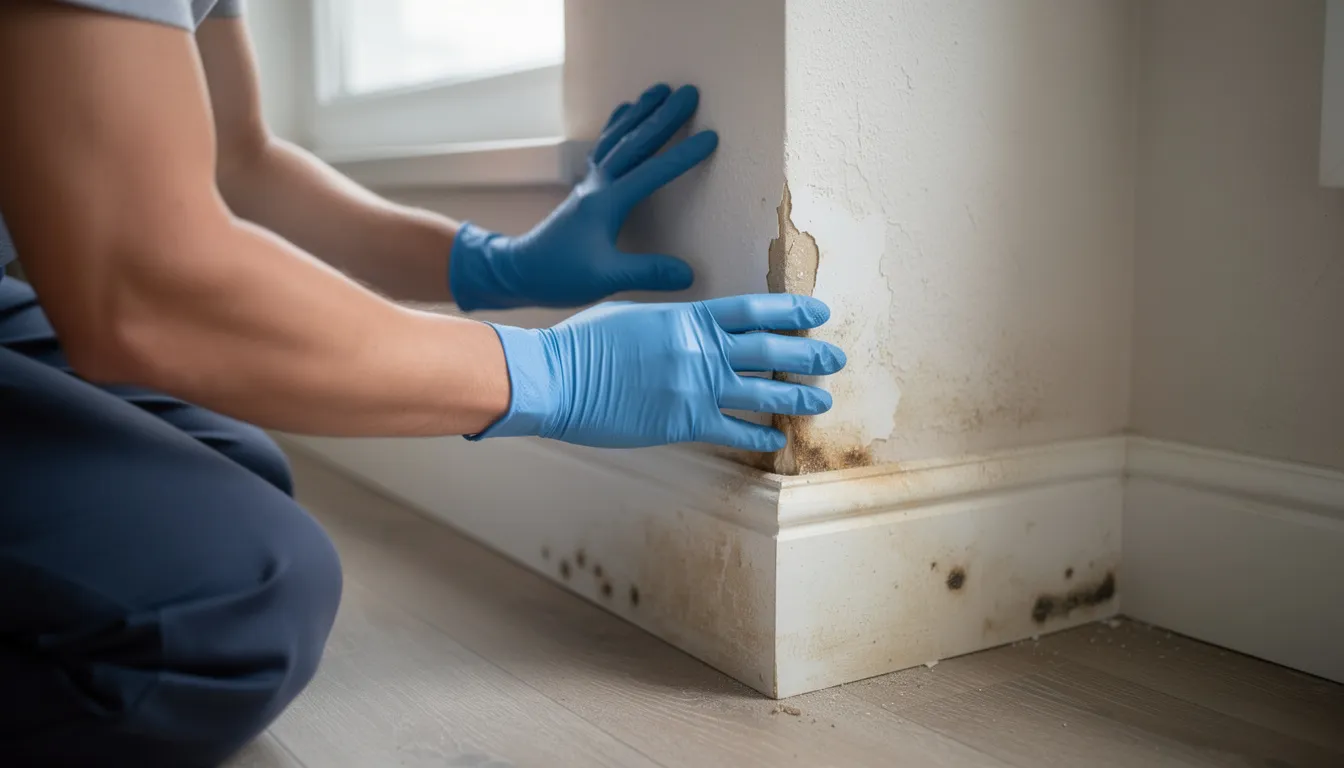
A helpful identification test: Black mold often smears when rubbed with a gloved finger, leaving visible staining even after the surface appears cleaned. This smearing characteristic distinguishes mold growth from simple dirt or staining.
Black Mold vs. Mildew and Other Mold Colors
At first glance, mildew, lighter molds, and black mold can look similar—especially to homeowners who haven’t dealt with mold problems before. Understanding the differences helps you assess what you’re dealing with, though professional evaluation remains essential.
Mildew characteristics:
Usually stays on surfaces rather than penetrating materials
Appears flat, white, or light gray
Wipes easily from bathroom tile, shower curtains, and similar non-porous surfaces
Less likely to cause structural damage to porous materials like drywall
Green mold characteristics:
Common on food and damp building materials
Often fuzzy or powdery in texture
May be Aspergillus, Cladosporium, or Penicillium species
Can range from bright green to olive or gray-green
Black mold vs. other molds:
Tends to penetrate porous materials more deeply, especially when present for weeks or months
More likely to require material removal rather than surface cleaning alone
Often associated with significant water damage or long-term moisture exposure
Key distinction: Color, texture, and musty smell provide useful clues, but none of these characteristics alone are reliable enough to declare something toxic black mold. Many mold types can appear similar, and health risks depend on species, exposure duration, and individual sensitivity.
T.A.C.T. North Atlanta treats any persistent mold growth—black, green, or white—as a health and structural concern requiring professional evaluation. We’ve seen cases where homeowners dismissed lighter-colored mold as “just mildew” only to discover significant contamination behind walls.
Health Risks Linked to Black Mold (Color vs. Toxicity)
Mold-related health problems are not determined by color alone. The potential for harm depends on the species present, the duration of mold exposure, the concentration of mold spores in the air, and individual sensitivity factors.
Mycotoxin production: Stachybotrys chartarum and certain other molds produce mycotoxins—toxic compounds that can affect human health. However, not all dark-colored molds produce these substances, and some lighter-colored molds can be harmful as well. This is why all mold types deserve serious attention.
Common short-term symptoms of indoor mold exposure include:
Coughing and congestion
Sneezing and runny nose
Itchy eyes and skin irritation
Headaches and fatigue
Sore throat or scratchy throat
Higher-risk groups for mold-related health issues:
Children and older adults
Pregnant women
People with asthma or chronic obstructive pulmonary disease
Individuals with allergies or allergic reactions to mold
Immunocompromised people with weakened immune systems
Potential long term effects: Medical literature has associated prolonged exposure to mold-contaminated environments with chronic fatigue, recurring respiratory infections, worsening asthma, respiratory issues, and in some cases, neurological symptoms including brain fog and memory loss. Some individuals report heart palpitations and serious health issues after extended exposure, though individual responses vary significantly.
Any significant mold contamination—black or otherwise—should be treated as a potential health hazard until properly investigated. If you or family members are experiencing unexplained respiratory symptoms or health symptoms that worsen at home, mold exposure should be considered as a possible contributing factor. Consult medical professionals for diagnosis and discuss your concerns about indoor air quality.
How to Tell If You Might Have Black Mold (DIY Clues)
Only professional testing can confirm mold species, but homeowners can look for warning signs before calling in experts. These observations help you determine whether professional assessment is warranted.
Check high-risk areas for visible signs:
Look for dark patches or streaks in damp areas, especially after plumbing leaks or storm damage common in North Atlanta
Examine areas that have experienced water damage within the past few months
Inspect surfaces around windows, under sinks, and near water heaters
Pay attention to odors:
Notice any persistent musty smell or damp smell that doesn’t resolve after cleaning and ventilation
The earthy, wet-sock odor associated with mold often appears before visible growth
If you smell mold, it may already be established behind walls or in hidden spaces
Inspect hidden locations:
Look under sinks and behind stored items in basements or closets
Check around window sills for condensation damage
Examine areas near HVAC registers and supply vents
Don’t forget crawl spaces and areas around leaky pipes
Avoid disturbing suspected mold:
Don’t scrape, sand, or aggressively scrub dark patches
Aggressive cleaning releases more spores into the air
Keep the affected area undisturbed until professionals can evaluate
Document what you find:
Take clear photographs of suspicious growth
Estimate the approximate size (square footage) of the affected area
Note any recent water events or moisture problems
This documentation helps remediation companies assess the situation quickly
When Black Mold Becomes a Serious Hazard
The severity of a mold problem depends on its extent, location, and the building materials affected. Understanding when mold crosses from a minor issue to a dangerous hazard helps you make informed decisions about response.
Size thresholds matter: Mold covering more than approximately 10 square feet, or appearing in multiple rooms, typically warrants professional mold remediation according to EPA guidance. Small patches may be manageable with proper precautions, but larger infestations require specialized equipment and expertise.
Material penetration determines remediation approach: Mold embedded in porous materials like drywall, ceiling tiles, insulation, and carpet padding often requires removal rather than surface cleaning alone. These materials absorb moisture and provide ideal conditions for deep mold colonization.
Contamination source affects risk level: Mold growth related to sewage backups, floodwater, or long-term roof leaks is considered higher-risk and should always be handled as a biohazard. The water category matters—clean water leaks are less dangerous than contaminated water intrusion.
Health symptoms signal urgency: If occupants are experiencing unexplained or worsening respiratory problems, mold should be evaluated as a potential contributor. The presence of high-risk individuals (children, elderly, immunocompromised people) in the building increases urgency.
When DIY is no longer appropriate:
Mold has spread beyond a single small area
The source of moisture hasn’t been identified or resolved
Anyone in the building is experiencing health issues
Mold is present in HVAC systems
Structural damage or building material saturation is evident
Professional Black Mold Inspection and Remediation in North Atlanta
T.A.C.T. North Atlanta approaches mold cases with the same professionalism and discretion we bring to all our biohazard remediation services. Our certified technicians respond rapidly, arrive in unmarked service vehicles for privacy, and work efficiently to restore your property to safe conditions.
Our inspection process includes:
Comprehensive moisture assessment using professional-grade meters
Visual examination of accessible areas and potential hidden mold locations
Thermal imaging and borescope cameras to detect moisture in wall cavities
Coordination with third-party laboratories for testing when species identification is needed
Remediation steps we follow:
Containment using plastic barriers and negative air pressure machines to prevent spore spread
Removal of contaminated materials following industry protocols
HEPA vacuuming of all surfaces in the affected area
Thorough cleaning and antimicrobial treatment of remaining structural components
Verification that moisture levels have returned to acceptable ranges
Working with insurance: T.A.C.T. North Atlanta works with all major insurance carriers serving the North Atlanta area. We help homeowners and business owners document damage properly for claims, providing detailed reports and photographs throughout the remediation process.
Emergency availability: We provide 24/7 response for emergencies involving water damage plus visible black mold growth, such as after pipe bursts, storm events, or flooding in the metro Atlanta area. Rapid response limits mold spread and reduces overall remediation scope.
Comprehensive service capability: Our company also handles water and fire damage restoration, odor removal, and trauma scene cleanup. When mold problems accompany other issues—as they often do after flooding or long-term vacancy—we can manage complex, multi-issue projects from start to finish.
Prevention Tips: Keeping Black Mold Away From Your Property
Controlling moisture is the single most important factor in preventing black mold and other mold types from establishing in your property. Mold cannot grow without adequate moisture, so eliminating water sources eliminates the problem before it starts.
Maintain appropriate humidity levels:
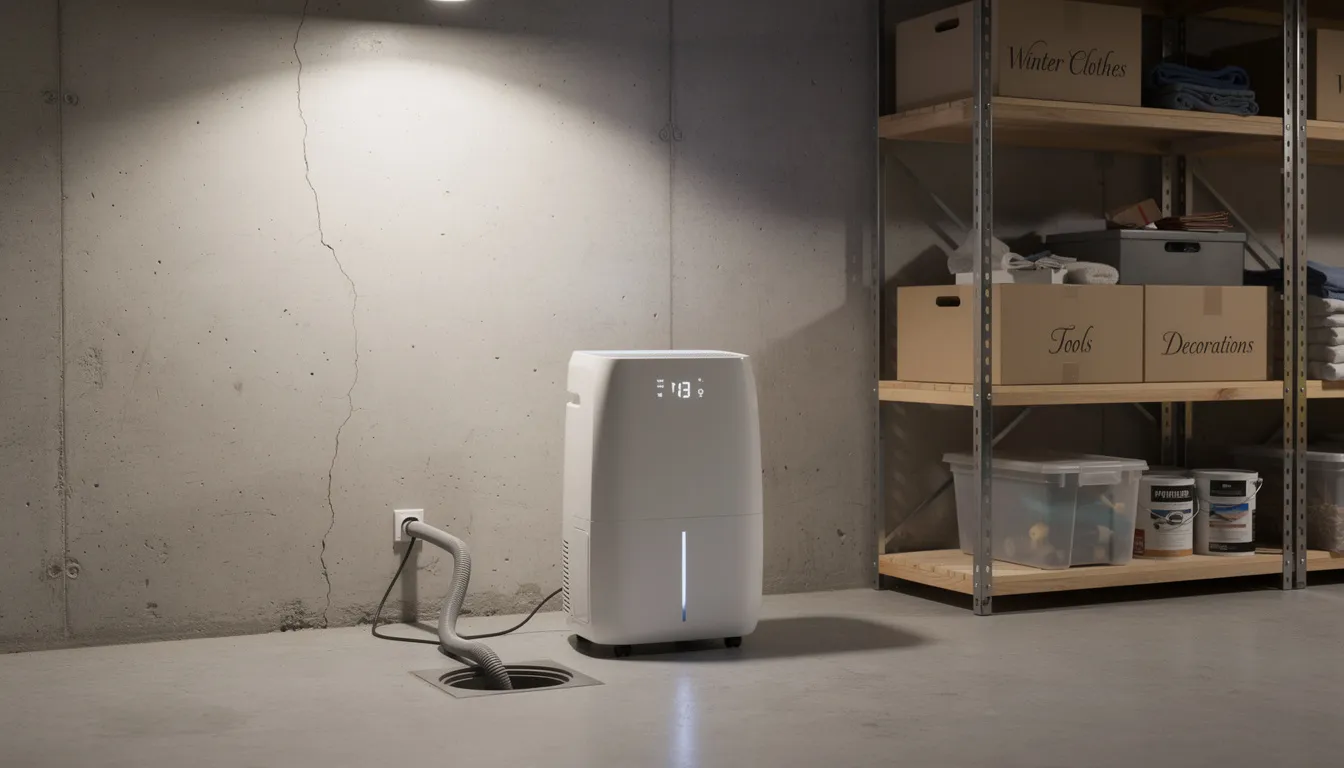
Keep indoor humidity between 30-50% using dehumidifiers
North Atlanta basements and crawl spaces need extra attention during humid summer months
Monitor humidity with inexpensive hygrometers placed in high-risk areas
Address water intrusion immediately:
Repair roof leaks, plumbing issues, and window leaks within 24-48 hours
Quick response prevents mold from establishing—most mold needs 48-72 hours of moisture to begin growing
Don’t delay repairs for leaky pipes or condensation problems
Conduct regular inspections:
Check under sinks monthly for signs of leaks or moisture
Inspect around water heaters, washing machines, and dishwashers
Examine unfinished basements and crawl spaces seasonally
Look at HVAC air handlers and drip pans during filter changes
Ensure proper ventilation:
Use exhaust fans in bathrooms during and after showers
Run kitchen exhaust fans when cooking with steam
Verify that dryer vents discharge to the exterior, not into attics or crawl spaces
Consider whole-house ventilation improvements if moisture problems persist
After water intrusion events:
Any storm flooding, burst pipe, or significant water leak warrants professional evaluation
Don’t assume that dried-out areas are mold-free
Document water damage immediately with photographs for insurance purposes
FAQs About What Color Black Mold Is and What To Do Next
Is all dark mold black mold?
No. Many different mold species can appear black or very dark in color, including some Aspergillus and Cladosporium varieties that are commonly found in homes. True “black mold” (Stachybotrys chartarum) is just one species among many that can present as dark growth. Color alone cannot determine species or toxicity—this is why visual identification without testing is unreliable.
Can black mold ever look green?
Yes. Stachybotrys chartarum frequently appears greenish-black, especially at the edges of colonies or when actively growing in wet conditions. The color can range from dark green to gray to nearly black within the same patch. This green coloring comes from melanin and other pigments the mold produces, and it’s particularly noticeable in early stages of growth before the colony fully matures.
If the mold isn’t pure black, is it safer?
Not necessarily. Safety cannot be judged by shade alone. Some lighter-colored molds can produce harmful mycotoxins, while some very dark molds may be relatively benign species. The only way to determine actual risk is through professional testing and evaluation. All mold types are created equal when it comes to needing investigation—any indoor mold growth indicates a moisture problem and potential health concern.
Can I paint over black mold?
No—this is one of the worse approaches you can take. Painting over mold does not kill it or seal it in permanently. The mold will continue growing beneath the paint, eventually causing paint to bubble, peel, and fail. Meanwhile, the underlying moisture problem remains unaddressed, and mold spores may still enter indoor air. The only effective solution is to remove contaminated materials, address the moisture source, and properly clean affected areas before any repainting.
Should I try to clean black mold myself?
Small areas of surface mold (less than about 10 square feet) on non-porous materials may be manageable with proper precautions—wearing an N95 respirator, gloves, and eye protection while using appropriate cleaning solutions. However, mold on porous materials, mold in HVAC systems, mold following sewage or flood contamination, or any mold affecting occupant health should be handled by professionals with proper equipment and training.
Who should I call about suspected black mold in North Atlanta?
For suspected black mold in the North Atlanta area, contact T.A.C.T. North Atlanta for professional inspection and remediation services. Our certified technicians can assess your situation, coordinate testing if needed, and provide safe, thorough remediation that addresses both the mold and its underlying moisture source. We’re available 24/7 for emergencies and work with all major insurance carriers.
Conclusion: Don’t Rely on Color—Get Black Mold Checked Fast
Black mold can appear dark green, gray, brown, or jet black—and that appearance alone cannot determine whether what you’re looking at is harmful. The telltale sign of a problem isn’t a specific shade but rather the presence of any dark, spreading mold growth combined with moisture issues and that distinctive musty odor.
Any visible mold indoors, especially dark or expanding patches, signals excess moisture and potential health concerns that deserve professional investigation. The longer mold remains, the more it spreads into porous materials and the more extensive—and expensive—remediation becomes.
If you’re a homeowner or commercial property manager in the North Atlanta area who has spotted suspicious dark growth or noticed a persistent damp smell, don’t wait to find out whether it’s the dangerous kind. Contact T.A.C.T. North Atlanta for a professional assessment. We respond quickly, work discreetly, and provide the certified remediation services needed to restore your property to safe, healthy conditions.
Your family’s health and your property’s value are worth protecting. Reach out today and get answers about what’s growing in your space.


Latest news