
Will mold cause headaches? Symptoms, Risks, and when to call T.A.C.T. North Atlanta

Will Mold Cause Headaches? Symptoms, Risks, and When to Call T.A.C.T. North Atlanta
If you’ve been dealing with unexplained headaches that seem to get worse in certain rooms of your home or office, you might be wondering whether mold is the culprit. The short answer is yes—mold exposure can absolutely cause headaches, and for many people, it’s one of the first warning signs that something is wrong with their indoor environment.
Can Mold Really Cause Headaches?
Yes, exposure to mold in indoor environments can cause headaches and even migraine-like pain in many people. Research has consistently linked inhaling mold spores to a range of symptoms, with headaches ranking among the most commonly reported complaints.
Headaches from mold exposure can start within hours or days of spending time in a damp, moldy space. For example, after a pipe leak in a North Atlanta basement during a humid Georgia summer, occupants may begin experiencing persistent head pain that mysteriously improves when they leave for work or spend a weekend away. This pattern—symptoms worsening in specific spaces and improving elsewhere—is a telltale sign that environmental triggers may be at play.
Both visible mold (those black, green, or white patches on walls and ceilings) and hidden mold (lurking behind drywall, under carpets, or inside HVAC systems) can trigger these symptoms. The microscopic spores don’t care whether you can see them or not—they affect your respiratory system and immune system either way.
Here’s what you need to know upfront:
Headaches are an early warning sign. They often appear before more serious symptoms of mold exposure develop.
Mold affects multiple body systems. Beyond head pain, mold exposure can impact breathing, mood, energy levels, and cognitive function.
Hidden mold is just as dangerous as visible mold. Water damage from even minor leaks can lead to mold growth within 24–48 hours.
Vulnerable groups experience worse symptoms. People with asthma, allergies, or weakened immune systems are especially susceptible individuals.
Professional remediation is often necessary. DIY cleanup can actually spread mold spores and make the mold problem worse.
T.A.C.T. North Atlanta specializes in mold remediation for homes and businesses across Fulton, Cobb, and surrounding counties, helping residents identify and safely eliminate mold that’s making them sick.
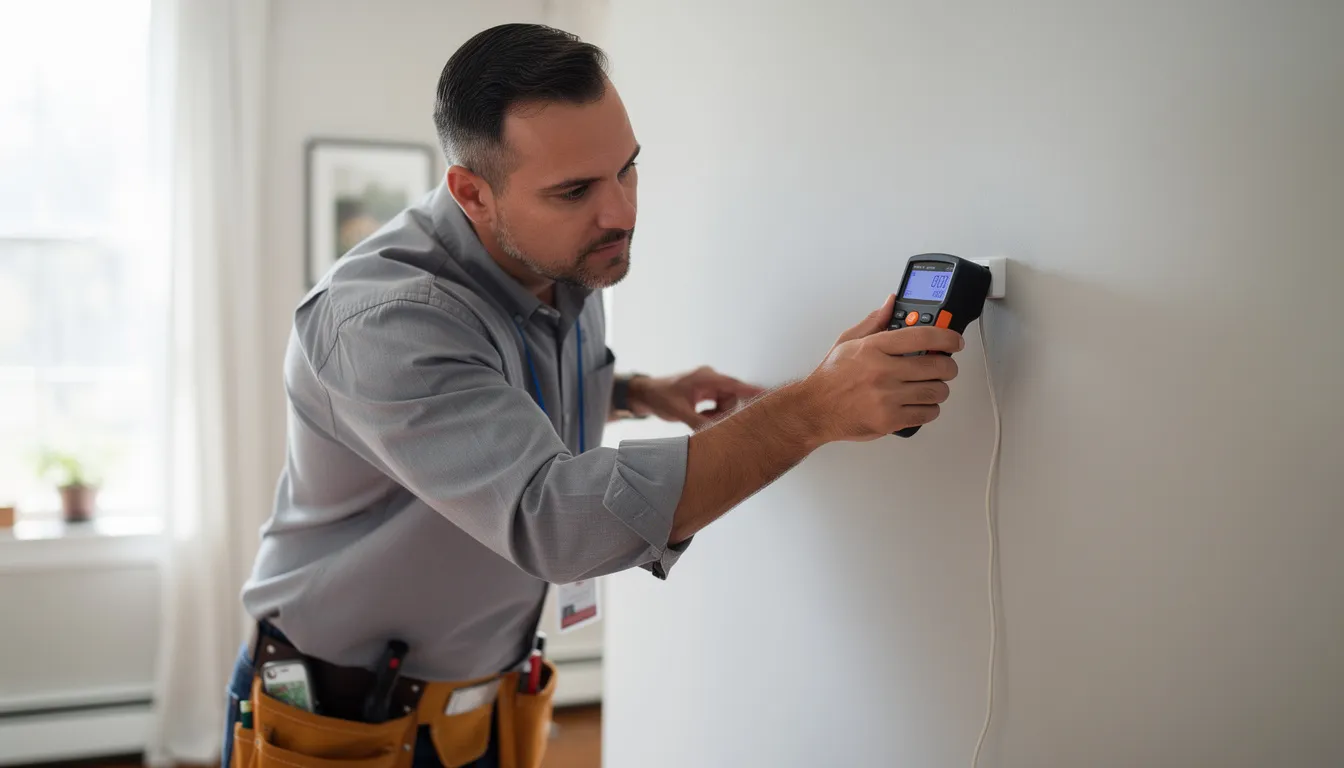
How Mold in Your Home or Business Leads to Headaches
Mold is a type of fungus that mold thrives in damp, poorly ventilated areas. Bathrooms, basements, crawl spaces, and attics are prime real estate for mold growth—especially after roof leaks, flooding, or plumbing failures. Georgia’s humid climate, particularly during spring storms and summer months, creates ideal conditions for mold to flourish.
When mold grows, it releases microscopic spores into the air. Some species also produce mycotoxins—toxic substances that can cause serious health problems when inhaled over time. Every breath you take in a contaminated space potentially exposes you to these airborne contaminants.
Here’s how mold spores and mycotoxins lead to headaches:
Sinus and airway irritation. When mold spores enter your nasal passages, they trigger nasal irritation and inflammation. This leads to nasal congestion, sinus pressure, and the classic sinus headaches that feel like constant pressure behind your forehead and cheekbones.
Allergic reactions and inflammation. For people with a mold allergy, the immune response to mold spores can be intense. This inflammatory response affects blood vessels and can produce migraine-like symptoms, including throbbing pain, nausea, and sensitivity to light.
Mycotoxin effects on the brain. Research shows that molds produce mycotoxins capable of crossing the blood brain barrier. A 2020 study published in the Proceedings of the National Academy of Sciences demonstrated that both toxic and nontoxic mold spores triggered innate immune activation in the brain, leading to increased pain sensitivity in exposed mice.
Nervous system disruption. Mycotoxins can interfere with the central nervous system, disrupting communication pathways and affecting how your brain processes pain signals.
Water damage from events like burst pipes, appliance failures, or storm-related flooding—common after Georgia spring storms—typically precedes mold growth within 24–48 hours. If your headaches started after a specific water event (say, a 2022 Atlanta summer storm that damaged your roof), that timeline is worth noting.
If you experience large or recurrent headaches when you’re in a specific room—a finished basement, attic office, or ground-floor apartment—an indoor mold issue may be the underlying cause.
Common Symptoms of Mold-Related Headaches
Mold-related headaches can feel like tension headaches, sinus headaches, or classic migraines, making them easy to mislabel or dismiss. Understanding the specific characteristics can help you recognize whether your frequent headaches might be associated with mold.
Typical headache characteristics include:
Dull, constant, pressure-like pain around the forehead, cheeks, or behind the eyes
Throbbing or pulsing pain on one or both sides of the head
Chronic headaches that worsen in damp, musty rooms and ease when you go outdoors
Persistent headaches that improve after leaving town for a few days
Sensitivity to light, noise, and strong odors when exposed to moldy indoor air
Associated symptoms that often accompany mold headaches:
Symptom Category | Common Manifestations |
|---|---|
Respiratory | Nasal congestion, runny nose, postnasal drip, sinus pressure |
Cognitive | Brain fog, difficulty concentrating at work or school, memory lapses |
General | Fatigue, muscle aches, dizziness |
Sensory | Nausea, a “motion-sick” feeling in moldy environments |
A study by Hyvonen et al. comparing mold-exposed and unexposed schoolchildren found that headaches were the most common symptom in the exposed group—even surpassing respiratory issues mold spores typically cause.
Who experiences more intense symptoms?
Vulnerable groups tend to have heightened sensitivity to mold exposure:
Young children whose immune systems are still developing
Older adults with declining immune function
Pregnant individuals
Anyone with asthma, allergies, or weakened immune systems
People with preexisting respiratory or neurological conditions
If you or a family member falls into one of these categories and experiences worsening symptoms in specific indoor environments, mold should be high on your list of suspects.
Other Health Effects of Mold Exposure Beyond Headaches
Mold related health problems rarely stop at headaches. Prolonged exposure can impact multiple body systems, creating a cascade of symptoms that significantly affect quality of life. Understanding these broader health risks helps explain why addressing mold isn’t just about comfort—it’s about protecting your overall health.

Respiratory and Allergy-Like Effects
Respiratory issues are among the most well-documented health complications from mold inhalation:
Chronic coughing, wheezing, or shortness of breath that worsens indoors
Recurrent sinus infections or bronchitis that started after a specific water damage event
Respiratory irritation that mimics seasonal allergies but persists year-round
Aggravated asthma symptoms requiring increased medication use
Neurological and Cognitive Changes
Research has established clear links between mold toxicity and neurological symptoms. The National Institute of Environmental Health Sciences (NIEHS) associates extended mold exposure with:
Brain fog and difficulty thinking clearly during meetings or schoolwork
Short-term memory loss and forgetfulness
Mood changes including anxiety, irritability, or feeling “on edge” in a particular building
Emotional dysfunction and heightened depression in both children and adults
Mood disorders that seem to improve when away from the contaminated environment
Kilburn’s 2009 analysis of mold-exposed individuals documented quantified neurological impairments including increased reaction times, visual abnormalities, decreased grip strength, and balance problems.
Digestive and Body Pain Symptoms
Mold exposure can affect brain function, but it also impacts other systems:
Nausea or vomiting in heavily contaminated spaces
Abdominal pain and gastrointestinal tract disturbances
Joint pain mold exposure sufferers commonly report
Muscle aches that seem worse after time spent in a musty home or office
Skin rashes or skin contact reactions when touching moldy materials
While severe cases involving seizures or movement disorders from mold are rare, they have been documented in cases of heavy, chronic exposure and should always prompt urgent medical evaluation.
When to See a Doctor About Possible Mold-Related Headaches
Any new, persistent, or severe headache pattern deserves medical attention, regardless of whether you suspect mold. Your health issues shouldn’t be dismissed, and a healthcare provider can help rule out other serious conditions.
Emergency Situations (Go to the ER Immediately)
Seek emergency care if you experience:
A sudden, “worst-ever” headache unlike anything you’ve felt before
Confusion, vision changes, or difficulty speaking
Headaches accompanied by high fever or stiff neck
Seizures or loss of consciousness
Sudden weakness on one side of the body
Non-Emergency Situations (Schedule a Doctor’s Appointment)
Consult a primary care physician, allergist, or neurologist if you notice:
Headaches that happen predominantly at home, in a specific room, or at a particular workplace
Symptoms that began after moving into a new rental, office suite, or recently renovated building
Chronic sinus issues, fatigue, and brain fog that started after a known water event
Symptoms that mysteriously improve during vacations or weekends away
What to Expect at Your Appointment
Your doctor may:
Take a detailed environmental history covering home, work, and school exposures
Evaluate for allergies, asthma, or sinus disease potentially aggravated by mold
Order blood tests to check for inflammatory markers or mold-specific antibodies
Consider imaging or specialist referrals if symptoms are severe or atypical
Recommend mold testing for your home or workplace
Remember: medical treatment alone is not enough if you continue breathing contaminated air. Environmental cleanup is essential to long-term relief.
How to Tell If Mold Is Behind Your Headaches
Connecting your headaches to mold requires some detective work. Tracking patterns in your symptoms and inspecting your environment can provide valuable clues.
Start by asking yourself these questions:
Do your headaches start or worsen when entering specific buildings (home, school, office, church)?
Do symptoms ease when you’re away for weekends or vacations?
Did your headaches begin after moving to a new location or after a water damage event?
Visible Signs of Indoor Mold
Look for these concrete indicators:
Visible mold spots on drywall, baseboards, ceilings, or around HVAC vents
Musty, earthy odors in certain rooms, closets, or stairwells
History of leaks, condensation problems, or flooding in the last 1–3 years
Discoloration or staining on walls, especially near windows or in corners
Hidden Mold Indicators
Mold often hides where you can’t see it. Watch for:
Peeling paint, warped floors, or bubbling drywall
Persistent indoor humidity levels above 50% in basements, crawl spaces, or bathrooms
Condensation on windows or pipes
Recent water damage that wasn’t properly dried within 48 hours
HVAC systems that haven’t been professionally cleaned or inspected
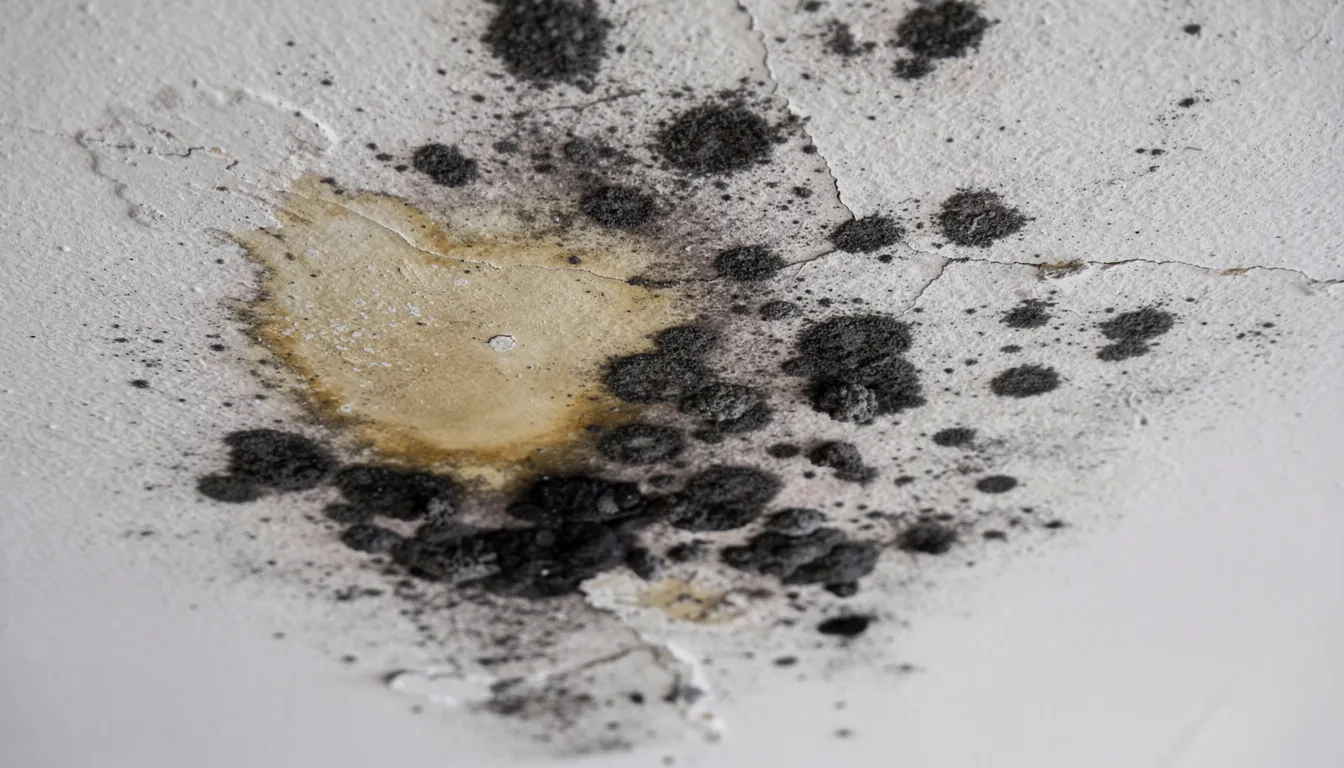
Should You Use a DIY Mold Test Kit?
DIY air quality test kits are widely available but often unreliable. They can’t show the full extent of contamination or whether structural materials like drywall and insulation are affected. False negatives are common, and false positives can cause unnecessary panic.
For these situations, professional assessment is strongly recommended:
Repeated symptoms that seem connected to specific indoor environments
Large visible mold growth (over approximately 10 square feet)
Suspected hidden mold behind walls or under flooring
Properties with a history of water damage or flooding
Commercial properties where occupant health is at stake
A certified mold remediation company like T.A.C.T. North Atlanta can accurately assess contamination levels, identify moisture sources, and develop a comprehensive remediation plan.
Preventing Mold-Related Headaches in North Atlanta Homes and Businesses
Stopping moisture at the source is the most effective way to prevent mold growth and the headaches that come with it. Georgia’s humid climate means North Atlanta homeowners and business owners need to be especially vigilant.
Humidity Control
Indoor humidity is your primary battleground:
Keep indoor humidity levels between 30–50% using dehumidifiers, especially in basements and crawl spaces during humid Georgia summers
Use air conditioning during hot, humid months to reduce moisture
Monitor humidity with inexpensive hygrometers in problem areas
Empty dehumidifier reservoirs regularly or connect to a drain
Proper Ventilation
Good airflow prevents moisture from accumulating:
Run exhaust fans in bathrooms during and for 30 minutes after showers
Use range hoods when cooking to vent steam outdoors
Ensure clothes dryers vent to the exterior, not into crawl spaces or attics
Open windows when weather permits to improve indoor air quality
Water Damage Response
Fast action prevents mold growth after water events:
Timeframe | Action Required |
|---|---|
0–24 hours | Extract standing water and begin drying |
24–48 hours | Remove saturated materials that can’t be dried |
48+ hours | Mold growth begins; professional assessment recommended |
Dry affected areas thoroughly within 24–48 hours after leaks, overflows, or storm-related flooding
Remove and replace water-damaged drywall, carpet, and insulation when they cannot be fully dried
Document damage with photos for insurance purposes
Building Maintenance
Regular maintenance catches problems early:
Clean gutters at least twice yearly and ensure downspouts move water away from foundations
Check roof flashing, windows, and exterior doors for gaps that let rain in
Inspect under sinks, behind refrigerators, around water heaters, and in attics for signs of leaks
Address condensation on pipes by insulating them
Periodic Inspections
For property managers and commercial facility owners:
Schedule periodic inspections of high-risk areas including commercial kitchens, locker rooms, and mechanical rooms
Document any water events and remediation efforts
Consider adding mold prevention language to maintenance protocols
Train staff to recognize and report signs of water intrusion or mold growth
Maintaining a healthy living environment requires ongoing attention, but the investment pays dividends in avoided health problems and property damage.
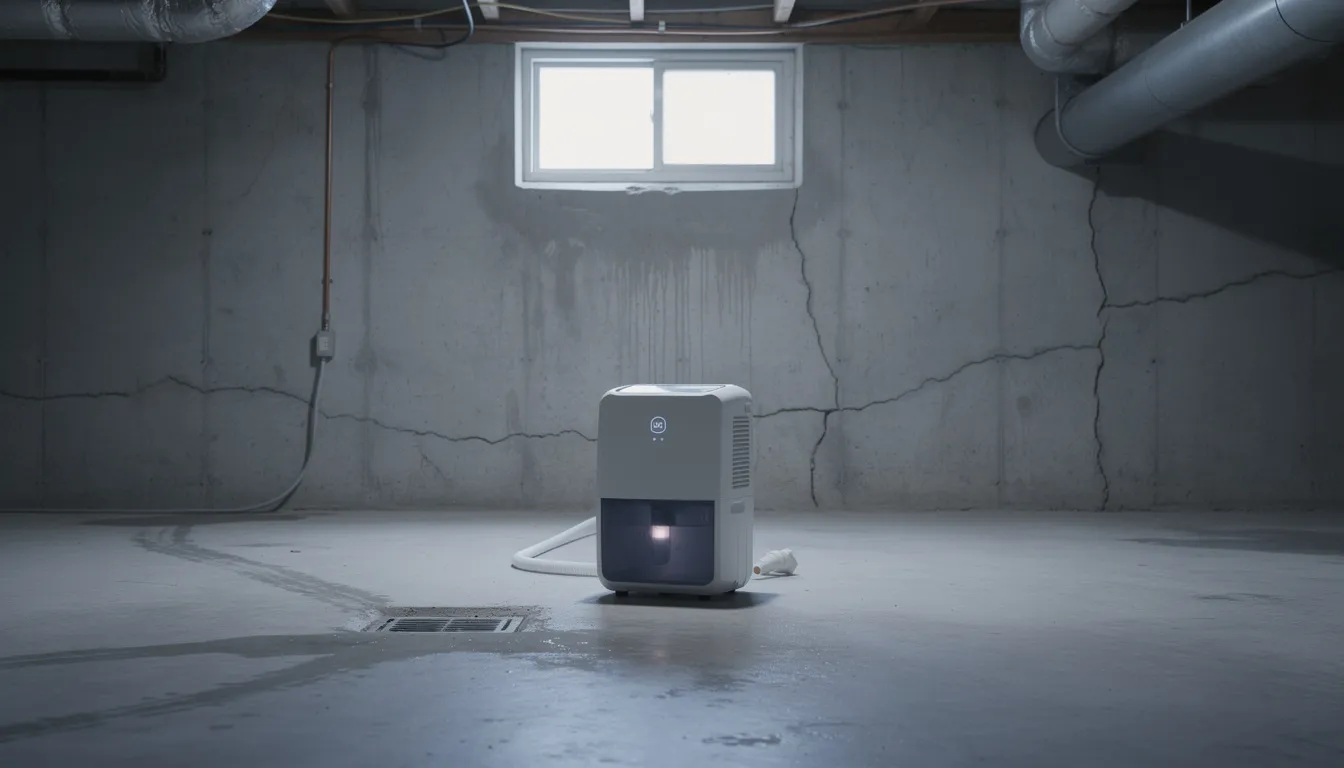
How T.A.C.T. North Atlanta Safely Handles Mold That’s Making You Sick
When headaches, respiratory issues, and other symptoms point to a mold problem, you need professionals who understand both the health risks and the technical challenges of proper remediation. T.A.C.T. North Atlanta is a locally owned, 24/7 biohazard and environmental remediation company serving homeowners, landlords, and commercial properties throughout the North Atlanta area.
The Professional Mold Remediation Process
Our certified technicians follow a systematic approach to ensure complete and safe mold removal:
Initial Inspection
Locate both visible and hidden mold throughout the property
Identify moisture sources (roof leaks, plumbing failures, HVAC condensation)
Assess the extent of contamination in structural materials
Document findings and develop a customized remediation plan
Containment
Establish physical barriers using plastic sheeting to isolate affected areas
Deploy negative air machines with HEPA filtration to prevent mold spores from spreading
Create controlled work zones that protect unaffected areas of your home or business
Safe Removal and Cleaning
Remove contaminated materials including affected drywall, carpet, insulation, and organic materials
Clean salvageable surfaces with professional-grade equipment and EPA-registered disinfectants
HEPA vacuum all surfaces to capture remaining microscopic spores
Dispose of contaminated materials according to local regulations
Drying and Prevention
Thoroughly dry all affected areas using commercial dehumidifiers and air movers
Address underlying moisture problems to prevent mold from returning
Provide recommendations for ongoing moisture control and proper ventilation
Verify successful remediation through post-cleanup inspection
Why Choose T.A.C.T. North Atlanta
Our team brings specialized expertise to every mold remediation project:
24/7 emergency availability for urgent situations when water damage occurs
Certified technicians trained in both biohazard cleanup and mold remediation
Discreet service that respects your privacy and minimizes disruption
Insurance coordination to help navigate the claims process
Comprehensive services beyond mold, including water damage restoration, odor removal, hoarding cleanup, and trauma scene remediation
Mold remediation is just one part of our broader commitment to restoring homes and businesses to safe, livable spaces. When properties have multiple overlapping issues—such as water damage leading to mold, or hoarding situations with hidden moisture problems—our team can address everything comprehensively.
Take Action for Your Health
Recurring headaches in a damp or musty property aren’t something you should ignore. They’re your body telling you that something is wrong with your environment. Whether you’ve spotted visible mold, noticed persistent musty odors, or simply can’t shake symptoms that worsen when you’re home, professional assessment is the first step toward relief.
Contact T.A.C.T. North Atlanta for a professional evaluation of your property. We serve residential and commercial clients throughout Fulton, Cobb, and surrounding counties, and we’re ready to help you identify and eliminate the mold that’s affecting your health.
Don’t wait for health complications to escalate. Call T.A.C.T. North Atlanta today and take the first step toward breathing easier in your own home or business.


Latest news