Emergency clean up services
Emergency Clean Up Services
Emergency Clean Up Services
Fast Emergency Cleanup – Get Help Now
When disaster strikes your home or business, every minute matters. Emergency cleanup services provide immediate response to water damage, fire incidents, storms, and hazardous situations—stabilizing your property before damage escalates. The critical window for effective intervention is measured in hours, not days. Standing water begins destroying structural materials within hours and can trigger mold growth within 24-48 hours if left untreated.
This guide is for homeowners, business owners, and property managers who need to act quickly after a disaster. Understanding emergency cleanup services helps you minimize damage, protect health, and navigate insurance claims efficiently.
Emergency cleanup services are available 24/7 to restore properties to a safe and clean state after incidents like water damage, fire, mold, and biohazard events. These services are designed to address a wide range of emergencies, ensuring that properties are stabilized, hazards are eliminated, and the environment is safe for occupants and workers.
Need immediate help? Call a 24/7 emergency line or submit an online request form for same-day emergency cleanup service.
Professional emergency crews are available 24/7, 365 days a year—including nights, weekends, and holidays—for residential homes, commercial buildings, and industrial facilities. Fast response protects your health, preserves your structure, and prevents insurance claim complications down the road.
Common emergencies handled include:
Burst pipes and supply line failures
Sewer backups and contaminated water intrusion
Fire, smoke, and soot damage
Storm debris and wind damage
Trauma and biohazard scenes
Mold outbreaks and chemical spills
What Are Emergency Clean Up Services?
Emergency cleanup services are rapid-response mitigation and cleaning performed immediately after unexpected events like floods, fires, storms, chemical spills, or biohazard incidents. Emergency cleanup services aim to restore properties to a safe and clean state after damage occurs. Key services include water damage restoration, fire and smoke remediation, biohazard and trauma cleanup, mold remediation, sewage backup cleaning, gross filth and hoarding cleanup, and chemical spills and hazardous material removal. The primary goal is to stabilize the property, eliminate immediate hazards, and prepare the site for full restoration and reconstruction.
The distinction between emergency cleanup (first 24-72 hours) and longer-term damage restoration (weeks to months) is critical. Emergency response focuses on stopping further damage, while restoration services handle complete repair and returning the property to its pre-loss condition. Emergency cleanup services are the first step in the overall restoration process, ensuring that the environment is safe and ready for comprehensive repairs.
Professional emergency cleanup covers:
Water intrusion from any source
Smoke and soot contamination
Mold and microbial outbreaks
Hazardous material releases
Trauma and crime scene cleanup
Structural stabilization and debris removal
Types of Emergency Clean Up Situations We Handle
Emergencies affect residential, commercial, industrial, and government properties differently, but all require a coordinated response from certified professionals with specialized equipment.
Major categories include:
Water and flood emergencies: Burst pipes, failed water heaters, overflowing toilets, roof leaks, river flooding
Fire and smoke incidents: Kitchen fires, electrical fires, structure fires spreading soot through HVAC systems
Mold and microbial contamination: Post-flood mold growth, hidden moisture causing mildew behind walls
Storm and wind damage: Fallen trees, roof damage, flooded basements, broken windows
Hazardous materials spills: Chemical releases, industrial accidents requiring containment and disposal
Trauma and biohazard scenes: Crime scenes, accidents, unattended deaths requiring specialized remediation that follows an essential guide to trauma scene cleanup
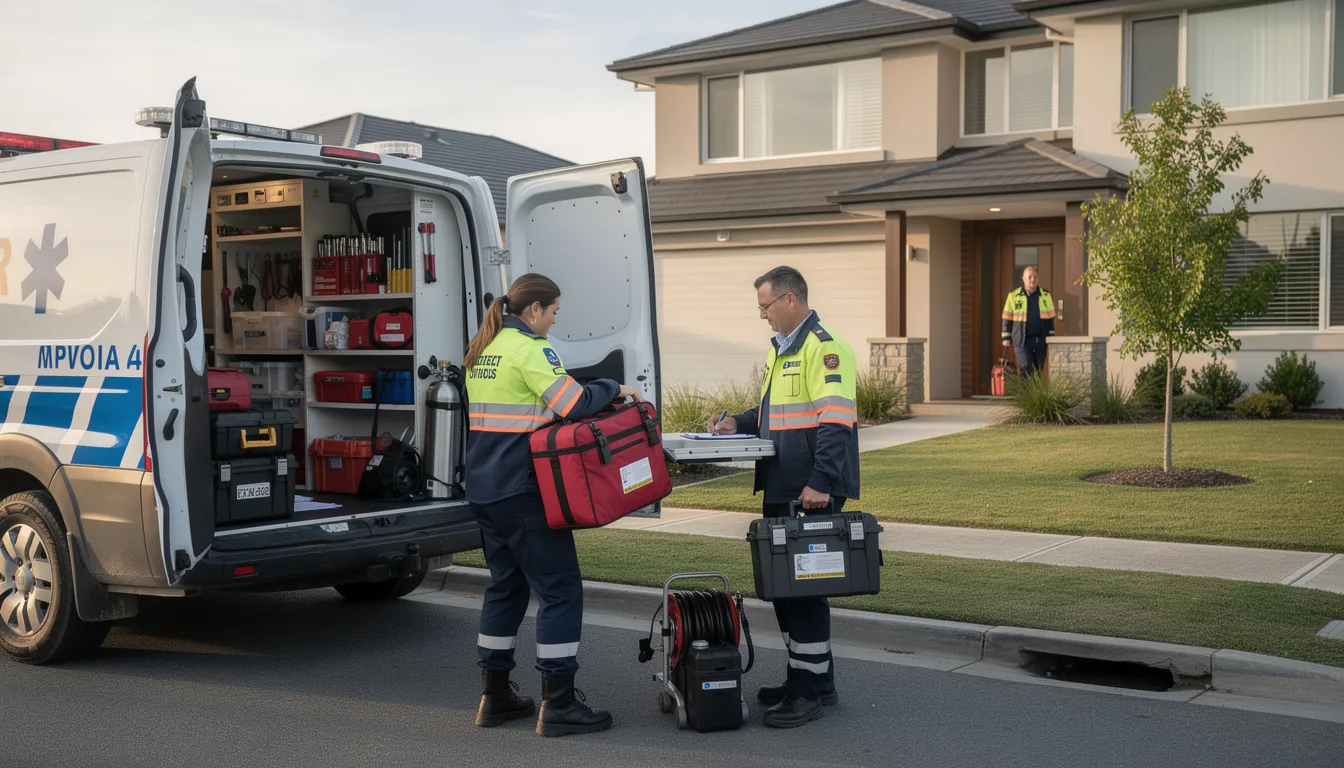
Trained technicians arrive on site with equipment tailored to each incident type—pumps, negative air machines, HEPA vacuums, absorbent materials, deodorizers, and appropriate PPE.
Water Damage & Flood Emergency Clean Up
Standing water starts damaging drywall, flooring, and electrical systems within hours. Without proper water extraction and drying, mold growth can begin within 24-48 hours, creating additional health hazards and increasing repair costs significantly.
Emergency water damage scenarios include burst supply lines, failed water heaters, overflowing toilets, storm-driven roof leaks, and flood waters affecting basements and ground floors.
The typical emergency water damage restoration process:
Safety assessment and water source shut-off
Water extraction using commercial-grade pumps and wet/dry vacuums
Removal of saturated materials that cannot be effectively dried
Placement of commercial dehumidifiers and air movers for extraction drying
Daily moisture monitoring using moisture meters and infrared cameras
Controlled demolition (flood cuts) to prevent hidden moisture and future mold
Fire, Smoke & Soot Emergency Clean Up
Even small kitchen fires can spread smoke throughout an entire structure, contaminating walls, ceilings, HVAC systems, and personal belongings far beyond the fire’s origin point. Smoke residue contains acidic compounds that, if untreated, bond permanently to surfaces.
Initial emergency tasks include:
Securing the property with board-up of windows and roof tarps
Removing charred debris safely
Setting up air scrubbers to prevent smoke migration
Isolating unaffected areas with plastic sheeting
Different smoke types—wet smoke, dry smoke, and protein residues—each require specific cleaning methods. Odor removal may involve thermal fogging, ozone treatment, or hydroxyl generators to restore indoor air quality and protect salvageable belongings.
Mold, Biohazard & Hazardous Material Clean Up
Some emergencies create invisible or toxic hazards requiring licensed specialist teams, strict protocols, and regulatory compliance to protect health and safety.
Mold emergency cleanup involves containment with plastic barriers, negative air pressure, HEPA filtration, removal of contaminated materials, and application of antimicrobial treatments, often performed by specialized bioremediation and forensic cleaning professionals.
Biohazard and trauma scene cleanup requires bloodborne pathogen control, safe removal and disposal of biological materials, and thorough disinfection following OSHA and local health regulations, making professional biohazard cleaning services, an in-depth complete guide to professional biohazard cleanup, an essential guide to crime scene cleanup training, a guide to a career in biohazard cleanup, and detailed instructions on how to clean up blood spills safely essential resources for safety and compliance.
Hazardous material spills demand identification of substances, isolation of the affected area, neutralization or encapsulation, and transport to approved disposal facilities, all guided by proven hazmat cleaning techniques.
All work requires appropriate PPE, certifications, and adherence to regulatory standards, and is typically followed by a structured property restoration process to return the building to pre-loss condition.
Storm, Wind & Structural Damage Clean Up
Severe weather patterns—spring thunderstorms, late-summer hurricanes, winter ice storms—cause significant structural damage requiring immediate response.
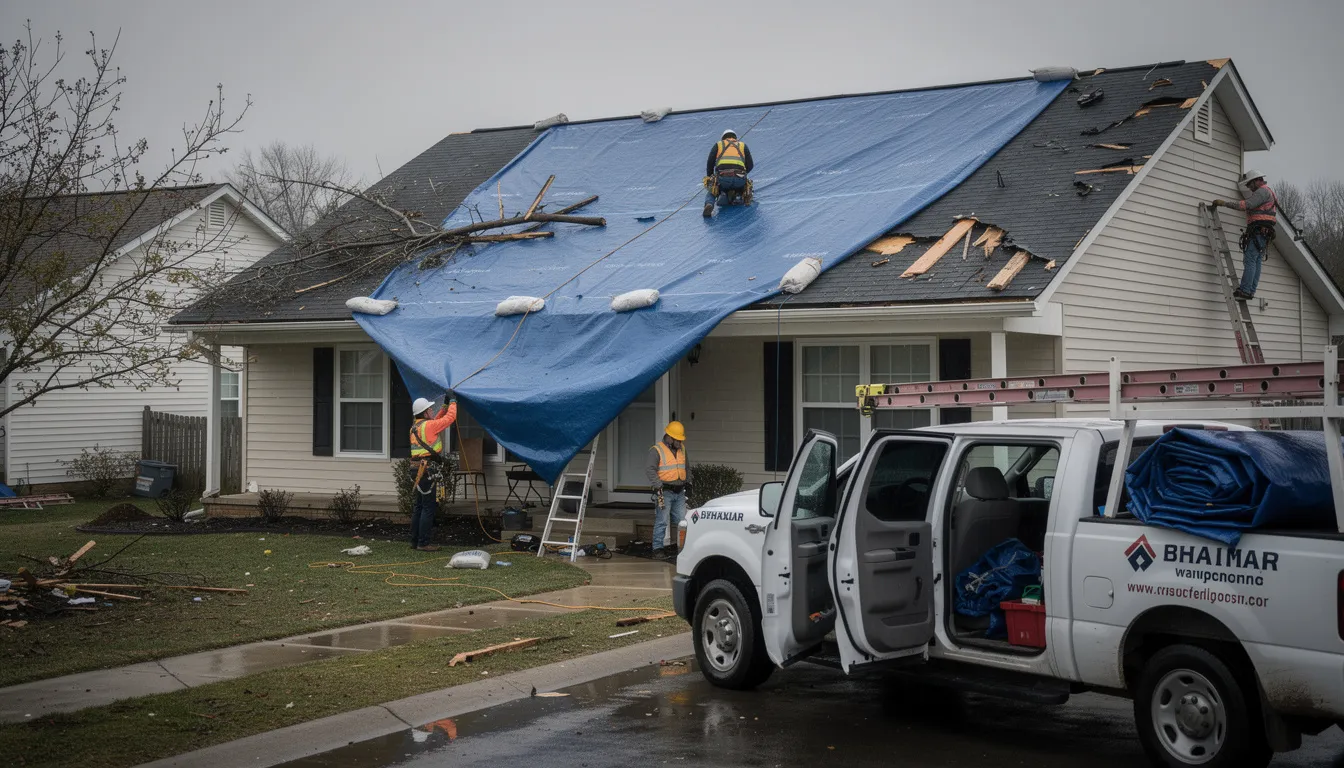
Emergency actions within the first 24 hours:
Tree and debris removal from structures and property
Roof tarping to prevent ongoing water intrusion
Temporary shoring of damaged walls or roofs
Pumping flooded crawlspaces and basements
Coordination with utility providers when power lines are down
Safety checks before entering compromised buildings
Quick board-up and tarping reduces further damage from weather, vandalism, and wildlife entry.
Our 24/7 Emergency Response Process
A consistent, step-by-step response process ensures predictable results and helps property owners understand what to expect when they contact emergency services.
Response stages:
Initial emergency call and rapid dispatch
On site arrival within 60-90 minutes for local calls
Safety assessment and hazard identification
Immediate mitigation actions to prevent further damage
Detailed documentation with digital photos and moisture reports
Communication with insurers and adjusters
Planning for complete restoration and reconstruction
Transparent communication remains a top priority throughout—regular updates, clear explanations of what can be cleaned versus replaced, and coordination with your insurance company.
Choosing an Emergency Clean Up Company
Selecting the right emergency cleanup provider in the first hours after an incident affects cost, timelines, and final results significantly.
Key selection criteria:
True 24/7 availability (test by calling at odd hours)
Proven rapid response times from verifiable customers
Certifications such as IICRC demonstrating professional training
Experience with your specific type of loss
Positive local reviews and references
Ability to handle both emergency mitigation and full reconstruction
Direct coordination with insurance adjusters
Industry-standard estimating software for affordable pricing and transparency
Insurance, Documentation & Payment Options
Proper documentation during emergency cleanup simplifies claims, reduces disputes, and speeds up reimbursement for your business or home.
Documentation you should expect:
Photos before, during, and after cleanup
Inventory of damaged and salvaged items
Moisture readings and drying logs
Written scope of work describing all services
Professional cleanup companies often communicate directly with insurers, helping with claim numbers, adjuster meetings, and coverage questions. Flexible payment solutions—including financing or monthly payment options where available—can help cover deductibles or non-covered work, which is especially valuable for specialized services like biohazard cleanup in Atlanta.
How to Respond Before the Cleanup Crew Arrives
Prioritize personal safety above all else. Only perform steps that do not put anyone at risk.
Safe actions to consider:
Shut off main water supply after a pipe break
Avoid electrical sources in standing water
Evacuate during strong smoke or chemical odors
Move documents, electronics, and heirlooms away from affected areas if safe
Avoid these common mistakes:
Using household vacuums on flood water
Scrubbing soot into walls (embeds residue permanently)
Entering structurally compromised rooms
Why Professional Emergency Clean Up Matters
DIY emergency cleanup often misses hidden moisture behind walls, leaves incomplete disinfection, and fails to address compromised structural elements. The long-term consequences include mold infestations, lingering smoke odors, weakened framing, corroded electrical components, and potential insurance complications.
Certified technicians follow industry standards, deploy commercial-grade equipment, and understand building systems—leading to safer, more thorough recovery. Professional crews also reduce emotional burden by managing logistics, documentation, and coordination with other trades, allowing you to focus on your employees, family, and normal life.
Your satisfaction and complete property recovery depend on expert response. When you need support after an emergency, contact certified professionals who demonstrate commitment to rapid response and thorough restoration. Every minute counts—reach out at the first sign of trouble.


Latest news