
Remove Mold: Safe DIY methods, professional option & prevention (2026 Guide)

Remove Mold: Safe DIY Methods, Professional Options & Prevention (2026 Guide)
Discovering mold in your home can feel overwhelming, but understanding when you can tackle it yourself and when to call professionals makes all the difference. This guide is for North Atlanta homeowners concerned about mold in their homes. Mold can cause health problems and property damage if not addressed promptly. This guide covers everything North Atlanta homeowners need to know about mold removal—from effective DIY cleaning solutions to professional remediation and long-term prevention strategies.
Key Takeaways
Small surface mold under 10 square feet on non porous surfaces can often be cleaned safely by homeowners, but larger infestations or hidden mold in walls, HVAC systems, or after floods typically requires professional mold remediation. A "small area" is defined as less than 10 square feet (about the size of a standard bath towel); anything larger should be handled by professionals.
The most effective mold-killing products include white vinegar, hydrogen peroxide, borax, baking soda, and commercial mold remover options—each works best on specific surface types and situations.
Moisture control through fixing leaks, using a dehumidifier, and improving ventilation is the only way to permanently remove mold and prevent future mold growth from returning.
T.A.C.T. North Atlanta offers 24/7 professional mold remediation for homes and businesses, especially critical when mold covers more than 10 square feet or appears in HVAC systems, inside walls, or after water damage events.
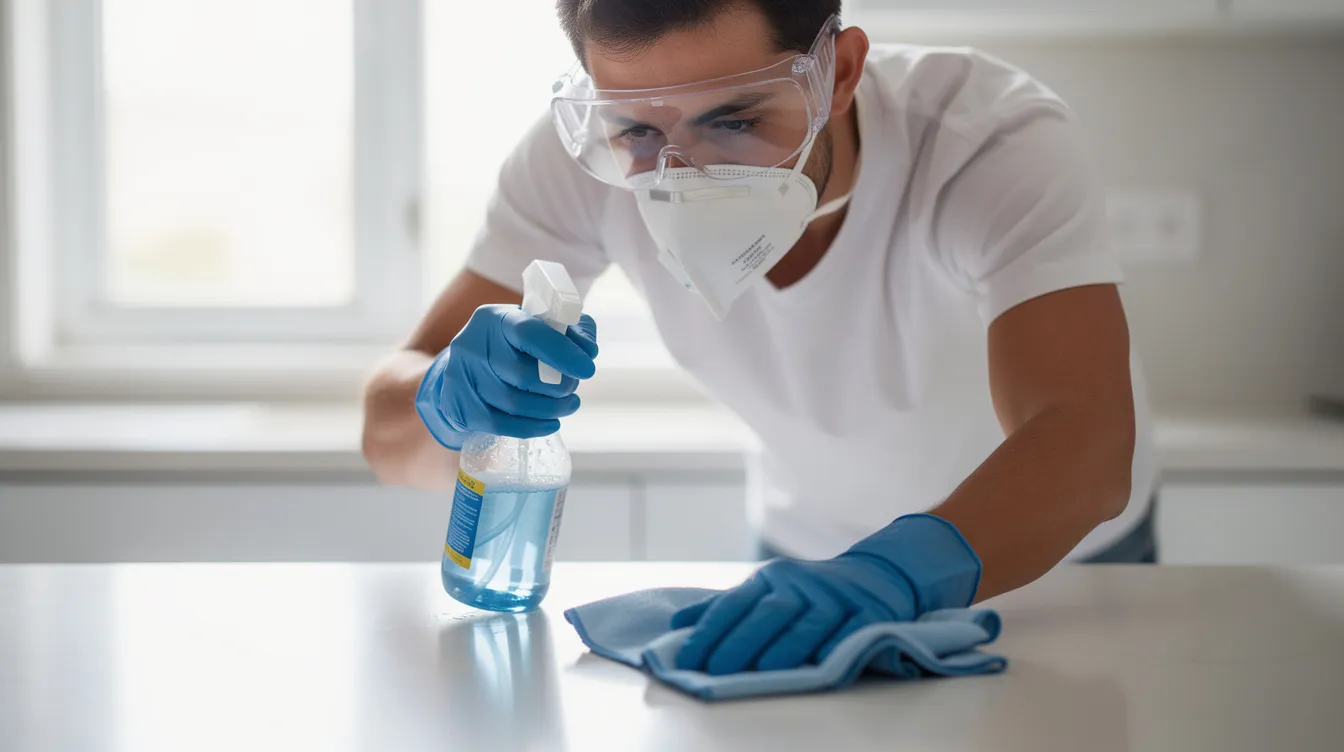
Always wear proper PPE including an N95 respirator, rubber gloves, and eye protection when cleaning mold, and never mix bleach with ammonia or other cleaning products—this combination creates toxic fumes that can cause serious health problems.
What Professionals Use to Remove Mold
Certified professional mold remediators don’t rely on a single product or method. Instead, they combine moisture diagnostics, physical containment, specialized cleaning agents, and advanced air filtration to ensure thorough removal without spreading mold spores throughout your property.
Professional-grade tools and methods include:
HEPA vacuums capturing 99.97% of particles down to 0.3 microns
Negative air machines creating controlled pressure to contain spores
Air scrubbers cycling 500 CFM through HEPA filtration
Dry-ice blasting at -109°F for structural wood without abrasion damage
Antimicrobial coatings applied to cleaned surfaces
Pros typically use EPA-registered fungicides, quaternary ammonium compounds, and hydrogen peroxide-based cleaners designed to work without leaving harsh residues. On porous materials like framing and subfloors, professionals often remove and dispose of heavily contaminated materials rather than just surface cleaning, following IICRC S520 standards.
T.A.C.T. North Atlanta technicians are trained to select products appropriate for occupied homes, medical facilities, and sensitive environments where harsh chemicals aren’t suitable, drawing on our broader mold remediation and inspection services in North Atlanta.
Before You Try to Remove Mold
Finding and eliminating the moisture source matters more than choosing the right cleaning solution. Without addressing the water problem, any mold problem will return within weeks.
Common moisture sources in North Atlanta homes include plumbing-related issues that often require coordinated plumbing and mold remediation services:
Roof leaks after spring storms
Slow plumbing leaks behind kitchen sinks or in walls
Unvented bathrooms in older townhouses
Wet basements and crawlspaces with poor drainage
HVAC condensation from clogged drain pans
Understanding the “mold triangle” helps explain why mold grows: it needs moisture above 60% relative humidity, an organic food source like drywall or wood, and warm temperatures between 77-86°F. Georgia’s humid climate, averaging 70-80% humidity from April through October, provides ideal conditions for mold growth much of the year.
If you see visible mold, inspect adjacent areas—behind baseboards, under carpet, inside cabinets—especially after water events like washing machine overflows or flooded basements, when prompt water damage restoration in North Atlantacan prevent a small issue from becoming a major mold problem.
Do NOT attempt DIY mold removal if:
The affected area exceeds roughly 10 square feet
You detect a strong musty odor without a visible source
Mold is linked to sewage, floodwater, or an unattended death scene
In these cases, contact T.A.C.T. North Atlanta for professional assessment.
Should You Test Mold Before Removal?
For most homeowners, visible mold or a persistent musty odor provides enough evidence that remediation is needed. Species identification rarely changes the cleanup approach.
Testing may make sense when:
Legal disputes arise between tenants and landlords
Pre-purchase inspections for commercial buildings require documentation
Repeated unexplained health complaints occur in properties with hidden moisture
DIY test kits sold online or at hardware stores have significant limitations. They often produce false positives from ubiquitous spores that exist everywhere, lack context about moisture conditions, and can’t quantify whether spore counts pose actual risks. Mold spores averaging 1,000-10,000 per cubic meter are normal in any indoor environment.
Invest first in a thorough inspection examining moisture sources rather than spending $30-50 on lab analysis that won’t change your cleanup steps. When professional testing is genuinely needed, hire a third-party industrial hygienist or indoor air quality consultant for sampling, or consider specialized indoor air quality testing in Atlanta, with remediation performed by a separate company like T.A.C.T. North Atlanta to avoid conflicts of interest.
How to Remove Mold Yourself (Small Areas)
This section covers limited mold growth under 10 square feet on non porous surfaces or lightly porous surfaces—think bathroom ceilings, tile grout, or window frames.
Required Safety Gear
N95 or better respirator filtering 95% of spores
Nitrile or rubber gloves
Eye protection or goggles
Old clothing you can wash immediately or discard
Personal protective equipment (PPE) is vital during mold cleaning to protect against exposure to spores and other harmful elements. Keep children and pets out of the work zone during the entire cleaning process.
Step-by-Step Process
Isolate the area by closing doors and covering nearby vents with plastic sheeting
Improve ventilation to outdoors using a window fan exhausting air
Avoid dry brushing or vacuuming without HEPA filtration—this spreads spores
DIY Cleaning Solutions
White vinegar (undiluted):
Application: Spray directly onto the moldy surface and leave for 30-60 minutes before wiping clean.
Best for: Bathroom tile, painted walls.
3% hydrogen peroxide:
Application: Apply foam onto the affected area, let it sit for 10 minutes, then wipe away.
Best for: Shower doors, caulk, hard surfaces.
Borax solution (one cup per gallon warm water):
Application: Scrub the moldy area with a sponge or scrub brush soaked in the solution.
Best for: Walls needing residual protection.
Baking soda paste:
Application: Apply the paste to mold stains, scrub gently, and rinse thoroughly.
Best for: Grout, odor absorption.
Chlorine bleach (use with caution):
Application: Use only on hard, non-porous surfaces like ceramic tile or glass. Ensure excellent ventilation and never mix with ammonia or acids.
Best for: Hard surfaces such as tile and glass. Note: Bleach penetrates less than 1/16 inch into porous materials, leaving most mold intact in drywall or wood.
After cleaning, bag used rags and disposable PPE. Wipe the work area with a damp cloth rather than sweeping to avoid dispersing spores. Open windows for fresh air circulation and monitor moldy areas for several weeks to ensure mold does not return.
Removing Mold From Different Surfaces
Different materials require tailored approaches rather than one-size-fits-all methods.
Drywall and Painted Walls
If drywall is soft, crumbling, or visibly damaged from moisture content exceeding 16%, cut out and replace the affected sections. Remove small sections carefully with the area sealed off, bagging materials in 6-mil plastic. For surface mold on intact drywall, clean with vinegar or borax solution and allow to dry completely.
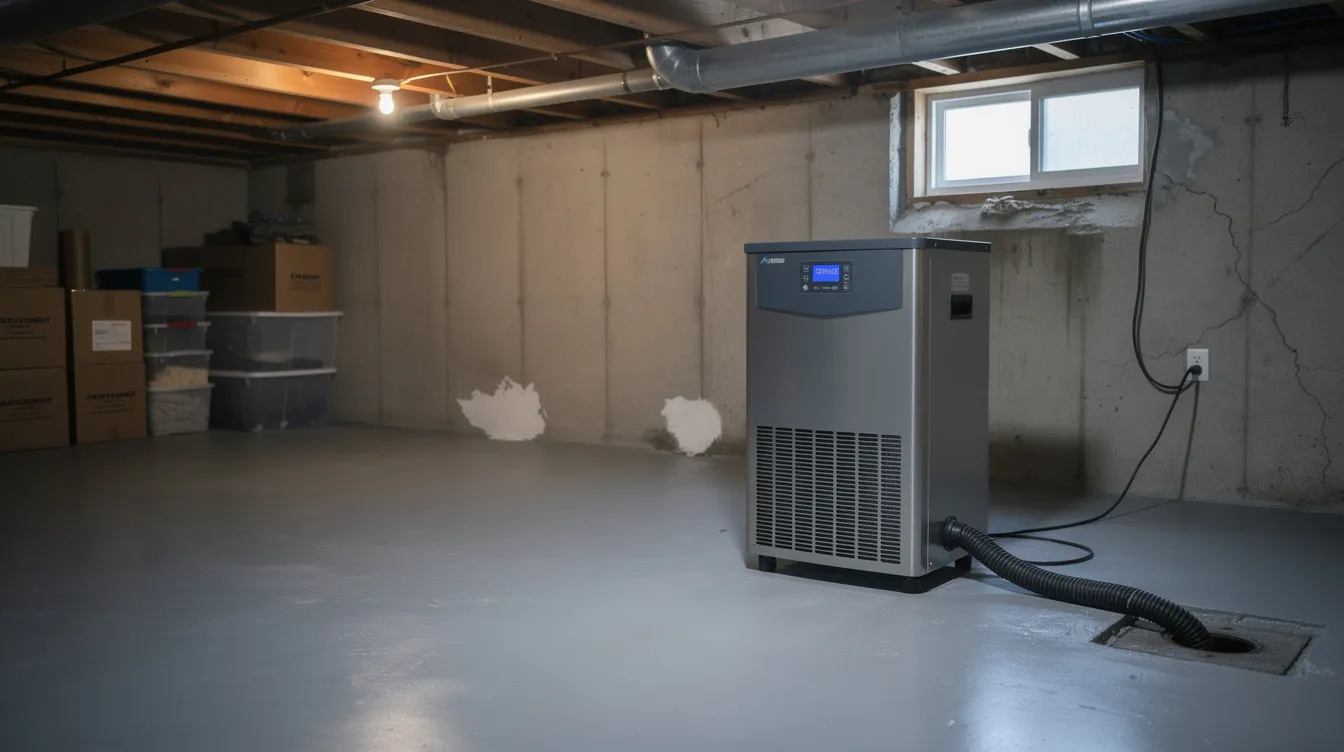
Concrete Walls and Floors
Common in North Atlanta basements and garages, concrete requires careful treatment, and larger contaminated areas may benefit from professional mold remediation services in Woodstock, GA:
Scrubbing with mold-specific cleaner or borax cleaning solution
Thorough rinsing with clean water
Full drying with fans and dehumidifier
Applying masonry sealer or mold-resistant coating
This approach reduces recurrence by up to 80% in humid climates.
Wood Framing and Subfloors
For structurally sound wood:
HEPA vacuuming to remove dead mold and spores
Light sanding where appropriate
Application of professional-grade antimicrobial or peroxide-based cleaner
Heavy structural contamination may require professional dry-ice blasting.
Soft Materials
Carpet, padding, and upholstered furniture harboring more than 48 hours of moisture typically need disposal in sealed bags. Spores infiltrate fibers and backing, making thorough removal impossible.
HVAC Systems
If you notice visible mold or musty odors when the AC runs, don’t attempt DIY cleaning inside ductwork. HVAC mold affects approximately 30% of systems and requires professional evaluation following NADCA standards and comprehensive T.A.C.T. North Atlanta mold remediation.
What Actually Kills Mold? (Product Comparison)
Cleaning visible growth and killing mold spores are separate goals. Most effective methods require physical removal plus a biocide or naturally antimicrobial product.
Product | Effectiveness | Best Use | Limitations |
|---|---|---|---|
Chlorine bleach | Fast surface kill | Tile, grout, glass | Strong fumes, ineffective on porous materials |
White vinegar | 82% of species | Various surfaces, eco-friendly | Lingering odor |
Hydrogen peroxide | Good lift and kill | Bathrooms, kitchens, laundry | Test on colored surfaces first |
Borax | Cleans + residual protection | Walls, wood | Requires thorough rinsing |
Baking soda | Mild cleaner/deodorizer | Grout, spot treatment | Best combined with other agents |
Less common natural options like tea tree oil and grapefruit seed extract offer strong antifungal properties at 90% effectiveness but cost significantly more—roughly 10x vinegar prices. They’re suitable for small, localized problems and safer alternatives for sensitive individuals. |
|
|
|
Critical point: dead mold spores still trigger allergies and can cause chronic obstructive pulmonary disease exacerbation in sensitive individuals. Wiping with a damp cloth, HEPA vacuuming, and proper disposal are essential after any treatment. Never combine chemicals unless labels explicitly allow it—bleach mixed with ammonia creates chloramine gas, a pulmonary toxin. |
|
|
|
When to Call a Professional Mold Remediation Company
DIY approaches work only for minor mold issues. Large, chronic, or complex problems need expert intervention for safety and long-term success.
Contact professional mold remediators like T.A.C.T. North Atlanta when:
Mold covers an area larger than a standard sheet of plywood (32+ square feet)
Mold returns after repeated cleanings
Growth appears in attics, crawlspaces, or inside walls
Mold follows sewage backups or floodwater
Strong musty odors persist without visible source
Professionals create containment with plastic sheeting and negative air machines, use HEPA filtration protecting the rest of the building, and follow clear protocols for thorough removal and clearance verification.
T.A.C.T. North Atlanta provides 24/7 emergency response, coordinates with insurers after water damage or fire and smoke damage restoration in North Atlanta, employs certified technicians, and offers discreet service for both residences and commercial properties.
Businesses including healthcare facilities, restaurants, and multifamily housing should especially avoid DIY due to liability concerns, indoor air quality standards, and occupant health risks, and may require discreet 24/7 emergency biohazard cleanup in Atlanta when mold is associated with trauma or hazardous contaminants. The Environmental Protection Agency recommends professional remediation for commercial properties and any mold linked to contaminated water.
How to Prevent Mold After You Remove It
Successful mold removal becomes permanent only when moisture and humidity stay controlled long-term.
Humidity Targets
Keep indoor relative humidity under 50-55% in North Atlanta’s climate using dehumidifiers and air conditioning, especially from April through October when outdoor humidity reaches 70-80%.
Response Timeline
Fix leaks within 24-48 hours. Mold can begin growing on damp drywall, carpet, or wood within this window if materials aren’t thoroughly dried. Use fans and dehumidifiers—not just towels or open windows.
Ventilation Improvements
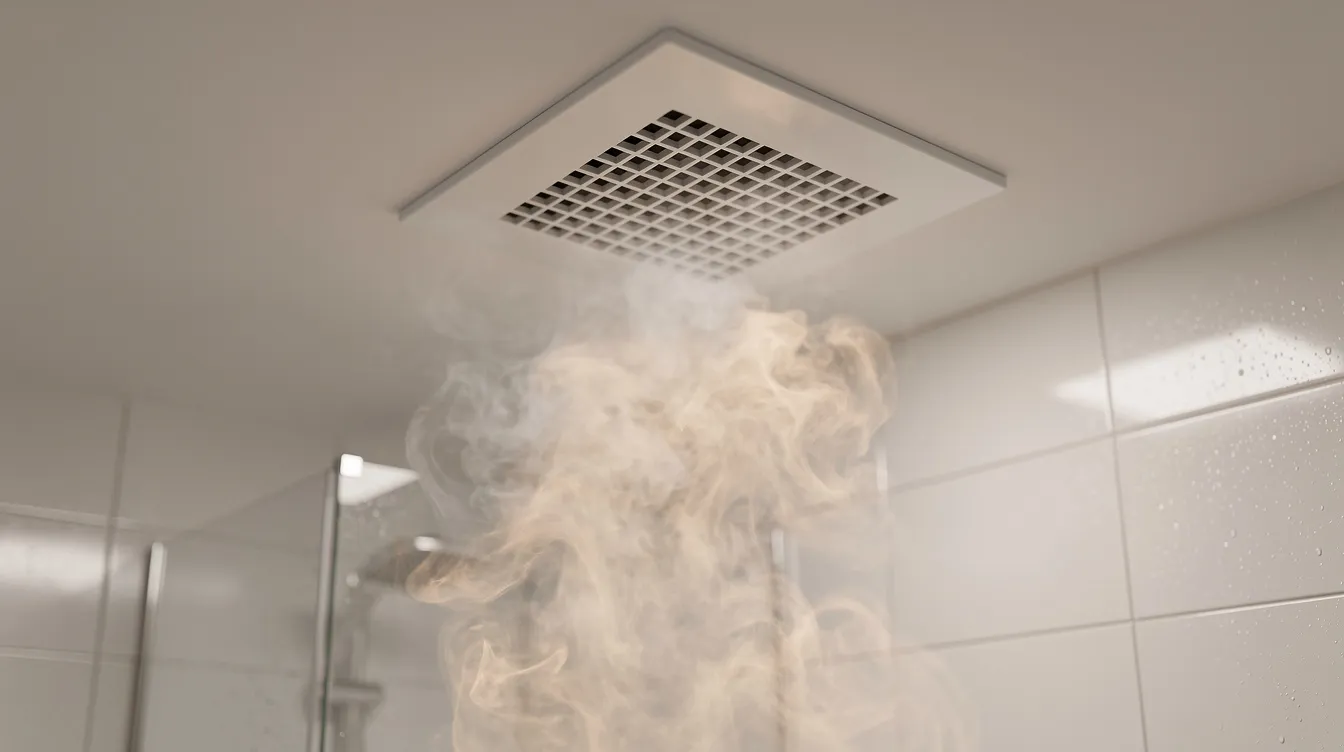
Install exhaust fans in bathrooms and kitchens vented directly outdoors
Open windows on low-humidity days to circulate fresh air
Ensure clothes dryers vent properly outside (80% of cases involve unvented dryers)
Building Upgrades for High-Risk Areas
Mold-resistant drywall in bathrooms
Moisture-barrier paint in basements
Regular cleaning of condensation-prone windows and HVAC drain pans
Schedule periodic inspections of attics, crawlspaces, and areas behind stored items—especially after storms or extended humid periods. Catching extra moisture early prevents mold from establishing.
Why Choose T.A.C.T. North Atlanta for Mold Removal
T.A.C.T. North Atlanta operates as a specialized remediation company—not a general cleaning service—with extensive experience in mold, biohazards, and water damage restoration.
As a locally owned company serving the North Atlanta area 24/7, we provide rapid response after pipe breaks, roof leaks, or storm flooding that can lead to mold within 24-72 hours.
Our capabilities include:
Full mold remediation following IICRC standards
Moisture and source investigation
Removal and replacement of contaminated building materials
Odor removal for damp areas and musty spaces
Follow-up disinfection for homes and commercial facilities
We coordinate with all major insurance carriers, document damage with photos and reports, and work alongside adjusters during claims processes.
If you see spreading mold, smell persistent musty odors, or have health concerns, contact T.A.C.T. North Atlanta for a thorough inspection and assessment. Professional remediation provides more detailed guidance and results than repeated DIY attempts that don’t address the root cause.
FAQ About Mold Removal
Is it safe to sleep in a room with mold?
Small, isolated mold spots being actively cleaned and dried may present minimal risk, but regularly sleeping in a room with visible mold or a strong musty odor is not recommended. Exposure can cause respiratory irritation, trigger allergies, and worsen conditions like asthma, and some people also experience mold-related headaches and other symptoms.
Relocate sleeping arrangements until moisture issues are fixed and cleanup is complete. This is especially important for children, elderly individuals, and anyone with compromised immune systems who face greater health risks from mold exposure.
How long does professional mold remediation take?
Typical project timelines vary based on scope:
Small projects (bathroom, closet): 1 day
Moderate projects (bedroom, partial basement): 2-4 days
Large projects (whole home, commercial): 1 week or more
Drying time, material replacement including drywall and flooring, and post-remediation verification can extend overall timelines. T.A.C.T. North Atlanta provides accurate estimates after initial assessment.
Will insurance pay to remove mold?
Many standard Georgia homeowner policies cover mold only when resulting directly from a covered water event—like a sudden pipe burst. Long-term humidity or maintenance-related mold is typically excluded.
Review your policy language and contact your insurer promptly after any water incident. T.A.C.T. North Atlanta helps document damage and communicate with adjusters to support your claim.
Can ozone machines or foggers alone remove mold?
While some devices temporarily reduce odors or airborne spores, they don’t physically get rid of mold from surfaces or fix underlying moisture problems. Lab tests show ozone foggers leave approximately 80% of growth intact.
Proper remediation still requires manual cleaning or removal of contaminated materials, followed by drying and moisture control—not just air treatment.
How soon does mold start growing after water damage?
In North Atlanta’s warm, humid climate, mold can begin growing within 24-48 hours on damp drywall, carpet, or wood. Spores multiply exponentially once conditions align, so property owners in nearby communities may need rapid mold removal and remediation in Douglasville, GA.
Start water extraction and drying immediately after any leak, overflow, or flood to prevent mold from establishing. T.A.C.T. North Atlanta offers emergency water and mold services specifically because this timeline is so critical for protecting your property.


Latest news