Hoarding help for families: A practical guide from TACT North Atlanta
Hoarding Help for Families: A Practical Guide from T.A.C.T. North Atlanta
Hoarding disorder is a complex mental health condition recognized in the Diagnostic and Statistical Manual of Mental Disorders. It affects an estimated 2-6% of the population and creates serious challenges for families across North Atlanta. This guide is designed for spouses, adult children, and caregivers who need concrete next steps—not just sympathy.
It is crucial for family members to understand that hoarding disorder is a complex mental health issue, and helping someone goes beyond simply cleaning out their clutter.
Key Takeaways
Hoarding disorder is a recognized mental health condition, not laziness or a simple mess. Forced cleanouts without consent typically damage trust and fail to solve the hoarding problem in the long run.
Families can combine treatment from mental health professionals (including CBT and support groups) with professional cleanup services to restore safety and habitability.
T.A.C.T. North Atlanta provides 24/7, discreet hoarding cleanup and biohazard remediation, works with homeowners’ insurance, and coordinates with therapists and social workers when needed.
This article walks you through recognizing hoarding behavior, protecting health and safety, talking with a loved one, avoiding common mistakes, and knowing when to call for professional support.
Understanding why people hoard helps families shift from blame to empathy—which is essential for meaningful progress.
How Hoarding Disorder Affects Families and Daily Life
Hoarding disorder disrupts every aspect of household life and places significant strain on spouses, children, and caregivers who must navigate both emotional and practical challenges. Kitchens become unusable when counters and appliances disappear under piled food wrappers and expired goods. Bathrooms grow inaccessible for basic hygiene. Children lose bedroom space to clutter, displacing sleep and play areas that are critical for development, which is why many families benefit from comprehensive hoarding support resources for families.
The emotional toll on family members is significant. Spouses and adult children often experience chronic stress from constant negotiation over space, resentment toward their loved one’s perceived inaction, and embarrassment that prevents them from inviting friends over. Decision fatigue sets in after repeated failed cleanup attempts, and many families live with severe anxiety about safety risks.
T.A.C.T. North Atlanta has observed real-world fire hazards from stacked newspapers blocking sprinklers, rodent droppings in pantries carrying diseases like hantavirus, and mold growth under damp piles following Georgia’s humidity spikes. Blocked exits in apartments and townhomes have prompted HOA interventions and fire department visits.
Hoarding strains marriages through spatial conflicts and creates family conflict between adult siblings over caregiving responsibilities for aging parents. Many older adults want to “age in place” but live in unsanitary conditions that make this unsafe. When local authorities—fire departments, code enforcement, landlords—get involved, urgency and stress multiply.

Recognizing Hoarding vs. Normal Clutter
Early recognition helps families act before the home environment becomes unlivable. But it’s important to understand that hoarding issues are more than just being messy or disorganized.
Key warning signs include:
Rooms that can’t be used for their intended purpose
Narrow “goat paths” through stacks of possessions
Items piled higher than waist level on floors or furniture
Severe difficulty discarding even broken, expired, or worthless stuff
Social withdrawal is another critical indicator. The person may stop inviting visitors, cancel holidays at home, or refuse to let repair technicians or inspectors inside. This isolation often stems from shame about the house.
Collectors organize and display their items proudly without blocking living space. Normal clutter is temporary and navigable—the home remains functional. Hoarding, by contrast, blocks essential areas, creates unsanitary living conditions, and causes intense distress over discarding even trash; understanding the difference between poor housekeeping and true hoarding behavior can help families respond appropriately.
Symptoms often worsen gradually over years and may intensify after stressful events like divorce, bereavement, or serious illness. Learning about the different levels of hoarding severity and when to seek help can guide families in deciding when outside intervention becomes necessary.
Why Your Loved One May Be Hoarding
Understanding why someone hoards is essential for families dealing with this challenge. Hoarding disorder is linked to anxiety, past trauma, and distorted beliefs about possessions—it’s not a simple choice to live in a mess.
Hoarding is often rooted in trauma or anxiety and should be approached as a mental health disorder.
Common psychological drivers include:
Fear of making the wrong decision about what to discard
Fear of waste or scarcity (especially in older adults who lived through economic hardship)
Strong sentimental attachment to everyday objects
Perfectionism that paralyzes decision-making (“What if I need it later?”)
Hoarding can be associated with OCD (up to 30% overlap), depression (50% co-occurrence), ADHD, and certain types of dementia. Evaluation by a licensed mental health professional is important to address these mental disorders properly, and specialized services like T.A.C.T. North Atlanta’s hoarding support can complement clinical treatment with practical, on-the-ground assistance.
Consider a widowed parent in Roswell who begins keeping every mail flyer after their spouse’s death. What appears as pointless accumulation may actually represent grief—each flyer a connection to the life they shared. This perspective helps families shift from blame to empathy, which is critical for productive conversations about change.
How to Talk to Someone About Their Hoarding
Conversations about hoarding usually need to happen multiple times over months or years. The goal is to build collaboration, not win an argument.
Effective communication strategies:
Choose calm, private moments—not during a crisis
Focus on safety and health (fire hazards, falls, pests) rather than appearance
Use “I” statements: “I’m worried about you getting hurt” rather than “This mess is disgusting”
Ask open-ended questions: “What makes it hard to let go of these?”
Start with small, concrete proposals—clearing one hallway or one chair
Avoid these common missteps:
Threatening to throw everything out
Issuing ultimatums you can’t or won’t keep
Secretly discarding items behind their back
Research shows that secretly getting rid of possessions reinforces denial and destroys trust. Your loved one may respond by acquiring more possessions or hiding items.
Examining Your Own Role and Setting Boundaries
Family members often feel trapped between wanting to help and feeling overwhelmed. Healthy boundaries protect everyone involved—including you.
Common enabling behaviors to recognize:
Paying for extra storage units (which reinforces acquisition)
Hauling home “bargains” for your loved one
Storing their overflow in your own garage
Constantly rescuing them from financial consequences
Stepping back means declining to fund new storage, refusing to allow unsafe items in shared spaces, and not lying to landlords or HOAs about conditions.
Self-care is essential. Consider therapy for caregivers, local or online support groups for relatives of hoarders, and stress-management strategies. Families may also find value in an effective clutter cleanup guide focused on both emotions and logistics. The International OCD Foundation offers a resource directory and other resources for families.
Agree on clear, realistic boundaries: children’s rooms must remain safe, exits must stay clear. Communicate these limits consistently and calmly.
Focusing on Safety and Harm Reduction First
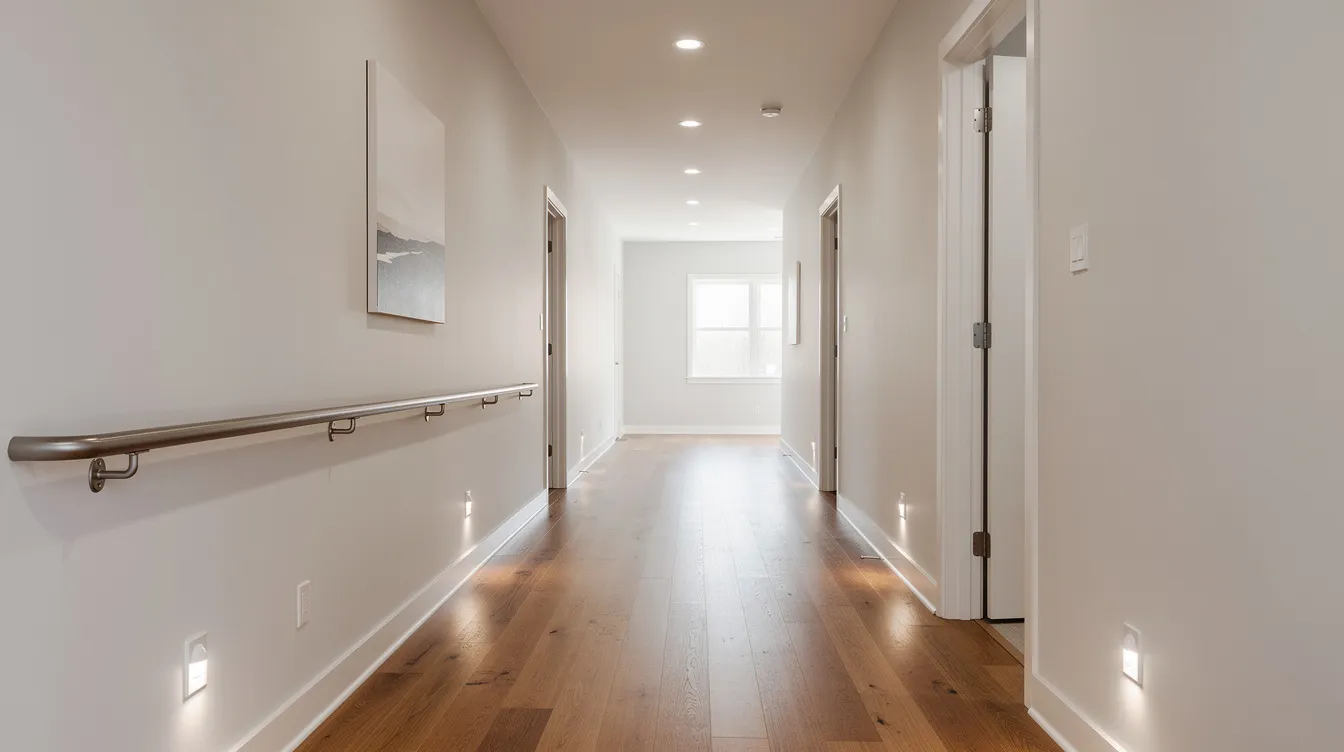
Harm reduction means prioritizing health and safety improvements even if the entire home isn’t immediately decluttered. This approach acknowledges that recovery from hoarding behavior takes time.
Safety priorities to address first:
Clear pathways to all exits (minimum 36 inches wide per fire codes)
Safe access to stove and refrigerator
Accessible bathroom fixtures
Removal of spoiled food, plastic bags with biohazards, and obvious health risks
T.A.C.T. North Atlanta helps families reduce immediate risk through targeted removal of garbage and biohazards, addressing rodent droppings, managing mold patches exposed by clutter, and deodorizing severely affected rooms, while also managing the dangers of cleaning a hoarder’s house without proper precautions.
Frame initial cleanup as a safety project—“Let’s reduce fall risk for Mom”—rather than a total lifestyle overhaul. This approach is often easier for the hoarding individual to accept in the short term.
Use photos cautiously for insurance documentation or code compliance, but avoid public sharing to protect dignity and reduce shame.
Motivating Your Loved One and Supporting Change
Motivation often comes and goes. Progress tends to be slow and nonlinear, with setbacks expected. This is normal for anyone dealing with hoarding.
Effective motivation strategies:
Focus on personally meaningful goals: hosting grandchildren, passing a safety inspection, keeping a pet safely
Break cleanup into very small tasks: one box, one shelf, 15-minute “sorting sprints”
Allow your loved one to decide what stays or goes
Celebrate small wins (reclaiming a chair, clearing a bathroom sink)
Identify acquisition triggers—bargain stores, TV shopping channels, community free piles—and collaborate on strategies to reduce exposure. Encouraging small changes builds confidence over time.
Professional Treatment, Support, and Cleanup Services
Effective hoarding help for families typically combines mental health treatment, peer support, and specialized cleanup services. Each addresses a different part of the problem, and a structured approach to comprehensive hoarding cleanupensures safety while supporting long-term change.
Treatment options include:
Cognitive behavioral therapy (CBT) tailored for hoarding—proven to reduce clutter by 20-30%
Therapists in the Atlanta metro area (Alpharetta, Marietta, Decatur) offering in-home or telehealth sessions
Medication for co-occurring depression, anxiety, or OCD symptoms
Treatment programs designed specifically for hoarding
Support groups provide essential peer connection. Online meetings offer anonymity for those who are embarrassed. The International OCD Foundation maintains directories of local treatment programs and support groups. For hands-on assistance in the region, hoarding cleanup services in North Atlanta from T.A.C.T. offer discreet, compassionate on-site support.
T.A.C.T. North Atlanta offers top-rated hoarding cleanup services in Atlanta, including specialized hoarding cleanup and odor removal for Atlanta homes.
T.A.C.T. North Atlanta provides:
24/7 hoarding cleanup and junk removal
Biohazard remediation (rodent droppings, human waste, sharps)
Odor removal and mold remediation
Coordination with therapists, case managers, and insurance adjusters
Discreet service with unmarked vehicles when possible
Compassionate, client-guided sorting that respects belongings
When and How to Call T.A.C.T. North Atlanta
Call a professional cleanup team when you see:
Visible biohazards or unsanitary conditions
Structural damage from weight or moisture
Strong odors that won’t dissipate
Insect or rodent infestation
Upcoming inspection, sale, or move-out deadline
Prepare for your first call by noting:
Number of rooms involved
Approximate time the problem has existed
Known hazards (needles, animal waste, mold)
Whether you know your homeowners’ insurance carrier
T.A.C.T. North Atlanta’s process includes an initial phone consultation, on-site assessment, transparent estimate, and phased cleanup planning when needed. Family members can be present or off-site during work. Technicians can work alongside the hoarding individual when they’re willing to participate.
T.A.C.T. North Atlanta serves Atlanta, Sandy Springs, Roswell, Alpharetta, Marietta, and surrounding communities with 24/7 availability. The team has extensive experience working after traumatic or sensitive events, treating every client with dignity.

Frequently Asked Questions
Is hoarding cleanup covered by homeowners insurance?
Coverage varies significantly by policy and insurer. Some policies may cover portions of hoarding cleanup when there’s a related covered loss—water damage, mold growth, or biohazard conditions. However, many insurers treat hoarding itself as a maintenance issue rather than a covered peril.
T.A.C.T. North Atlanta regularly works with major insurance carriers in Georgia and can assist families with documenting damage, submitting photos, and communicating with adjusters. Contact your insurance agent with specific questions about your policy, and be prepared to share the duration of the problem and any related hazards.
What if my loved one refuses any help or cleanup?
Adults who are legally competent generally have the right to live how they choose, even in cluttered conditions, unless there’s imminent danger. Rather than pushing for a total cleanout, keep communication open, focus on specific safety concerns, and work on small, mutually agreed-upon projects.
In severe cases involving self-neglect, vulnerable adults, or children at risk, local authorities or adult protective services may need to be consulted. Seek treatment guidance from mental health professionals or legal counsel before taking that step.
How long does a professional hoarding cleanup usually take?
Timelines depend on home size, hoard depth, presence of biohazards, and whether the person is involved in decision-making during sorting. Small apartments may be addressed in 1-2 days. Multi-room homes with severe accumulation often require several days or a phased approach.
T.A.C.T. North Atlanta provides time estimates after an on-site assessment and can prioritize urgent areas like bathrooms or kitchens when time is limited.
Will everything be thrown away during hoarding cleanup?
Ethical hoarding cleanup does not mean indiscriminately discarding everything. T.A.C.T. North Atlanta aims to preserve important documents, sentimental belongings, and functional items whenever possible. Technicians organize items into categories (keep, donate, discard, recycle) with client input.
The goal is creating a safe, livable space while respecting the dignity and preferences of the person who hoards—not simply hauling everything to the trash.
How discreet is a hoarding cleanup in a neighborhood or apartment building?
T.A.C.T. North Atlanta prioritizes privacy, using unmarked or low-profile vehicles when possible and minimizing attention at the property. Items are typically removed in covered containers or sealed bags. Crews are trained to be respectful of neighbors and building staff.
If you have specific privacy concerns, communicate these in advance so the team can plan timing and logistics accordingly. Your dignity matters throughout this process.


Latest news