how to get rid of smoke smell in a house
How to Get Rid Smoke Smell in a House
Walking into a house that reeks of stale smoke is unmistakable. Whether you’ve just purchased a home from previous owners who smoked daily for years, experienced a kitchen fire, or simply hosted guests who lit up indoors, that lingering smell of smoke can feel impossible to eliminate. The good news: with the right approach, you can rid your space of smoke odors completely.
This guide walks you through a proven sequence for smoke odor removal—from emergency ventilation to deep cleaning, HVAC treatment, and knowing when professional services make sense.
Key Takeaways
Removing smoke smell requires addressing both physical residue on surfaces and smoke particles in the air through ventilation and filtration.
Timeline ranges from 1-3 days for light, recent exposure to several weeks for a heavy smoker’s house or post-fire damage.
Follow this sequence: stop indoor smoking, ventilate aggressively, deep clean all surfaces and fabrics, then repaint or replace materials that still hold odor.
Ozone machines and professional fire/smoke remediation are powerful last-step options requiring careful safety protocols.
This guide covers cigarette, cigar, cannabis, and fire smoke with specific strategies for each.
Understanding Why Smoke Smell Lingers
Smoke odor persists because smoke molecules and tar don’t just float in the air—they embed into porous materials. Drywall, ceiling texture, carpeting, upholstery, and HVAC dust all trap these microscopic particles deeply within their surfaces.
The difference between light smoke exposure and chronic contamination matters significantly. A single evening of guests smoking creates mostly airborne particles that respond quickly to ventilation. A house smoked in daily for 10+ years accumulates layers of nicotine and tar forming a sticky residue on walls, ceilings, windows, and inside air ducts. This film constitutes a continuous source of off-gassing—slowly releasing odor molecules over months or years.
There’s no single magic spray for complete smoke odor removal. Success requires combining ventilation, thorough cleaning, odor absorption, and in severe cases, sealing with primers or replacing materials entirely, especially once you understand how cigarette smoke damage affects a house and its air quality.
Step 1: Stop the Source and Do a Fast First Pass
No remediation method succeeds if indoor smoking continues, even occasionally. Day one means removing every ashtray, lighter, and indoor smoking station from living areas.
Immediate actions:
Dispose of obviously contaminated cheap items: old throw pillows, decades-old curtains, cardboard boxes, and paper clutter saturated with smoke
Run a powerful vacuum over floors to remove loose particles
Wipe visible yellow-brown residue from glass and countertops with distilled white vinegar solution
This triage cleaning takes 2-4 hours and creates psychological momentum for deeper work ahead.
Step 2: Ventilate the House Thoroughly
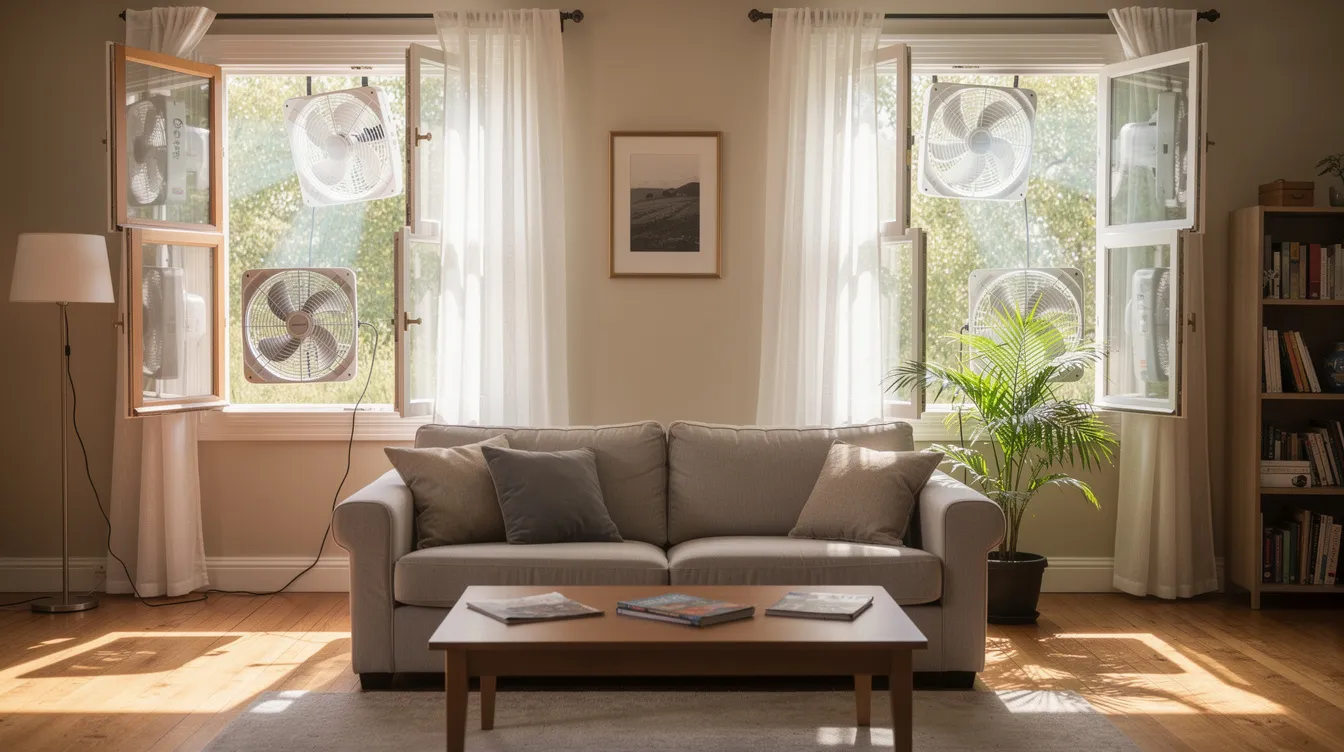
Ventilation is the fastest way to reduce airborne smoke smell within the first 24-48 hours. Fresh air exchange dilutes and removes suspended smoke particles before they settle deeper into materials.
Ventilation strategy:
Open windows and exterior doors throughout the house
Position box fans in windows blowing outward
Prop interior doors open to create cross-ventilation pathways
Remove window screens temporarily to increase airflow
Run bathroom exhaust fans and range hoods (vent-to-outside mode)
Turn off central HVAC if walls and ceilings are still dusty
Ventilate for several hours daily for at least 3-7 days. However, fresh air alone won’t remove smoke residue already embedded in surfaces—it’s one component, not a complete solution.
Step 3: Deep-Clean Surfaces – Walls, Ceilings, Doors, and Windows
Most lingering smells in a smoker’s house live in the paint film, ceiling texture, and window grime. This step requires thorough cleaning of all hard surfaces.
Protective preparation:
Wear gloves, eye protection, and an N95 mask
Cover floors with drop cloths
Turn off HVAC to prevent pulling loosened residue into ducts
Cleaning solution options:
Warm water with trisodium phosphate (TSP) or TSP substitute
Two cups white vinegar mixed with half gallon warm water
Hot water with mild detergent, splash of clear ammonia, and dawn dish soap
Cleaning sequence:
Ceilings first (prevents dripping onto clean walls)
Walls next, working in small sections top-to-bottom
Trim and doors last
Windows—clean glass, frames, and tracks thoroughly
Yellow-brown runoff during cleaning is normal and indicates successful removal. Rinse surfaces with clean water after scrubbing.
After surfaces dry completely (often overnight), apply an odor-blocking primer before repainting if smell persists. Standard latex primer won’t stop embedded odor from off-gassing through new paint. Textured and popcorn ceilings may require multiple cleanings or professional resurfacing.
Step 4: Floors, Carpets, and Soft Furnishings
Fiber materials act like odor sponges, often holding the strongest cigarette smell in houses smoked in for years.
Carpet and rug treatment:
Vacuum slowly with HEPA-filter vacuum (non-HEPA vacuums recirculate particles)
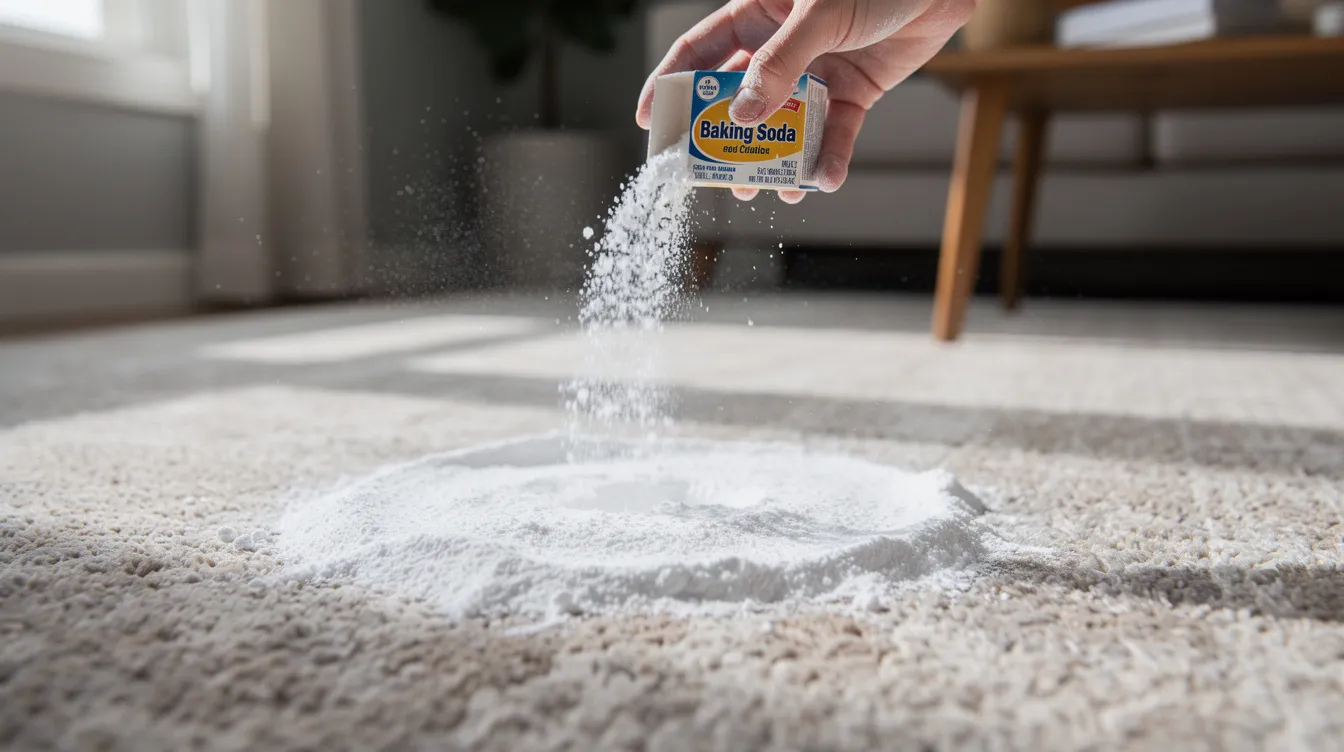
Sprinkle baking soda liberally—not lightly dusted, genuinely saturated
Leave overnight to absorb odors
Vacuum thoroughly and repeat if needed
Consider professional hot-water extraction or full replacement for persistent odor
Hard floors: Mop tile, vinyl, and laminate with vinegar-and-water or TSP solution, then rinse with clean water. Hardwood requires specialized cleaners and quick drying.
Upholstered furniture: Sprinkle baking soda, let sit for a few hours, vacuum thoroughly. Lightly mist with diluted white vinegar or upholstery cleaner. Air pieces outside in shade when weather permits.
Fabric items and window coverings: Machine wash curtains with detergent plus one cup white vinegar in the rinse cycle. Line-dry outdoors when possible. Heavily yellowed or inexpensive curtains are better replaced than cleaned.
Be realistic: in heavily smoked-in houses, replacing carpet, cheap foam cushions, and old mattresses can be faster and more effective than repeated cleaning with marginal results.
Step 5: Clean the Air and the HVAC System
Smoke particles accumulate inside air ducts, on evaporator coils, and in furnace cabinets. Unless addressed, your HVAC system will recirculate smoke laden air whenever it runs—even in otherwise clean rooms.
Immediate filter actions:
Replace HVAC filters immediately with high-quality pleated filters (MERV 11 or higher if your system handles it)
Replace filters again after 30 days to catch particles released from ductwork
DIY duct maintenance:
Vacuum accessible supply and return grilles
Wipe grilles with mild detergent solution
Clean areas around furnace or air handler with power shut off
Consider professional duct cleaning when vents show visible sticky residue or when a cleaned house still smells smoky whenever heating or cooling activates, since persistent problems like this often benefit from professional odor removal services that use advanced remediation methods and a broader look at professional odor removal costs, methods, and long-term effectiveness.
Air purifier selection: Choose units with true HEPA filtration plus thick activated charcoal filters rated for smoke and VOCs. Simply having HEPA without adequate carbon is insufficient—HEPA removes particles but not gaseous odor molecules. Run purifiers continuously in main living areas and bedrooms for several weeks. Follow manufacturer schedules for filter replacement; saturated carbon stops working and may smell musty.
Step 6: Natural Odor Absorbers and Safe Use of Ozone
Natural absorbents work slowly but provide safe, non-toxic supplementation to physical cleaning. These methods absorb existing odor rather than masking it with fragrance.
Deployment options:
Place bowls of baking soda in multiple rooms, refresh every few days
Position activated charcoal granules or commercial charcoal absorbers throughout the house
Leave shallow dishes of white vinegar overnight (away from pets and children), discard in morning
Ozone treatment: Ozone generators release highly reactive molecules that oxidize odor-causing compounds on surfaces and in the air. This can be effective after thorough cleaning is complete, but it’s worth understanding how ozone treatment compares with thermal fogging for smoke removal and when each method is appropriate.
Critical safety requirements:
Humans, pets, and plants must evacuate during treatment
Treatment duration ranges from 30 minutes to several hours
Air out house thoroughly for several hours before re-entry
Consider hiring professionals rather than DIY ozone treatment, especially in multi-unit buildings or homes with sensitive electronics
Step 7: Special Cases – Cigarette, Weed, and Fire Smoke
Different smoke types share fundamental remediation principles but present distinct challenges.
Cigarette and cigar smoke: Creates long-term tar staining with strong embedded odor in household items. Homes smoked in daily for years require washing or repainting most surfaces. Curtains, upholstery, and carpet often need replacement.
Cannabis smoke: Tends to be strong but more localized to immediate smoking areas. Aggressive ventilation, washing textiles in the smoking room, and HEPA plus carbon purifiers can prevent odor from wandering to neighboring units in apartments.
Fire smoke smell: Post-fire soot is acidic and potentially hazardous if the fire involved synthetic materials. Wear proper respiratory protection. Focus on removing soot from every surface. Change HVAC filters repeatedly. Recognize when structural materials like insulation and drywall must be removed entirely. For moderate to major fires, involve insurance and certified fire/smoke restoration companies rather than attempting full remediation alone, and consult a detailed guide to renovating a fire-damaged house, resources explaining house fire debris removal costs and cleanup steps, and information on professional cleaning for a smoker’s house when long-term indoor smoking has caused similar deep contamination.
Step 8: When to Call Professionals
Despite best-effort DIY work over several weekends, some homes—particularly those with decades of continuous use by smokers or significant fire damage—continue smelling like smoke.
Professional services include: In addition to general cleaning, many companies offer specialized odor removal treatments and pricing options, rely on professional-grade methods like ozone, hydroxyl, and enzyme-based odor removal, and may also provide safe biohazard cleaning services when hazardous materials are present.
Whole-house deep cleaning
Specialized duct cleaning
Thermal fogging
Ozone or hydroxyl generator treatment
Full fire/smoke restoration with material removal, and in rare cases where contamination involves biological hazards, coordination with professional biohazard cleanup specialists
When professional cleaning service makes sense: Homeowners concerned about budget can review typical professional cigarette smoke removal house costs to decide whether DIY, partial, or full-service remediation makes the most sense.
Persistent odor even after repainting
Property being prepared for sale where smell affects buyer perception
Any smoke exposure causing visible soot and structural damage, especially if you may eventually sell a fire-damaged home and need to plan repairs vs. selling as-is and want to understand cleanup and restoration costs in more complex situations
Indoor air quality concerns for sensitive occupants, or where a death or medical emergency on the property also requires professional cleanup after death to address biohazards safely
Seek certified smoke and fire restoration firms, check reviews, and request written scopes of work detailing specific treatments; similarly, when vehicles are affected, look for professional car smoke smell removal services or specialized car smell removal services using biohazard-grade techniques that focus on permanent odor elimination rather than masking.
Step 9: Preventing Smoke Smell from Returning
Once remediation is complete, prevention becomes your strongest strategy.
Essential habits:
Enforce strict no-smoking-indoors rule for cigarettes, cigars, and cannabis
Create designated outdoor smoking area with lidded metal ashcan
Open windows daily when weather permits
Use exhaust fans during cooking
Periodically air out rugs, cushions, and soft furnishings outdoors
Ongoing maintenance:
Dust regularly and vacuum with HEPA filtration
Wash textiles (throws, cushion covers, curtains) every few months
Run air purifiers long-term in main living spaces, especially in areas with seasonal wildfire smoke, and apply the same principles when removing smoke smell from a car’s interior step-by-step or when learning what crime scene cleaning and biohazard remediation involve in more extreme contamination cases
Replace purifier filters on manufacturer schedules
Landlords and property sellers should document all remediation work—paint receipts, duct-cleaning invoices, professional certificates—to reassure buyers and tenants that smoke odor has been comprehensively addressed, and in cases involving trauma or biohazards, that certified forensic cleaning services and bioremediation specialists have restored the environment safely.
FAQ
How long does it usually take to get smoke smell out of a house?
Light, one-time smoke exposure can often clear within 1-3 days using aggressive ventilation, laundering fabrics, and running air purifiers. Homes smoked in daily for years require several weeks of deep cleaning, repainting, and filter changes. Post-fire smoke odor takes months of phased remediation, especially when structural materials require replacement.
Can I get smoke smell out of a house without repainting?
In lightly affected homes, thorough surface washing plus improved ventilation and filtration can sometimes eliminate odors without repainting. In heavy smoker homes where walls are visibly yellowed or sticky, repainting with odor-blocking primer is typically necessary. Test by cleaning one room completely—if odor returns after a few days, painting is likely required.
Does smoke smell lower a home’s value or make it harder to sell?
Many buyers are highly sensitive to smoke odor. Inspectors and appraisers note heavy smoke damage negatively, causing lower offers or longer market time. Fully document cleaning, painting, and professional remediation before listing. Include these steps in your listing description to reassure potential buyers.
Are air freshener products a good way to fix smoke smell?
Fragrances temporarily mask odor but don’t remove smoke residue or tar. They sometimes create a problematic mixed smell. Use scented products only after thorough cleaning and odor-blocking work is complete—and lightly, for preference rather than as a primary solution. Real odor removal requires physical cleaning, absorption, ventilation, and sealing affected materials.
Is it safe to live in a house that still smells like cigarette or fire smoke?
Persistent odor indicates ongoing presence of smoke residues that may contain irritants. Fire smoke may contain potentially harmful compounds. People with asthma, allergies, or respiratory conditions may experience symptoms even at low odor levels. Consult health professionals for personal concerns and consider prompt remediation or temporary relocation after serious fires until cleanup is complete.


Latest news