Homeless Encampment Cleanup in North Atlanta
Homeless Encampment Cleanup in North Atlanta
When a homeless encampment appears on your property, the situation can feel overwhelming. Between the visible debris, potential biohazards, and uncertainty about proper procedures, most property owners don’t know where to start. This guide covers everything you need to know about homeless encampment cleanup in North Atlanta—from understanding when to call for help to what a complete remediation process looks like.
Immediate Help for Homeless Encampment Cleanup in North Atlanta
T.A.C.T. North Atlanta provides 24/7 homeless encampment cleanup for private property owners, HOAs, businesses, and municipalities throughout North Atlanta, including Alpharetta, Roswell, Sandy Springs, Johns Creek, and Duluth. If you’re dealing with an active situation, you can call for same-day service and speak with a specialist who understands the urgency.
Call T.A.C.T. North Atlanta 24/7 for emergency encampment cleanup and biohazard removal.
You should call immediately if you observe any of the following:
Visible needles, syringes, or sharps scattered around the site
Human waste (feces or urine) on surfaces or in containers
Strong, persistent odors indicating biological contamination
Reports or evidence of drug use at the location
Major trash buildup spanning multiple tents or structures
Fire damage or burned materials in the camp area
Unlike city 311 services that primarily address encampments on public property, T.A.C.T. North Atlanta can clean encampments on private property, commercial sites, and sensitive locations like shopping centers and church grounds. When you need the site cleaned thoroughly—not just reported—professional remediation is the answer.
All crews are licensed, insured, and certified in biohazard remediation. Work follows Georgia and federal regulations for medical waste and hazardous materials handling. From initial assessment to final disinfection, T.A.C.T. North Atlanta manages the complete cleanup process so you can focus on getting your property back to normal.
What Is a Homeless Encampment and Why Cleanup Is Needed
A homeless encampment is a residence or abode of one or more persons using tents, makeshift shelters, or accumulated belongings on public or private property. In the North Atlanta area, these encampments can range from a single tent to sprawling camps with multiple structures and significant debris accumulation.
Common locations in North Atlanta include:
Wooded lots near GA-400 interchanges
Underpasses along I-285 and connecting highways
Creek banks and drainage areas
Vacant commercial parcels in Norcross and Duluth
Parking structures near Perimeter Center
Trails and greenway edges where private property meets public right-of-way
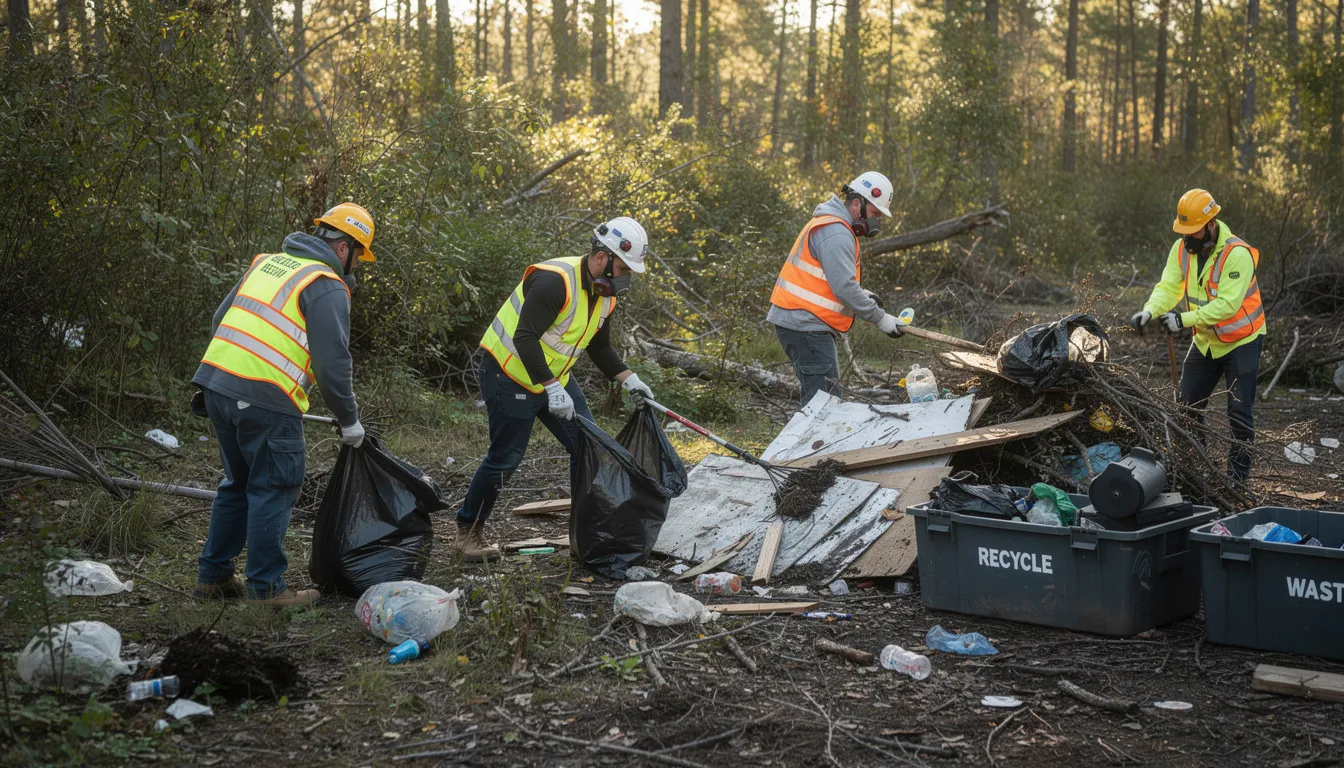
These sites present serious health and safety risks that standard janitorial services cannot address:
Human feces and urine contaminating soil and surfaces
Discarded syringes and sharps creating injury hazards
Blood and other bodily fluids on materials and structures
Spoiled food attracting rodents and pests
Fire hazards from open flames, propane tanks, or improvised heating
Environmental contamination near streams and stormwater systems
Cleanup is typically triggered by security concerns, health hazards, complaints from nearby businesses or residents, and interference with the use of sidewalks, parking lots, or common areas. Property owners have a responsibility to maintain safe conditions, and encampments left unaddressed can create ongoing problems for the community.
T.A.C.T. North Atlanta’s role is environmental cleanup and biohazard remediation. The company does not function as a law enforcement or social services agency but cooperates with those entities when they are involved in a coordinated effort to address homelessness in the area.
When and How Property Owners Should Report an Encampment
Understanding the difference between reporting an encampment to the city or county versus calling T.A.C.T. North Atlanta is essential. City services handle encampments on public property—parks, sidewalks, and municipal land. For cleanup on private or commercial property, you need a professional remediation company.
The following individuals should report and take action when they discover encampments:
Commercial property managers responsible for retail or office buildings
HOA boards managing common areas and community grounds
Church leaders overseeing campus property
School administrators with encampments near facilities
Construction site supervisors finding camps on development parcels
Landlords who see tents, structures, or large accumulations on their property
Reporting on Public Property in North Atlanta
For encampments located on public land, use local 311 or non-emergency police numbers. Cities like Atlanta, Sandy Springs, and Roswell have departments that handle these service request calls. When you contact them, provide specific details: “Report homeless encampment under [specific bridge or location] due to trash accumulation, odor, and safety concerns.”
Keep in mind that city departments may have limited capacity and response times can vary. They may also coordinate with outreach teams to provide resources and housing assistance before cleanup occurs.
Taking Action on Private Property
For encampments on private property, the process differs:
Contact law enforcement first if people are currently on-site and safety is a concern
Allow authorities to complete any required legal notices or trespass warnings
Once the site is cleared, call T.A.C.T. North Atlanta for environmental and biohazard cleanup
Before calling for cleanup services, gather the following details:
Exact address and nearby landmarks
Approximate size of the encampment and number of tents
Visible hazards (needles, feces, fire debris, animal activity)
Proximity to schools, playgrounds, or water sources
Access points for vehicles and equipment
City departments in North Atlanta may offer outreach or homeless services to connect individuals with assistance. T.A.C.T. North Atlanta focuses exclusively on safe cleaning, disinfection, and restoration of the site after it has been vacated.
Homeless Encampment Cleanup Services by T.A.C.T. North Atlanta
T.A.C.T. North Atlanta provides full-service homeless encampment cleanup, including trash removal, biohazard remediation, and disinfection. Whether you need a one-time cleanup after a site is cleared or an ongoing maintenance program for properties with recurring issues, the company adapts to your situation.
Technicians are extensively trained for encampment cleanup scenarios. A cleanup behind a shopping center requires different logistics than one in a wooded lot or parking garage. Each site receives a tailored approach based on its specific conditions, access challenges, and contamination level.
The company collaborates with law enforcement, property security teams, and local municipalities when required. This coordination ensures cleanups proceed smoothly and comply with any active enforcement efforts or scheduled outreach activities in the area.
Key credentials include:
Fully licensed and insured for commercial biohazard work
Certified in bloodborne pathogen handling
Trained in hazardous waste transport and disposal
OSHA-compliant cleaning protocols on every job
Services are available 24/7/365 for urgent needs. Early morning and overnight cleanups can be scheduled to minimize disruption to businesses and residential areas.
Typical Homeless Encampment Cleanup Tasks
Removal of tents, tarps, pallets, and makeshift structures
Collection and containment of general trash, clothing, and debris
Handling of used needles and sharps using puncture-resistant containers
Safe disposal of drug paraphernalia found at the site
Removal of human feces, urine, and blood-contaminated items
Disposal of spoiled food and animal carcasses if present
Cleaning and disinfecting concrete, asphalt, and other hard surfaces
Treatment of soil contamination where feasible
Deodorization of areas with strong urine, smoke, or decomposition odors
Separation and protection of items identified by law enforcement as evidence
Packaging, labeling, transport, and disposal of all biohazardous waste at approved facilities per Georgia and federal regulations
Areas We Commonly Service in North Atlanta
Retail centers along Peachtree Industrial Blvd and major commercial corridors
Office parks in Alpharetta, Roswell, and Sandy Springs
Multifamily and condo communities with shared grounds
Hotel properties with parking structures or adjacent wooded areas
Church campuses with large, less-monitored sections of land
Vacant lots slated for development
Properties near MARTA stations and transit corridors
Trail-adjacent parcels where private property meets public greenways
T.A.C.T. North Atlanta works for both private owners and public agencies under contract. The company does not control enforcement or relocation decisions—the focus is strictly on environmental remediation.
Our Step-by-Step Homeless Encampment Cleanup Process
T.A.C.T. North Atlanta follows a structured, documented process designed to protect public health, respect the individuals affected, and restore property safely. Every job receives the same level of attention to detail, whether it’s a small camp with one tent or a sprawling encampment with dozens of structures.
Timeline varies based on conditions. Small camps may be complete in a few hours. Large, long-term encampments spanning multiple structures or acres can require 1–2 days or more. The company coordinates with owners, security, and when applicable law enforcement to ensure the site is legally cleared before cleanup begins.
1. Assessment, Site Visit, and Safety Planning
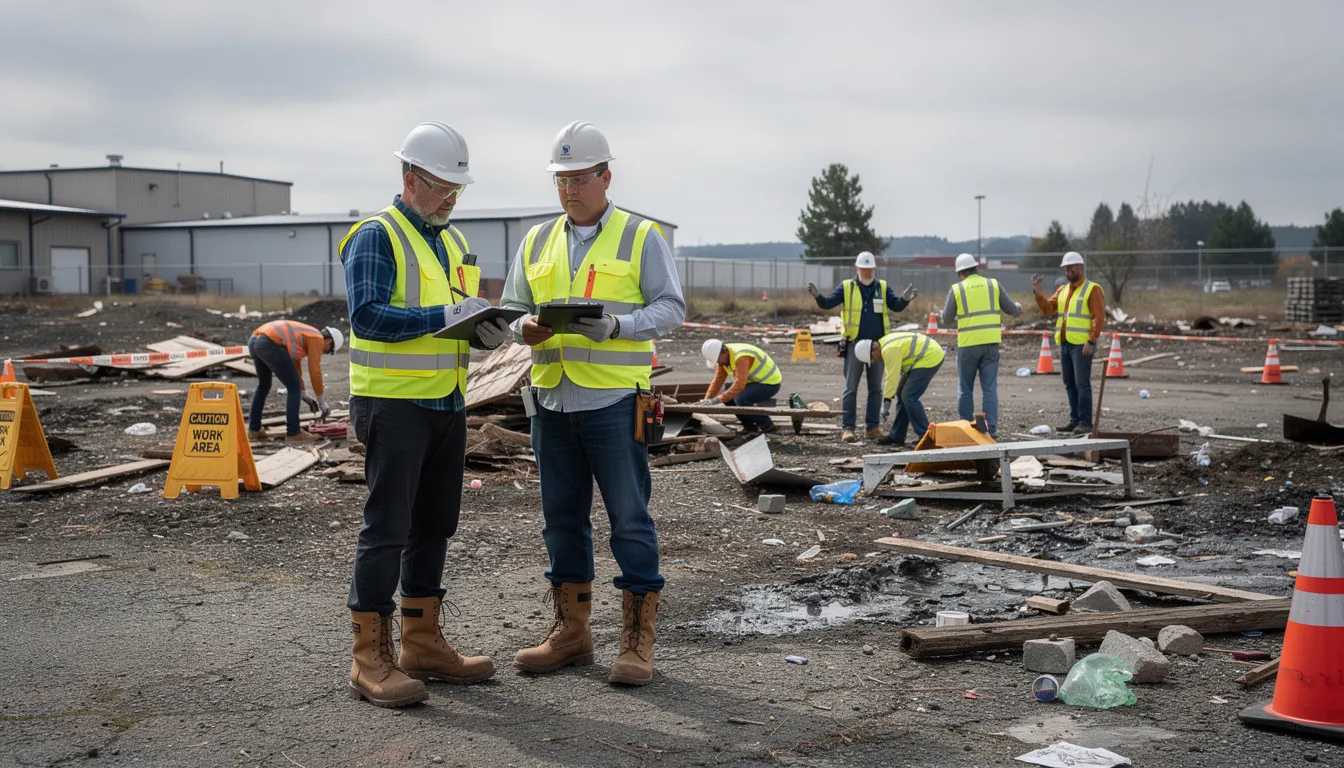
The process starts with an initial phone consultation. For urgent cases, an on-site assessment in North Atlanta typically occurs the same day. This visit determines the scope of work and identifies any special requirements.
During the assessment, technicians document:
Number of tents, structures, and shelters present
Presence of sharps, human waste, and blood
Signs of drug use (paraphernalia, residue, chemical odors)
Proximity to public walkways, playgrounds, or water sources
Evidence of fire damage or hazardous material storage
The team identifies access routes for vehicles and dumpsters, checking for steep terrain, dense vegetation, or confined spaces that may require special equipment. Safety planning includes establishing exclusion zones, determining PPE requirements, and coordinating with property security or law enforcement if there’s any possibility people may return during the cleanup.
2. Coordination with Law Enforcement and Local Agencies
Before disturbing personal belongings or structures, property owners should confirm with law enforcement that any legal notices, trespass warnings, or relocation efforts are complete. This step protects everyone involved and ensures compliance with local regulations.
T.A.C.T. North Atlanta does not perform evictions. Crews arrive once the site has been posted and cleared per local regulations. If an encampment cleanup is part of a broader neighborhood improvement effort, the company cooperates with city or county officials to schedule work appropriately.
Respecting individuals’ rights and following any city-specific encampment protocols is essential. Some jurisdictions require specific notice periods before cleanup can proceed. T.A.C.T. North Atlanta works within these requirements while keeping property owners informed about timing and next steps.
3. Removal of Structures, Trash, and Hazardous Materials
Crews begin by carefully dismantling tents, wooden frames, tarps, shopping carts, and improvised barriers. The goal is methodical, careful work—not rushed clearing. This approach protects workers, preserves any items that need to be set aside, and prevents contamination spread.
Materials are separated on-site:
General trash goes into heavy-duty contractor bags
Sharps are collected using tongs and placed in dedicated puncture-resistant containers
Blood-soaked items and human waste materials are placed in labeled biohazard containers
Bulky items like mattresses, furniture, and pallets are cut down as needed for safe removal
Any personal property identified by law enforcement as evidence or by owners as recoverable is set aside following their instructions. This documentation protects both the property owner and maintains the chain of custody for any items that may be relevant to ongoing investigations.
4. Biohazard Cleaning and Disinfection
Once visible debris is removed, technicians focus on biohazard remediation. This phase addresses the contamination that remains after structures and trash are gone—the substances that create ongoing health risks if left untreated.
Surfaces commonly treated include:
Sidewalks and pedestrian walkways
Retaining walls and concrete barriers
Parking decks and covered structures
Dumpster pads and loading areas
Stairwells and building exteriors
Crews apply EPA-registered disinfectants effective against bloodborne pathogens and communicable diseases. These products are applied according to label dwell times to ensure complete effectiveness. Rushing this step compromises results.
Soil or mulch heavily contaminated by bodily fluids may need to be removed and replaced when feasible. This determination is made in consultation with the property owner based on contamination level and budget considerations.
All contaminated materials are handled as regulated medical or biohazardous waste and transported to licensed disposal facilities. This chain of custody ensures proper handling from the site to final disposal.
5. Deodorization, Final Inspection, and Documentation
Encampment sites often carry persistent odors from urine, feces, smoke, and decomposition. Deodorization methods include targeted treatments on concrete surfaces, application of commercial odor counteractants, and ventilation of enclosed areas like stairwells and loading docks.
A supervisor conducts a final walkthrough with the property owner or manager. This inspection confirms that visible debris, biohazards, and odors have been addressed to satisfaction.
T.A.C.T. North Atlanta provides written documentation of the cleanup, including:
Before-and-after photographs of the site
Waste disposal records and manifests
Summary of work completed
Recommendations for follow-up if applicable
This documentation supports insurance claims, internal reporting, and demonstrates due diligence in property maintenance. For large properties or high-risk areas, the company can recommend periodic inspections and maintenance cleanups to prevent future buildup.
Health, Safety, and Regulatory Compliance
Homeless encampment cleanup is not standard janitorial work. The materials present—needles, blood, human waste, and unknown chemical substances—require handling under strict safety and regulatory standards. Sending untrained staff to clean these sites creates liability and health exposure for everyone involved.
T.A.C.T. North Atlanta follows OSHA, EPA, and Georgia-specific regulations for bloodborne pathogens and medical waste. Written safety protocols guide every job, ensuring consistent, compliant work regardless of site conditions.
Crews wear appropriate PPE for the environment:
Double-layer nitrile or latex gloves
Puncture-resistant outer gloves when handling sharps
Eye protection or splash goggles
N95 or higher respirators when airborne hazards are present
Puncture-resistant footwear
Protective coveralls, especially in heavily contaminated areas
Training requirements include bloodborne pathogen certification, hazard communication, sharps handling protocols, and confined-space awareness when applicable. This preparation means crews can respond to findings during cleanup—discovering additional hazards doesn’t stop progress.
Failure to handle encampment cleanup correctly exposes property owners to liability and ongoing health risks. Professional remediation isn’t just about thoroughness—it’s about protection.

Environmental Protection and Stormwater Concerns
Improper cleanup can wash contaminants—feces, trash, chemicals—into North Atlanta storm drains, creeks, and rivers including the Chattahoochee. This creates a wider environmental impact beyond the immediate site.
T.A.C.T. North Atlanta plans cleanup to minimize runoff. When washing down surfaces is necessary, containment methods prevent contaminated water from entering storm systems. Work follows local stormwater guidelines to protect the broader environment.
Abandoned hazardous materials frequently found at encampment sites include:
Fuel containers (propane, gasoline, kerosene)
Automotive fluids (oil, antifreeze, brake fluid)
Chemical bottles with unknown contents
Batteries and electronic waste
These items are identified and managed carefully, with hazardous waste vendors used when materials exceed standard biohazard protocols. Additionally, the company advises property owners to avoid hosing down encampment areas themselves—this well-intentioned effort often spreads contamination rather than eliminating it.
Compassionate, Discreet Approach to a Sensitive Issue
T.A.C.T. North Atlanta recognizes the human side of homelessness. Each cleanup involves people experiencing difficult circumstances, and the company approaches every job with respect and discretion. This isn’t just about efficiency—it’s about handling a sensitive situation responsibly.
Crews aim to arrive in unmarked or low-profile vehicles when possible. Work can be scheduled at times that minimize public attention, which is especially important near schools, churches, and residential communities. No one benefits from turning a cleanup into a spectacle.
The company’s role is to restore safe, sanitary conditions—not to judge individuals or dictate policy on homelessness. When social service agencies or outreach teams are involved, T.A.C.T. North Atlanta coordinates timing so that people have a chance to engage with support resources before cleanup of vacated areas begins. This compassion extends to how work is conducted, not just what gets cleaned.
Sensitive locations that benefit from this approach include:
Playground-adjacent areas where children may witness activity
Church parking lots used for Sunday services
Shopping centers with heavy pedestrian traffic
Medical office complexes where patients may feel vulnerable
Apartment communities where residents see cleanup from their windows
Communication with Businesses, Residents, and HOAs
Managing communication around an encampment cleanup matters. T.A.C.T. North Atlanta can help property managers handle this aspect—advising on timing, signage, and how to reduce anxiety among tenants and residents.
Practical scheduling options include:
Early morning work (starting at 5:00 or 6:00 AM) before businesses open
Late evening cleanup after retail hours end
Weekend work when office buildings are less occupied
Phased approaches for large sites to minimize extended disruption
For HOAs and property managers, briefing residents before cleanup begins prevents problems. Simple communication points work: the area will be cleaned on [date], residents should keep children and pets away until work is complete, and the goal is restoring safe conditions for everyone.
The company does not provide legal templates or formal notices—property managers should work with their attorneys for specific legal requirements. But practical guidance on the cleanup process itself is always available.
Costs, Insurance, and Scheduling a Cleanup
Costs for homeless encampment cleanup depend on several factors: encampment size, level of contamination, access challenges, and disposal requirements. A small camp on flat ground near a parking lot costs less than a sprawling site in difficult terrain with heavy biohazard contamination. T.A.C.T. North Atlanta provides transparent estimates before work begins—no surprises.
In some cases, commercial insurance policies or property insurance may cover encampment damage or biohazard contamination. The company can work with your insurance carrier when coverage applies, and documentation from the cleanup supports claims processing.
During the assessment visit, the team provides:
Written estimate with detailed scope of work
Anticipated timeline for completion
Special considerations (after-hours work, heavy equipment needs, multi-phase approach)
Payment terms and scheduling options
Situation Type | Typical Response Time |
|---|---|
Urgent health/safety concerns (visible sharps, human waste) | Same-day or next-day |
Standard cleanup after site is cleared | 24–48 hours |
Large encampments requiring multi-day effort | Scheduled within 1 week |
Ongoing maintenance contracts | Regularly scheduled visits |
If you’re unsure whether you need full biohazard remediation or just trash removal, call anyway. A T.A.C.T. North Atlanta specialist can discuss your situation and determine the appropriate level of service. Sometimes a site that looks minor has significant contamination underneath; other times, a concerning-looking encampment turns out to be mostly general debris.
Property owners, managers, HOAs, and organizations throughout North Atlanta can reach T.A.C.T. North Atlanta 24/7. Whether it’s 2:00 PM on a Tuesday or 3:00 AM on a holiday weekend, the company is available to respond and restore your property to a safe, usable condition after encampments are cleared.
Don’t wait for problems to escalate. Contact T.A.C.T. North Atlanta today to schedule an assessment and get your property back.


Latest news