
Indoor Air Quality Services

Indoor Air Quality Services
In 2026, indoor air quality services matter more than ever for what you breathe inside your home or workplace. This page explains what indoor air quality services are, how they work, and why they are essential for homeowners, business owners, and property managers concerned about health and comfort. People spend approximately 90% of their time indoors, where air can be more polluted than outside. With Americans spending so much time inside, the indoor air quality in your living and working spaces directly affects your health, comfort, and well-being. Common concerns like mold growth, volatile organic compounds from building materials and cleaning products, and allergens such as dust mites are driving more people to seek professional answers. Indoor Air Quality Services are essential for maintaining a safe and healthy environment in homes and businesses.
Indoor Air Quality Services in Your Home & Business
We provide professional indoor air quality services for homes, offices, medical spaces, schools, and rental properties throughout the region. Our focus is on identifying and solving mold, moisture, and air quality problems rather than just selling equipment. When you work with our team, you get clear answers based on science—not sales pitches.
Call (404) 985-5461 or email info@ tactnorthatlanta.com to schedule indoor air quality services today.
Key benefits of working with us include:
Healthier air for your family, employees, or tenants
Clear answers about what is actually in your indoor environment
Documented results you can share with contractors, landlords, or healthcare providers
Peace of mind knowing your concerns are addressed by professionals
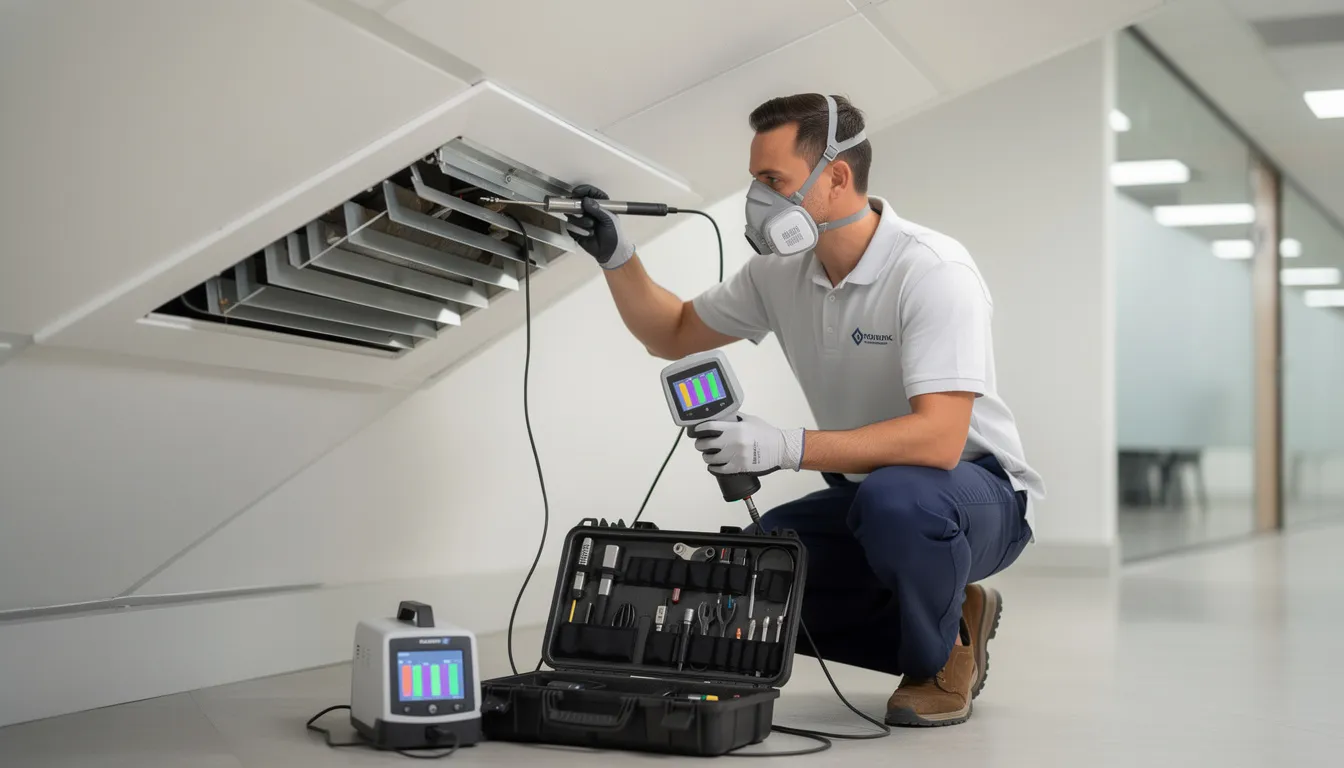
Our Approach to Indoor Air Quality
Our process is built on a step-by-step, science-based approach that starts with your first call and continues through final recommendations. We take pride in making indoor air quality testing straightforward and stress-free for our customers. Indoor air quality testing services identify hidden pollutants, allergens, and contaminants in the air.
Here is what you can expect when you work with us:
Initial consultation: A brief phone call to understand your concerns, timeline, and property details
On-site inspection: A detailed inspection of your space to identify visible issues, moisture sources, and areas requiring testing
Targeted testing: Collection of air samples, surface samples, or other diagnostic methods based on your specific situation
Lab analysis: Samples sent to accredited laboratories for accurate identification of mold spores, pollutants, and contaminants
Written report: A clear, plain-language document explaining findings, lab results, and what they mean for your health
Follow-up discussion: A phone call or meeting to answer questions and discuss next steps
We customize the scope of every project based on your concerns. Whether you are dealing with unexplained health symptoms, musty odors, visible mold, recent water damage, or a real estate deadline, we adjust our approach to get you the answers you need.
Our recommendations are based on data, not on selling unnecessary remediation work. We remain independent and verify that every suggestion we make serves your best interest.
Mold Testing & Indoor Air Testing Options
Proper mold assessment and indoor air quality testing require the right sample types, locations, and quantities to produce meaningful results. A single sample in the wrong location can miss the problem entirely, while a well-planned sampling strategy can pinpoint exactly what is affecting your indoor air.
Types of Samples
Our testing options include:
Air samples: Using calibrated pumps and cassette media to capture airborne mold spores and other indoor pollutants
Surface samples: Swab or tape methods to identify mold growth on surfaces that may not be visible to the naked eye
Wall-cavity samples: Specialized sampling for enclosed areas where moisture and mold may be hidden behind building materials
Outdoor control samples: Reference samples that allow accurate comparison between indoor and outdoor conditions
Additional Air Quality Solutions
Additionally, we offer broader indoor air quality solutions beyond mold:
VOC screening: Detection of volatile organic compounds from furniture, construction materials, and chemicals. Volatile Organic Compounds (VOCs) are vapors or gases containing carbon that are commonly found in indoor environments.
Particulate count measurement: Quantifying dust, allergens, and fine particles in your air
Humidity and temperature logging: Identifying conditions that promote mold growth or affect comfort
Allergen testing: Targeting specific concerns like dust mites or pet dander
For example, in a typical 2,000 square foot home, we collect a minimum of 3–5 air samples plus an outdoor reference sample. This comprehensive approach ensures we capture a complete picture of your home’s air quality.
We follow recognized industry guidelines from organizations such as AIHA, ASTM, and IICRC S520 to ensure our testing meets professional standards.
What You Receive: Clear, Actionable Reports
Every project includes a written report that explains findings in everyday language. We believe you should not need a science degree to understand what is happening in your indoor environment—and our reports reflect that commitment to clarity.
Your report will include:
Lab result summaries: Clear presentation of what was found, with comparison to available guidelines or reference ranges when appropriate
Photos from inspection: Visual documentation of conditions observed during our detailed inspection
Plain-language conclusion: A straightforward explanation of what the results mean for your health concerns and property
Prioritized recommendations: Specific, step-by-step guidance (e.g., “Step 1: Fix leak under kitchen sink; Step 2: Remove and replace water-damaged cabinetry; Step 3: Post-remediation verification testing if needed”)
Supporting documentation: Materials suitable for sharing with contractors, landlords, buyers, sellers, or healthcare providers addressing indoor air quality issues
Standard turnaround time for most projects is within 2–3 business days after sampling. Rush options are available for time-sensitive situations like real estate closings or urgent health concerns.

Mold Remediation & Practical DIY Guidance
We do not encourage unqualified, unsafe mold cleanup. However, we help clients understand when DIY is reasonable and when a professional remediator is needed. Our goal is to protect your health while empowering you to take appropriate action.
Proper professional remediation should include:
Source moisture control to prevent future mold growth
Physical containment to isolate the affected area
Negative air pressure to prevent cross-contamination
Removal of contaminated building materials
HEPA vacuuming of all surfaces
Follow up testing (post-remediation verification) to confirm successful cleanup
Watch for these red flags with low-quality remediators:
“Paint-over” fixes that hide mold without addressing the source
Lack of proper containment during work
No offer of third-party verification testing after cleanup
For smaller concerns, we provide a downloadable “Guide to Healthier Indoor Air” covering practical DIY tasks:
Regular HVAC system filter changes (every 1–3 months depending on your unit)
Humidity control in the ideal 40–50% range to discourage mold growth
Effective cleaning strategies that reduce dust and allergens
Ventilation tips to improve indoor air circulation
Before attempting major DIY demolition involving potential mold, contact us first. We can help you avoid cross-contamination, exposure to harmful mold spores, and health risks that come from improper handling.
Why Choose Our Indoor Air Quality Services?
With over 20 years of experience and more than 1,500 inspections completed since 2004, our team brings expertise you can trust. We have helped homeowners, property managers, and business owners throughout the region breathe easier and protect their investments.
Expertise:
Certified mold inspectors and IAQ professionals with ongoing training
Deep knowledge of building science, including how moisture, ventilation, and construction materials interact
Experience with both residential and commercial properties, from single-family homes to large office buildings
Comprehensive Approach:
The full process from inspection to explanation, so you are never left guessing
Coordination with remediation contractors when professional cleanup is needed
Follow up testing to verify that problems have been resolved
Customer-Centric Service:
Free consultation by phone to discuss your concerns before committing
Transparent pricing with no surprise fees or hidden diagnostic fee charges
Patient Q&A support before and after testing—we answer your questions until you feel confident
Most reports are delivered within 48–72 hours, even during peak seasons. Our customers consistently rate our services highly for responsiveness, clarity, and professionalism.
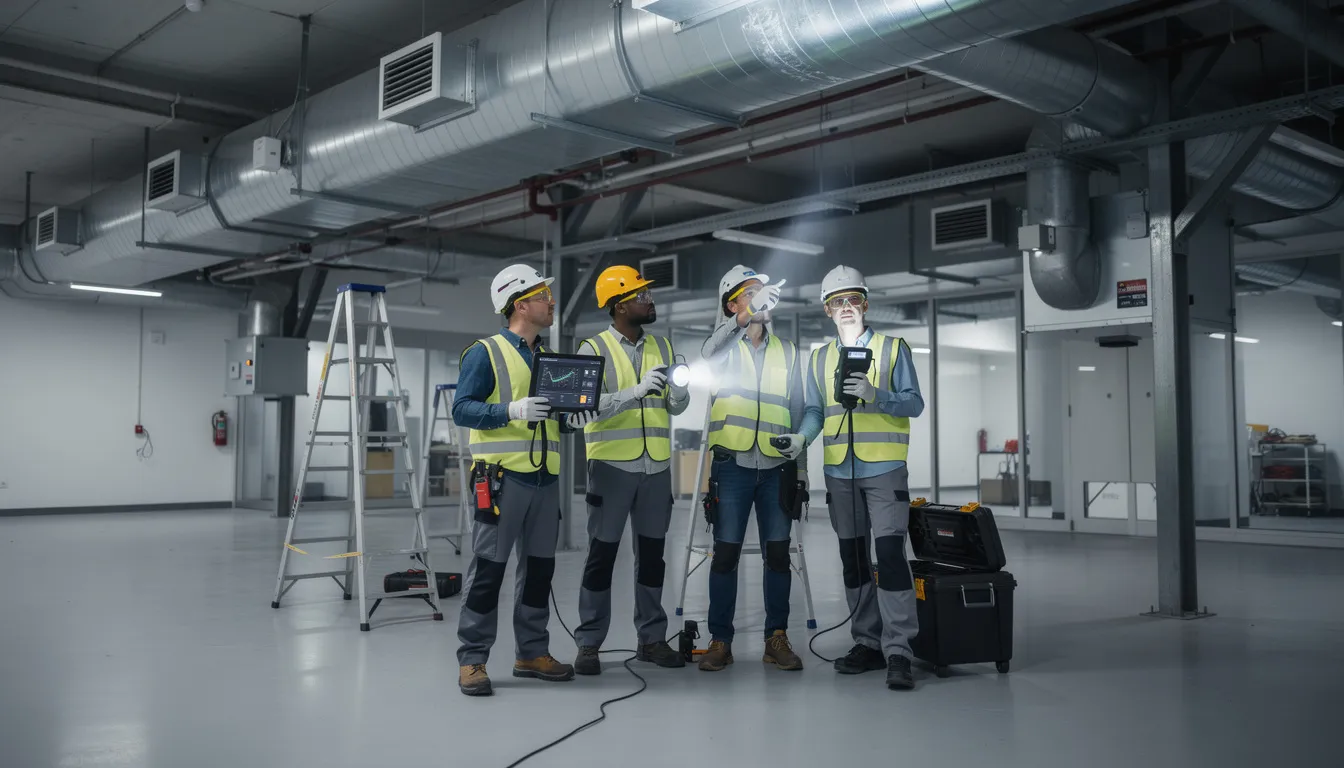
Answers to Common Indoor Air Quality Questions
Many clients come to us with similar questions about indoor air quality issues and what they mean for their families, properties, or businesses. Below we address the most common concerns—and we are always available for a free consultation to discuss your specific situation.
Health-Related Questions
Poor air quality has documented links to headaches, fatigue, respiratory issues, asthma flare-ups, and allergy symptoms
If symptoms improve when you leave the building, environmental factors in your indoor air may be contributing
We are not medical providers, but we can help clarify whether indoor pollutants, mold, radon, carbon monoxide, or other contaminants may be affecting human health
Water Damage Scenarios
The first 24–48 hours after a leak or flood are critical for preventing mold growth
In some cases, immediate drying and material removal are more important than sampling—we can help you determine the right process
If you had wet conditions and delayed response, testing can reveal whether mold has become established
Real Estate Transactions and Rentals
Pre-purchase or pre-listing mold and IAQ assessments provide neutral third-party documentation
Move-in or move-out testing helps reduce disputes between landlords and tenants
Our reports are accepted by lenders, inspectors, and real estate professionals who demand credible data
Insurance and Legal Context
Detailed timelines, photos, moisture readings, and lab results can support insurance claims
We provide professional documentation but do not give legal advice
Early testing creates a clear record that helps protect your interests
Ready for personalized answers? Call (404) 985-5461 or fill out our online contact form. Many questions can be addressed in a brief phone call.
When to Call an Indoor Air Quality Professional
Some indoor air quality issues require expert help rather than guesswork or over-the-counter gadgets. Here is a quick checklist of situations where professional testing makes sense:
Persistent musty odors that do not respond to cleaning
Visible mold larger than approximately 10 square feet
Unexplained health symptoms (headaches, respiratory irritation, fatigue) that improve when you leave the building
Chronic humidity issues or wet conditions in basements, crawlspaces, or bathrooms
A history of significant water damage, even if it was “dried out” previously
Concerns about lead, radon, carbon monoxide, or chemical exposure from cleaning products or furniture
Time-sensitive events create additional urgency:
Upcoming real estate closing dates where buyers or lenders demand verification successful documentation
A new baby on the way, making cleaner air a priority
Immunocompromised family members whose health depends on effective solutions for their indoor environment
Do not wait for indoor air quality concerns to affect your family’s well-being. Contact us today:
Phone: (404) 985-5461
Email: info@tactnorthatlanta.com
Online: www.tactnorthatlanta.com [our website]
Typical response time is same or next business day. Let our professionals help you improve indoor air quality and breathe easier—because the air you breathe matters. Indoor Air Quality Services are essential for maintaining a safe and healthy environment in homes and businesses.


Latest news