
Mold Damage: Cause, Health Risk, Cleanup and Prevention

Mold Damage: Causes, Health Risks, Cleanup and Prevention
Discovering mold in your home triggers immediate questions: Is it dangerous? Can you clean it yourself? What caused it in the first place? Mold damage affects millions of homes each year, turning minor water events into costly structural problems and health concerns when left unaddressed. This guide walks you through everything you need to know—from emergency response steps to long-term prevention strategies that actually work.
Quick Answers: What to Do If You See Mold Damage
Before diving into the deeper education ahead, here are the immediate steps to take when you spot visible mold damage. This checklist gives you actionable guidance while you assess the full scope of your situation.
Immediate Action Steps
Isolate the affected area using plastic sheeting and tape to contain airborne mold spores and prevent them from spreading to other rooms.
Stop the water source immediately—whether it’s a plumbing failure, roof leak, or appliance malfunction—and repair it before any cleanup begins.
Increase ventilation by opening windows and using exhaust fans that direct air outdoors to reduce indoor humidity levels.
Avoid dry-brushing or scraping the mold, as this disperses spores into the air and worsens contamination.
Protect vulnerable people including children, older adults, pregnant individuals, and those with asthma by relocating them away from the damaged area during initial response.
Critical Timeframe
Dry wet materials within 24-48 hours after leaks, storms, or burst pipes. Mold spores activate and proliferate when materials remain wet beyond this window, according to consistent guidance from OSHA, EPA, and restoration professionals.
DIY vs. Professional Help
Areas under 10 square feet on non-porous surfaces (tile, glass, metal) can typically be managed by homeowners with proper precautions.
Call professionals when mold follows flooding, involves HVAC systems, or causes widespread wall and ceiling damage exceeding the 10 square foot threshold.
Mold Testing Guidance
Testing is usually unnecessary when mold or water damage is visibly apparent. Major agencies like the EPA and CDC prioritize moisture control and physical removal over species identification, noting that visible mold growth already signals the need for action without lab confirmation.
Understanding Mold Damage in Homes and Buildings
Mold is a ubiquitous natural fungus comprising thousands of species that exists harmlessly in outdoor and indoor air. It becomes a problem when spores encounter persistent moisture on organic building materials like drywall, wood framing, carpet, and insulation. These materials transform from harmless airborne particles into destructive colonies that stain surfaces, emit odors, and compromise structural integrity through enzymatic degradation over time.
The Mold Triangle: Why Indoor Mold Growth Happens
Spores (universally present in air)
Moisture (the primary activator)
Food source (cellulose-rich materials like paper-faced gypsum board or lumber)
You cannot eliminate spores or remove all susceptible building materials from your home. This means controlling moisture is the sole viable long-term strategy, as affirmed by EPA guidelines and restoration professionals.
Mold Damage Manifestations
Health hazard: triggers allergic reactions and respiratory symptoms
Building-materials issue: persistent staining, musty odors, material delamination, and progressive loss of load-bearing capacity
Common Indoor Locations for Mold Damage
Basements prone to groundwater seepage and condensation on cool walls
Bathrooms with inadequate exhaust leading to steam accumulation
Kitchens under sinks where appliance leaks provide chronic drips
Attics suffering roof infiltrations around chimneys and skylights
Crawl spaces with poor drainage trapping humid air
Mold spores are present year-round across all U.S. climates, but events like heavy rains, plumbing failures, and appliance malfunctions often trigger noticeable damage. These incidents sustain moisture levels above 60% relative humidity—the threshold where mold colonization accelerates on vulnerable surfaces.
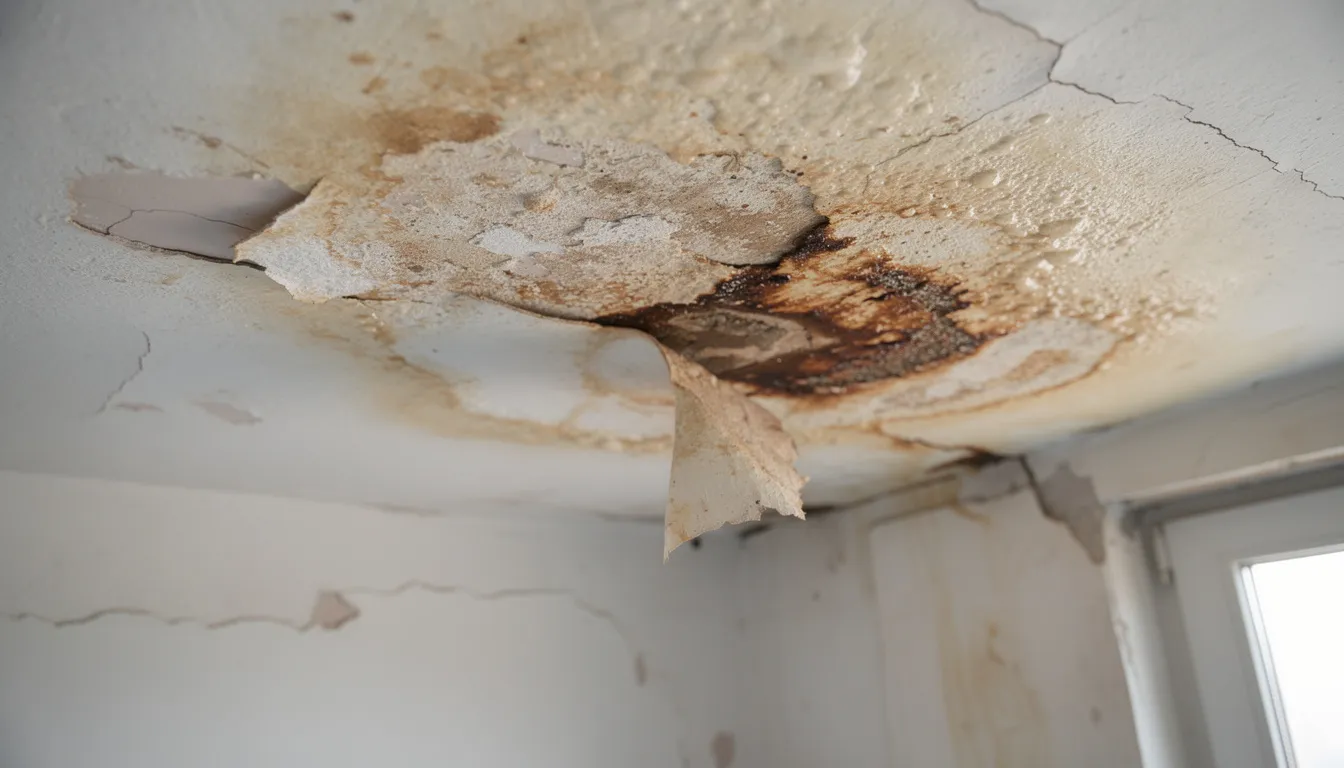
Why Mold Damage Happens: Moisture Sources and Risk Conditions
Mold damage stems directly from specific, identifiable moisture intrusions rather than vague “dampness.” Understanding exactly where water enters your home helps you address root causes instead of repeatedly cleaning surface symptoms. Every mold problem traces back to a moisture problem.
Typical Moisture Sources Triggering Mold Damage
Record rainfalls from 2021-2024 causing widespread basement seepage in humid regions like Charlotte, where summer humidity spikes above 60%
Frozen and burst pipes during winter exposing framing to prolonged wetting
Clogged AC condensate lines and air conditioning drip pans pooling water near coils
Slow roof leaks around chimneys, skylights, or flashing that allow insidious penetration behind siding
Drain lines from washing machines, dishwashers, and HVAC systems backing up or disconnecting
Building Design and Maintenance Issues That Increase Risk
Inadequate exhaust fans in bathrooms and kitchens that recirculate steam into living spaces instead of venting outdoors
Uninsulated cold surfaces like north-facing exterior walls or metal window frames promoting condensation
Poorly graded landscaping directing runoff toward foundations and exacerbating hydrostatic pressure
Air leaks around windows and doors allowing humid outdoor air to infiltrate and meet cold surfaces
Clothes dryer vents terminating in attics or crawl spaces rather than outside
Condensation and Vulnerable Materials
Condensation forms when warm, moisture-laden air cools upon contact with surfaces below the dew point. This mechanism yields chronic mold on window sills, behind furniture against exterior walls, and in unvented closets where humidity equilibrates at 70% or higher.
Particularly vulnerable materials include:
Paper-faced dry wall that delaminates when wet
Oriented strand board (OSB) subflooring that swells and harbors spores deeply
Cellulose insulation that clumps and loses thermal resistance
Carpet padding that retains water like a sponge
All these materials amplify damage when exposed to excess moisture beyond 48 hours, making rapid response essential.
Health Effects Linked to Mold Damage
Any visible indoor mold damage can be associated with health symptoms across populations, particularly sensitizing vulnerable groups. Contrary to popular belief, the health effects aren’t limited to “black mold”—diverse species produce allergens, irritants, and sometimes mycotoxins that trigger responses upon inhalation or contact.
Short-Term Symptoms
Short-term symptoms of mold exposure include:
Stuffy or runny nose
Coughing
Wheezing
Throat irritation
Red or itchy eyes
Skin rashes
These often intensify in the presence of the damaged area and improve when occupants leave, reflecting direct exposure to volatile organic compounds and spores.
Common symptom categories:
Respiratory irritation: sneezing, congestion, sore throat
Ocular and dermal effects: itching, rashes, skin rash
Lower airway issues: wheezing, shortness of breath, asthma symptoms
Individuals with asthma, chronic obstructive pulmonary disease (COPD), or mold allergy face heightened risks including acute attacks, increased inhaler reliance, and nocturnal coughing when living with mold-damaged materials. Studies have measured spore concentrations in infested homes exceeding outdoor baselines by factors of 10 to 1,000.
Higher-Risk Groups
Infants and young children whose developing lungs absorb more spores per body weight, with research linking mold exposure to developing asthma
Older adults with diminished immunity
Pregnant individuals
Those taking immune-suppressing medications or with HIV infection
Individuals with chronic lung disease
Mycotoxins and Misconceptions
While certain molds generate mycotoxins, typical residential mold damage from bathroom drywall or attic leaks does not link to cancer causation. Unlike aflatoxins from agricultural contamination, the health problems from household mold center on allergic reactions, respiratory irritation, and potential severe reactions in sensitive individuals. Expert consensus from NIEHS and WebMD stresses symptom resolution through source removal over alarmist toxic narratives about human health impacts.
Recognizing Mold Damage: Visible Signs, Odors, and Hidden Growth
Identification of mold damage rarely necessitates lab testing. Relying on sensory cues of sight, smell, and associated moisture history reliably signals active colonization without quantitative thresholds. If you can see or smell mold, you have enough information to act.
Visible Indicators of Mold Damage
Black, green, brown, dark green, or white patches on drywall surfaces
Fuzzy mycelial growth on exposed wood framing
Discolored or crumbling grout and caulk in showers
Peeling or bubbling paint on moisture-affected walls
Ceiling staining below upper-level bathrooms or leaking roofs
Mold growing around window frames and on ceiling tiles
Odors and Hidden Mold
Musty, earthy odors persisting after regular cleaning indicate subsurface growth in damp materials, even on cosmetically clean surfaces. When you smell mold but can’t see it, there’s likely a hidden mold problem behind walls, under flooring, or within building cavities. These microbial volatile compounds are detectable at parts-per-billion levels, making your nose a reliable early warning system.
Signs That Suggest Hidden Mold Damage
Warped or buckling baseboards signaling framing rot
Soft or spongy drywall upon probing
Buckled flooring from subfloor saturation
Recurrent staining that keeps coming back after painting
Allergy symptoms that flare in one specific room
Prime Hidden Locations to Suspect Hidden Mold
Behind vinyl wallpaper where adhesive traps humidity
Inside exterior walls with prior leaks fostering insulation mold
Under carpets on concrete slabs where padding retains floodwater
Behind kitchen cabinets atop slow sink drips
Within HVAC air handlers, ductwork near evaporator coils, and drain pans where condensate fosters spore-laden biofilms that disseminate house-wide upon fan activation

Mold Testing vs. Visible Mold Damage: When Is Sampling Useful?
Public health authorities including the EPA, CDC, and state health departments universally advise against routine mold testing upon visible or olfactory detection. Many homeowners assume they need to identify the specific type of mold before taking action, but this approach often delays necessary repairs without providing actionable information.
Why Test Results May Be Misleading
Outdoor molds constantly enter through doors and windows, normalizing indoor counts
Daily variation in airborne mold concentrations from human activity and weather
DIY kits culture everything, including ubiquitous background molds like Cladosporium or Penicillium
Snapshot sampling may miss intermittent problems or overstate minor issues
When Professional Sampling May Be Appropriate
Complex litigation or insurance disputes requiring species quantification and how much mold is present
Unclear moisture history in large commercial structures
Post-remediation clearance verification in high-risk environments like hospital transplant units demanding specific thresholds
When the American Industrial Hygiene Association or governmental industrial hygienists protocols are required for workplace safety documentation
Critical Guidance Table
Guidance Situation | Recommended Action |
|---|---|
Visible or odorous mold present | Prioritize moisture control and physical removal; do not delay for testing |
Unclear or disputed contamination | Consider professional sampling for documentation or legal/insurance requirements |
Post-remediation in high-risk | Use clearance testing as per industrial hygiene protocols |
Organizations like the Asthma and Allergy Foundation of America do not recommend mold testing as a prerequisite for addressing visible problems. If someone tries to sell you testing when you already see or smell the problem, they likely don’t understand—or are ignoring—mainstream public health guidance.
How Mold Damages Materials and Building Structures
Mold instigates a gradual bio-degradation process via hyphal penetration and enzymatic hydrolysis of organic polymers in building materials. Think of it as slow digestion: mold literally feeds on your home’s structure. Damage severity scales exponentially with moisture duration—48 hours marks the onset of irreversible damage, while weeks of exposure yields extensive remediation needs costing thousands of dollars.
Material-Specific Damage Patterns
Material | Damage Pattern | Consequences |
|---|---|---|
Drywall | Paper-face staining and delamination, crumbling gypsum core | Sagging, structural weakness, requires replacement |
Wood framing | Darkening, softening via lignin breakdown | Loses compressive strength by up to 50% after prolonged wetting |
Insulation | Clumping, internal spore colonization | R-value drops 30-50%, loses thermal effectiveness |
Carpet and pads | Deep fiber contamination | Retains odors and contaminants resistant to surface cleaning |
Porous materials | Spore penetration beyond surface | Often uncleanable, requires disposal |
Real-World Damage Scenarios
Recurring roof leaks precipitating ceiling joist collapse after mycelial weakening
Long-term crawl space humidity rotting floor joists over seasons, with moisture content exceeding 20-30% fiber saturation point
Improperly dried 2022-2024 storm floods (including Hurricane Ian zones) causing subfloor OSB delamination and hardwood cupping with repair bills averaging $5,000-$15,000 per home
Hidden Structural Perils
Mold often synergizes with wood-decay fungi and corrosion, masking structural perils beneath superficial growth. What appears as a simple surface mold problem may conceal significant framing damage that only professional inspection reveals. This hidden decay amplifies costs dramatically when ignored.
DIY Mold Damage Cleanup for Small Areas
Homeowners can safely remediate mold on non-porous or semi-porous surfaces under 10 square feet—roughly a 3x3-foot patch—absent sewage or contaminated water involvement. For larger areas or complex situations, skip to the professional remediation section.
Essential Personal Protective Equipment
Disposable nitrile or rubber gloves
Eye protection (goggles that seal against dust)
N95 respirator filtering 95% of 0.3-micron particles
Old clothes you can wash immediately or discard
You must wear personal protective equipment throughout the cleaning process to minimize mold exposure.
Step-by-Step Cleanup Process
Contain the work area using 6-mil plastic sheeting and duct tape to prevent spore spread to adjacent rooms.
Ensure ventilation with outward-exhausting fans maintaining negative pressure; open windows to establish air circulation directing contaminated air outside.
Lightly mist surfaces with water to suppress dust and minimize airborne mold during scrubbing.
Scrub with detergent using dish soap in warm water to physically dislodge hyphae; avoid specialty products unless specifically needed.
Rinse thoroughly and accelerate drying using fans and dehumidifiers targeting under 16% material moisture content.
Dispose properly of contaminated materials in sealed plastic bags.
Surface-Specific Guidance
Hard non-porous substrates (tile, glass, metal) respond well to standard household cleaners.
Limited painted drywall spotting permits cleaning, followed by stain-blocking primer application and repainting if no deeper saturation exists.
Porous materials are more challenging—ceiling tiles, carpet pads, and cardboard boxes heavily colonized by mold should be discarded rather than cleaned.
Important: Monitor the area weekly for regrowth, which indicates unresolved moisture. If mold returns, you haven’t fixed the underlying moisture problem.
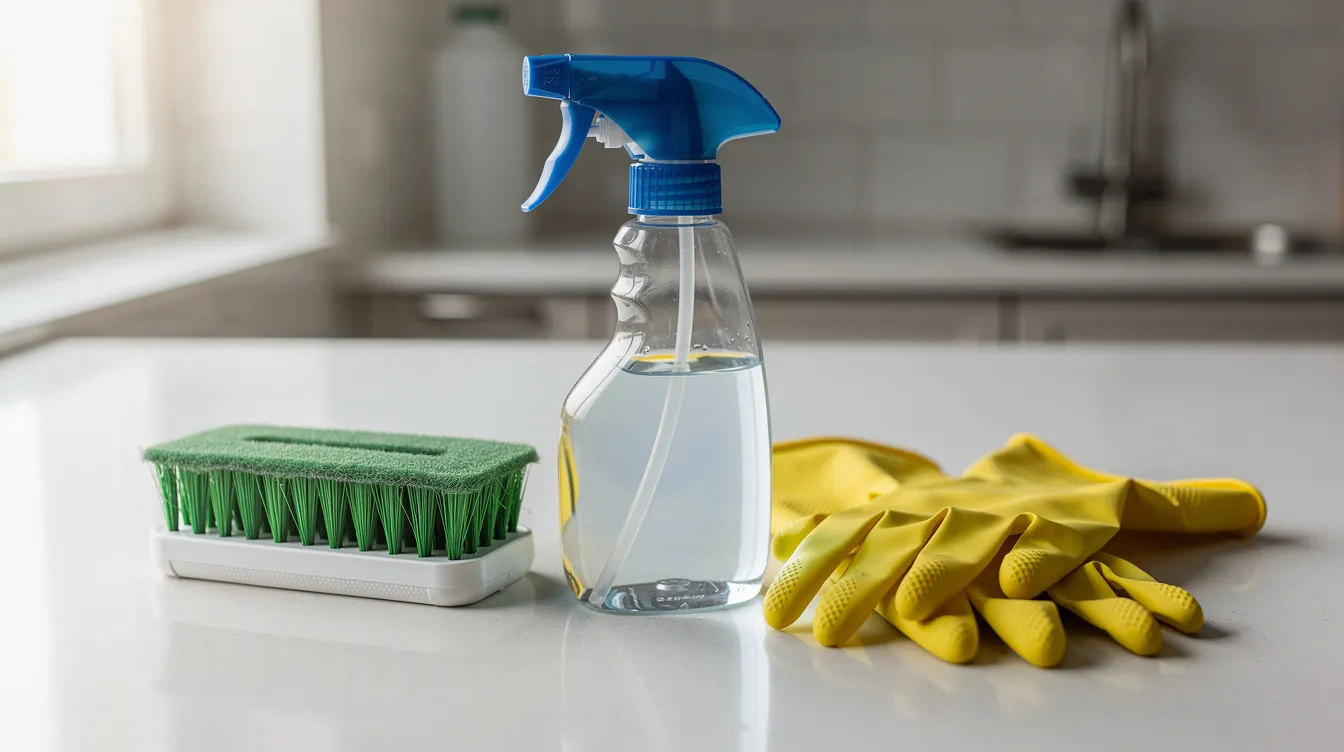
When to Call Professional Mold Damage Remediation
Larger or complex mold damage jobs carry higher risks of cross-contamination, hidden structural issues, and exposure, making professional mold remediation advisable. Attempting extensive cleanup without proper equipment often spreads contamination via HVAC recirculation and leaves hidden problems to worsen.
Clear Triggers for Hiring Professionals
Situation | Professional Help Recommended? |
|---|---|
Contaminated area exceeds approximately 10 square feet | Yes |
Mold damage following flooding or sewage backups | Yes |
HVAC or ductwork involvement | Yes |
Repeated past leaks/systemic building failures | Yes |
Health-vulnerable occupants present | Yes |
Suspected hidden mold within wall cavities/flooring | Yes |
Moldy environment affecting multiple rooms | Yes |
What a Reputable Remediation Process Typically Includes
Phase | Activities |
|---|---|
Assessment | Infrared moisture mapping to delineate wet zones, visual inspection |
Containment | Polyethylene barriers, negative-air machines achieving 20-50 negative Pascals |
Removal | Excision of unrecoverable porous materials like contaminated drywall and framing |
Cleaning | HEPA vacuuming capturing 99.97% of 0.3-micron particles, antimicrobial wiping |
Verification | Moisture meters confirming under 15% wood moisture before reconstruction |
Vetting Contractors
IICRC or NORMI certifications
Liability insurance coverage
Third-party references from past clients
Adherence to AIHA or ACGIH guidelines
Whether they follow occupational safety standards for worker protection
Professional remediators may sometimes use biocides or fungicidal coatings as adjuncts, but these should supplement—not replace—physical removal of mold-damaged materials. Be wary of contractors who rely heavily on fogging or chemical treatments without removing contaminated materials.
Cleanup Methods, Bleach, and Biocides
Many homeowners reach for chlorine bleach first when confronting mold, but EPA and restoration authorities discourage routine bleach application across all mold damage situations. Understanding what actually works—and what doesn’t—prevents wasted effort and potential safety hazards.
Physical Removal vs. Chemical Treatment
Physical removal remains the primary goal: scrubbing and discarding damaged porous materials excises the colony at its root. Dead mold can still trigger allergies if left on surfaces, so merely killing mold without removing it provides incomplete protection. A bleach solution kills surface organisms but doesn’t address the underlying contaminated materials.
When Diluted Bleach May Be Appropriate
On hard, non-porous surfaces after detergent cleaning
Example concentration: 1 cup household bleach (5-6% sodium hypochlorite) per gallon of water
Use in well-ventilated spaces, allowing 10 minutes of contact time before rinsing
Not effective on porous materials where bleach decomposes without reaching embedded growth
Critical Safety Requirements
Never mix bleach with ammonia-based cleaners or acids—this creates chloramine or hydrochloric gases that can be fatal at high concentrations
Always use exhaust fans and open windows for ventilation
Wear N95 respirator, eye protection, and gloves
Work in short sessions if you detect chlorine odor buildup
Biocidal Products and Encapsulant Coatings
Biocidal products and “mold-killing” encapsulant coatings represent professional tools for special circumstances—such as homes with hypersensitive occupants—and should never bypass physical excision of contaminated dry wall, carpet, or insulation. Coatings can crack and harbor regrowth when residual moisture persists. If a contractor suggests coating over mold-damaged drywall rather than removing it, seek a second opinion.
Preventing Future Mold Damage: Moisture and Humidity Control
Long-term protection from mold damage depends on preventing too much moisture, not just cleaning visible spots. Sustained prevention pivots on moisture interdiction over episodic cleaning, targeting indoor relative humidity at 30-50% year-round. Levels above 60% enable spore germination across temperatures comfortable for humans (68-86°F).
Core Prevention Actions
Category | Specific Measures |
|---|---|
Leak repair | Fix roof and plumbing leaks immediately upon detection |
Ventilation | Use exhaust fans in bathrooms and kitchens for 20-30 minutes after showers and cooking, venting outdoors |
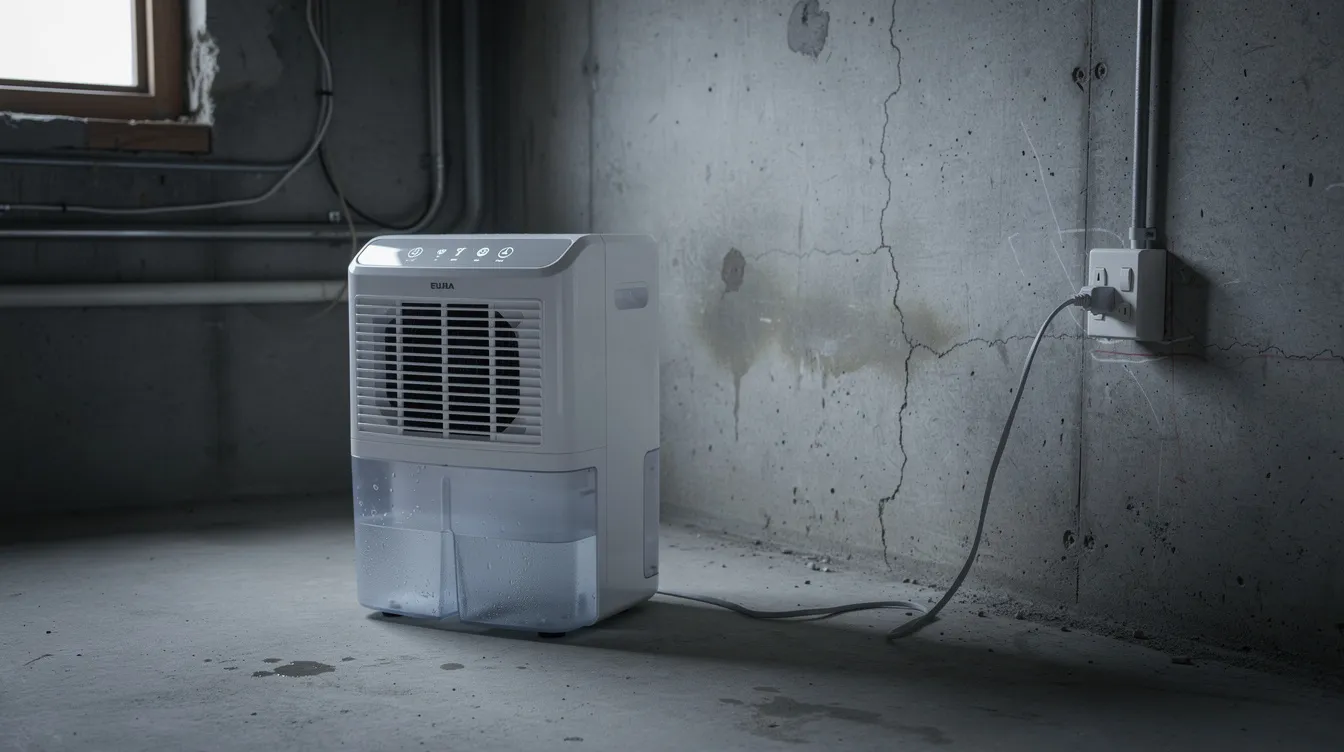
Humidity control | Run dehumidifiers in basements maintaining 45% RH; measure relative humidity monthly with a hygrometer available at home improvement stores |
Insulation | Wrap cold water pipes to prevent condensation on cold surfaces |
Air sealing | Seal air leaks around windows and doors to reduce humid infiltration |
HVAC maintenance | Change filters quarterly (MERV 8+), service coils and drain pans annually |
Exterior Drainage Improvements
Maintain gutters and downspouts, clearing debris seasonally
Extend discharge at least 5-10 feet away from foundation
Grade soil to slope 6 inches over 10 feet away from home
Address laundry room drainage ensuring no standing water
Rapid Response to Water Events
Document damage with timestamped photos for insurance
Extract standing water via pumps or wet vacuums immediately
Start active drying within 24 hours using axial fans (500+ CFM capacity)
Remove saturated carpet padding and elevate furniture to accelerate drying
Monthly inspections help catch condensation on exterior walls early. If you notice moisture collecting, improve air circulation by repositioning furniture away from walls and running ceiling fans to prevent stagnant humid pockets.
Special Considerations: Mold Damage in Rentals and Multi-Unit Buildings
Mold damage in rental property involves both occupant behavior and building maintenance, with responsibilities delineated by lease agreements and varying state codes. Understanding who bears responsibility for what prevents disputes and ensures problems get addressed.
Renter Responsibilities
Document mold damage and moisture sources with dated photos as soon as you notice problems like leaks or musty odors
Submit written notices to landlords or property managers promptly—HUD model leases recommend 7-30 day response windows
Use exhaust fans during and after bathing and cooking
Clean bathroom surfaces regularly to prevent surface mold
Avoid chronic indoor moisture sources like unvented drying of large amounts of laundry in the laundry room
Landlord Responsibilities
Repairing structural leaks, roof failures, and plumbing problems
Addressing building-wide ventilation shortfalls
Fixing building envelope failures driving interstitial moisture
Professional assessment in multi-family buildings where shared walls can propagate growth
Compliance with implied warranty of habitability (like California’s requirement for swift structural repairs)
When Repairs Are Delayed or Disputed
Contact local housing, building, or health agencies that enforce nuisance abatement
Seek tenant advocacy resources or legal advice
Remedies may include rent withholding (where legal), relocation assistance, or formal complaints
Be aware that state laws vary significantly—Texas favors landlords on ventilation issues, while Illinois mandates remediation within 10 days for visible colonies
Multi-Unit Building Challenges
Multi-unit buildings present special challenges because shared HVAC systems can spread airborne mold between units, and water intrusion in one apartment may affect neighbors through shared walls and floors. If your building management is unresponsive to documented health concerns, escalating to local health departments often prompts action.
Costs and Long-Term Impact of Ignoring Mold Damage
Addressing mold damage when it’s small is almost always less expensive than delaying until materials and structures are severely affected. Early intervention on nascent mold confines costs to hundreds for localized drywall excision and repainting, while neglect transforms manageable problems into major renovation projects.
Cost Range Overview (2024 Industry Averages)
Scope of Damage | Typical Cost Range |
|---|---|
Small, localized (under 10 sq ft) | A few hundred dollars |
Room-scale remediation | $2,000-$6,000 |
Multi-room or structural (flood damage) | $10,000-$30,000+ |
These figures factor in labor, containment, materials, and reconstruction. Storm-flooded homes where remediation was delayed 6 months have seen costs triple due to wood rot synergy and expanded contamination.
Hidden Long-Term Impacts of Ignoring Mold Damage
Property devaluation by 5-20% per appraisals citing remediation liens
Home inspection failures triggering sales renegotiations or forfeitures
Intractable odors deterring buyers even after visible mold removal
Insurer disputes voiding policies for unmaintained moisture sources
Chronic health problems for occupants exposed over extended periods
Cumulative micro-leaks evade detection yet aggregate into framing replacements dwarfing single-event fixes. FEMA post-Hurricane Ida analyses revealed that 6-month delays in addressing water damage tripled ultimate repair costs due to synergistic rot and expanded mold colonization.
The most common indoor molds don’t discriminate between expensive and modest homes—they colonize any damp materials given opportunity. Proactive drying, routine maintenance, and prompt leak response preserve both your home’s equity and your family’s health amid rising claims from climate-amplified storms.
Key Takeaways
Respond to water events within 24-48 hours to prevent mold colonization
Small problems addressed early cost hundreds; ignored problems cost thousands
Document everything for insurance purposes
Control moisture as your primary long-term strategy
Know when DIY cleanup is appropriate and when to call professionals
Mold damage is ultimately a moisture problem wearing a biological disguise. Fix the water, dry the materials, and remove what cannot be saved—that sequence solves most residential mold situations before they become financial disasters or health emergencies.


Latest news