
Price to Remove Mold (2025-2026 homeowners cost guide)

Price to Remove Mold (2025–2026 Homeowner Cost Guide)
Discovering mold in your home can trigger immediate concerns about both health and budget. Whether you’ve spotted fuzzy patches behind the bathroom vanity or noticed a musty smell creeping up from the basement, understanding the price to remove mold helps you make informed decisions fast.
<div style="border: 1px solid #e0e0e0; background: #f9f9f9; padding: 1em; margin-bottom: 1.5em;"> <strong>Key Mold Remediation Terms & Cost Factors</strong> <ul> <li><strong>Mold Remediation:</strong> The process of removing mold growth and contaminated materials from a property, typically costing <strong>$10 to $30 per square foot</strong>. The total cost depends on the size, location, and severity of the infestation.</li> <li><strong>Toxic Black Mold (Stachybotrys):</strong> A high-risk mold species requiring stricter containment and specialized handling, often increasing remediation costs by <strong>$1,000 to $6,000 or more</strong> due to enhanced safety protocols.</li> <li><strong>Per Square Foot Pricing:</strong> Mold removal is commonly priced by the affected area, with rates ranging from <strong>$10 to $30 per square foot</strong>. Larger, more widespread infestations (over 100 sq ft) require more labor and increase costs compared to small, localized areas.</li> <li><strong>How Mold Type, Location, and Size Affect Cost:</strong> <ul> <li>The <strong>type of mold</strong> present can influence the cost, as some types require more specialized handling and equipment.</li> <li><strong>Location and accessibility</strong> matter—mold in hard-to-access areas like HVAC systems and crawl spaces requires specialized techniques, increasing costs.</li> <li><strong>Size and severity</strong> are major factors: Small infestations (under 10 sq ft) can cost <strong>$500–$1,500</strong>, while large infestations (over 300 sq ft) can cost <strong>$6,000–$15,000</strong> or more. The extent and severity of contamination directly impact the overall cost, with larger or more severe infestations requiring more extensive work.</li> <li><strong>Additional services</strong> such as HVAC cleaning or structural repairs can further increase the total cost of remediation.</li> </ul> </li> <li><strong>Summary:</strong> Mold removal costs typically range from a few hundred to several thousand dollars, influenced by the size of the infestation, location, accessibility, type of mold, and any additional services required.</li> </ul> </div>
Quick Answer: Typical Price to Remove Mold in 2025–2026
Before diving into the details, here are the numbers most homeowners need right now.
The national average cost for professional mold remediation in 2025–2026 sits around $2,300 to $2,367 per project, with most jobs falling between $1,200 and $3,750.
Per square foot pricing typically runs $10 to $30, meaning a 100 square foot affected area costs roughly $1,000 to $3,000 for professional removal.
Small mold issues under 10 square feet on non-porous surfaces can often be handled DIY for under $150 in materials (cleaners, PPE, plastic sheeting).
Severe whole-house mold infestation with structural damage can push total cost above $20,000 to $30,000 when multiple systems require full rebuilds.
Final pricing depends primarily on size of the mold growth, accessibility of the affected area, materials that must be removed or rebuilt, and regional labor rates.
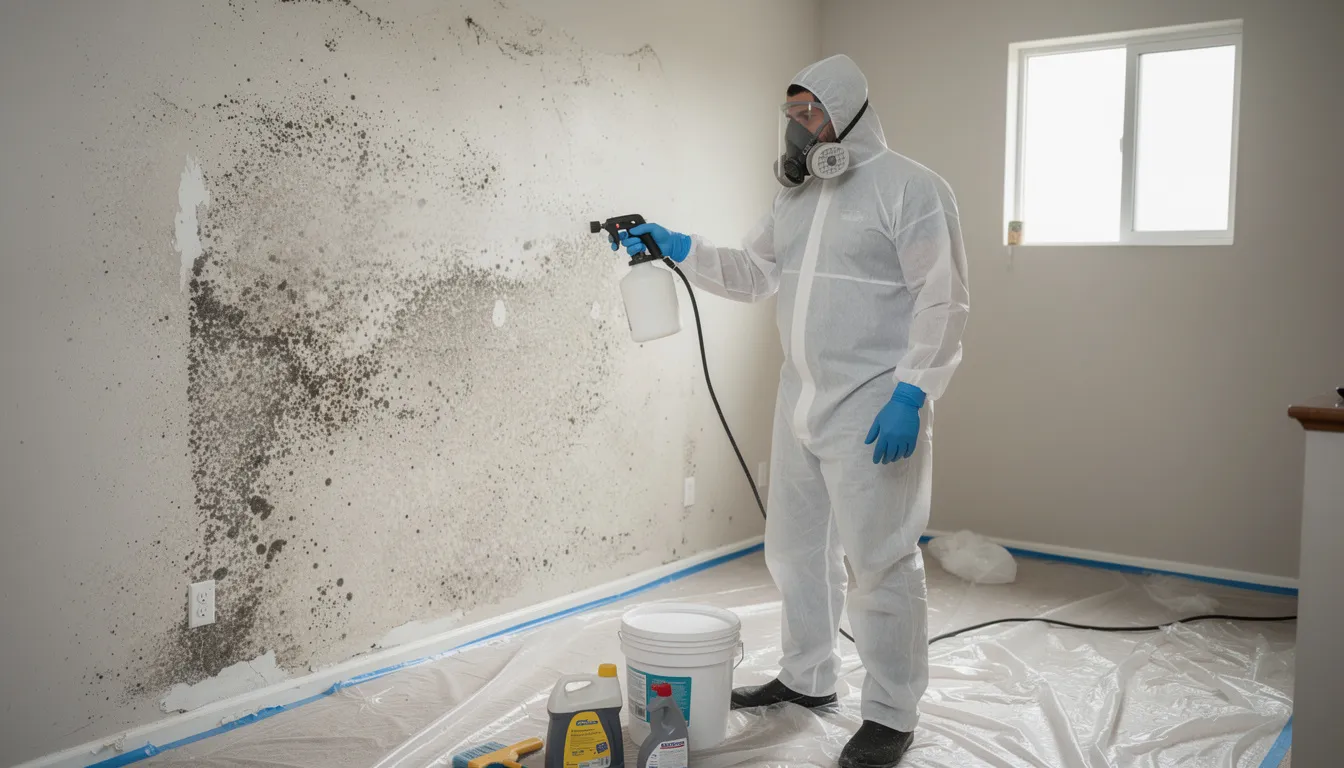
Average Mold Removal Costs by Size and Scope
Professionals structure mold removal cost in two main ways: per square foot or by job size tiers. Understanding both approaches helps you evaluate quotes and estimate your budget before getting formal bids.
The standard per-square-foot rate of $10 to $30 includes containment, HEPA vacuuming, antimicrobial treatment, and basic cleaning—but typically excludes major reconstruction like replacing cabinets or refinishing floors.
Here’s how costs break down by project scale:
Job Size | Square Footage | Typical Price Range | Average Cost |
|---|---|---|---|
Small | Under 25 sq ft | $700 – $3,000 | $1,800 |
Medium | 25 – 100 sq ft | $1,500 – $6,000 | $3,500 |
Large | 100 – 300 sq ft | $3,500 – $12,000 | $6,500 |
Whole House | 300+ sq ft | $10,000 – $30,000+ | $18,000 |
Practical examples: |
|
|
|
A small patch of 20–40 square feet (like a bathroom ceiling corner) runs roughly $400 to $1,200
A single room with 80–200 square feet of mold damage costs approximately $1,000 to $5,000
Multi-room remediation across several hundred square feet quickly reaches $8,000 to $25,000
Sample calculation for a mid-sized job:
A 250 square foot basement wall project might break down as:
Containment setup: $200
HEPA treatment: $394
Antimicrobial application: $250
Labor: $750
Materials and disposal: $754
Total: approximately $2,348
Emergency or after-hours mold remediation typically adds 20–30% premiums due to overtime labor and rushed mobilization. Always ask if these surcharges apply when scheduling urgent work.
Main Factors That Affect the Price to Remove Mold
Understanding mold removal cost factors helps you predict your final bill and identify areas where you might control expenses. While square footage provides the baseline, several other variables can double or triple that starting figure.
The five core cost drivers are:
Size of mold infestation (affected square footage)
Location and accessibility within the home
Materials affected (porous vs. non-porous)
Mold type and health risk level (standard vs. toxic black mold)
Regional labor rates and local regulations
Square footage gives you the base calculation, but depth of contamination—whether mold sits on surfaces or has penetrated into wall cavities and insulation—often shifts price the most. Ask contractors to specify which factors add the most cost to your particular estimate.
Some factors you can adjust to save money (like timing, optional testing, or handling minor reconstruction yourself), while others are fixed (like the extent of structural damage already present).
Size of the Mold Infestation
Most professionals measure the moldy area in square feet—not your total home size—to calculate the base mold removal cost. Inspectors typically round measurements to the nearest 10 or 25 square feet when creating bids.
The common pricing band of $10 to $30 per square foot reflects the work intensity:
Light surface contamination on accessible walls sits toward $10/sq ft
Extensive demolition with disposal of saturated materials pushes toward $30/sq ft
Concrete examples:
50 sq ft bathroom ceiling patch: $500 to $1,500 (accessible, surface-level)
150 sq ft basement wall: $1,500 to $4,500 (may require drywall removal)
400 sq ft across multiple rooms: $4,000 to $12,000 (complex containment needed)
Quick estimation math: Multiply your approximate affected square footage by $18 (the midpoint rate) for a rough budget figure. For example, 100 sq ft × $18 = $1,800 estimated cost.
Location and Accessibility in the Home
Easy-to-reach areas cost less than hidden spots requiring demolition or confined-space work. Surface bathroom mold on exposed tile might run $500 to $1,000, while mold inside HVAC ductwork can reach $3,000 to $10,000 due to access complexity.
Location | Relative Difficulty | Approximate Cost Impact |
|---|---|---|
Open walls, bathroom tile | Baseline | Standard rates |
Tight basements | Moderate | +20–50% |
Attic spaces | Moderate to high | +30–50% |
Crawl spaces | High | +40–75% |
Inside HVAC systems | Very high | +100% or more |
Additional labor hours pile up when crews must: |
|
|
Cut access holes through finished surfaces
Remove fixtures, cabinets, or appliances
Work in protective gear within confined spaces
Set up scaffolding or work on steep roof decks
Air ducts and crawl spaces consistently rank among the most expensive areas due to these access challenges.
Materials Affected and Required Repairs
The difference between non-porous and porous materials dramatically affects whether surfaces can be cleaned or must be completely removed.
Non-porous materials (tile, metal, sealed concrete, hard plastics) can typically be cleaned and treated with antimicrobials, keeping costs lower.
Porous materials (drywall, carpet, insulation, ceiling tiles, wood framing) often must be removed and replaced because mold spores penetrate below the surface.
Typical repair costs:
Replacing mold-damaged drywall panels: $300 to $900 for several square feet
Treating and repainting exposed studs: $2 to $3 per square foot
Removing and reinstalling carpet or vinyl: $3 to $8 per square foot
Structural rot repair (subfloor, joists): Can add thousands to tens of thousands
Important: Many mold removal quotes exclude reconstruction like painting, new trim, or cabinet replacement. Ask explicitly whether those costs are included or will come as separate invoices—possibly requiring a general contractor.
Mold Type and Health Risk Level
Pricing is driven more by size and location than by the exact mold species. However, high-risk molds like Stachybotrys chartarum (often called toxic black mold) can increase costs by 10–25% due to stricter safety protocols.
Common indoor mold species:
Alternaria
Aspergillus
Cladosporium
Penicillium
Stachybotrys (black mold)
Mold testing confirms species when needed for medical documentation, insurance claims, or real estate transactions. Testing adds a separate fee of approximately $250 to $800 depending on scope and lab analysis.
When vulnerable occupants (infants, elderly, immunocompromised individuals) are present, some homeowners opt for extra measures like extended HEPA filtration rentals or additional post-remediation air sampling—adding a few hundred dollars but providing peace of mind about mold exposure risks.
Regional Labor, Regulations, and Timing
Coastal and high humidity regions—Gulf Coast, parts of California, Pacific Northwest, and Florida—typically see higher mold removal prices due to strong demand and elevated labor rates. Regional averages can vary by $300 to $500 compared to lower-humidity areas.
Regional cost variations:
Gulf Coast states: $2,200 to $2,500 average
California coastal areas: Similar elevated rates
Ohio (moderate climate): Around $2,500 average
Additional regional cost factors:
Some states require licensed contractors and independent clearance testing, adding $150 to $400 per verification visit
Rural jobs may include trip charges or minimum fees
Urban areas often have higher disposal costs and parking/access fees
Emergency calls (nights, weekends, holidays) add 20–30% to labor costs
Equipment rentals run $25 to $40 per fan or dehumidifier per day
Always confirm whether your estimate includes testing, permits, and equipment rental—or if those appear as separate line items later.
Typical Mold Removal Costs by Area of the Home
The price to remove mold varies significantly depending on which room or system is affected, building on the same core mold remediation cost factors discussed earlier. Bathrooms, basements, attics, crawl spaces, interior walls, HVAC systems, and whole-house scenarios each present distinct challenges and price ranges.
This section walks through the most common locations homeowners ask about, using current 2025–2026 pricing data.
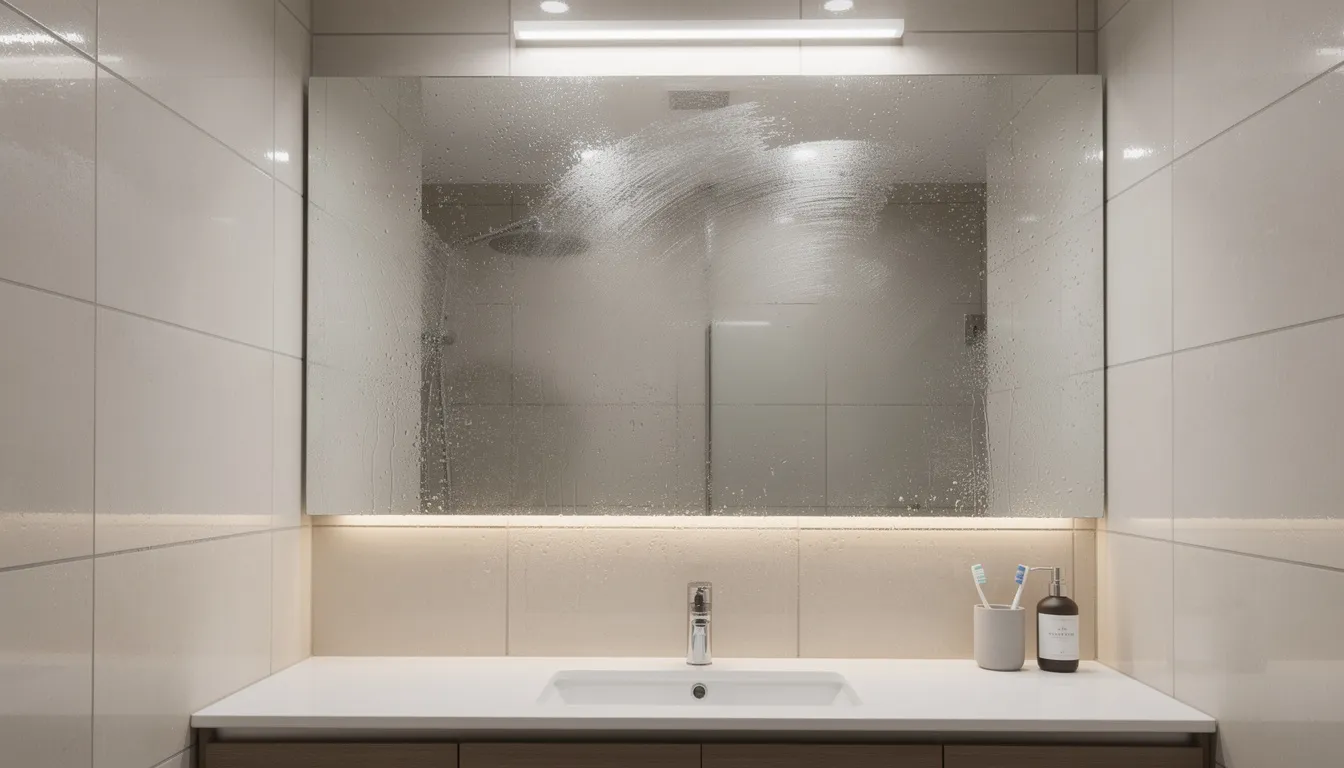
Bathroom Mold Removal Price
Bathrooms rank among the most common—and often most manageable—mold locations due to visible mold on grout, ceilings, and around fixtures.
Typical costs:
Surface mold on shower grout, tile, ceilings: $500 to $1,500
Mold behind tile walls, under shower pans, or in subfloor: $3,000 to $8,000+
Older bathrooms with poor ventilation or recurring leaks may require exhaust fan upgrades ($200 to $500) and caulking/grout repairs to prevent future mold growth.
What a typical bathroom job includes:
Containment with plastic walls around work area
Removal of affected drywall, caulk, or grout
HEPA vacuum cleaning of surfaces
Antimicrobial treatment of remaining materials
Minor reconstruction (patching, resealing)
Basement Mold Removal Price
Basements present unique challenges due to moisture sources like hydrostatic pressure, foundation seepage, and failed waterproofing systems, and they are also a major focus in broader guides on mold testing and removal costs.
Typical costs:
Limited areas (100-200 sq ft): $800 to $4,000
Extensive finished basement damage: $4,000 to $10,000+
Finished basements with drywall, carpet, and paneling cost significantly more to remediate than bare concrete spaces because porous materials must be removed rather than just cleaned.
Underlying moisture fixes (essential to prevent recurrence):
Foundation waterproofing: $1,500 to $7,000+
Sump pump installation or repair: $500 to $1,500
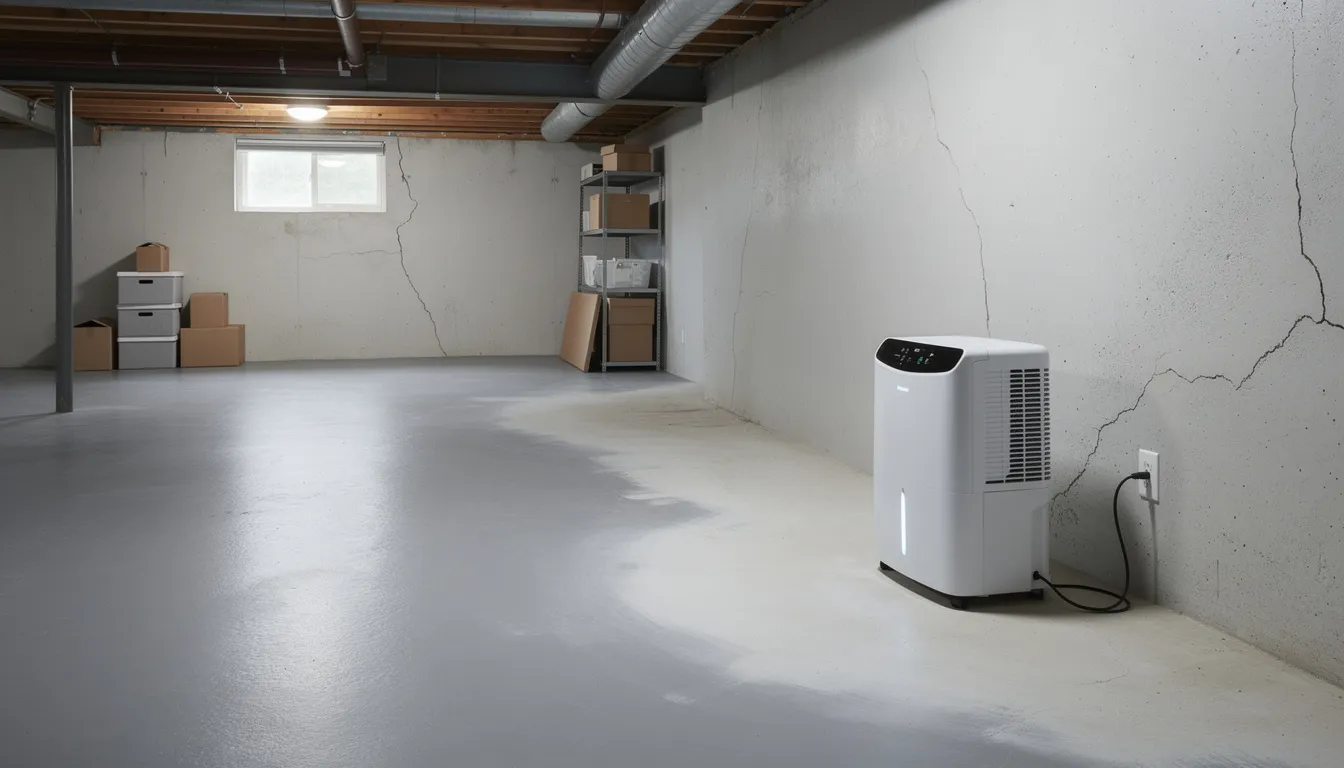
Dehumidifier installation: $200 to $2,000
Example scenario comparison:
150 sq ft moldy corner with carpet and baseboards: $1,800 to $4,000
600 sq ft finished basement with wall-to-wall damage: $6,000 to $15,000+
Attic Mold Removal Price
Attic mold often develops from roof leaks, insufficient insulation, or bathroom exhaust fans improperly vented into the attic space rather than outside, and it may coincide with broader attic cleanup and decontamination costs when insulation or other contaminants are involved.
Typical costs:
Standard attic mold remediation: $1,000 to $4,000
Extensive growth on roof sheathing: $4,000 to $7,000+
Steep roofs, tight access hatches, and summer heat can increase labor time substantially, pushing per-square-foot rates higher.
Associated repairs that may add cost:
Roof leak repairs: $350 to $1,500+
Proper bath fan venting: $150 to $400
Improved attic ventilation: $300 to $1,000
Example comparison:
Small patch near a leaking vent boot: $800 to $1,500
Widespread growth across north-facing roof deck (400+ sq ft): $4,000 to $8,000
Solving the moisture or ventilation problem is crucial—otherwise you’ll pay for attic mold remediation again in a few years.
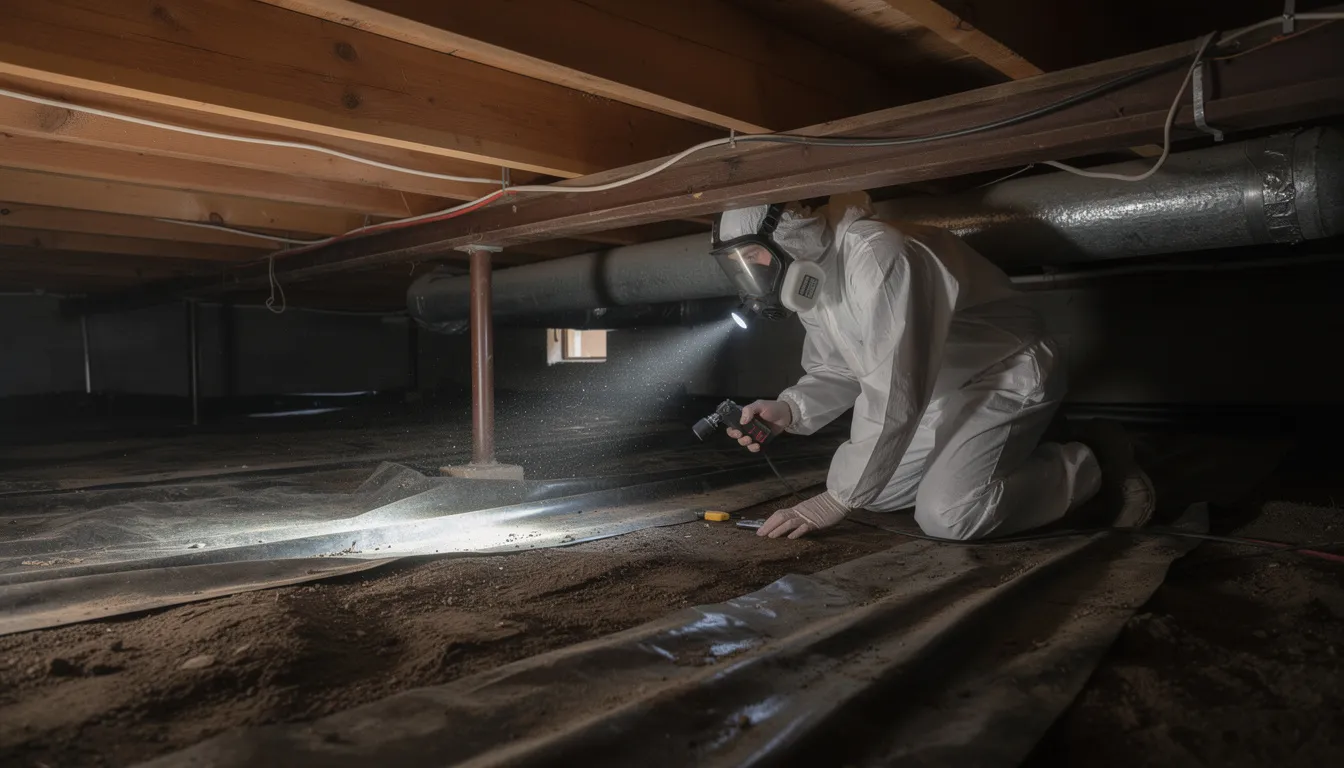
Crawl Space Mold Removal Price
Crawl spaces combine accessibility challenges with chronic moisture problems, making them among the more complex mold scenarios.
Typical costs:
Light to moderate mold on joists and subfloor: $500 to $2,000
Full crawl space remediation plus encapsulation: $1,500 to $15,000
Encapsulation (vapor barrier installation, vent sealing, dehumidifier) provides long-term moisture control but significantly increases upfront investment.
Example scenario comparison:
600 sq ft crawl space with surface mold: $1,200 to $3,000
1,200 sq ft crawl with mold, standing water, no vapor barrier: $8,000 to $15,000
Very low or obstructed crawl spaces cost more due to workers spending extended time on hands and knees in protective gear with limited maneuverability.
Mold Removal Price for Interior Walls and Ceilings
Wall and ceiling mold often results from water leaks, plumbing failures, or condensation problems within wall cavities, which are best documented by a qualified mold inspector for residential properties.
Typical costs:
Small drywall patches (several square feet): $300 to $900
Moderate wall/ceiling remediation: $1,000 to $4,000
Extensive multi-room wall damage: $4,000 to $8,000+
Costs rise substantially when mold has spread through insulation or across multiple studs, requiring large wall sections to be opened, treated, and rebuilt.
Cost-increasing factors:
Wallpaper removal and disposal
Built-in shelving demolition
Paneling behind finished walls
Electrical or plumbing rerouting during reconstruction
Watch for hidden mold signs like bubbling paint, warping drywall, or musty smells—these often indicate behind-wall work will be needed.
HVAC and Air Duct Mold Removal Price
HVAC cleaning for mold ranks among the most expensive remediation scenarios due to specialized equipment requirements and system complexity, often prompting homeowners to research who to call for professional mold removalrather than attempting DIY work on critical systems.
Typical costs:
Full duct cleaning: $600 to $2,000
Furnace and air handler remediation: $3,000 to $5,000
Heavily contaminated coils and plenums: $6,000 to $10,000+
Mold spores in hvac systems can spread throughout the entire house, making thorough remediation critical to prevent cross contamination.
What HVAC mold remediation typically includes:
System inspection with camera assessment
Access openings cut into ductwork
HEPA vacuum and mechanical cleaning
Antimicrobial fogging treatment
Air scrubbers running during and after work
Post-cleaning verification testing
Regular preventive maintenance (filter changes, periodic duct cleaning at $275 to $500) costs far less than full remediation after mold has spread through air conditioners and connected ductwork.
Whole-House Mold Removal Price
Whole-house remediation applies when mold affects multiple major areas—basement, walls, ceilings, HVAC—rather than a single isolated room.
Typical costs:
Moderate whole house involvement: $10,000 to $20,000
Extensive damage with rebuilding needs: $20,000 to $30,000+
Large projects may require temporary relocation of occupants for several days to weeks, adding indirect costs for alternative housing.
Common whole-house scenarios:
Burst second-story pipe flooding multiple floors
Long-term undetected roof leak affecting attic and upper walls
HVAC system spreading mold damage throughout connected rooms
Flood water intrusion affecting basement, walls, and flooring
Early detection and treatment of smaller areas remains the best way to avoid paying for whole-house mold remediation. A $2,000 basement corner project today can prevent a $25,000 whole-house disaster next year.
Inspection, Testing, and Add-On Costs
The base price to remove mold often doesn’t include inspection, testing, or documentation—services that can add several hundred dollars but provide valuable information for health concerns, insurance claims, or resale purposes.
Main add-on services:
Initial mold inspection and assessment
Laboratory mold testing and species identification
Post-remediation clearance testing
Equipment rentals (air movers, dehumidifiers, air scrubbers)
Not every job needs full lab analysis, but testing proves useful when the contamination source is unclear, the affected area is large, occupants have respiratory issues, or you need documentation for insurance or legal purposes.
Mold Inspection and Initial Assessment Costs
Visual inspections by remediation contractors are sometimes free or included in the project quote—especially if you hire them for the work. Independent mold inspections typically cost $250 to $450.
Detailed moisture surveys using meters and infrared cameras run $300 to $600 depending on home size and regional labor rates.
What to ask about inspections:
Is a written report with photos included?
Are moisture readings documented?
Does the inspector also perform remediation, or remain independent?
A thorough assessment helps avoid both underestimating the problem (leading to incomplete remediation) and overpaying for unnecessary work.
Mold Testing and Lab Analysis Costs
As part of a comprehensive mold testing and inspection process, homeowners may see several distinct lab and sampling line items on a quote.
Common testing prices:
Basic surface or air sampling: $250 to $350
Multi-sample laboratory analysis: $450 to $800
Lab testing identifies specific mold species and spore counts, which can be important for:
Medical documentation of mold exposure
Insurance claim support
Real estate transaction disputes
Landlord-tenant disagreements
Small, obvious mold patches with clear moisture sources don’t always require lab confirmation. However, when health problems are present or the scope seems unclear, testing provides useful documentation.
Test fees should appear as clearly separated line items on invoices—distinct from remediation costs.
Post-Remediation Verification and Clearance Tests
Clearance testing confirms mold has been successfully removed and moisture levels are controlled. This follow-up step typically costs $150 to $400 per visit and follows the same principles outlined in detailed guides to mold remediation clearance testing.
Some states or large projects require independent clearance testing by law or by insurance carriers. While this increases total cost, it provides documentation that work met professional standards.
Questions to ask contractors:
Does your quote include clearance testing?
If not, do you recommend hiring a third-party tester?
What happens if clearance testing fails on the first attempt?
Equipment Rental and Temporary Air Quality Measures
Professional remediation requires negative pressure containment, commercial dehumidifiers, air movers, and HEPA air scrubbers. These may be billed separately or rolled into overall project costs.
Typical daily rental ranges:
Fans and air movers: $25 to $40 per unit per day
Commercial dehumidifiers: $30 to $50 per unit per day
Industrial HEPA air scrubbers: $75 to $150 per day
For extended drying after water damage, equipment may run for 3-7 days, adding $200 to $700+ in rental charges. Ask how equipment is billed before signing contracts.
Insurance, Landlord Responsibility, and Paying for Mold Removal
Who pays for mold removal—you, your insurance company, or your landlord—can dramatically change your out-of-pocket costs. Understanding coverage limits, responsibility boundaries, and payment options helps you navigate unexpected mold damage expenses.
When Homeowners Insurance Helps Cover Mold Removal
Standard homeowners policies may cover mold remediation cost when damage results from a sudden, accidental event—like a burst pipe, appliance failure, or storm damage—subject to deductibles and policy caps.
Typically covered:
Mold from sudden pipe bursts
Water damage from storm-related roof failures
Appliance malfunctions (water heater, washing machine)
Usually excluded:
Gradual leaks and long-term seepage
Poor maintenance or deferred repairs
Chronic humidity or condensation problems
Flood damage (requires separate flood insurance)
Some insurers offer mold endorsements or riders with specified limits—commonly $5,000 to $15,000 maximum for mold-related claims.
Before starting major work:
Review your policy for mold coverage limits
Document damage with dated photos and written timelines
Contact your carrier about adjuster visits if coverage applies
Keep all invoices and receipts for potential reimbursement
Landlord vs Tenant Mold Responsibilities
Most jurisdictions require landlords to keep rental properties habitable, which includes repairing leaks, fixing structural problems, and addressing significant mold caused by building defects.
Landlord typically responsible for:
Roof and plumbing leaks
Foundation moisture problems
HVAC system failures
Structural mold from building envelope issues
Tenant typically responsible for:
Using exhaust fans during showers and cooking
Maintaining proper ventilation (not blocking vents or laundry rooms airflow)
Promptly reporting leaks or visible mold signs
Not creating excessive moisture through overwatering plants or drying clothes indoors
Document conditions with photos and written notifications (emails or certified letters) if mold issues arise. Whether tenants must pay for any remediation may depend on evidence of misuse or neglect—like disabling exhaust fans or ignoring visible water leaks for months.
Financing and Budgeting Mold Removal Costs
Unexpected mold removal can cost from a few hundred to many thousands of dollars, catching homeowners without adequate emergency funds.
Payment and financing options:
Staged payments tied to milestones (containment setup, removal complete, clearance passed)
Home improvement loans or lines of credit
Credit cards (for smaller projects)
Contractor payment plans (ask about availability)
Some energy-efficiency or health-related grants and local programs occasionally help with moisture control or ventilation upgrades—which indirectly reduce future mold remediation cost.
Setting aside an annual home-maintenance budget ($1,000 to $3,000 depending on home age and condition) helps handle moisture issues and small mold problems before they become expensive projects.
DIY vs Professional Mold Removal: Cost and Risk Comparison
While DIY mold removal can significantly lower cost your initial outlay, it carries health, safety, and “do-over” risks if not done correctly. Understanding when each approach makes sense protects both your health and your wallet, and aligns with broader advice on whether to do mold cleanup yourself or hire a pro.
Factor | DIY Approach | Professional Remediation |
|---|---|---|
Upfront cost | $50 – $200 | $500 – $30,000+ |
Safety level | Moderate risk | High safety protocols |
Thoroughness | Variable | Comprehensive |
Documentation | None | Written reports, clearance |
Resale impact | May raise questions | Provides buyer confidence |
Most authorities consider DIY appropriate only for small, clearly defined areas (under 10 square feet) on non-porous surfaces with no underlying structural mold damage. |
|
|
DIY Mold Removal Costs and Limitations
Estimated DIY cost: $50 to $200 for small jobs, including:
Mold-killing cleaners or solutions
Disposable PPE (N-95 respirators, gloves, goggles)
Plastic sheeting for containment
Spray bottles and scrub brushes
Garbage bags for disposal
DIY works best for clean mold on non-porous surfaces like tile, tub surrounds, sealed countertops, and hard plastics without underlying structural damage.
Critical warnings:
Never mix bleach and ammonia (creates toxic fumes)
Ensure proper ventilation during cleaning
Double-bag and properly dispose of contaminated materials
Don’t disturb mold on porous materials (releases spores)
Improper DIY work can spread mold spores, worsen contamination behind walls, and ultimately increase the professional mold removal cost when you eventually call for help. What started as a $500 fix can become a $3,000 problem.
Professional Service Levels and What You Get for the Price
Professional mold remediation pro services typically fall into three tiers, mirroring the core steps of mold abatement and long-term solutions.
Basic remediation ($500 – $1,500):
Visual inspection and moisture assessment
Plastic containment setup
Surface cleaning or limited removal
HEPA vacuum of affected areas
Antimicrobial treatment application
Mid-tier services ($1,500 – $6,000):
Everything in basic tier
Limited reconstruction (patching drywall, repainting)
Optional post-remediation testing
Extended equipment operation for drying
Premium/large-scale ($6,000 – $30,000+):
Multi-room containment with negative pressure
Extensive demolition and disposal
Full reconstruction coordination
Third-party clearance testing
Detailed documentation for insurance/resale
Professional quotes should be itemized, showing labor, materials, equipment, and testing separately so you understand exactly what you’re paying for.
When Black Mold and Large Jobs Require a Pro
Professional mold removal becomes mandatory—not optional—in these situations, and it often starts with hiring the right mold hygienist for thorough home assessment.
Suspected toxic black mold (Stachybotrys chartarum)
Sewage or “black water” contamination
Visible mold larger than 10 square feet
Mold inside walls, insulation, or HVAC systems
Recurring mold despite previous cleaning attempts
Occupants experiencing respiratory illness or health problems
These scenarios require full face respirators, specialized containment, proper hazardous-materials disposal, and hepa vacuum systems that DIY setups rarely achieve safely. Attempting DIY in these conditions can cause more harm than the original problem.
For homeowners looking to sell or refinance, professional documentation and clearance tests protect property value and reduce future liability.
Don’t delay calling a mold remediation pro if there are strong musty odors, widespread staining, or health symptoms linked to time spent in the home. What seems extremely dangerous isn’t worth the risk of saving a few hundred dollars.
How to Get Accurate Quotes and Avoid Overpaying
Mold removal quotes vary widely—sometimes by 50% or more for the same scope of work. A structured approach can lower your final price to remove mold without sacrificing quality or safety.
Before calling contractors, prepare:
Photos of visible mold and water damage
Approximate square footage of affected areas
Timeline of when leaks or flooding occurred
List of materials that appear damaged
Notes on any prior repairs or treatments
Provide the same information to each contractor to get truly comparable estimates. Comparing scope—not just total price—reveals which bids include thorough work and which cut corners.
Creating a Clear Scope of Work
Write a one-page description of the problem covering:
Where mold is visible (specific rooms, walls, surfaces)
When moisture problems occurred (leak dates, flooding events)
What materials seem affected (drywall, carpet, insulation, wood)
Prior repairs (any previous remediation or leak fixes)
Your goals (remediation only, or remediation plus reconstruction)
Include approximate room dimensions or wall lengths, plus photos showing the extent of growth. This helps estimators gauge square footage and complexity without in-person visits.
Specify whether you want reconstruction (new drywall, flooring, cabinets) included in quotes or prefer remediation-only pricing. This single clarification prevents major misunderstandings later.
Questions to Ask Mold Removal Contractors
Licensing and qualifications:
Are you licensed for mold remediation in this state?
Do your technicians hold IICRC S520 certification?
How many similar projects have you completed this year?
Process and methods:
What containment methods do you use?
How do you verify mold is completely removed?
What disposal procedures do you follow?
Business and documentation:
Do you carry general liability and pollution liability insurance?
What warranty or guarantee do you offer?
Who pays if clearance testing fails on the first attempt?
Logistics:
What’s the expected project duration?
Will we need to vacate during work?
When can you start, and what’s your availability?
Always request a written, itemized estimate separating labor, materials, equipment, testing, and any reconstruction work.
Using Simple Math to Check Quotes Against Typical Prices
A quick calculation helps identify quotes that seem unusually high or suspiciously low.
Simple estimation formula: Estimated square footage × $18 (midpoint rate) = Approximate reasonable cost
Example: 100 sq ft × $18 = $1,800 estimated cost
Compare this rough figure to contractor quotes. If bids fall far outside the normal $10 to $30 per square foot band without clear explanation, ask why.
Valid reasons for higher quotes:
Difficult access locations (crawl space, tight attic)
Organic materials requiring removal (insulation, carpet)
High-risk mold requiring enhanced protocols
Extensive reconstruction included
Post-remediation testing bundled in
Red flags requiring explanation:
Per-square-foot rates above $35 without justification
Vague line items like “additional services” or “miscellaneous”
Pressure to sign immediately without written scope
Unwillingness to itemize costs
Get at least two or three quotes for projects above $2,000 to $3,000. The time investment pays off in both cost savings and confidence that you’re hiring a qualified contractor.
Reducing Future Mold Costs: Prevention and Maintenance
Controlling moisture costs far less than paying for repeated mold remediation every few years. A $200 bathroom fan installation today can prevent a $2,000 mold removal project next year.
Core prevention strategies:
Fix leaky pipes and water leaks within 24-48 hours to prevent mold from establishing
Improve ventilation in bathrooms, kitchens, and laundry rooms with proper exhaust fans
Manage humidity with dehumidifiers, keeping indoor levels below 50%
Maintain gutters and drainage to direct water away from foundations
Inspect high-risk areas (basement, crawl space, attic) after storms or plumbing incidents
Approximate prevention costs:
Prevention Measure | Typical Cost | Prevents |
|---|---|---|
Bathroom exhaust fan | $200 – $400 | Bathroom mold |
Portable dehumidifier | $200 – $500 | Basement/crawl mold |
Whole-house dehumidifier | $1,500 – $2,500 | Whole-home humidity |
Small plumbing repairs | $100 – $500 | Water damage mold |
Foundation waterproofing | $2,000 – $7,000+ | Basement seepage |
Crawl space encapsulation | $3,000 – $8,000 | Crawl space mold |
Schedule periodic inspections of high-risk areas—especially after heavy rains, temperature swings, or any plumbing work. Catching moisture problems early is the most reliable way to prevent mold growth before it requires professional intervention. |
|
|
 |
|
|
While mold can be costly to address, informed decisions and early action keep the price to remove mold manageable for most homeowners. Document problems thoroughly, get multiple itemized quotes, and address moisture sources promptly. Your home—and your budget—will thank you.


Latest news